Hakone’s volcanic steam, a mountain ropeway and a boat ride on Lake Ashi make an unusually scenic day between Tokyo’s city streets and Kyoto’s temples. If the weather cooperates, Mount Fuji appears above the lake, though it is never a guaranteed guest.
I like two things especially: the small group size, capped at six, which leaves room for questions and guide adjustments, and the practical transport planning, with major train tickets reserved and local guides meeting you for key sightseeing days. A second plus is the range: ancient capitals, a moving Hiroshima visit, Kanazawa’s samurai quarter and a mountain village all fit into one trip.
The trade-off is a fast pace. You change bases several times, and some train rides and hotel transfers are on your own. This suits you if you want a broad first look at Japan and can manage your own luggage, not if you prefer slow mornings and several nights in each place.
- At a glance
- A Japan sampler with plenty of ground to cover
- Tokyo’s market, shrine and temple day
- Hakone’s volcanic route and Mount Fuji views
- Kyoto’s temples and Gion after dark
- Fushimi Inari and Nara’s deer in one day
- Nijo Castle, Osaka Castle and neon-lit streets
- Miyajima and Hiroshima’s difficult history
- Kanazawa’s garden and old districts
- Shirakawa-go’s thatched roofs, then back to Tokyo
- What the price includes, and what to check
- Who should book this Japan tour?
- FAQ
- What is the group size?
- What is included in the tour price?
- Are international flights included?
- Is airport pickup included on arrival in Tokyo?
- Are 4-star hotels available?
- Do I need to take any trains without a guide?
- Is luggage handled for me?
- Is Mount Fuji guaranteed to be visible?
- How long is the tour, and where does it end?
- Is this tour suitable for wheelchair users?
- The Best Of Tokyo!
- More Tours in Tokyo
- More Tour Reviews in Tokyo
- Not for you? Here's more nearby things to do in Tokyo we have reviewed
At a glance
- Hakone’s mountain railway, ropeway and Lake Ashi cruise turn the Mount Fuji day into more than a quick photo stop.
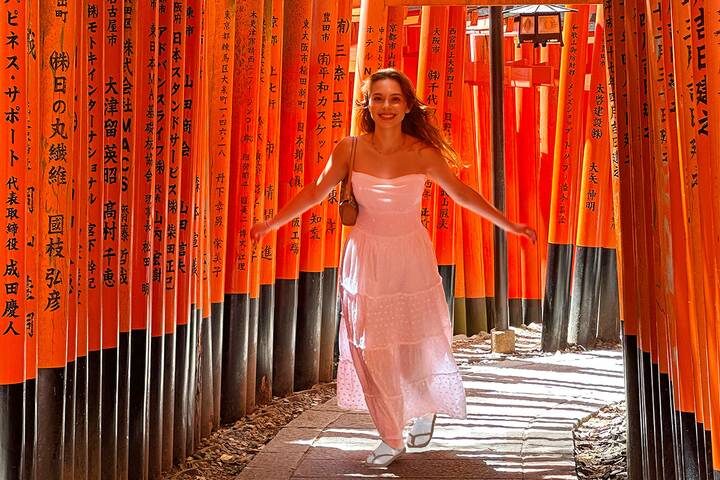
- Fushimi Inari and Nara fit into one day, with red torii gates, a giant Buddha hall and deer roaming the park.
- Hiroshima adds weight and reflection to a trip otherwise packed with temples, gardens and shopping streets.
- Shirakawa-go is a mountain-village finale, reached by bus from Kanazawa before the train back to Tokyo.
- The group is small, but guidance is not continuous: expect local guides for sightseeing and some independent train and transfer legs.
- The quoted starting price is $5,539, with hotels, breakfast, listed admission fees and planned public transport included; confirm your exact date and hotel category before booking.

👉 See our pick of the 25 Best Guided Tours In Tokyo
A Japan sampler with plenty of ground to cover
This 10-day route links Tokyo, Hakone, Kyoto, Nara, Osaka, Hiroshima, Kanazawa and Shirakawa-go. It offers a useful first-time overview, moving from busy city districts to shrines, castles, gardens and a rural village. You see a lot, but you do not settle in for long.
The advertised group size is two to six, with English-speaking guides for scheduled sightseeing. That small cap matters: a guide can more readily answer questions or adapt a stop than on a large coach tour. It does not mean someone accompanies you every minute. On several travel legs, you take the train yourself, and on Day 9 you make your own way from Tokyo Station to the hotel.
The tour’s strongest practical feature is that many major transport tickets are included and reserved. That takes some of the guesswork out of Japan’s rail network, while leaving you responsible for following the right station and transfer instructions. Keep your tickets and daily plan handy, and ask your guide to clarify each independent leg before you part ways.
You can also read our reviews of more tours and experiences in Tokyo.
Tokyo’s market, shrine and temple day
Your first evening is deliberately quiet. An English-speaking assistant meets you at the airport and helps with a shared car to your hotel, but arrivals after 8:30 p.m. require your own transport or a separately booked private pickup. Check your flight time carefully, especially if it lands late.
Day 2 makes a broad sweep through Tokyo. Tsukiji Outer Market is the food-focused start, with seafood stalls and places to try sushi or sashimi. Then the mood changes at Meiji Jingu, a shrine set among trees and dedicated to Emperor Meiji and Empress Shoken.
The Imperial Palace follows, before the afternoon moves to Asakusa. Nakamise-dori, the shopping lane between Kaminarimon Gate and Senso-ji, is an easy place to browse for traditional goods and snacks, though it can feel crowded. Senso-ji is Tokyo’s oldest temple and gives the day a strong historical finish.
This is an introduction, not a deep tour of every Tokyo neighborhood. If you want extra time for museums, shopping or a second helping of market food, ask about customizing the schedule or plan to add days before or after the tour.
Hakone’s volcanic route and Mount Fuji views
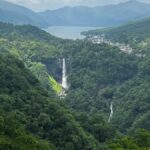
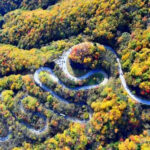
Day 3 is one of the itinerary’s most varied days. From Tokyo, you take an express train to Hakone, then ride the mountain railway in a zigzag climb to Gora. A cable car continues toward Sounzan and Owakudani, where the old volcanic crater still gives off steam and a sulfur smell.
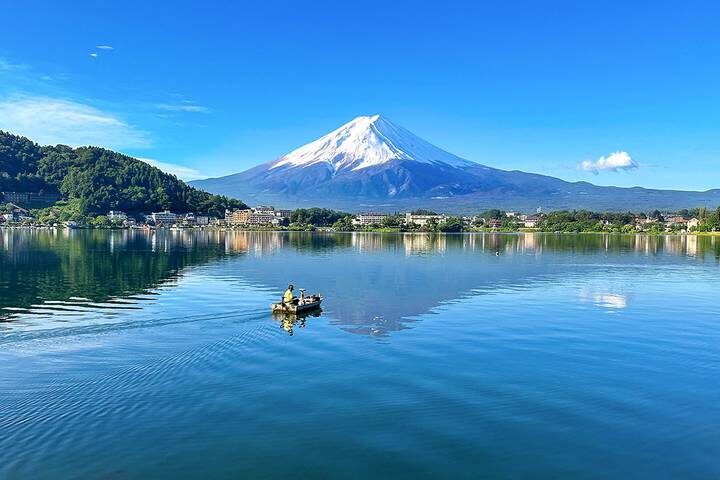
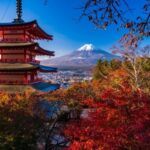
From Owakudani, the Hakone Ropeway carries you toward Lake Ashi. The final treat is a 30-minute cruise on the lake, with Mount Fuji sometimes visible beyond the water. The views depend on the weather, so enjoy the volcanic scenery and lake journey even if Fuji keeps to itself.
There is a lot of changing transport in one day: train, cable car, ropeway and boat, followed by the return to Tokyo. That variety makes the excursion memorable, but it also means you should expect a full day rather than a restful break between cities.
Kyoto’s temples and Gion after dark
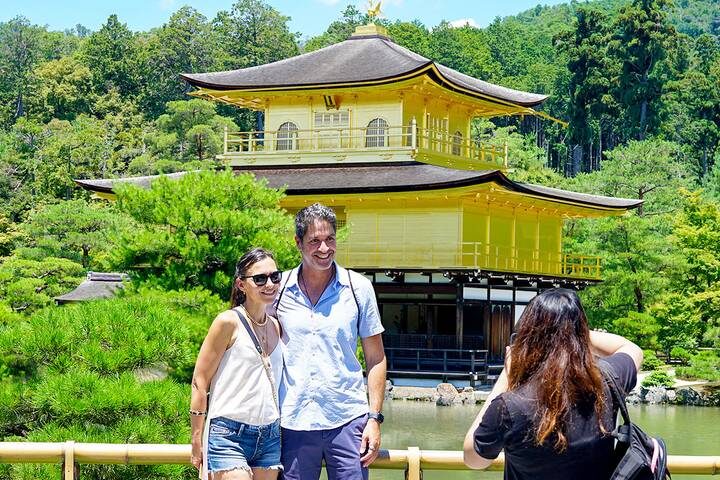
On Day 4, you take the bullet train from Tokyo to Kyoto, with the ticket reserved. The itinerary describes a ride of about two and a half hours, followed by a meeting with your Kyoto guide and a visit to Kinkaku-ji, the Golden Pavilion. Its gold-covered exterior is striking, but the grounds are popular, so expect to share the view.
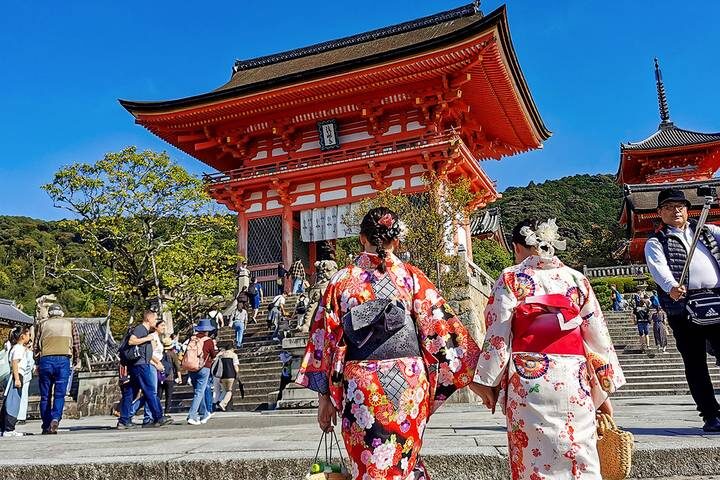
Kiyomizu-dera, translated in the tour materials as the Pure Water Temple, brings a different atmosphere and a look at Kyoto’s long religious and cultural past. From there, Sannenzaka and Ninenzaka offer sloping lanes lined with shops and snack stops. They are scenic and appealing, though heavily oriented toward sightseeing.
The day ends in Gion, where traditional wooden buildings and narrow streets make an atmospheric change from the busier shopping lanes. Your guide can give context to the district, but do not treat it as a staged performance. The appeal is seeing a historic neighborhood as evening settles in.
Fushimi Inari and Nara’s deer in one day
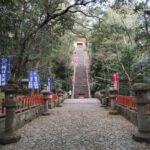
The next morning starts at Fushimi Inari Shrine, known for its rows of red torii gates climbing the hillside. A short visit gives you the famous view; walking farther uphill takes more time and effort. The schedule then moves on to Nara by train.
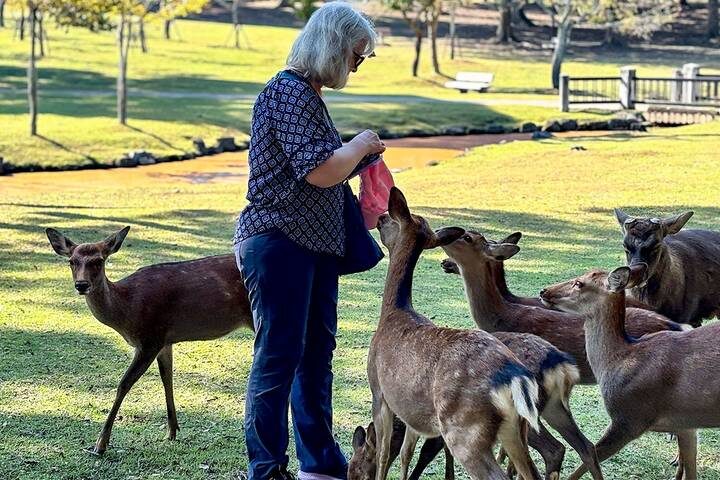
Nara Park is home to free-roaming deer, a memorable contrast to the day’s monumental religious sites. Give the animals space and follow local guidance when interacting with them. At Todai-ji, the Great Eastern Temple, the scale of the building and its giant Buddha make the UNESCO-listed site a highlight.
Kasuga Taisha Shrine adds a second major sacred site, with Goryo Shrine and Naramachi Lattice House possible if time permits. Those last stops are not guaranteed, so do not build your day around them. The return train to Kyoto takes about 45 minutes, making this a full but workable outing.





Nijo Castle, Osaka Castle and neon-lit streets
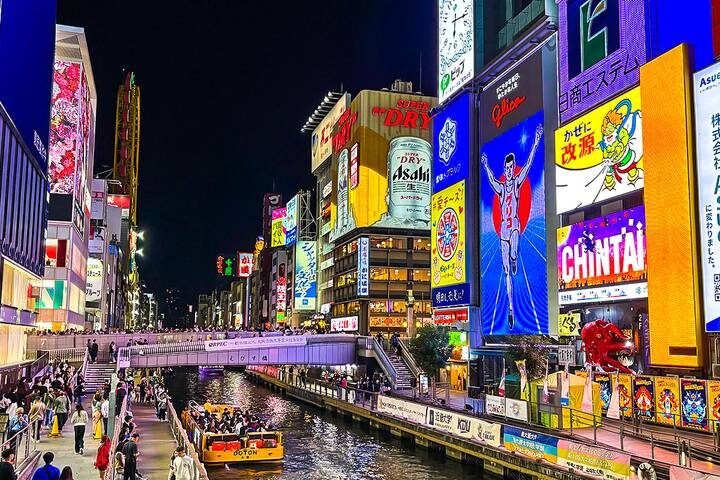
Day 6 begins at Nijo Castle in Kyoto, a UNESCO site known for its architecture and grounds. Afterward, your guide accompanies you by train to Osaka. The itinerary then packs in Osaka Castle, Dotonbori, Shinsaibashi and Hozen-ji Temple.
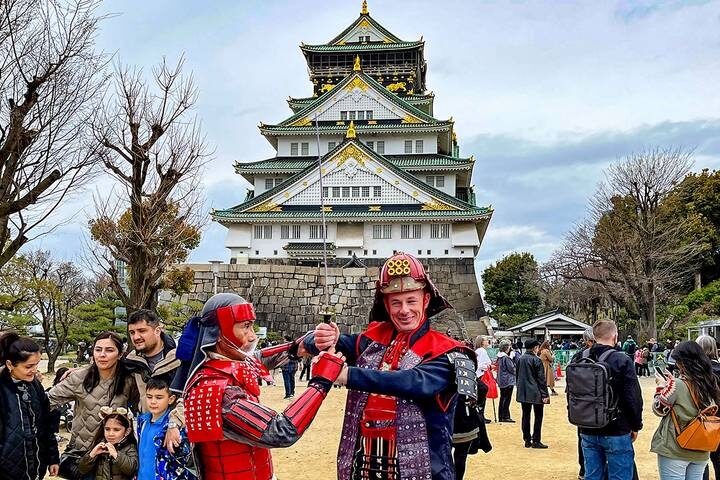
Osaka Castle gives you a grand landmark; Dotonbori and Shinsaibashi show the city’s commercial side, with restaurants and shops close together. Hozen-ji is a small, quieter stop amid the shopping streets. That contrast is part of the day’s charm, though the schedule leaves limited room to linger over a meal or browse at length.
You can return to the hotel with your guide or explore more on your own. Shinsaibashi is described as about a 10-minute walk from the hotel, a handy option if you still have energy. If you want a slower evening, choose one shopping area rather than trying to cover every street.
Miyajima and Hiroshima’s difficult history
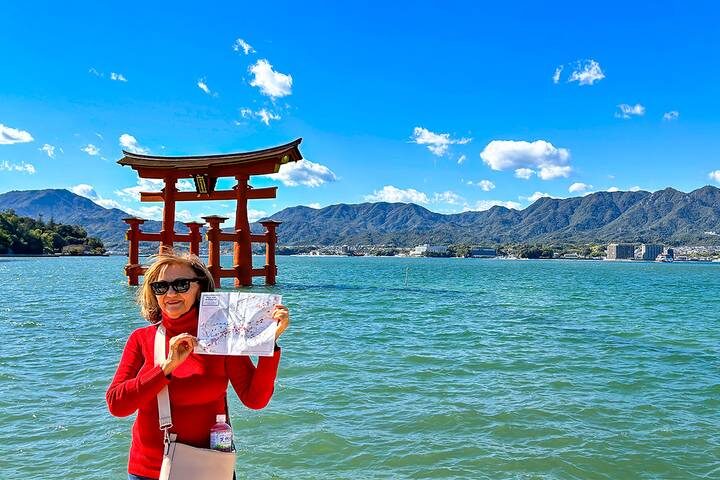
Day 7 is a long excursion from Osaka, with a bullet train ride of roughly an hour and a half each way. You travel to Hiroshima independently, meet a local guide, and take a boat to Miyajima Island. Itsukushima Shrine, a UNESCO World Heritage Site, is the island’s central stop.
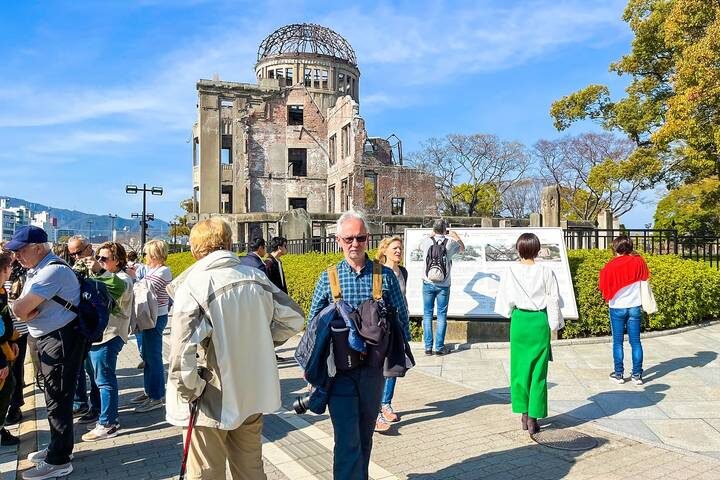
The day then turns to Hiroshima’s atomic-bomb history. At the Atomic Bomb Dome and Peace Memorial Park and Museum, photographs and artifacts document the destruction and its human consequences. This is not simply another sightseeing stop. Give yourself time to absorb the exhibits, and expect a serious, emotionally demanding visit.
Your guide provides the return train ticket, but you take the train back to Osaka by yourself and make your own way to the hotel. That handoff is important to understand before you book. The excursion covers two major places in one day, but the rail travel makes it a long one.
Kanazawa’s garden and old districts
On Day 8, you travel from Osaka to Kanazawa by train, changing at Tsuruga Station. The journey takes more than two hours in total, and the tickets are reserved. A local guide meets you at Kanazawa Station, takes you to the hotel, and later leads the sightseeing.
Kenroku-en is the day’s centerpiece. The traditional garden is designed around a pond, with pavilions and carefully arranged views that reward a slower walk. You also visit Higashichaya, the historic geisha district, and Nagamachi, the former samurai district. Together, these stops offer a welcome change of pace after several days of major city sights.
Kanazawa gets one night, so the visit is a sampler rather than a leisurely stay. If gardens and historic neighborhoods are high on your list, consider asking whether an extra night can be added.
Shirakawa-go’s thatched roofs, then back to Tokyo
Day 9 brings an early start and a bus ride of about an hour and a half to Shirakawa-go. The village is known for gassho-zukuri houses, whose steep thatched roofs are built to handle heavy snow. Wada House and Kada House provide a closer look at the traditional architecture.
The walk up to Ogimachi Castle Observation Deck is worthwhile for a broad view over the village, but it adds a climb to a day that already includes travel. Luggage can be left at Kanazawa’s bus station, and you handle it yourself throughout the trip. Ask hotel staff about sending luggage ahead if you would rather not carry it between stops.
After returning by bus to Kanazawa, you take the train to Tokyo. The guide sees you off at Kanazawa Station, but your transfer from Tokyo Station to the hotel is your responsibility. Day 10 is a free departure morning, and airport travel from central Tokyo takes about one to one and a half hours.
What the price includes, and what to check
The stated starting price is from $5,539 per person, based on the cheapest room and the 3-star hotel option. The package includes hotel stays, breakfast, English-speaking guides for scheduled visits, listed admission fees and planned public transport. International flights, other meals, personal expenses, visa fees and peak-season surcharges are extra.
You can ask about 4-star hotels, but confirm the added cost and the exact properties for your dates. The supplied hotel plan lists Tokyo, Kyoto, Osaka and Kanazawa, while one inclusion section also mentions Takayama even though the day-by-day route does not include an overnight there. It also calls the stay 10 nights, while the listed itinerary appears to have nine hotel nights. Ask the operator to confirm the number of nights and hotel locations in writing before paying.
Prices vary by departure date. The supplied 2027 examples range from $4,551 to $4,751 per person for selected March and April dates, with a stated group discount for four people. Those figures differ from the advertised starting price, so treat neither as a universal quote. Request a current total for your exact dates, room type and party size.
The value is strongest if you would otherwise spend considerable time planning train connections, guides and admission details yourself. The itinerary covers a lot, and the planned logistics make that breadth more manageable. It is less attractive if you want unstructured days, included lunches and dinners, or someone to escort you on every train and hotel transfer.
Past guide names on this route include Kaito in Tokyo, Ana and Kei in Kyoto, and Mickey, Yoko and Tomo on other trips. Assignments can vary, so do not book expecting a particular person. The consistent practical strength is local guiding on key sightseeing days; several tour accounts also describe guides adapting to families and sharing useful tips for independent time.
Who should book this Japan tour?
I would choose this tour if it is your first visit to Japan and you want one organized trip to connect the major sights, with a small group and local guides. It is especially suitable if you are comfortable navigating stations, carrying your own bags and taking some train rides without a guide beside you.
Think twice if your ideal holiday means lingering in one city, taking long breaks, or avoiding frequent hotel changes. The schedule is described as low intensity, but that does not mean little walking or short days. You cover a wide area in 10 days, and Hiroshima and the Hakone excursion are substantial outings.
Before booking, confirm your hotel category, total nights, exact price, arrival time and transfer arrangements. If those details suit you, this is a practical, wide-ranging introduction to Japan, with enough variety to show why the country is more than temples and city lights.
10 Days Classic Japan Super Mini Tour from Tokyo by Agate Travel
“The booking process was smooth and professional. The operator answered all my questions with patience and care. They also offered me many useful in…”
FAQ
What is the group size?
The group size is two to six people. The tour is guided in English.
What is included in the tour price?
The package includes hotel accommodation, breakfast, English-speaking guides for the specified itinerary, listed entrance fees and planned public transport. International flights, meals not listed, personal expenses, visa fees and peak-season surcharges are not included.
Are international flights included?
No. Flights are not included. You arrange your international flights independently.
Is airport pickup included on arrival in Tokyo?
A shared airport-to-hotel car transfer is included with an English-speaking assistant. If your flight arrives after 8:30 p.m., you need to arrange your own transport or book a private pickup separately.
Are 4-star hotels available?
Yes. The tour offers 3-star and 4-star hotel options. The stated price is based on 3-star hotels, so ask the operator for the 4-star price for your dates.
Do I need to take any trains without a guide?
Yes. Some train journeys are independent, including the train from Tokyo to Kyoto, the Osaka to Hiroshima return, the journey from Osaka to Kanazawa and the return from Kanazawa to Tokyo. Tickets are described as reserved and included for these legs.
Is luggage handled for me?
No. You handle your own luggage during the tour. The supplied information says hotel staff may be able to help arrange luggage delivery in advance.
Is Mount Fuji guaranteed to be visible?
No. The Hakone ropeway and Lake Ashi cruise offer opportunities to see Mount Fuji, but visibility depends on the weather.
How long is the tour, and where does it end?
The itinerary runs for 10 days, beginning and ending in Tokyo. You arrange your own transfer from Tokyo Station to the hotel after returning from Kanazawa, and your airport journey on departure day.
Is this tour suitable for wheelchair users?
No. The supplied tour information says it is not suitable for wheelchair users. It also lists the tour as unsuitable for people over 80.