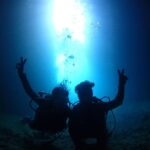
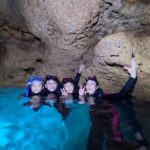
Onna’s Blue Cave is best known for a simple natural trick: sunlight entering the cave turns the water a startling blue. I like that you reach it by boat, so you avoid the long staircase, and that the guides provide your safety gear and stay with you in the water. For a first snorkel, that support matters.
I also like the included transfers from Naha or Chatan, a useful extra if you do not have a rental car. The trade-off is the time involved: the ride can take about an hour, while the actual time in the water is roughly 40 to 50 minutes. The cave can be crowded, and sea conditions can send the group to a different snorkel site.
- At a glance
- Why the Blue Cave is worth seeing
- From pickup to Maeganeku Port
- The boat ride and time in the water
- When the sea changes the plan
- What the facilities are really like
- Price and what you get for it
- Who should book this outing
- Should you book the Blue Cave trip?
- FAQ
- How long do you spend in the water?
- Is the Blue Cave visit guaranteed?
- Do I need to know how to swim?
- What should I bring?
- Are transfers included?
- Can children join?
- The Best Of Okinawa!
- More Snorkeling Tours in Okinawa
- More Tours in Okinawa
- More Tour Reviews in Okinawa
- Not for you? Here's more nearby things to do in Okinawa we have reviewed
At a glance
 1 / 3
 2 / 3
 3 / 3
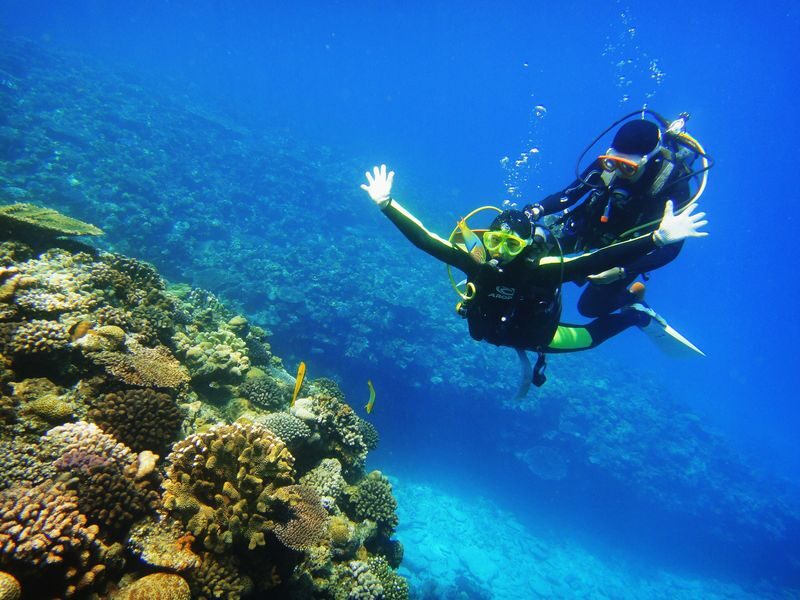
- The cave’s blue glow is the main event: Sunlight lights the water inside the cave, making it a striking place to snorkel or try a beginner scuba session.
- A boat takes you to the cave: The ride from Maeganeku Port is about 10 minutes, and boat entry avoids the 100-step staircase mentioned for the shore route.
- Plan on 40 to 50 minutes in the water: That is the stated activity window, though some outings may feel shorter when there is a queue or the group needs extra time.
- Transfers can simplify the day: Shared transport is available from Naha or Chatan, but total travel time can be substantial.
- The cave is not guaranteed: Rough seas, wind, or other safety concerns can mean snorkeling at a nearby location instead.
- Bring your own basics: You need swimwear, a towel, and a change of clothes. Lockers and photo or video services cost extra or are not included.

👉 See our pick of the 5 Best Tours In Okinawa
Why the Blue Cave is worth seeing
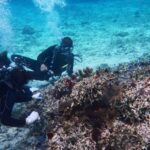
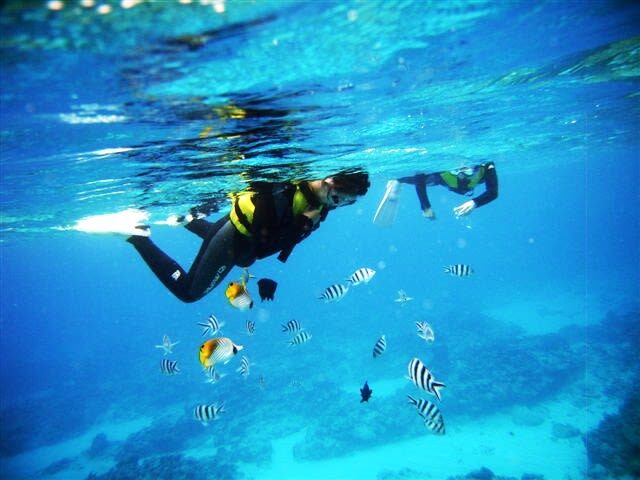
The draw is not a grand cavern with a long route through it. It is the contrast between the cave’s darker interior and the blue light on the water. As your eyes adjust, the color becomes easier to see, and the guides may point out places to take pictures. You could also spot fish such as angelfish, along with other sea life. Eagle rays are possible, but wildlife sightings are never promised.
That focused setting makes the trip appealing if you want a memorable first look at Okinawa’s underwater world without spending a full day at sea. It also explains one common disappointment: the cave can be crowded, especially around the photo spots. Expect a shared activity, not a quiet, private visit.
If you want a wider range of marine life or a longer outing, this may feel brief. The cave is the centerpiece, and the water time is limited. A nearby alternative can still offer clear water and fish, but it is not the same as seeing the cave’s blue glow.
You can also read our reviews of more snorkeling tours in Okinawa


From pickup to Maeganeku Port
The experience is sold with pickup options in Naha and Chatan. Your exact pickup time is confirmed after booking, and the transport is shared, so the vehicle may arrive early or late. Traffic can affect the schedule. In some cases, the route goes through American Village; if there are no passengers boarding there, the vehicle may head directly from Palette Kumoji to Maeganeku Port.
The drive matters when you weigh the value. A ride of about an hour each way can make the outing feel like a half-day commitment, even though the boat trip itself is short. On the other hand, if you are not renting a car, having transportation arranged removes the work of getting to the port and back. The route may also include a stop at Onna no Eki Nakayukui Market, a roadside market. Treat that as a scheduled stop rather than a separate market tour.
At the port, staff explain the activity and help you prepare. You will use the provided safety equipment, including a life jacket, which is mandatory. Equipment and instructor fees are included, as are boat transport and insurance provided by the operator. Wetsuits are included outside June through October, so bring suitable swimwear for the season and check what you will wear before setting out.
The staff may speak Japanese, English, or Chinese, depending on availability. The service is limited to Japanese and English for safety communication, and you must be able to communicate in at least one of those languages. Do not assume your preferred language will be available just because you select it during booking.
The boat ride and time in the water
The boat ride from Maeganeku Port takes about 10 minutes. It is a short crossing, but it gets you to the cave without hauling equipment down the 100-step staircase. That makes the boat-entry option especially useful for families with young children or anyone who would rather not manage gear on a steep stairway.
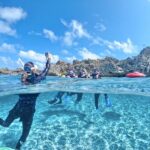
Once you arrive, the guide leads the group into the water. The stated activity time is about 40 to 50 minutes, with snorkeling time described elsewhere as 40 to 45 minutes. The exact feel of that window depends on conditions, group pace, and how busy the cave is. People who want long, unhurried time underwater should keep expectations modest.
For snorkeling, you do not need to be a strong swimmer, and swimming skill is not listed as a requirement. Guides provide high-standard safety gear and supervision, and participants must keep their life jackets on. That setup can make the outing more approachable if you are nervous or new to snorkeling. It is still a water activity, so follow instructions and be honest about your comfort level.
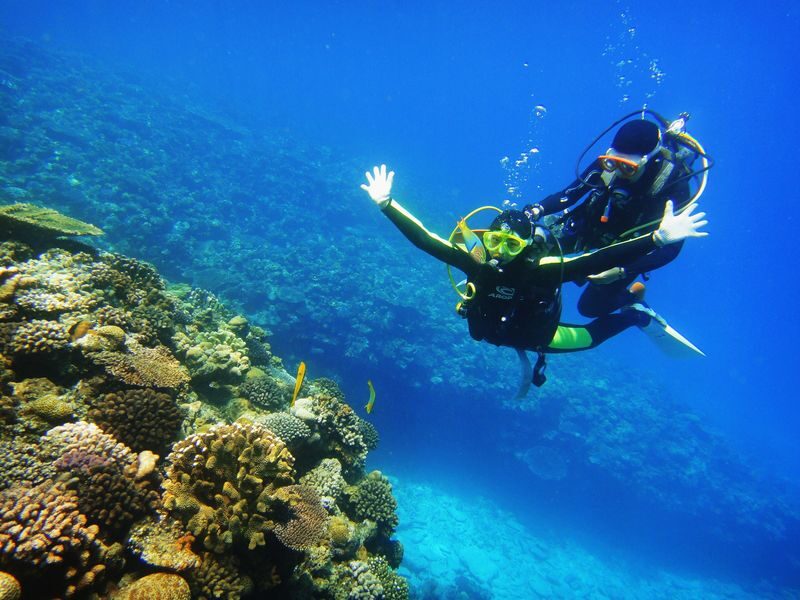
The beginner scuba option gives you a different way to see the cave and its marine life. It includes an instructor and the required equipment, but the details of instructor-to-participant ratios can vary. If close one-on-one attention is important to you, ask about the arrangement before booking rather than assuming every beginner will have a private instructor. Some sessions have been led by instructors such as Erica, who was praised for clear instructions and checking in with a first-time participant. Staff names and assignments can change.
When the sea changes the plan
The Blue Cave is not guaranteed, even if the weather looks pleasant from shore. Wind direction, waves, and safety assessments can prevent entry. If that happens, the operator may move the group to a nearby snorkeling site instead. There, you may still see fish in clear water, but you should not expect the cave itself. The activity information says there is no refund or compensation for this safety-related change.
Rain alone does not always stop the outing. If the waves are calm, snorkeling may still go ahead in rainy conditions. Sea state, not just sunshine, is the key factor. If you are prone to motion sickness, take travel sickness medicine about an hour before the activity; none is sold at the site.
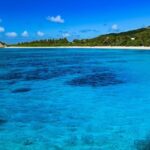
The alternative site can be a worthwhile outing in its own right, with fish and clear water, but it is a different experience. If your main reason for booking is the cave’s blue light, understand that weather can change the destination. If you mainly want guided time in Okinawa’s sea, you may be more flexible about the change.
What the facilities are really like
After the water session, you return to Maeganeku Port to rinse off and change. Simple shower and changing facilities are provided, but do not picture a full-service spa or a row of private bathrooms. The rinse may be a hose, and changing spaces may be simple tents. They do the basic job, but they are not a reason to book.
Bring your own towel and a change of clothes. You must have them to board the return shuttle, and you will also want a bag for wet swimwear. Towels, lockers, and luggage storage are not included; there is no luggage storage at the venue, so leave suitcases behind. Keep valuables to a minimum. Photos and videos are also separate from the package. Some guides have taken pictures for participants, with photo packages offered for an additional fee, but do not count on complimentary images.
Wear your swimsuit to the shop, and bring sunscreen and water-friendly shoes or flip-flops. You may want to bring a plastic bag for wet clothes. Food and drinks are not included, so plan around the schedule if you need a meal.
You can also read our reviews of more scuba diving tours in Okinawa


Price and what you get for it
Prices start at $66.99, with separate packages for boat-entry snorkeling and beginner scuba. The price applies equally across ages, so check the selected activity and its age rules carefully before paying. Do not assume the lower-cost option is the scuba session. The two packages are distinct, and choosing the wrong one can be an expensive misunderstanding.
The fee makes the most sense if you value a boat ride, equipment, instruction, insurance, and round-trip transfers as one package. It is particularly useful if you are staying in Naha or Chatan without a car. If you are already nearby and have your own transport, compare the price with other local options and check exactly what each includes.
The main value is convenience and guidance, not a long session. You are paying to get to the site, use the necessary gear, and have staff manage safety and logistics. If you want hours in the water, a larger marine area, or a more private experience, look for a longer trip. If you want a manageable introduction to Okinawa snorkeling and the possibility of seeing the Blue Cave, the package can be good value.
Who should book this outing
I would consider this for a first-time snorkeler, a family with eligible children, or anyone without a rental car who wants a guided water activity. The guides’ hands-on support is one of the trip’s strengths. Past outings have included patient instruction for nervous beginners, and some groups have had close supervision in the water. Still, staffing and group size can vary, so ask ahead if you need a particular level of support.
The age rules need careful attention. Participants must be at least 6 to join the activity. For snorkeling, people aged 0 to 5 and those aged 59 or older are not allowed; children aged 5 to 12 must be accompanied by a paying adult, so confirm eligibility if you are booking for a five-year-old. Minors under 18 need a legal guardian’s signature. The scuba package has its own conditions, so confirm those directly before booking.
This is not suitable for people with claustrophobia. It also excludes participants with a range of medical conditions, including pregnancy, circulatory or respiratory disease, high blood pressure, epilepsy, diabetes, liver disease, and some mental health conditions. Regular long-term medication, alcohol use, or a hangover can also prevent participation. If you have limited mobility or any health concern, ask the operator before booking. Staff can refuse participation on the day, and a refund is not guaranteed when health rules prevent you from joining.
There are also stated weight limits of up to 80 kg for female participants and 100 kg for male participants. If your declared weight is close to the limit, or staff believe it may be inaccurate, they may check it on site. Anyone over the limit cannot participate and will not receive a refund. These are firm practical details, not fine print to leave until the port.
Should you book the Blue Cave trip?
Book it if you want a guided, relatively short introduction to snorkeling, value transport from Naha or Chatan, and are comfortable with the chance that weather may change the site. The boat entry, included gear, and attentive instruction can make it a straightforward choice for beginners.
Think twice if you expect a long session, polished changing facilities, guaranteed entry to the cave, or a quiet spot for photos. The best way to enjoy this trip is to treat the Blue Cave as the hoped-for highlight, not a promise, and to pack for a simple rinse-and-change afterward. Before paying, confirm whether you want snorkeling or beginner scuba, check the age and health rules, and make sure the selected pickup time and location work for you.
Okinawa Onna Village Blue Cave Snorkeling & Scuba Diving Experience
“The weather was great, the Okinawa snorkeling was safe, the sea was crystal clear, and it was the best experience ever. Highly recommended!”
FAQ
How long do you spend in the water?
The stated time is about 40 to 50 minutes. Snorkeling is also described as 40 to 45 minutes, though the time may feel shorter if the cave is crowded or conditions affect the schedule.
Is the Blue Cave visit guaranteed?
No. Waves, wind direction, or other safety concerns can make entry impossible. The group may snorkel at a nearby alternative site instead, with no refund or compensation for that change.
Do I need to know how to swim?
Swimming skill is not required according to the activity information. A life jacket is mandatory, and guides provide safety equipment and supervision.
What should I bring?
Bring swimwear, a towel, sunscreen, a change of clothes, and flip-flops or water-friendly shoes. You must bring a towel and dry clothes to board the return shuttle.
Are transfers included?
Round-trip shared transfers are included for the Naha or Chatan pickup options. Pickup times are confirmed after booking, and traffic may cause delays.
Can children join?
Participants must be at least 6 years old. Children aged 5 to 12 must be accompanied by a paying adult, but snorkeling is not allowed for participants aged 0 to 5 or aged 59 and above. Minor participants need a legal guardian’s signature.