Kintsugi turns breaks into part of an object’s story. At this Shibuya workshop, you work with ceramic pieces and gold powder to make a small accessory or ornament, rather than repairing a bowl or other full-size pot. You leave with your own finished piece, wrapped to take home.
I like two things here: the project gives you a tangible introduction to Kintsugi, and instructors such as Casey and Jay have been praised for clear explanations and friendly help. The main catch is expectation: this is accessory making inspired by Kintsugi, not a long traditional pottery-repair course, and the title’s promise of green tea may not mean a drink is included.
At a glance
- Make an accessory, not a bowl: Choose a small project such as a ring, hair accessory, magnet, or decorative piece.
- Hear about Kintsugi as well as try it: Instructors have included a brief history and explanations of the process.
- English-language help is included: English-speaking staff are part of the package.
- You take your work home: Finished pieces have been individually wrapped for participants.
- Check the venue details closely: The meeting point is listed as 雑煮屋鳥居 at 2-8 Uguisudanicho, Shibuya, and the entrance may be down narrow stairs.
- Allow for a price mismatch: The experience is shown from $27.65, while the named workshop package is listed from US$39.50.

👉 See our pick of the 25 Best Guided Tours In Tokyo
- At a glance
- A Kintsugi idea, scaled down for a wearable keepsake
- Beginning with the story behind the gold
- Choosing fragments and shaping a small project
- Working with ceramic pieces and gold powder
- A relaxed break from Shibuya’s pace
- Finding 雑煮屋鳥居 before class
- What the price buys, and what it does not
- Who will enjoy this workshop most
- Should you book the Shibuya Kintsugi workshop?
- FAQ
- What will I make in the workshop?
- Will I repair a bowl or other full-size piece of pottery?
- Is green tea included in the price?
- Where is the meeting point?
- What is the minimum age?
- Can I cancel for a refund?
- The Best Of Tokyo!
- More Workshops & Classes in Tokyo
- More Tours in Tokyo
- More Tour Reviews in Tokyo
- Not for you? Here's more nearby things to do in Tokyo we have reviewed
A Kintsugi idea, scaled down for a wearable keepsake
 1 / 9
 2 / 9
 3 / 9
 4 / 9
 5 / 9
 6 / 9
 7 / 9
 8 / 9
 9 / 9
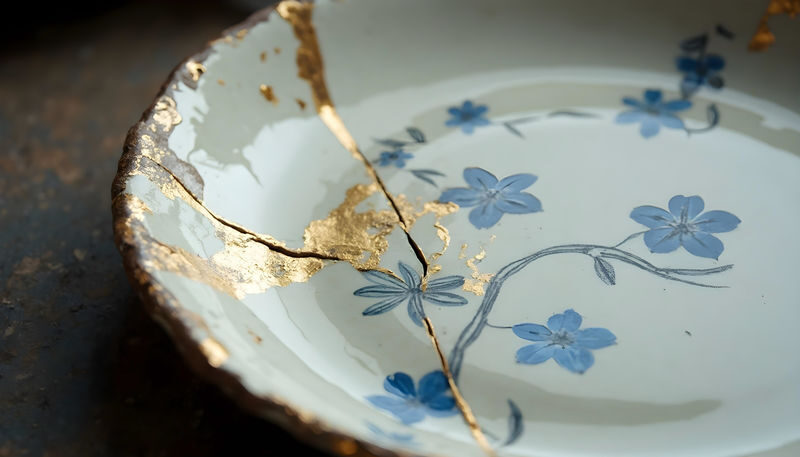
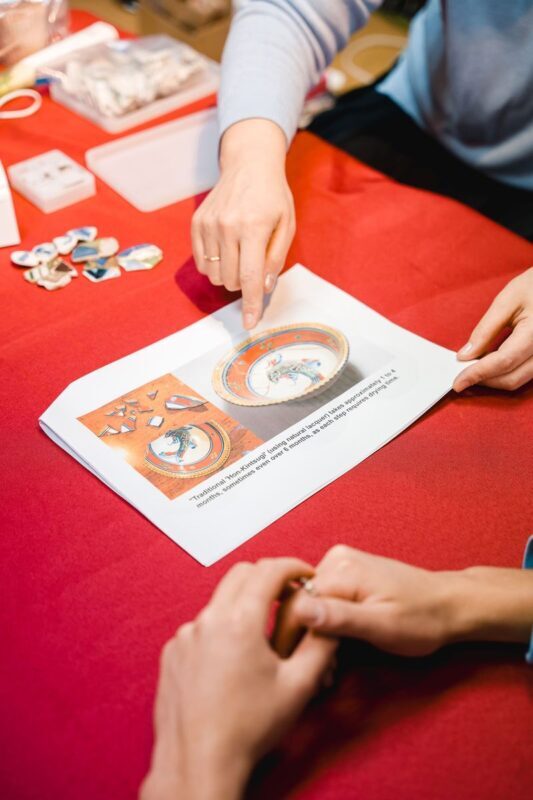
Kintsugi is often described as golden repair: broken pottery is mended, and the visible joins become part of its beauty rather than something to hide. The idea behind this workshop is accessible and appealing. You get to handle ceramic fragments and use gold powder in a small creative project, with an instructor explaining the technique and its meaning.
It is important to understand the scale before booking. You are not expected to bring a damaged bowl or leave with a repaired piece of tableware. One participant arrived hoping to make a dish, only to find that the class focused on small accessories and ornaments. A larger pottery repair can take months, so this session is better understood as a hands-on introduction than a complete course in traditional restoration.
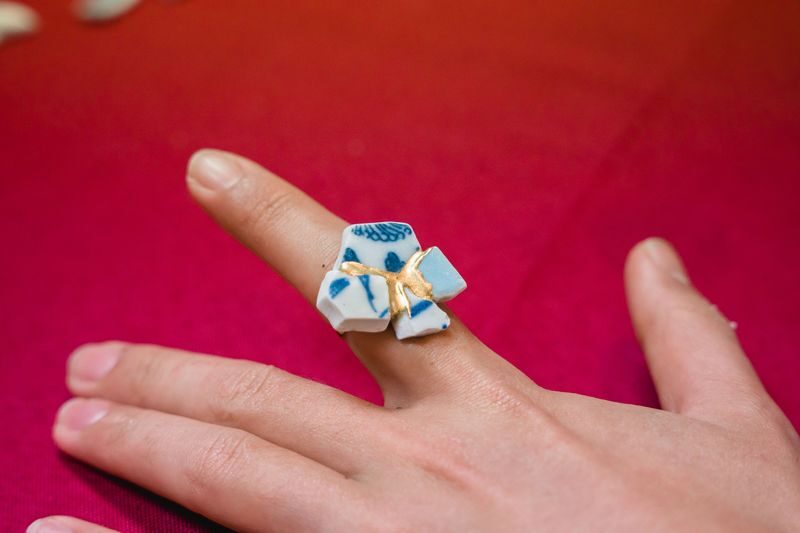
That distinction does not make the project less worthwhile. A ring, magnet, hair tie, chopstick rest, or small ornament can still give you a feel for the visual process and the notion that a repair can add character. Just book for the experience you will actually get: a compact craft session with a finished keepsake, not a full pottery restoration.
You can also read our reviews of more tours and experiences in Tokyo


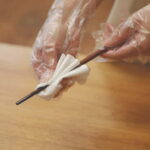
Beginning with the story behind the gold
The session is described as starting with an introduction to Kintsugi, including its philosophy and the basic technique of bonding ceramic fragments and finishing them with gold powder. Instructors have included Casey, Jay, and Mariko. Participants have particularly valued instructors who explain the process clearly, share a little history, and make the class easy to follow in English.
That short context matters. Without it, the work could feel like decorating a scrap of china. With even a brief account of Kintsugi’s approach to breakage and repair, the gold line has a reason to be there: the mark is not simply covered up, but made visible as part of the object’s story.
The teaching style may vary from session to session. Some classes have been described as informative and engaging, while one critical account found the explanation brief and the instruction less structured than expected. If you want a formal lesson with detailed technique, ask the organizer what the current class covers before booking. If you mainly want a creative activity and a friendly introduction, the format may suit you well.
Choosing fragments and shaping a small project
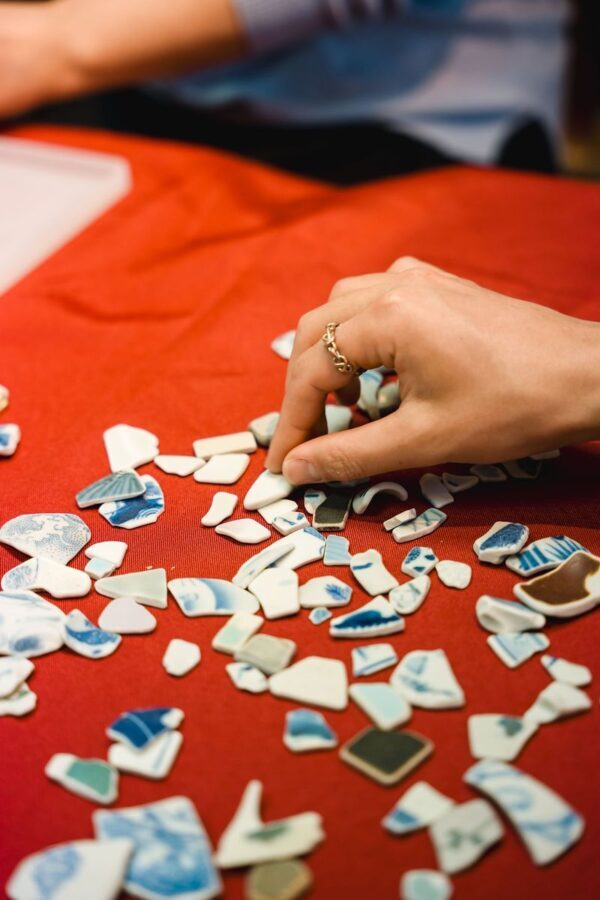
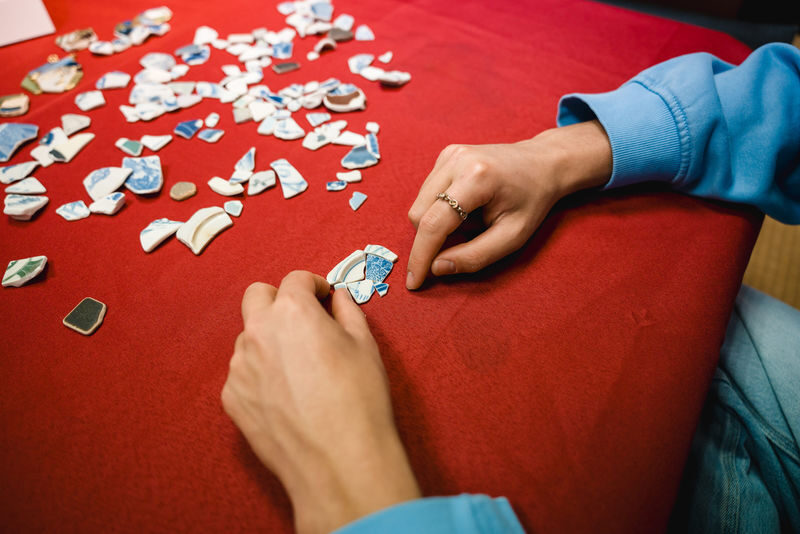
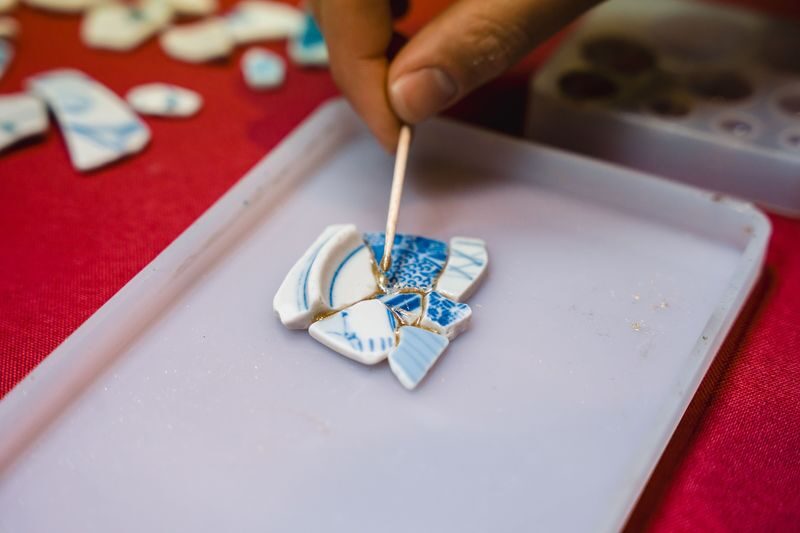
After the introduction, you shift from traditional pottery repair to making a compact piece of wearable art or a home accent. There may be a selection of ceramic fragments to choose from, then you decide how to arrange them and what kind of item to make. Participants have created hair accessories, magnets, and small rests for chopsticks, with different results even when using the same materials.
This open-ended element is part of the fun. You are not simply following a template to produce a row of identical souvenirs. You make choices about the fragments and the final form, so two people at the same table can leave with very different objects. The trade-off is that the finished piece is small. One account put the maximum size at roughly five centimeters in diameter, so don’t picture a large decorative plate.
The available object or accessory choices may depend on the session. The activity description refers to rings, hair accessories, and decorative ornaments, while participants have also made magnets and chopstick rests. Treat those examples as a sense of the project’s scale, not a guarantee that every option is offered every time. If you have your heart set on one particular item, check with the provider first.
Working with ceramic pieces and gold powder
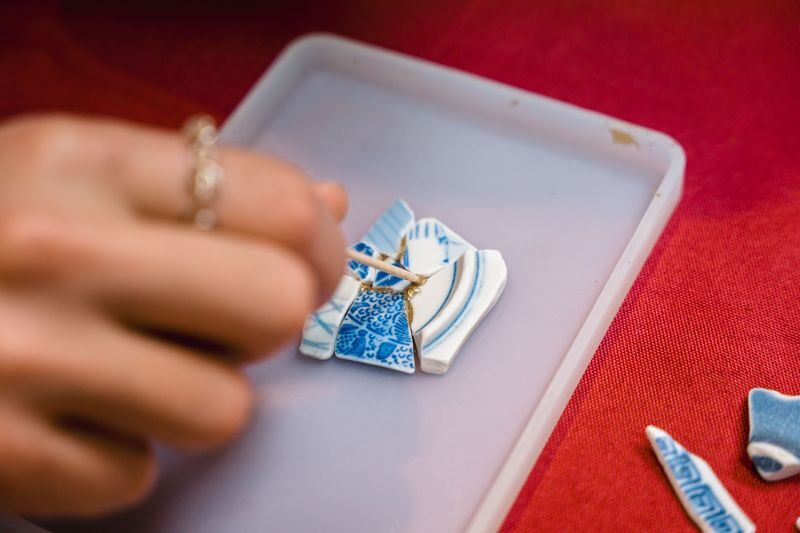
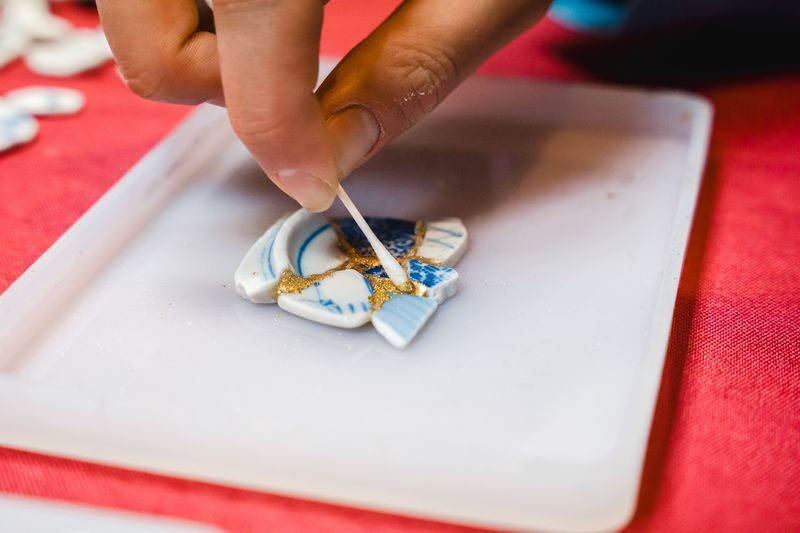
The hands-on portion gives you a chance to bring fragments together and finish the joins with gold powder. The process is simple enough for a beginner to try under guidance, but it also gives you a glimpse of the care involved in repair work. You will be making a small object in a workshop setting, not learning every stage of a professional Kintsugi restoration.
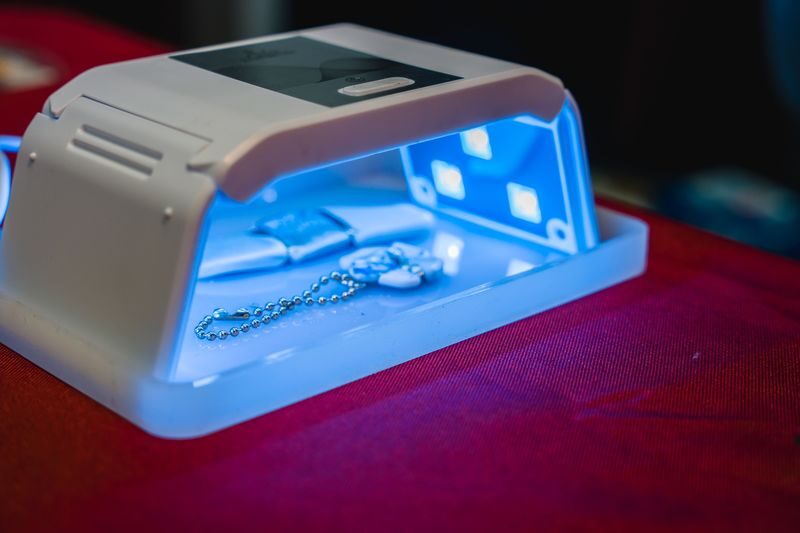
That is a useful difference to keep in mind. The slow, traditional repair of a useful vessel is not what this short-format activity promises. Instead, you get to work with the look and idea of golden repair in a manageable project that can be completed during the class. The result is a personal souvenir, and your own choices give it meaning beyond something bought from a shop.
The activity is open to participants aged seven and older, and families have found the creative format engaging for children. One parent found it suited a ten-year-old’s attention span. Still, each child’s patience and comfort with hands-on craft will differ, and a small-scale project is likely to be a better fit for a younger participant than an extended technical lesson.
A relaxed break from Shibuya’s pace
This is a quieter kind of Tokyo activity: time at a table, a small project, and a chance to focus on something tactile. The workshop takes place in Shibuya, so it can add a craft stop to a day in the area without requiring a trip far outside Tokyo. Exact class duration is not provided, so don’t build a tightly timed itinerary around an assumed start-to-finish length.
The experience title mentions drinking green tea, but the included items list English-speaking staff and tax, not a beverage. Some participants have ordered matcha, tea, or a soft drink during class and found the drinks affordable, while another expected tea and did not receive it. I would treat a drink as something to ask about or order separately, rather than a guaranteed inclusion.
The atmosphere and setup are not described consistently. Many people have enjoyed the friendly, informal feel, but one account found the space and instruction different from expectations. If you need a polished studio setting or a highly structured lesson, confirm the format and venue before paying. If you are comfortable with a simple, hands-on class, the focus is more on making something than on elaborate surroundings.






Finding 雑煮屋鳥居 before class
The listed meeting point is 雑煮屋鳥居, at 2-8 Uguisudanicho, Shibuya, Tokyo 150-0032. The entrance has been described as easy to miss, with narrow stairs leading down. Give yourself time to locate it, and check the precise meeting instructions on your mobile voucher before setting off.
There has been confusion around the venue information, including a reported change to the meeting point and difficulty reaching staff when someone arrived at an earlier location. This is a practical point worth taking seriously: don’t rely on an old screenshot, a map pin alone, or details saved while comparing activities. Recheck the current voucher and any messages from the organizer on the day.
Transport and hotel pickup are not included, so you need to make your own way there. The address is in Shibuya, but no specific station, walking route, or transit instructions are provided here. If the directions seem unclear, contact the provider in advance rather than waiting until you are already at the wrong place.
What the price buys, and what it does not
The experience is advertised from $27.65, while the specific Kintsugi Accessory Making Workshop package is listed from US$39.50. Those figures do not match, so check the final price for your date and package at checkout. The price is most attractive if you value the instruction, materials, and a finished handmade keepsake as one small activity.
This is not a bargain way to repair a large piece of pottery, because that is not the project. You are paying for a guided introduction and a short creative session, with the value resting on the chance to make something yourself and learn why the golden joins matter. If you want a complete, technical course, you may find the format too light. For a family activity or a hands-on pause between city sights, the cost can make sense.
English-speaking staff are included, as are taxes. Transport, accommodation, hotel pickup and drop-off, personal expenses, and tips are not included. Because drinks are not named among the included items, budget for one separately if you want it.
Who will enjoy this workshop most
I would recommend this activity to curious beginners, families with children aged seven or older, and anyone who wants to make a small personal souvenir rather than shop for one. It also suits people drawn to Japanese craft but short on time for a longer class. The compact project makes the subject approachable, and the explanation helps connect the gold finish to the idea behind Kintsugi.
It may not suit you if you expect to repair your own bowl, learn every stage of traditional restoration, or take home a large object. It is also not recommended for people with heart disease or asthma. If you have a specific accessibility or health concern beyond those stated, ask the organizer directly, as further details are not provided.
Should you book the Shibuya Kintsugi workshop?
Book this if you want a friendly, creative introduction to Kintsugi and are happy to make a small accessory or ornament. The strongest reasons to go are the hands-on format, the chance to leave with a piece you made yourself, and instructors such as Casey, Jay, and Mariko who have been praised for their warmth and explanations.
Pause before booking if your main goal is a repaired bowl, a rigorous technical class, or a guaranteed tea service. Confirm the exact price, project options, drink arrangements, and current meeting point. With those expectations in order, this can be a worthwhile craft break in Shibuya. If you want the full, slow practice of restoring pottery, choose a longer course instead.
Tokyo: Kintsugi Accessory Workshop in Shibuya
“This was a lovely craft session with Casey being an excellent host with brilliant English. We ordered a drink to enjoy during our class. Our host w…”
FAQ
What will I make in the workshop?
You make a small accessory or decorative piece using ceramic fragments and gold powder. Examples include rings, hair accessories, magnets, and chopstick rests, though the available choices may vary.
Will I repair a bowl or other full-size piece of pottery?
No full-size pottery repair is described as part of this workshop. The class focuses on small accessories and ornaments.
Is green tea included in the price?
The activity title mentions green tea, but the included-items list names English-speaking staff and tax, not a drink. Confirm with the provider if having tea is important to you.
Where is the meeting point?
The meeting point is listed as 雑煮屋鳥居, at 2-8 Uguisudanicho, Shibuya, Tokyo 150-0032. Check your current mobile voucher for the exact instructions, as venue information has caused confusion.
What is the minimum age?
Participants must be at least seven years old.
Can I cancel for a refund?
A full refund is available if you cancel at least 24 hours before the activity date, using destination local time.