Tokyo makes more sense from a bike than from a train window. In three hours, this guided ride connects the Imperial Palace area with Shibuya and other city sights, giving you a broad look at streets and corners you might skip between station platforms. I especially like the mix of historic landmarks and everyday neighborhoods, plus the chance to see a lot without spending half the day walking.
I also like that the tour can suit different energy levels: some departures offer regular cross bikes, while others include e-bikes. Guides such as Naoki, Show, Irene, and Atsushi have led English-language rides, and their local tips can add welcome context to the stops.
The main trade-off is that this is a bike tour first, history lecture second. You’ll cover ground at a steady pace, and the amount of explanation at each stop can vary. Tokyo traffic, pedestrians, rain, and the size of an available e-bike are worth considering before you book.
Key points to know
- Three hours links the Imperial Palace area with Shibuya, a useful way to connect sights across a large city.
- Some rides cover about 20 kilometers, though route details and exact stops can vary.
- E-bikes and cross bikes are both mentioned, so check which option applies to your selected departure.
- Guides including Show, Naoki, Irene, and Atsushi have led tours, with English-speaking guides noted on multiple rides.
- Stops can include photo opportunities and short cultural explanations, but this is not a long-format history tour.
- The ride needs punctuality and decent weather: late arrivals of five minutes or more are not eligible for refunds.

👉 See our pick of the 25 Best Guided Tours In Tokyo
- Key points to know
- From the Imperial Palace area toward Shibuya
- What the stops add to the ride
- A brisk ride, not a slow sightseeing stroll
- The guide can make the difference
- Is .20 a fair price?
- Who should book this Tokyo ride?
- Booking details to check before you go
- Should you book it?
- FAQ
- How long is the Tokyo Imperial Palace and Shibuya bike tour?
- What is the starting price?
- Does the tour include an e-bike?
- How far do you ride?
- Does the tour visit the famous Shibuya crossing?
- Is the tour guided in English?
- Can I cancel for a full refund?
- What happens if the weather is severe?
- What happens if I arrive late?
- The Best Of Tokyo!
- More Cycling Tours in Tokyo
- More Tours in Tokyo
- More Tour Reviews in Tokyo
- Not for you? Here's more nearby things to do in Tokyo we have reviewed
From the Imperial Palace area toward Shibuya
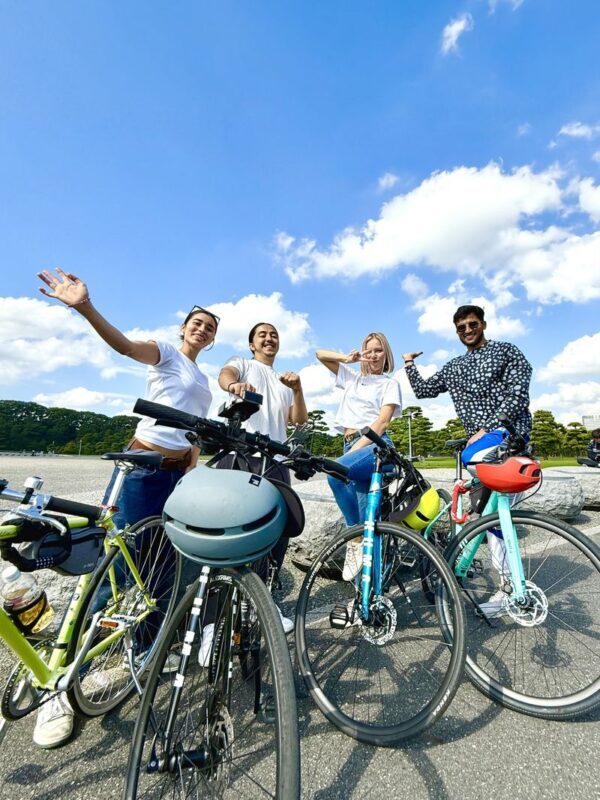
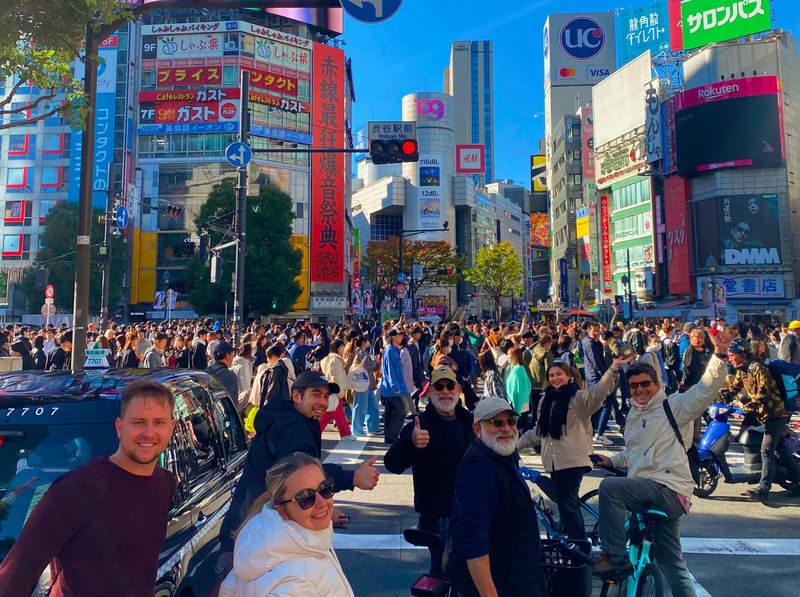
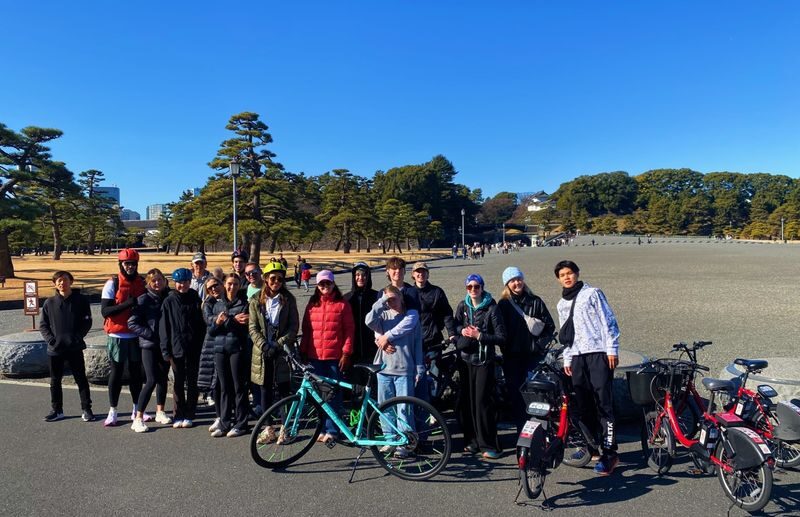
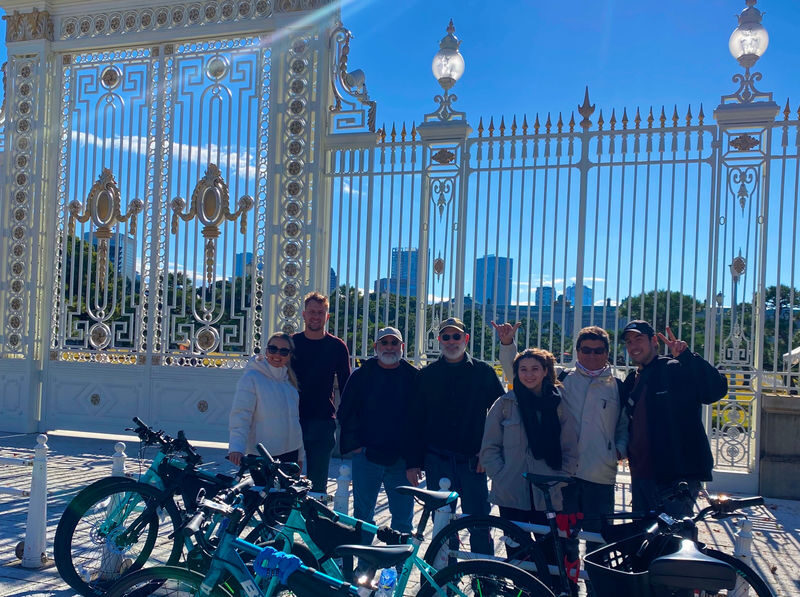
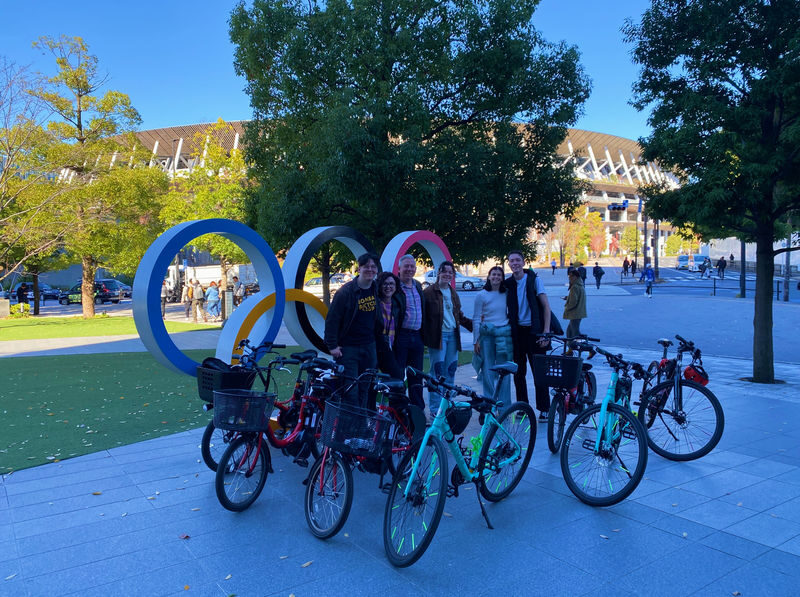
The Imperial Palace is a fitting start or focus for a Tokyo ride. Its broad grounds and historic role offer a different view of the city from the close-packed streets most first-time visitors see around major stations. Reaching the area by bike also makes the scale of central Tokyo easier to grasp than hopping between isolated sights on a train.
The tour is described as a three-hour route through historic sites, with Shibuya as a key destination. You should think of it as a moving introduction rather than a series of long visits inside attractions. The bike helps connect the dots, while short stops let you take photos and hear why a place matters.
The route can include varied parts of the city. Past rides have taken in Ochanomizu, riverside stretches, a Zen garden, and smaller streets or alleys. Some itineraries have reached as many as eight points in three hours, but don’t assume every departure visits the same places. Police cordons, crowd levels, weather, or the guide’s route choices can change the ride.
That variety is part of the appeal. Tokyo can feel like a set of separate districts when you move only by subway. On a bike, you get the transitions between them: a quieter street, a riverside path, a busy crossing, then a historic site. You see how the city changes block by block.
You can also read our reviews of more cycling tours in Tokyo



What the stops add to the ride
The Imperial Palace area supplies the historical anchor. The palace grounds are not simply another photo stop: they help set the scene for Tokyo’s changing political and urban story. Still, this tour does not promise an extended palace visit or a detailed guided tour inside the grounds. Expect a stop and an explanation, not a full museum-style session.
Shibuya adds a sharp contrast. The district is known for its famous crossing and its busy urban pace, and the tour has included walking bikes across the crossing. That small detail matters: the guide can manage the group through a crowded spot rather than asking you to pedal through it. It also lets you experience the crossing at street level, where the scale of the crowds is clearer.
One unusual cultural stop mentioned on a ride is the grave of Hachiko, near the grave of Professor Hidesaburo Ueno. It offers a more personal angle on the familiar Hachiko story than a quick photograph by the statue. Since route plans can vary, treat this as a possible detail rather than a guaranteed stop.
Other rides have included a local market snack, time for refreshments, and a Zen garden. These pauses make a three-hour outing feel less like a continuous workout. If you enjoy small encounters and unexpected corners, they may be as memorable as the headline sights.
I would keep your expectations measured about depth. Guides have been praised for sharing Japanese history and culture, answering questions, and offering local recommendations. But the ride moves on, and some explanations may be brief. If your main goal is a thorough account of Tokyo’s history, pair the bike tour with a museum or a specialist walking tour.
A brisk ride, not a slow sightseeing stroll
One rider estimated a route of about 20 kilometers, mostly flat. That gives you a useful sense of the pace, though the exact distance may differ by route. You’ll spend a substantial part of the three hours cycling, so this is a better choice for someone comfortable staying active than for someone hoping to linger at every landmark.
The city’s flat stretches make a regular bike manageable for many people. One rider found the standard bike a pleasant challenge and felt an e-bike was not essential. Others strongly preferred the e-bike because it made the ride smoother and less tiring. Your choice depends on how much energy you want to save for the rest of the day.
E-bikes have a practical advantage if you are not used to cycling, want help keeping pace, or simply prefer to arrive fresh. There is one useful sizing caveat: a rider over six feet found the available e-bike small. If bike fit matters to you, ask the operator about the frame options before booking rather than assuming a choice of sizes.
The ride also involves real city conditions. Guides have led groups on pedestrian lanes and roads, shifting between them when sidewalks became crowded. Some riders felt safe with guides managing traffic, while another suggested avoiding busy footpaths when pedestrian numbers rise. You should stay alert, follow the guide’s directions, and be comfortable sharing urban space.
The guide can make the difference
The strongest part of this outing is often the guide’s presence. Names that have come up on past rides include Show, Naoki, Irene, Atsushi, Ken, Kose, and Casey. The guide assigned to your departure may be different, but the reports point to a team with several English-speaking hosts.
The best guides do more than lead the line. They set a sensible pace, answer questions, offer photo stops, and adjust when conditions change. One guide, KG, offered to reschedule when rain turned to snow and the group was cold and wet. Another group continued in the rain and still had an enjoyable ride. That’s a reminder that weather can shape the experience, and a flexible guide matters.
You’ll get the most from the tour if you ask questions as they occur to you. The stops may provide only a short introduction, so specific questions can turn a quick pause into a more useful exchange. If you arrive without much background on Japan, consider reading a little about the palace, Shibuya, and the Hachiko story first. That context helps you make better use of each stop.
Guides have also taken photos and suggested other places to visit. These touches are helpful, especially if this is your first day in Tokyo and you want a quick orientation. But the tour’s value depends partly on the guide’s style and the group’s questions, so the depth of the commentary is not entirely predictable.
Is $59.20 a fair price?
The listed starting price is $59.20 for a three-hour guided ride. For that amount, you are paying for a way to cover ground, the bike tour format, and a guide who can give you context while navigating the city. It can be good value if you want to see several areas in one outing and enjoy cycling.
The value is less clear if you mainly want a detailed history lesson or long visits at individual landmarks. One rider felt the price was high for the amount of information provided, while others considered the trip a highlight of their Tokyo stay. Those reactions make sense: the tour offers movement and breadth more reliably than deep interpretation.
Think of the cost against your alternatives. Walking between far-apart districts would take much longer, while trains move you efficiently but reveal little of the streets in between. A bike gives you a middle ground: a guided overview with more street-level detail than public transport and more reach than a short walk.
Check the selected package carefully. The experience information refers to cross-bike and e-bike tours, and the ride you book may determine the bike type. If you are tall, prefer electric assistance, or want a more active ride, that distinction can affect the value for you.
You can also read our reviews of more guided tours in Tokyo


Who should book this Tokyo ride?
I’d recommend the tour to first-time visitors who want an orientation early in their stay. You can see how central districts connect, spot places to revisit, and get a feel for the city beyond its stations. Several people have used it as a first-day activity for exactly that reason.
It also suits active families with teenagers, couples, and solo cyclists who are comfortable riding in a group. A family with teen children enjoyed the outing, and younger riders have found the activity fun. If you are travelling with children, consider their stamina and confidence around traffic before you choose a bike tour.
Repeat visitors may find new corners, too. A ride can pass through a market, riverside area, or neighborhood street that is easy to miss on a routine sightseeing plan. But if you have limited interest in cycling, want a slow pace, or expect detailed historical commentary at every stop, a walking tour may fit better.
Weather deserves a final thought. The operator can cancel for extreme weather and offer a new date or refund, but light rain may not automatically stop the outing. Bring clothing suited to the forecast, and decide whether you’re happy riding in wet conditions. If the weather turns severe, the operator reserves the right to cancel.
Booking details to check before you go
The experience offers instant confirmation and allows booking for the same day when places are available. Free cancellation is available with at least 24 hours’ notice, based on local time. If you take part in any activity or use a ticket, refunds cannot be issued; late arrivals of five minutes or more and no-shows are also excluded from refunds.
Arrive early enough to find the meeting point and get ready without rushing. One rider appreciated a guide waiting when they struggled to locate the start, but you should not count on extra waiting time: the stated late-arrival rule is strict.
The tour’s starting point and finish can matter for your plans. One ride was described as starting at one location and ending in Shibuya, and a guide changed a group’s destination to Tokyo Station. Confirm the end point for your departure if you have a dinner booking, a train to catch, or luggage to collect.
Should you book it?
Book this if you want to cover more of Tokyo in three hours, enjoy cycling, and value a guide’s local perspective. The combination of palace-area history, neighborhood streets, and a Shibuya finish can give you a useful first impression of the city. I’d choose an e-bike if you want to conserve energy, and a cross bike if you prefer a straightforward ride and feel comfortable pedaling.
Skip it if you want a slow, detailed history tour or dislike cycling near pedestrians and traffic. The route can be a memorable way to see Tokyo, but its strongest value is the distance and variety it delivers, not an exhaustive account of every site.
Tokyo Imperial Palace & Shibuya Bike Tour with Guide
“Great bike tour through Tokyo! Atsushi was an enthusiastic guide and made the tour unforgettable. 🇯🇵🇯🇵”
FAQ
How long is the Tokyo Imperial Palace and Shibuya bike tour?
The tour lasts three hours.
What is the starting price?
The price is listed from $59.20. The final cost may depend on the package you select.
Does the tour include an e-bike?
E-bike and cross-bike options are mentioned for this experience. Check the details for your selected package to confirm which bike is included.
How far do you ride?
One reported ride covered about 20 kilometers on a mostly flat route. Distance may vary by itinerary.
Does the tour visit the famous Shibuya crossing?
The ride has included Shibuya, and one group walked its bikes across the famous crossing. Exact stops can vary.
Is the tour guided in English?
English-speaking guides have led rides, including guides described as fluent in English. The guide assigned to your departure may vary.
Can I cancel for a full refund?
You can receive a full refund if you cancel at least 24 hours before the activity date, using destination local time. Refunds are not available after you have participated in an activity or used a ticket.
What happens if the weather is severe?
The operator may cancel the tour because of extreme weather or unforeseen events. In that case, you can request a reschedule or a full refund.
What happens if I arrive late?
Participants who arrive five minutes or more after the scheduled time are not eligible for a refund. No-shows are also excluded from refunds.