A bonsai’s sculptural shape can take years to develop in a living tree. At this two-hour Asakusa workshop, you make your own version in a single sitting, using professional-grade materials to create an artificial bonsai that keeps its look without watering. It’s a hands-on way to connect with a Japanese art form, without signing up for years of pruning.
I like two things here: instructors guide you through the process step by step, and you leave with a finished piece you made yourself. That gives the class more value than a quick demonstration or a shop-bought souvenir. The main consideration is simple: this is a craft experience inspired by bonsai, not a lesson in raising a living tree.
At a glance
- Make a piece of your own: Shape and craft an artificial bonsai with instructor guidance.
- Leave with a finished keepsake: Take your creation home as a lasting interior accent or gift.
- No watering needed: The artificial tree is designed to stay green without plant care.
- Set aside two hours: The workshop takes place at Fujiiro Studio in Asakusa.
- English-speaking staff: Help is available in English during the activity.
- Plan for the right start time: Sessions are offered at 10:00, 13:00, 15:00, and 17:00.

👉 See our pick of the 25 Best Guided Tours In Tokyo
- At a glance
- Crafting a bonsai in one afternoon
- What the two-hour workshop is like
- Bonsai style, without the plant-care commitment
- Is .70 a fair price?
- Getting to the studio and choosing a session
- Who will enjoy this Asakusa craft class
- Should you book it?
- FAQ
- How long does the bonsai workshop last?
- Where does the workshop take place?
- How do I get to the studio?
- What start times can I choose?
- Is this a class in growing a living bonsai?
- Do I need to water the finished bonsai?
- Is English-language help available?
- How old do participants need to be?
- What should I bring to the workshop?
- Can I get a refund if I cancel?
- The Best Of Tokyo!
- More Tours in Tokyo
- More Tour Reviews in Tokyo
- Not for you? Here's more nearby things to do in Tokyo we have reviewed
Crafting a bonsai in one afternoon
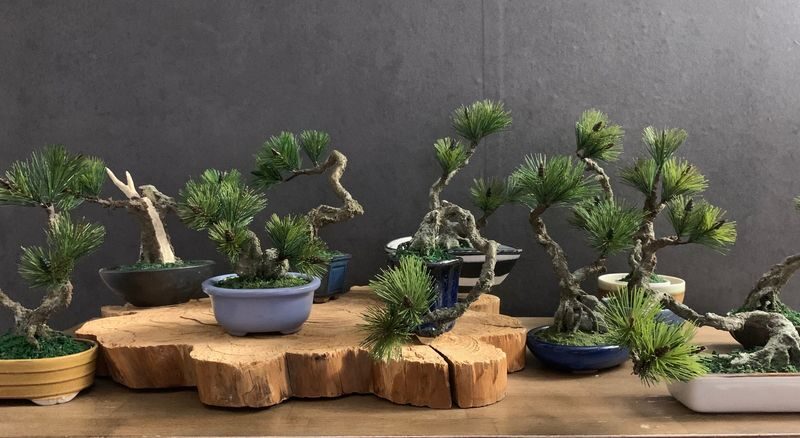
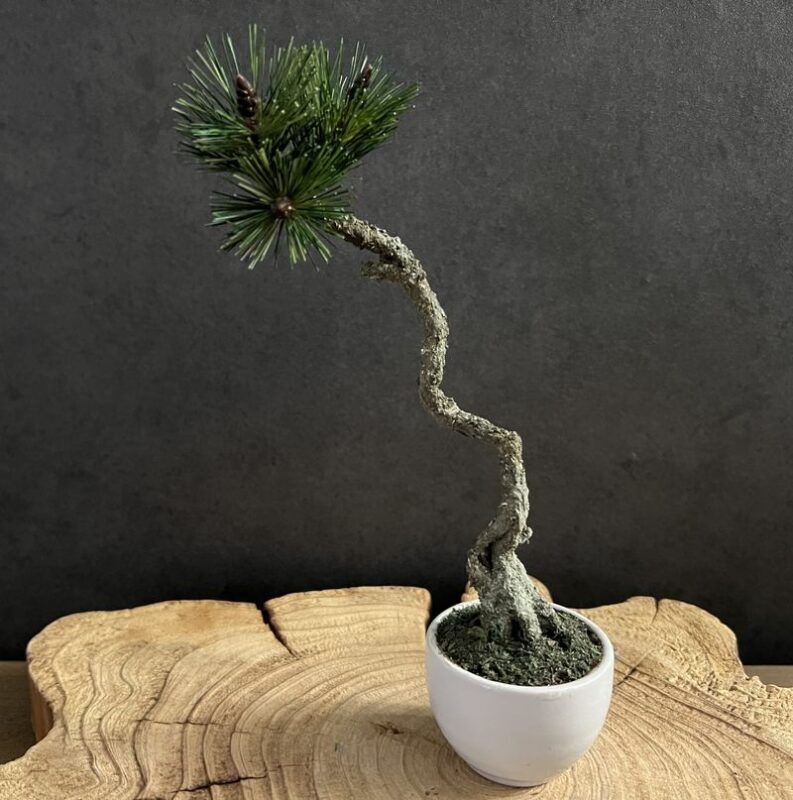
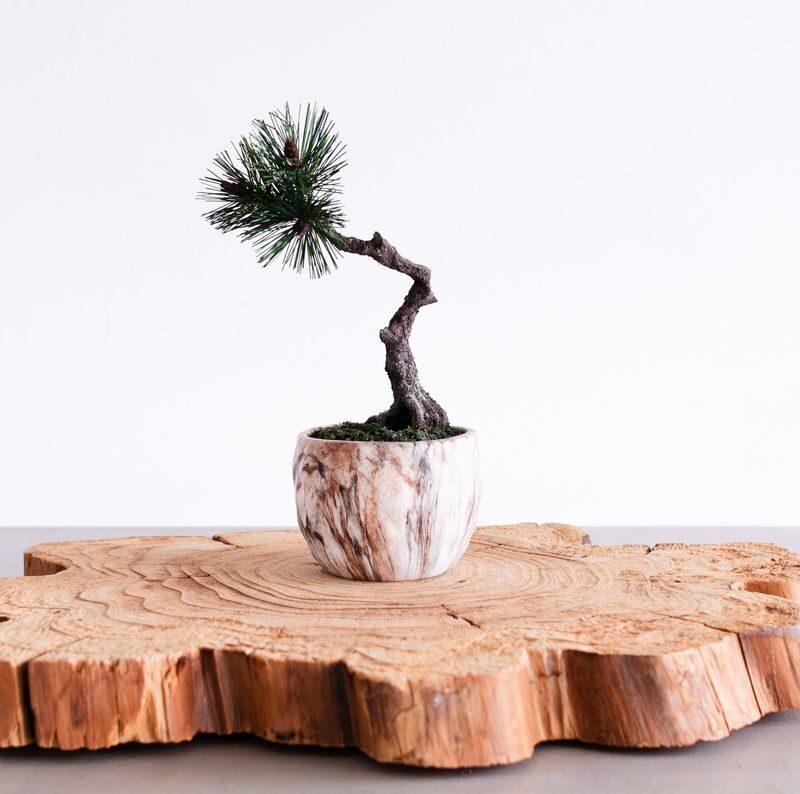
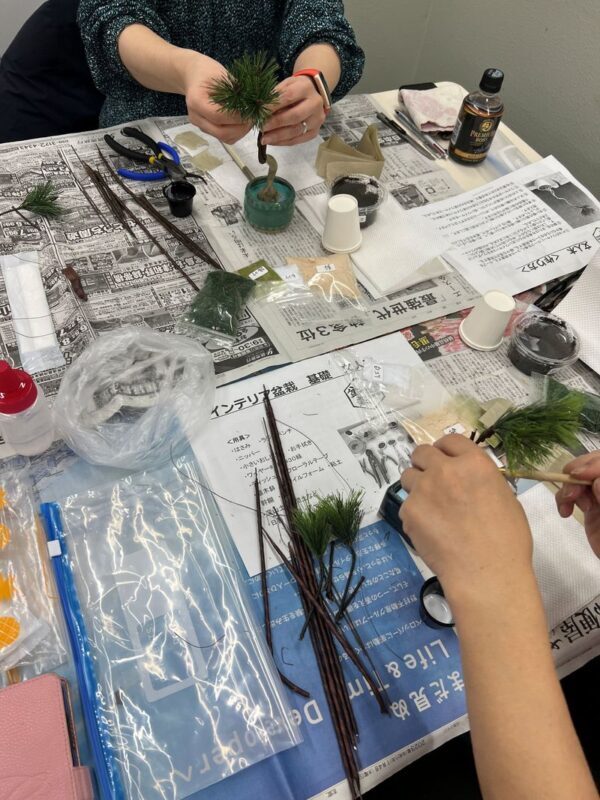
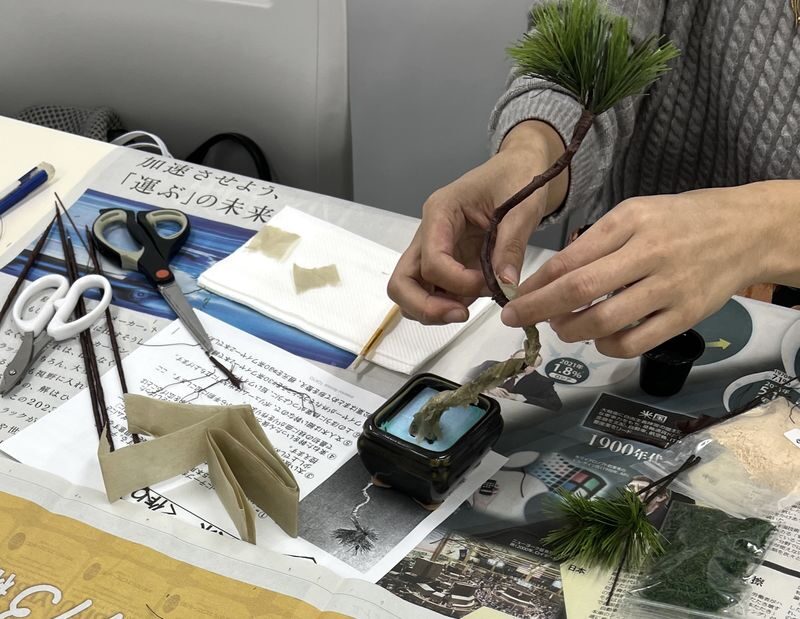
The appeal of this class is the contrast between bonsai’s slow, careful tradition and the quick satisfaction of making a small tree yourself. You get to work with the shape and visual character of bonsai, but the finished piece is artificial. It won’t grow, change with the seasons, or need watering. For a traveler who wants a creative activity and a ready-to-display souvenir, that can be a sensible trade.
The workshop takes place at Japanese art & craft Fujiiro Studio, at 2-10-11 Kotobuki in Taito City. The studio is on the fifth floor of the Sengoku Building, and the stated directions point to Tawaramachi Station’s Exit 2, right outside the exit. That central Asakusa setting makes this an easy activity to pair with time in the neighborhood, though the workshop itself is the main event.
You’ll spend the two-hour session shaping your own design with professional-grade materials and guidance from instructors. The exact crafting steps and material list aren’t specified, so don’t expect a fixed project description in advance. What is clear is that you’ll make a unique piece rather than simply watch someone else work.
You can also read our reviews of more tours and experiences in Tokyo.



What the two-hour workshop is like
The schedule is straightforward: arrive for your selected session, take part in the workshop, and leave with your bonsai creation. There are no other listed stops or transfers. That makes the activity easy to fit into a day of sightseeing, but it also means the value comes from the making process itself, rather than from a longer guided tour of Asakusa.
The activity description emphasizes a calm, small-group atmosphere. That suggests a setting suited to careful, hands-on work, although no maximum group size is given. You can expect instructors to guide you through the process step by step. A participant’s account specifically praised the teachers for being patient and kind, and for explaining the work from start to finish. That is useful if you’re new to crafting or unsure how to shape your design.
English-speaking staff are included, which matters when you’re learning a process with materials in hand. You can focus on making your piece rather than trying to follow instructions in a language you don’t understand. No particular instructor names are provided, so there’s no specific teacher to request.
The finished bonsai is intended as a long-lasting interior accent. You can keep it at home or give it as a gift, and it needs no watering. That makes it practical for people who travel often, have limited space for plant care, or simply like the look of bonsai without the commitment of maintaining a living tree.
Bonsai style, without the plant-care commitment
It helps to be clear about what you are booking. Traditional bonsai is a living art form shaped and maintained over time. This workshop uses artificial materials to create a bonsai-inspired tree, so it does not teach you how to grow or care for a real bonsai. If your goal is horticultural instruction, this is not the right class.
But if you’re drawn to bonsai’s compact form and expressive silhouette, the artificial approach has a practical upside. You can bring home a finished decoration without having to manage watering or ongoing plant care. The workshop offers a chance to work with your hands and make choices about the appearance of your own piece, while still giving you a useful object at the end.
That distinction also helps set expectations about authenticity. The craft experience takes place in a Japanese art and craft studio in Tokyo, and the design draws on the appearance of bonsai. The tree itself is not a living specimen, and the class is not a substitute for training with a bonsai artist. Think of it as a Japanese-inspired craft session, not a horticulture course.
Is $75.70 a fair price?
The listed starting price is US$75.70 for a two-hour session. That is a meaningful spend for a short activity, especially if you’re traveling on a tight budget. Its value depends on what you want: you’re paying for guided making time, English-speaking staff, professional-grade materials, and a piece you take home, rather than for a long tour or a bundle of sightseeing stops.
If you enjoy craft classes, the price may feel worthwhile because the central activity is personal and hands-on. You’re not just buying a souvenir; you spend time shaping one yourself, with help available as you work. The finished piece also avoids the ongoing care that a live plant would require.
If you mainly want to learn the techniques of traditional bonsai, the cost is harder to justify. The workshop’s stated focus is artificial bonsai, and there is no promise of live-tree care instruction. Check the package details before booking if you want to know exactly which materials are included, since a full itemized list isn’t provided.
Getting to the studio and choosing a session
The studio address is 5F-A, Sengoku Building, 2-10-11 Kotobuki, Taito City, Tokyo. The Japanese address is 東京都台東区寿2-10-11 仙石ビル5階 A. Follow the directions to Tawaramachi Station’s Exit 2, then use the building address to find the fifth-floor studio. The activity’s meeting information refers to the studio as both the departure and return point, so this is a workshop appointment, not a tour with a separate departure location.
You can select a start time of 10:00, 13:00, 15:00, or 17:00 when booking. The return time depends on that selection and the schedule; listed return options are 12:00, 15:00, 17:00, and 19:00. Confirm the exact time shown for your booking, since not every return option pairs with every departure.
Arrive on time. Late arrivals and no-shows are not eligible for a refund, so give yourself enough time to locate the building and get to the fifth floor. You’ll need to present your mobile voucher, and the voucher is valid only for the date and time specified.
The activity is open to participants aged 10 and older. Children aged 10 and above pay the same rate as adults. Participants who appear intoxicated may be refused service without a refund, so this is one class best saved for a clear-headed part of your Tokyo day.





Who will enjoy this Asakusa craft class
I’d consider this workshop if you want a relaxed, creative break from sightseeing and like the idea of bringing home something personal. It’s a good fit for a solo visitor, a pair, or a family with children aged 10 and up, as long as everyone is happy to spend two hours making a decorative object. The English-speaking staff and step-by-step instruction make it approachable even if you have little crafting experience.
It also suits anyone who likes bonsai’s look but doesn’t want another living thing to care for. The finished piece can be a reminder of time in Tokyo, and the no-watering design is practical if you don’t have a green thumb or travel frequently.
I’d skip it if you want an in-depth lesson in traditional bonsai cultivation, a live plant to train, or a tour that covers several sights. The class is focused on making an artificial bonsai at one studio. That narrow focus is a strength if it matches your interests, but it’s worth understanding before you pay.
Should you book it?
Book this if you want a hands-on Asakusa activity, patient step-by-step instruction, and a finished bonsai-style decoration to take home. The two-hour length and no-watering result make it an easy creative addition to a Tokyo itinerary. Just go in knowing that you’re crafting an artificial piece, not learning to grow a living bonsai. If that suits you, the workshop offers a more personal souvenir than something picked up from a shelf.
The Art of “Zero-Care” Bonsai: Authentic Crafting in Asakusa
“This was one of the most exciting classes I have taken here in Tokyo. I would definitely recommend this to anybody who wants to learn the art of bo…”
FAQ
How long does the bonsai workshop last?
The activity lasts two hours.
Where does the workshop take place?
It takes place at Japanese art & craft Fujiiro Studio, 5F-A, Sengoku Building, 2-10-11 Kotobuki, Taito City, Tokyo.
How do I get to the studio?
The stated directions are to go to Tawaramachi Station’s Exit 2, right outside the exit, and continue to the studio address.
What start times can I choose?
The available start times are 10:00, 13:00, 15:00, and 17:00. Choose your session when booking and attend at that time.
Is this a class in growing a living bonsai?
No. The workshop is for crafting an artificial bonsai. It creates the appearance of bonsai, but it is not a lesson in raising or caring for a living tree.
Do I need to water the finished bonsai?
No. The artificial bonsai requires no watering.
Is English-language help available?
Yes. English-speaking staff are included.
How old do participants need to be?
Participants must be at least 10 years old. Children aged 10 and up are charged the same rate as adults.
What should I bring to the workshop?
Present your mobile voucher. Other personal expenses are not included; no additional required items are specified.
Can I get a refund if I cancel?
You can receive a full refund if you cancel at least 24 hours before the activity date, using destination local time. Late arrivals and no-shows are not refundable. If extreme weather or another unforeseen event leads the operator to cancel, you can reschedule or request a full refund.