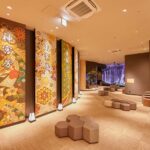
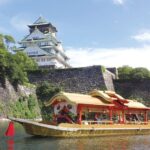
Osaka’s past is laid out in full-size scenes, intricate town models and archaeological displays, with a high-floor view that brings Osaka Castle into the picture. This is a useful stop if you want to understand the city beyond its modern shopping streets.
I like the detailed models, which make vanished streets and older ways of life easier to picture, and the chance to pair the exhibits with a castle view from above. The main trade-off is that some explanations are only in Japanese, and English coverage is uneven.
What to know before you go
- Start high, then work down: The permanent exhibition begins on an upper floor and continues across four floors, with the 10th-floor area noted for its Osaka Castle view.
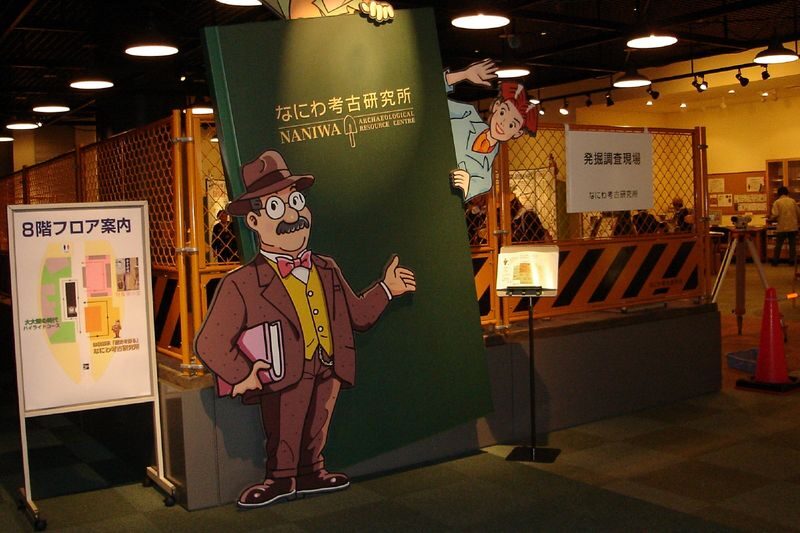
- Look for the archaeology zone: The 8th floor has an activity area focused on archaeological work, with interactive elements for adults and children.
- Expect a city-wide story: Exhibits range from ancient remains to town scenes from the early Showa period.
- Allow time to read: The museum can be explored at a relaxed pace, but a late arrival may leave you rushing the last floors.
- Check the ticket details: The admission ticket covers the permanent exhibition only. Special exhibitions cost extra, and the ticket cannot be refunded after purchase.
- Weigh convenience against price: Klook tickets can be scanned at entry, but one recent price comparison found the on-site ticket slightly cheaper. Check current prices before buying.
👉 See our pick of the 24 Best Workshops And Classes In Osaka
- What to know before you go
- Begin above the city, then follow Osaka’s story down
- The upper floors pair history with Osaka Castle views
- Models and archaeology make the past easier to picture
- Language and photography need a little planning
- Plan enough time, and use the museum as a castle companion
- Who will get the most from this museum?
- Should you book the Osaka Museum of History?
- FAQ
- Where is the Osaka Museum of History?
- What are the museum’s opening hours?
- Which days is the museum closed?
- What does this admission ticket include?
- Can I enter with a Klook voucher?
- How long is the voucher valid?
- Can I cancel the ticket or get a refund?
- Is admission free for children?
- Are there other groups who can enter for free?
- Is the Osaka Museum of History close to Osaka Castle?
- The Best Of Osaka!
- More Tickets in Osaka
- More Tours in Osaka
- More Tour Reviews in Osaka
- Not for you? Here's more nearby things to do in Osaka we have reviewed
Begin above the city, then follow Osaka’s story down
 1 / 5
 2 / 5
 3 / 5
 4 / 5
 5 / 5
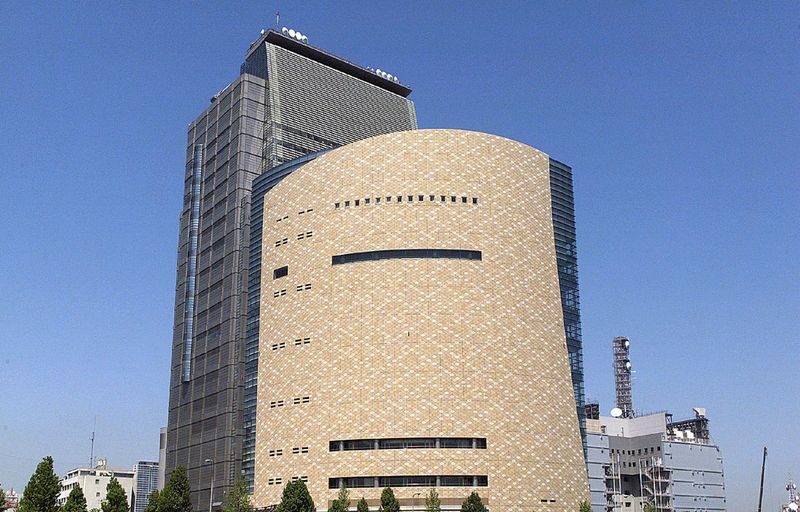
The museum’s layout gives your visit a natural route: begin on an upper floor and descend through the permanent exhibition. That makes it easy to take the displays in sequence, though the exact amount of time you spend depends on how closely you read the labels and study the models.
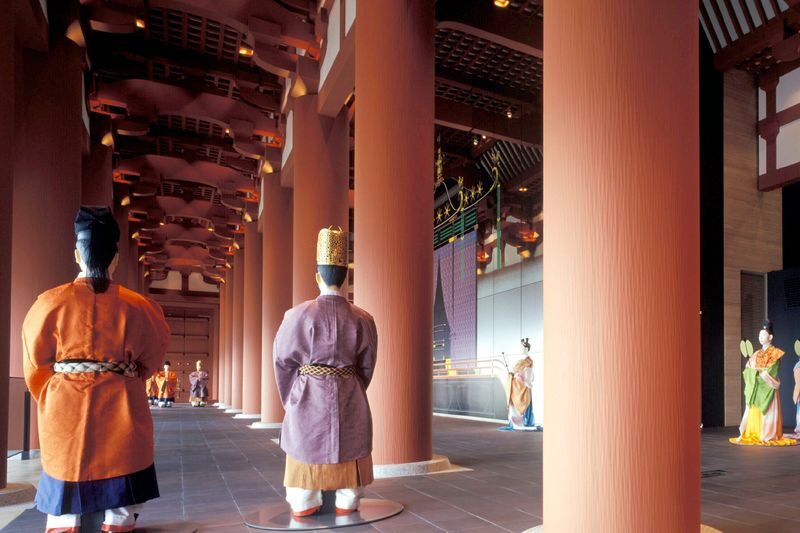
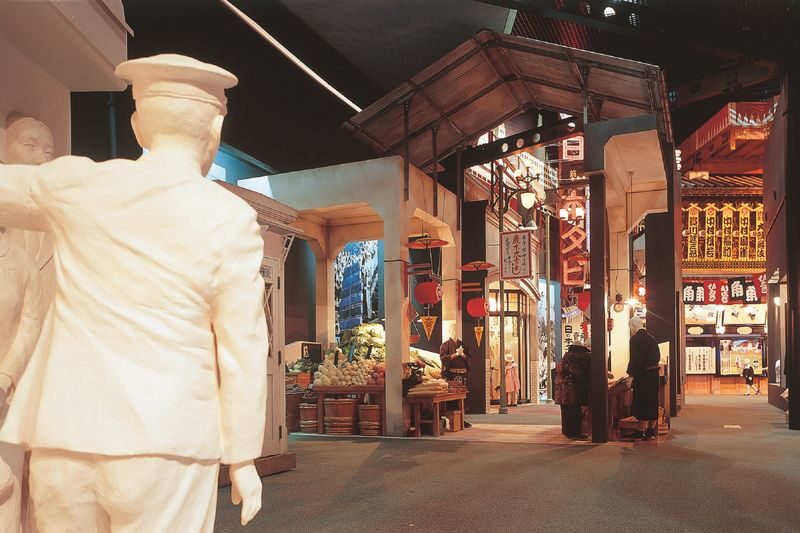
The historical story reaches from ancient ruins to the townscapes of the early Showa period. Rather than treating Osaka as a backdrop to Japan’s larger history, the museum focuses on how this particular city changed over time. That local focus is valuable if you have already visited Osaka Castle and want context for the city around it.
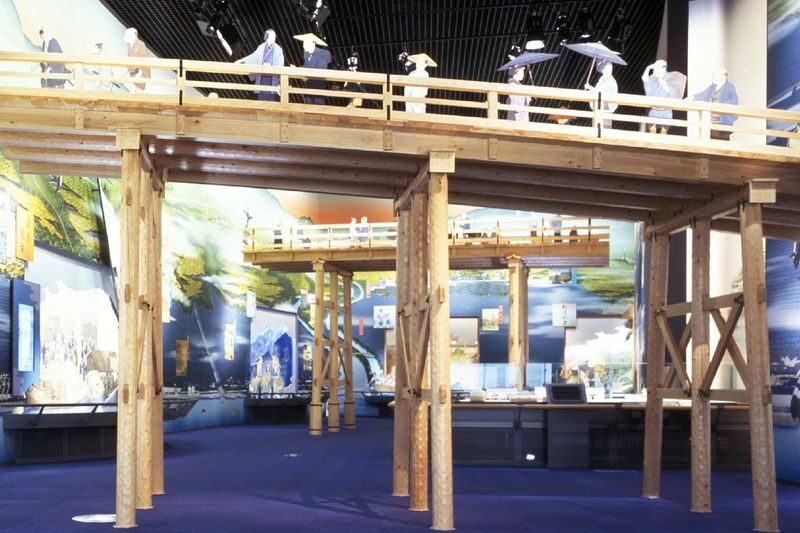
One useful way to approach the displays is to watch for changes in the city itself: how streets, buildings and daily life are represented in different periods. The models are a strong part of the experience. Their scale and detail help turn abstract dates into a place you can imagine walking through.
The museum is a substantial indoor stop, not a quick photo room. One visitor found it too large to do properly after arriving late, and that is worth taking seriously. If you want time for the displays, the archaeology area and the view, avoid squeezing the museum into the final part of a packed day.
You can also read our reviews of more tours and experiences in Osaka


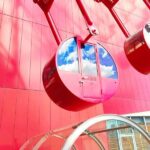
The upper floors pair history with Osaka Castle views
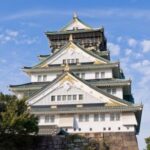
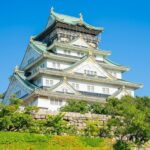
The high-floor view is one of the museum’s best bonuses. From a corner on the 10th floor, you can get a panoramic look toward Osaka Castle, and the view helps connect the exhibits to the city outside. On a clear day, it can make the visit feel more grounded than a museum visit spent entirely among cases and labels.
There is a practical case for visiting before or after the castle. The museum sits near Osaka Castle, so the two sights fit naturally into one outing. If you go to the museum first, you can meet the castle with more sense of the city’s long development; if you go after, it offers a quieter place to rest and reflect.
The view is also useful on a rainy or very hot day. The museum is indoors, and visitors have found it a comfortable place to take a break from summer heat. There are benches for resting, which can help if your group includes children, older adults or anyone who needs to pace a day carefully.
Do not plan your whole visit around the panorama, though. The view is a welcome extra, not the main event, and visibility depends on the weather. The permanent exhibition is the reason to come; the castle outlook is a fine reward along the way.
Models and archaeology make the past easier to picture
The displays cover a broad span of Osaka’s history, and the detailed models are especially helpful when written explanations are not enough. A reconstructed townscape gives you a sense of how buildings sat together and how a neighborhood might have felt. For younger visitors, or anyone who finds rows of objects hard to connect, that visual approach can make the history more approachable.
The archaeology activity area on the 8th floor adds a different pace. It focuses on excavation work and includes interactive elements, so it is not all looking and reading. This is one of the reasons I would consider the museum for a family visit: children have something to do, while adults can still take in the historical context.
The museum’s subject is Osaka, not a general survey of Japan. That means the exhibits can be rewarding if you are curious about the city’s own past, but less satisfying if you want a broad account of every period in Japanese history. Some visitors have also found the treatment of earlier periods less extensive than they expected.
Take your time with the models, but be selective with the text if language is a barrier. There are English explanations in parts of the museum, but coverage is uneven. Some Korean explanations are also available. A translation app may help with labels that are not available in a language you read, though using one can slow your progress.
Language and photography need a little planning
The biggest drawback for many international visitors is the uneven language support. Some exhibits have English, while other labels are in Japanese only. If you want the context behind every object, you may need more than the printed explanations provide.
An audio translation option has been reported at 400 yen per person. Availability and terms can change, so check with the museum before relying on it. If you prefer to keep your visit simple, focus on the visual displays and use a translation app selectively rather than trying to translate every label.
Photography is limited in some areas. If taking pictures is important to you, look for posted rules before raising your camera and do not assume every gallery allows photos. The castle view is a good reason to bring a camera, but the museum is better approached as a place to look carefully than as a photo stop.
The overall setting is clean and orderly, and the museum is generally a calm place to visit. That can be a welcome change after busier sights. It also means the experience depends more on your interest in history and exhibits than on lively demonstrations or a guide-led tour.
Plan enough time, and use the museum as a castle companion
Opening hours are 9:30 a.m. to 5 p.m., with last admission 30 minutes before closing. The museum is closed on Tuesdays, moving to the following day when Tuesday is a public holiday, and it also closes from December 28 through January 4. Check the museum’s website for current opening information before setting out.
A slow visit is more rewarding than a rushed one. The museum spans four exhibition floors, and a careful visit can take longer than you might expect, particularly if you stop to read, explore the archaeology area or take a break. If you are short on time, choose a few priorities rather than racing through every room.
The building is at 4 Chome-1-32 Otemae, Chuo Ward, Osaka, near Osaka Castle. It is well placed for combining the two attractions, and the museum’s location is also described as convenient for subway access. As with any day built around several sights, check your route and opening times before you go.
The permanent exhibition ticket is priced from $3.79 through Klook, though the amount you pay can vary. One price comparison found a 600-yen on-site ticket versus 630 yen through Klook, so advance purchase was not always the cheaper option. That is a small difference, but it matters if you are buying several tickets and there is no queue to avoid.
The benefit of buying through Klook is a direct QR-code entry, which can save the stop at the ticket counter. That convenience is useful if you want to keep your schedule flexible or simply prefer to arrive with admission sorted. But because on-site tickets may be cheaper and waits can be short, compare the current prices rather than assuming advance booking is automatically better.
The ticket is for one person and one entry, and it covers the permanent exhibition only. Special exhibitions are charged separately. The voucher is valid from April 1, 2026, through March 31, 2027, and cannot be canceled or refunded after purchase, so check your date before paying.
You can also read our reviews of more historical tours in Osaka


Who will get the most from this museum?
I would put this museum high on the list for anyone who wants a clearer picture of Osaka before or after visiting the castle. It is also a good choice for history-minded visitors who enjoy models, archaeology and city development more than hands-on entertainment throughout the whole visit.
Families can make good use of the archaeology activity area and the benches around the museum. The exhibition is indoors, and the displays offer more variety than a long sequence of text panels. Still, children who need constant movement may find parts of the museum quiet and static, so plan breaks and keep the visit at a comfortable pace.
The museum is less ideal if you have very little time, expect every label to be available in English, or mainly want a dramatic, highly interactive attraction. It is also worth reconsidering if you are only interested in special exhibitions, since those are not included in this admission ticket.
Should you book the Osaka Museum of History?
Book it if you want to add local context to an Osaka Castle visit, enjoy detailed historical models, or need a cool indoor stop near the castle. The combination of city history, an archaeology area and a high-floor view makes the low admission price good value for an interested visitor.
Before you buy, compare Klook’s current price with the museum’s on-site price, check the opening calendar and decide whether a QR-code entry is worth any difference. If you are likely to use the ticket and value a quick arrival, advance booking is convenient. If your schedule is uncertain or the on-site ticket is cheaper, buying at the museum may suit you better.
Osaka Museum of History Admission Ticket
“You can feel the history of Osaka here. It's quite large and pairs well with a visit to Osaka Castle.”
FAQ
Where is the Osaka Museum of History?
It is at 4 Chome-1-32 Otemae, Chuo Ward, Osaka, 540-0008, Japan, near Osaka Castle.
What are the museum’s opening hours?
The museum is open from 9:30 a.m. to 5 p.m. Last admission is 30 minutes before closing.
Which days is the museum closed?
It is closed on Tuesdays. If Tuesday is a public holiday, it closes the following day. It also closes for New Year from December 28 through January 4.
What does this admission ticket include?
It includes admission to the permanent exhibition. Special exhibitions require a separate ticket.
Can I enter with a Klook voucher?
Yes. The voucher can be shown for direct entry at the venue.
How long is the voucher valid?
The listed validity period is April 1, 2026, at 9:30 a.m. through March 31, 2027, at 4:30 p.m.
Can I cancel the ticket or get a refund?
No. Cancellations and refunds are not available after the purchase is completed.
Is admission free for children?
Admission is free for junior high school students and younger.
Are there other groups who can enter for free?
Admission is free for people with a disability certificate and one caregiver, and for Osaka City residents aged 65 and over. Proof or documentation may be required.
Is the Osaka Museum of History close to Osaka Castle?
Yes. The museum is near Osaka Castle, making it practical to visit both on the same outing.