Tokyo Tower is the striking backdrop at Sushi Rakuraku Hachinoki Azabu-Juban, but the main event happens at the counter: a chef prepares sushi in front of you, using ingredients selected from around Japan. It’s a Tokyo dinner that pairs a close-up view with the small details of a made-to-order meal.
I like two things in particular: the 20 years of experience behind the counter and the mix of omakase sushi with five seasonal dishes. I also like that English-speaking staff can help you follow the meal, and that the sake list includes sought-after names such as Juyondai, Aramasa and Jikon.
The main consideration is cost. At US$151.40 and up, this is a special-occasion meal, not a casual sushi stop. The menu changes with the season, and the package details name the course and seasonal dishes but don’t specify the exact sake pour, so check what the sparkling sake toast includes before you book.
What to know before you book
- Tokyo Tower is part of the setting: The restaurant offers a view of the tower from its open, welcoming space.
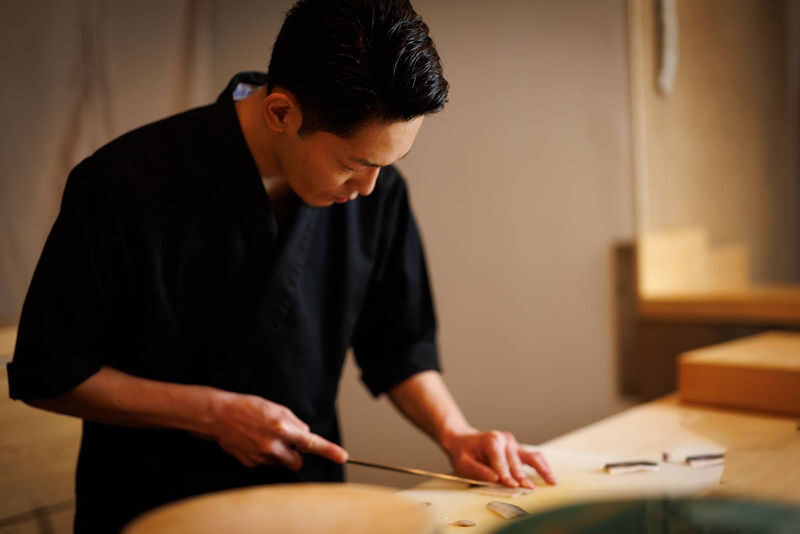
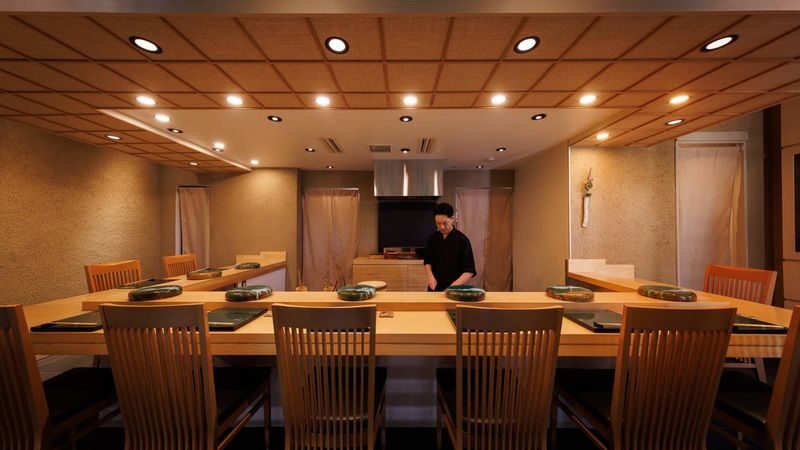
- The chef works at the counter: You can watch each piece being prepared, and the chef may explain the ingredients and dishes as you go.
- The meal combines two formats: Your package includes an omakase course and five kinds of seasonal dishes.
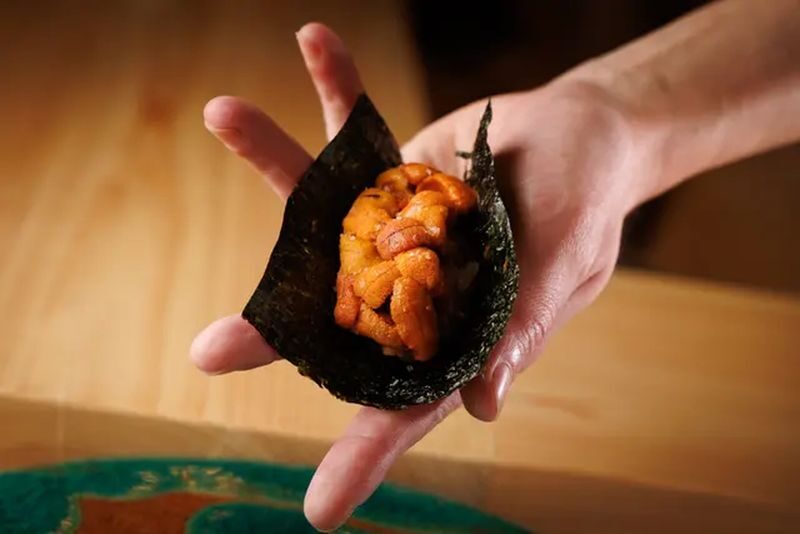
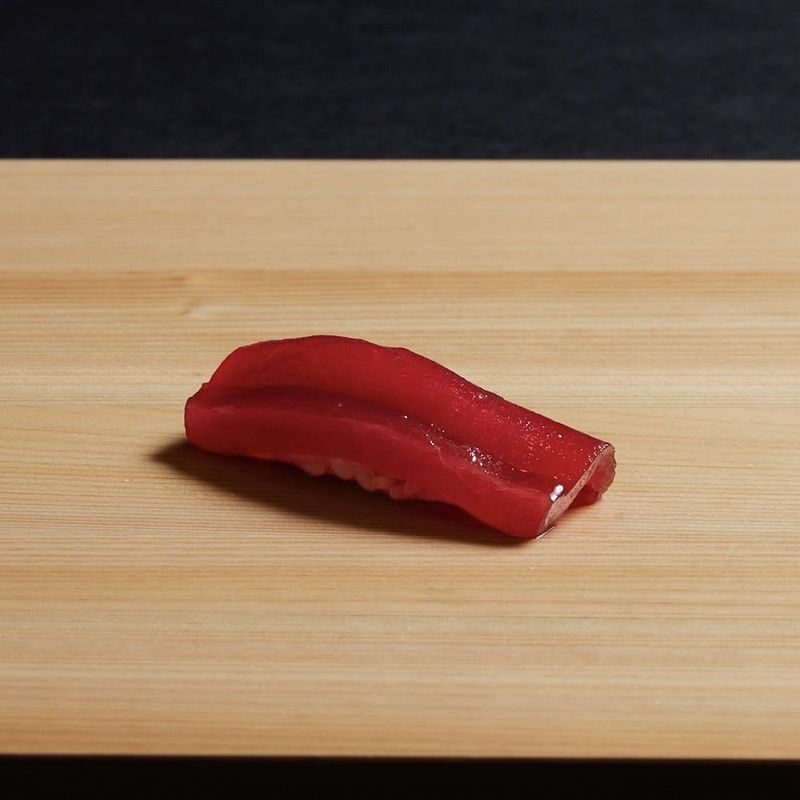
- The ingredients are chosen from across Japan: Tuna, sea urchin and caviar are among the ingredients highlighted.
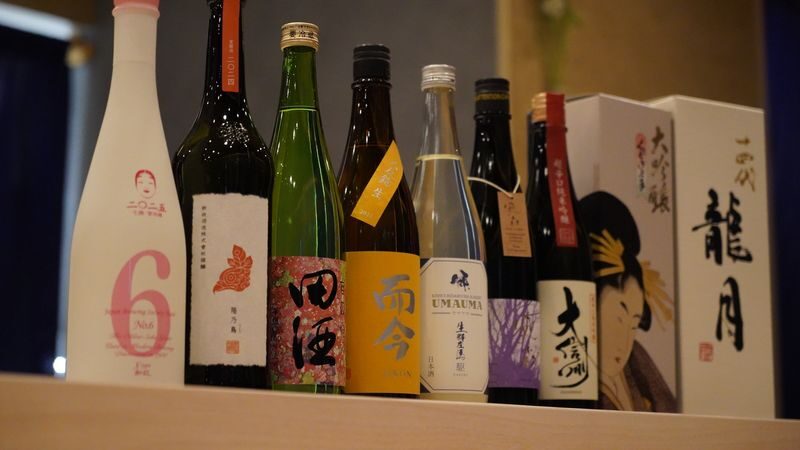
- Premium sake is available: The selection includes labels such as Juyondai, Aramasa and Jikon.
- Plan around a selected start time: Options run from 17:00 to 20:30, with the available return times depending on your start and the meal’s duration.

👉 See our pick of the 25 Best Guided Tours In Tokyo
- What to know before you book
- A counter seat with a Tokyo Tower view
- What the omakase course includes
- Sake for more than a token toast
- From Azabu-Juban to the counter
- Is the price worth it?
- Who will enjoy this dinner most
- Practical details to settle before you go
- Should you book it?
- FAQ
- How much does the experience cost?
- Where does the dinner take place?
- What food is included?
- Is sparkling sake included?
- Are drinks included in the price?
- Does the restaurant have English-speaking staff?
- What time can I book?
- How old do participants need to be?
- What is the cancellation policy?
- The Best Of Tokyo!
- More Food & Drink Experiences in Tokyo
- More Tours in Tokyo
- More Tour Reviews in Tokyo
- Not for you? Here's more nearby things to do in Tokyo we have reviewed
A counter seat with a Tokyo Tower view
 1 / 8
 2 / 8
 3 / 8
 4 / 8
 5 / 8
 6 / 8
 7 / 8
 8 / 8
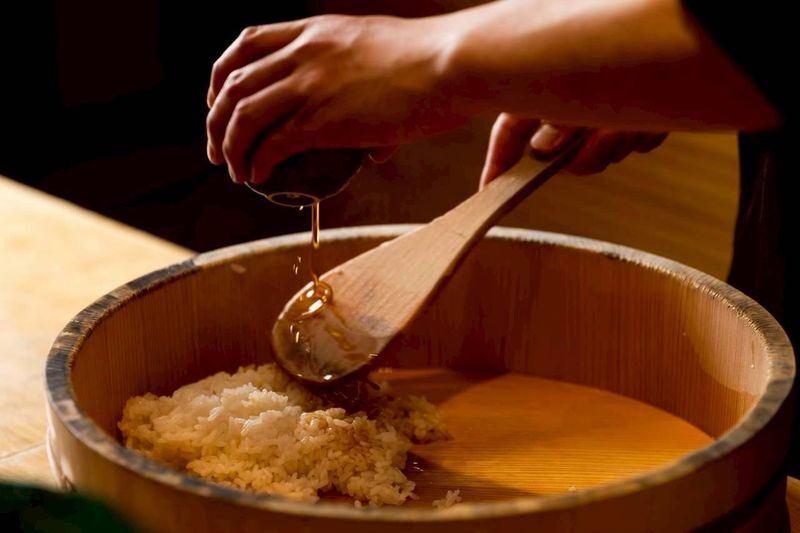
Sushi Rakuraku Hachinoki Azabu-Juban puts two kinds of Tokyo pleasure in the same room: a view of the city’s famous tower and a meal prepared close enough to watch. The restaurant describes its interior as warm and comfortable, rather than stiff. That matters if the words luxury sushi make you picture a formal room where you’re afraid to ask a question.
The counter is central to the experience. Instead of receiving a row of sushi made well before it reaches the table, you can watch the chef shape and serve each piece. One detailed account of the meal describes careful explanations of ingredients and dishes, as well as warm, attentive service. English-speaking staff are listed, which should make it easier to understand what you’re eating and ask about the sake.
The chef has 20 years of culinary experience, a useful detail for anyone weighing the price against a standard sushi dinner. You’re paying for more than a list of ingredients: the meal is presented as a chef-led sequence, with the preparation and conversation part of the evening. Still, the precise amount of interaction can vary, so think of English support as available, not a promise of a long lesson with every course.
You can also read our reviews of more food & drink experiences in Tokyo


What the omakase course includes
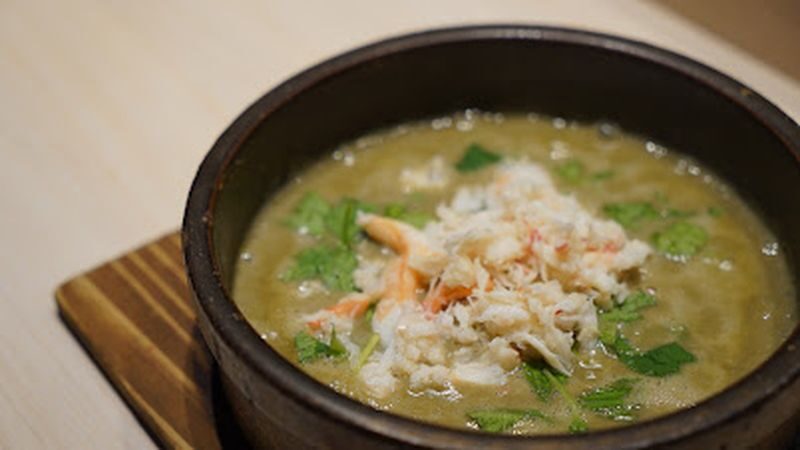
Omakase means you leave the selection largely to the chef. Here, that format comes with five kinds of seasonal dishes, making the meal broader than a sushi-only tasting. The exact items aren’t fixed in advance: ingredients and dishes can change with the season and what is available.
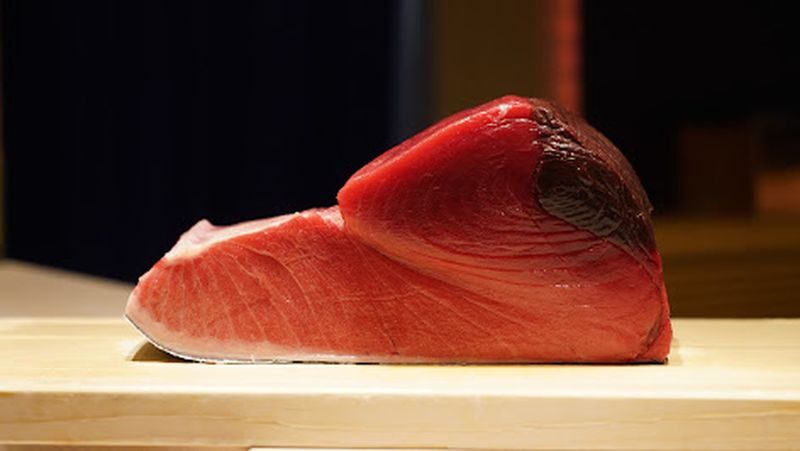
That flexibility is part of the appeal. The restaurant highlights ingredients such as tuna, sea urchin and caviar, all selected from different parts of Japan. You may encounter these ingredients, but the menu is not guaranteed to contain each one on your date. If you have your heart set on a particular item, ask before booking rather than treating the highlights as a fixed checklist.
A diner’s account describes sushi that was beautifully presented and seasoned to bring out the ingredients’ natural umami. That points to a meal where the seasoning is meant to support the fish and other toppings, not drown them out. You can also expect the chef to prepare each piece in front of you, so the counter gives you a clear view of the care behind the presentation.
The five seasonal dishes add variety, but their names and order aren’t provided in advance. If you prefer to know every course before committing, this kind of omakase may feel uncertain. If you enjoy letting the chef decide what is best at the time, that uncertainty is part of the format.
Sake for more than a token toast
The sake selection is one of the experience’s selling points. Juyondai, Aramasa and Jikon are named as examples of rare or popular bottles, giving you a chance to encounter labels that can be harder to find. The sake is presented as a complement to the sushi, not just an afterthought.
The activity title also mentions a toast with sparkling sake. However, the package details list the omakase course and five seasonal dishes without spelling out the pour’s size, whether it is included in the price, or which sparkling sake is served. If that toast is important to your decision, confirm the details with the provider before paying.
Sake is not the only reason to book. You can still enjoy the chef’s cooking and the food even if you don’t drink, but the advertised pairing is clearly part of the evening’s character. Other personal expenses are not included, so don’t assume every drink beyond any stated toast is covered by the package price.
From Azabu-Juban to the counter
The experience is based at Sushi Rakuraku Hachinoki Azabu-Juban in Tokyo. The route details name Azabu-Juban Station, while the restaurant is the return point. Since the precise meeting instructions are confirmed after booking, check your mobile voucher carefully rather than assuming you should walk straight to the restaurant.
You choose a departure time when booking. Listed options begin at 17:00 and continue every half hour through 20:30. Return slots run from 19:30 to 23:00, but which ones you can choose depends on your departure time and the length of the meal.
That range gives you some flexibility for dinner plans, but it does not establish a fixed dining duration. The schedule may also change with traffic or weather. Build a little breathing room into your evening, especially if you have another reservation or need to catch a train afterward.
The venue information gives two slightly different names for the restaurant. Use the name and address shown on your confirmed voucher as your guide, and contact support if anything does not match. Confirmation is expected within 48 hours; if no confirmation email arrives, the booking instructions advise contacting customer support.
Is the price worth it?
At US$151.40 or more, this is a substantial dinner expense. The value depends on what you want from the evening. If you’re looking for a quick meal or the lowest price for sushi, there are better ways to spend your budget. If you want a chef-led counter meal, five seasonal dishes, premium sake options and a Tokyo Tower view in one sitting, the package offers several elements that would otherwise take planning to combine.
The price is easier to justify for a celebration or a night when the meal itself is the plan. The chef’s preparation happens in front of you, and the counter setting gives the food a sense of occasion. The warm atmosphere and English-speaking support may also help if high-end sushi feels intimidating. You can ask questions and follow the meal without needing to know the rules of an omakase counter beforehand.
But don’t treat the price as an all-in total for the night. Other personal expenses are excluded, and the package details don’t list every drink or course by name. The season affects the menu, too. Book for the overall experience, not because you expect a particular fish or bottle to appear.
There is also limited public feedback to work with: the experience has a 5-out-of-5 rating based on one review. That account praises the ingredient quality, presentation, chef’s explanations, hospitality and sake pairing. These are useful signals, but a single rating is not enough to establish that every visit will be identical.
You can also read our reviews of more tours and experiences in Tokyo


Who will enjoy this dinner most
I’d consider this for a sushi fan who wants more than a plate at a restaurant table. Watching the chef prepare each piece and hearing about the ingredients can make the meal feel more personal. It also suits someone curious about Japanese sake, especially if they appreciate the chance to ask staff for help choosing among less familiar labels.
The view adds a sense of place without turning the meal into a sightseeing tour. You’re not moving between landmarks or getting a guided overview of Tokyo. Instead, the tower is the backdrop to a dinner in Azabu-Juban. That distinction matters: book this for the food and setting, not as a substitute for a city tour.
The activity is open to participants aged 10 and up. It may suit families with older children who are comfortable with a long, chef-led meal, though the information doesn’t describe a child-specific menu or service. If you’re booking for a group with different tastes, check directly about dietary needs and menu options, since those details aren’t specified.
Practical details to settle before you go
Your voucher is mobile, and it is valid only for the date and time you booked. Keep it handy and follow the confirmed meeting instructions. The selected departure time matters, so arrive at the right place at the right time rather than relying on a flexible walk-in arrangement.
The menu can change with the season and ingredient availability. That is normal for an omakase meal, but it means you shouldn’t expect a guaranteed list of dishes. The same goes for the premium sake: the named labels describe the selection, not a promise that every bottle will be poured.
You can cancel for a full refund if you do so at least 48 hours before the activity date, using Tokyo local time as the reference. If you are still unsure about the sparkling sake, the exact meeting point, or a dietary requirement, ask before booking. Those are practical details worth clearing up when the meal costs this much.
Should you book it?
Book this if you want an intimate sushi dinner built around counter service, seasonal ingredients, a chef with two decades of experience and a Tokyo Tower view. The five seasonal dishes and range of premium sake add variety, while English-speaking staff make the experience more approachable.
Skip it if you’re mainly after an inexpensive sushi meal, need a fixed menu, or want every drink and course confirmed in advance. For a planned splurge in Azabu-Juban, though, this offers a clear proposition: watch the chef work, eat an omakase course with seasonal dishes, and make an evening of it.
Luxury Sushi Counter Experience | Sushi Course & Toast with Sparkling Sake
“This was truly an exceptional sushi experience. From the moment I sat at the counter, I could feel the care and craftsmanship that went into every…”
FAQ
How much does the experience cost?
The omakase course with five seasonal dishes starts at US$151.40. Other personal expenses are not included.
Where does the dinner take place?
The venue is Sushi Rakuraku Hachinoki Azabu-Juban in Tokyo. The route information also names Azabu-Juban Station, so check your confirmed voucher for the exact meeting instructions.
What food is included?
The package includes an omakase course and five kinds of seasonal dishes. The menu may change depending on the season and ingredient availability.
Is sparkling sake included?
The experience title mentions a toast with sparkling sake, but the package details do not specify the pour or clearly state how it is included. Confirm this with the provider before booking if it matters to you.
Are drinks included in the price?
The package details list the omakase course and five seasonal dishes. They do not give a full drinks list or state that additional drinks are included.
Does the restaurant have English-speaking staff?
Yes. English-speaking staff are included, and assistance for English-speaking customers is noted.
What time can I book?
Departure options are listed from 17:00 to 20:30, in half-hour intervals. Return options range from 19:30 to 23:00, depending on your selected departure time and the itinerary’s duration.
How old do participants need to be?
Participants must be at least 10 years old.
What is the cancellation policy?
You can receive a full refund if you cancel at least 48 hours before the activity date, using local destination time.