The best part of this Asakusa experience is that the sword practice is more than a costume photo. You put on samurai clothes, learn movements with a non-sharpened iaito, and get a taste of the discipline behind drawing a Japanese sword. Museum entry and ninja star throwing round out the two-hour visit.
I like the combination of hands-on practice and historical context, and the English-speaking instructors help make the lesson accessible. One consideration: at about $138 per adult, it is a costly activity if you mainly want a quick photo or expect most of the session to be sword training.
- At a glance
- A sword lesson, not just a costume photo
- How the two-hour visit comes together
- What you gain from the museum ticket
- What the price gets you
- Getting to the museum and planning your visit
- Who will enjoy this most
- Should you book it?
- FAQ
- How long does the experience last?
- What is included in the booking?
- Is the sword sharp?
- What is the minimum age?
- Where is the meeting point?
- Which train stations are nearby?
- How early should I arrive?
- Are transport and meals included?
- The Best Of Tokyo!
- More Tickets in Tokyo
- More Tours in Tokyo
- More Tour Reviews in Tokyo
- Not for you? Here's more nearby things to do in Tokyo we have reviewed
At a glance
 1 / 7
 2 / 7
 3 / 7
 4 / 7
 5 / 7
 6 / 7
 7 / 7
- The sword is a practice tool: An iaito looks like a Japanese sword but has no sharpened edge.
- You wear traditional samurai clothes: The outfit is part of the activity, not just a museum display.
- The session includes ninja star throwing: It adds a playful second activity to the sword lesson.
- Museum entry is included: You can pair physical practice with an introduction to samurai and ninja history.
- The group is capped at 14: That puts a limit on the number of people sharing the instructor’s attention.
- The venue is easy to reach by train: Tawaramachi and Tsukuba-Express Asakusa stations are each about a two-minute walk away.

👉 See our pick of the 25 Best Guided Tours In Tokyo
A sword lesson, not just a costume photo
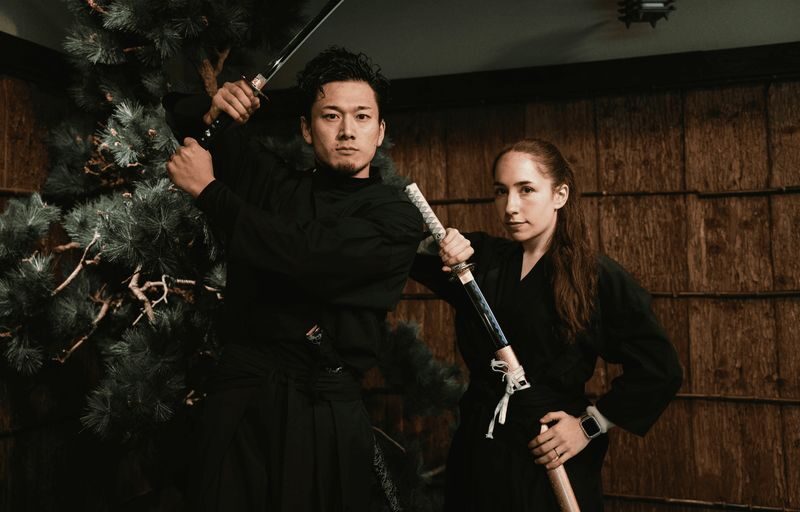
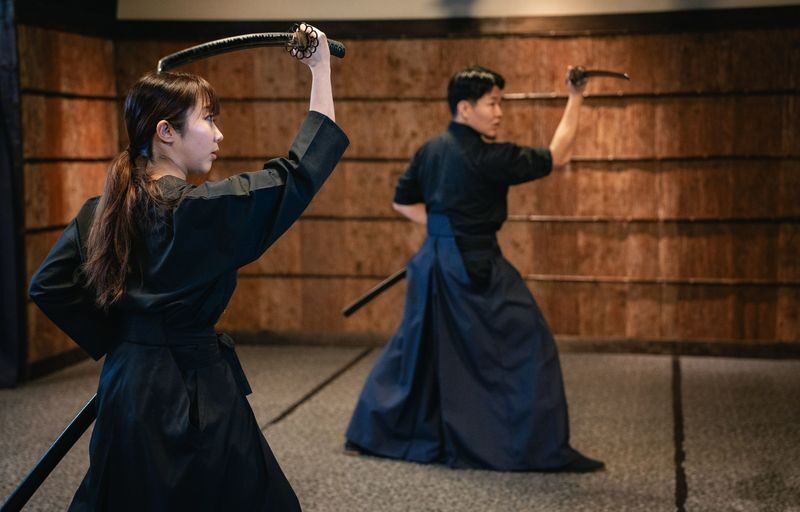
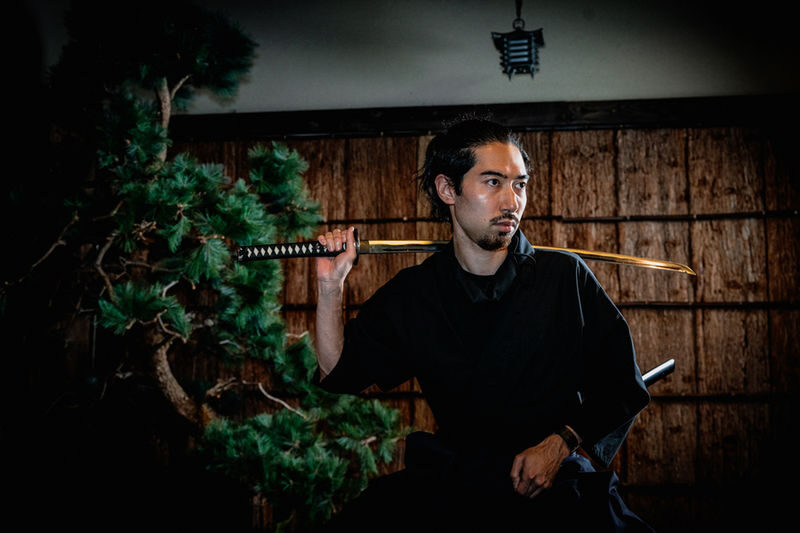
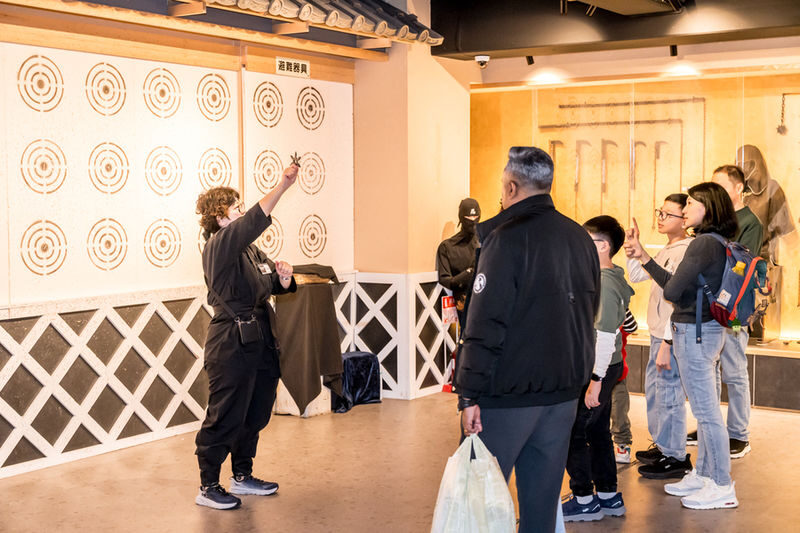
Samurai culture is often presented through costumes, film scenes, and souvenir displays. This activity gives you a more active way in: wear traditional clothes, hold a sword replica, and learn a sequence of sword movements from an instructor. You are not training with a live blade, but you do get to handle a purpose-built practice sword.
That distinction matters. The iaito is designed for Iaido, the Japanese martial art focused on drawing the sword. It resembles a real Japanese sword, or shinken, but it is unsharpened and usually made from a zinc-aluminum alloy that cannot hold a sharp edge. That makes it suitable for practice without turning the session into an exercise in handling a weapon.
Expect instruction rather than free-form play. Instructors such as Ryo, Koki, Kenny, Koko, and Betty have led sessions, and the teaching is described as clear, lively, and easy to follow. The lesson can be funny, too, but the focus is on learning a sequence and moving with care. You do not need prior sword experience to take part.
The provider describes this as Tokyo’s only hands-on samurai sword experience, as distinct from costume play. That is a strong promotional claim, so I would not make your decision on exclusivity alone. The useful point is simpler: this activity combines dressing up with guided sword practice, museum entry, and ninja star throwing in one booking.
You can also read our reviews of more tours and experiences in Tokyo



How the two-hour visit comes together
The experience lasts 120 minutes and includes admission to the museum, an English-speaking guide, traditional samurai clothes, a sword replica, and ninja star throwing. The activity is built around three linked elements: learning about samurai and ninja history, trying a sword lesson, and taking part in a ninja activity. The precise timing of each part is not specified, so do not assume that all two hours are spent training with a sword.
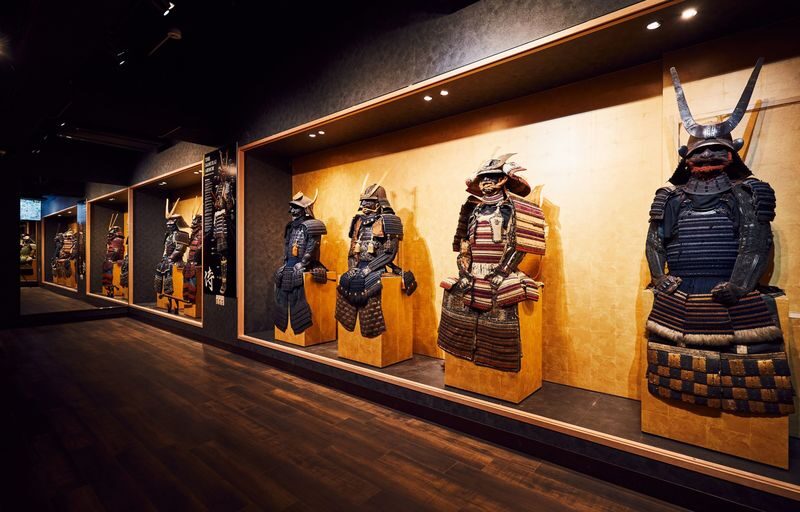
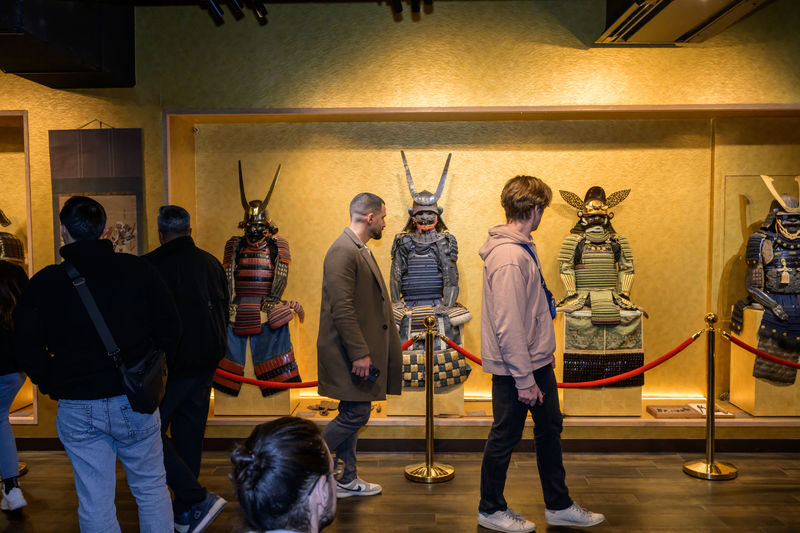
The museum gives the practical session some context. You can learn about the history of samurai and ninja before or alongside the activity, rather than treating the clothing and props as the whole story. The museum visit is especially worthwhile if you enjoy understanding what lies behind the familiar images. One participant who had to leave early for the airport missed the museum portion, a good reminder to allow the full session if you want the complete experience.
The sword lesson is the main draw for many people. You put on the outfit, take up the iaito, and follow the instructor through a sword sequence. The point is not to test strength or speed. It is to listen, copy the movements, and get a feel for the form of Iaido. Instructors have been singled out for patient, step-by-step teaching, clear English, and a sense of humor that keeps the lesson relaxed.
The ninja star throwing is a welcome change of pace. It brings a playful, try-it-yourself element to the visit, and it can be a highlight if you have a soft spot for ninja stories. Keep your expectations grounded: the activity is a guided introduction, not an extended martial arts course. The appeal is trying several things in one place, not mastering any one skill.
With a maximum of 14 participants, the group is limited in size, though a full group can still mean sharing the instructor’s attention. If you want a quieter or more personalized lesson, check whether a smaller group or private option is available before booking. That detail is not specified here.
What you gain from the museum ticket
The museum portion helps make the activity more than a dress-up stop. Samurai and ninja are often blended together in popular culture, but learning about their history gives you a better frame for the sword and ninja activities. Visitors have found the museum tour informative, and the English-speaking staff make the material accessible if you do not speak Japanese.
I would treat the museum as a useful introduction, rather than expecting a large museum visit to fill the full two hours. The details provided do not give the size of the collection or the exact route through the museum. If you are a serious student of Japanese military history, this may feel like a light overview. If you want an engaging first look before heading back into Asakusa, the combination is more appealing.
The balance is the real strength. The history gives the activities context; the activities keep the visit from becoming a passive museum stop. Families and friends with mixed interests can appreciate that mix, especially if one person wants the historical background while another is mainly keen to try the sword and stars.
What the price gets you
At US$137.69 per adult, this is a premium activity. The fee covers a 120-minute experience, museum admission, English-speaking instruction, traditional clothing, a sword replica, and ninja star throwing. That bundle is more persuasive than the sword lesson alone, particularly if you plan to take part in every element.
Still, value depends on what you want. If your priority is a long technical lesson, the price may feel steep for a session that also includes museum time and a ninja activity. One participant felt the cost was high for the amount of sword training, while others valued the mix of history, instruction, and fun. That is the trade-off to weigh before booking.
I would see the price as reasonable only if you want the full combination and are happy to pay for a special activity rather than a low-cost museum visit. It may be a memorable splurge for a parent and child, a samurai fan, or anyone who wants a hands-on break from sightseeing. If you only want a costume photo, you can likely find better value elsewhere.
Getting to the museum and planning your visit
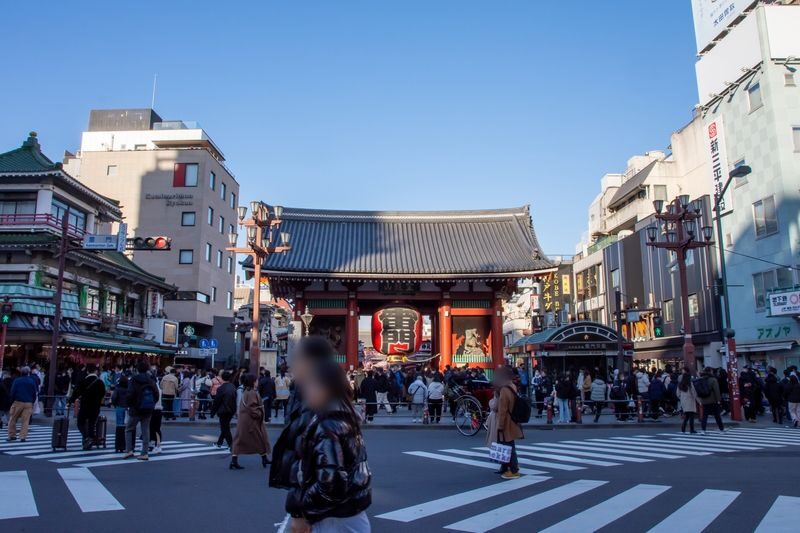
The meeting point is TOKYO SAMURAI NINJA MUSEUM, at 1-8-13 NishiAsakusa, Taito-ku, Tokyo. It is about a two-minute walk from Tawaramachi Station on the Tokyo Metro Ginza Line, and about two minutes from Asakusa Station on the Tsukuba-Express. The listing gives an eight-minute walk from Asakusa Station on the Tokyo Metro Ginza or Asakusa Line, so check which station and line you plan to use.
Arrive 10 minutes before your scheduled time. Check-in has been described as simple and well organized, but Asakusa’s several stations and train lines can be confusing if you choose the wrong one. Follow the address and station details rather than relying on the broad label Asakusa Station.
There is no hotel pickup, transport, meal, or drink included. Plan your own route and budget for anything else you want during the day. Pets are not allowed, and participants must be at least 10 years old. The voucher is mobile and valid only for the date and time booked.
The activity can be a good fit for a family outing, but check the age requirement before booking for children. The group limit of 14 helps prevent the session from becoming a very large class, and the guide’s English-language instruction is useful for international visitors. If you are booking for a group, remember that the maximum applies to the activity as a whole.
You can also read our reviews of more museum experiences in Tokyo





Who will enjoy this most
Book this if you are curious about samurai culture and want to do more than look at objects behind glass. It is also a strong choice for ninja fans, families with children aged 10 or older, and friends looking for a shared activity that mixes history with a little theatrical fun. The instructors’ humor and clear teaching help make it approachable even if you have never held a sword replica.
It is less suited to someone seeking a serious Iaido course or a long, technical martial arts lesson. The experience is an introduction, and the museum and ninja activity share the total time. You should also pass if the price is hard to justify for an activity that includes dress-up and guided practice rather than a full day of training.
Should you book it?
I would book this if the combination is what appeals: samurai clothes, a careful introduction to sword movements, museum context, and ninja star throwing. The strongest value comes from doing all of it, not from treating the session as a sword class alone. If you want a fun, well-guided way to engage with Japanese history, it is a distinctive Asakusa stop. If you want deep martial arts instruction or a cheaper photo opportunity, save your money for another activity.
Asakusa Sword Experience-includes Museum Ticket (1785)
“Koko & Betty were such a great instructors. very patient and interacted with us well. step by step. would highly recommend!”
FAQ
How long does the experience last?
The activity lasts 120 minutes.
What is included in the booking?
The booking includes museum admission, an English-speaking guide, traditional samurai clothes, a sword replica, and ninja star throwing.
Is the sword sharp?
No. The lesson uses an iaito, a practice sword designed without a sharpened edge.
What is the minimum age?
Participants must be at least 10 years old.
Where is the meeting point?
Meet at TOKYO SAMURAI NINJA MUSEUM, 1-8-13 NishiAsakusa, Taito-ku, Tokyo.
Which train stations are nearby?
Tawaramachi Station on the Tokyo Metro Ginza Line and Asakusa Station on the Tsukuba-Express are each about a two-minute walk away. Asakusa Station on the Tokyo Metro Ginza or Asakusa Line is about an eight-minute walk.
How early should I arrive?
Arrive 10 minutes before your scheduled participation time.
Are transport and meals included?
No. Hotel pickup and drop-off, transport, meals, beverages, personal expenses, and tips are not included.