Asakusa makes a fine stage for traditional dress: the shop is about 30 seconds from the station and a one-minute walk from Senso-ji Temple. You can pick from more than 1,000 kimono styles, get help dressing, and step straight into one of Tokyo’s best-known old-town districts.
I like two things in particular: the huge choice of patterns, which makes it easier to find a look that feels like yours, and the handy location, which leaves more of your day for Asakusa rather than getting across town in costume. The main catch is timing: dressing and styling end at 3:00 PM, and rentals are due back by 6:00 PM unless you arrange a different return in advance.
Key points to know
- A few steps from Asakusa’s main sights: The shop is near the station, Kaminarimon Gate, and Senso-ji Temple.
- More than 1,000 garments: Options range from komon and lace styles to furisode, hakama, men’s formal wear, and children’s kimono.
- Summer choice at the same price: From June through September, you can choose a yukata or a komon kimono at the same price, subject to the package.
- Help is available in several languages: The shop lists Chinese, English, Korean, and Japanese service.
- Plan around the return time: Same-day return is by 6:00 PM; ask staff in advance about next-day or hotel return.
- Check the package details: Hair styling, makeup, and premium garments may be add-ons or require an upgrade.

👉 See our pick of the 25 Best Guided Tours In Tokyo
- Key points to know
- Getting dressed just around the corner from Senso-ji
- Choosing a kimono from more than 1,000 options
- What happens during the rental
- Taking your outfit into Asakusa
- What the packages and prices really mean
- Keeping the day comfortable and on schedule
- Is this Asakusa kimono rental worth booking?
- FAQ
- Where is Rental Kimono First in Asakusa?
- What are the shop’s opening hours?
- Can I choose a yukata instead of a kimono?
- What is included in the single or double kimono experience?
- How much do the single and double packages cost?
- What heights can use the children’s kimono sizes?
- When do I need to return the kimono?
- What happens if I arrive late?
- Can I book a photography session?
- The Best Of Tokyo!
- More Tours in Tokyo
- More Tour Reviews in Tokyo
- Not for you? Here's more nearby things to do in Tokyo we have reviewed
Getting dressed just around the corner from Senso-ji
 1 / 7
 2 / 7
 3 / 7
 4 / 7
 5 / 7
 6 / 7
 7 / 7
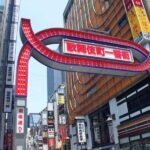
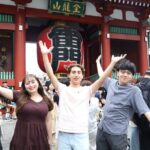
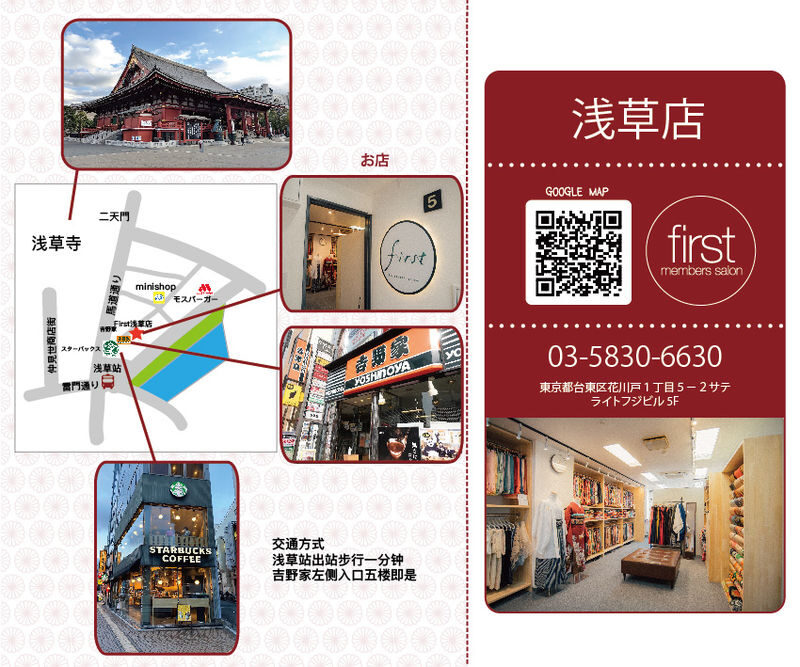
This is a practical way to add a traditional outfit to a day in Asakusa without making the rental itself a separate excursion. Rental Kimono First is at Satellite Fuji Building, 2nd and 5th floors, 1-5-2 Hanakawado, Taito-ku. The shop is described as about 30 seconds from the station and a one-minute walk from Senso-ji Temple and Kaminarimon Gate.
That proximity matters. You can collect your outfit, head toward the temple area, and spend your rental time in the streets and sights that make Asakusa a natural setting for kimono. You do not need to plan a long transfer in traditional footwear or keep checking the clock on a cross-city trip.
The building has two listed floors for the shop. One visitor found the entrance easy to spot and took the lift to the second floor, though the address can still take a little attention to locate. Save the full address and contact number, 03-5830-6630, before you set out.
The shop’s opening hours are 9:00 AM to 6:00 PM. Dressing and styling are available from 9:00 AM to 3:00 PM, so an early appointment gives you the widest window for choosing, getting ready, and exploring. If you book the 3:00 PM slot, arrive promptly: the dressing staff may be off duty if you are late.
You can also read our reviews of more tours and experiences in Tokyo.


Choosing a kimono from more than 1,000 options
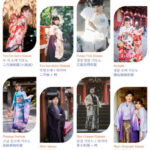
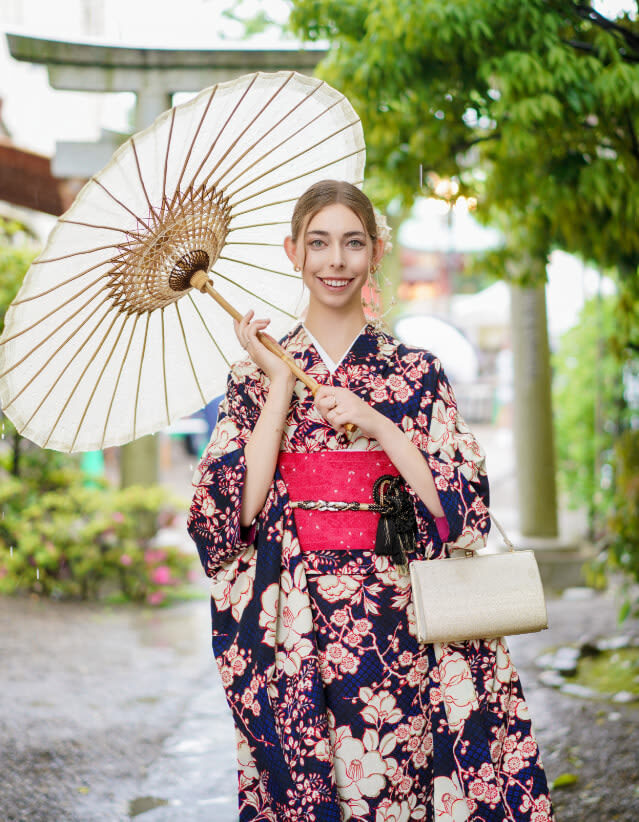
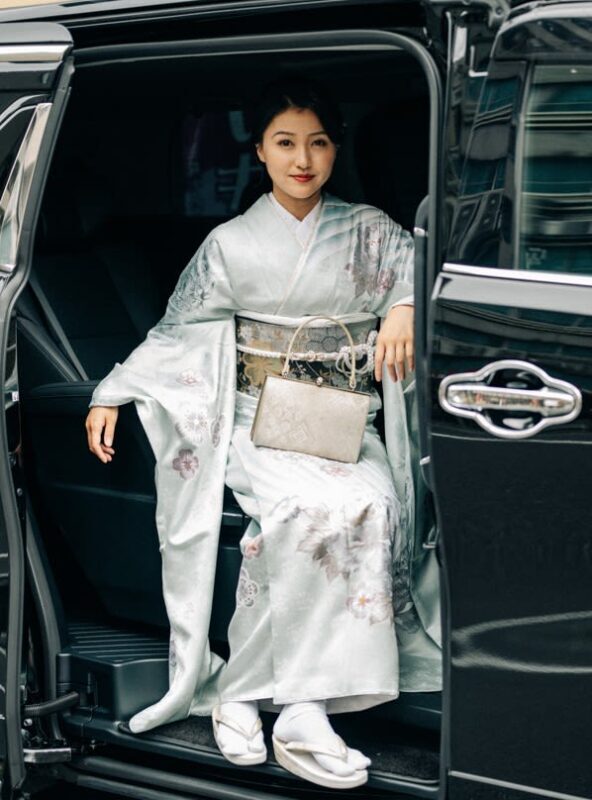
The range is one of the experience’s strongest points. You can choose a casual komon, a knee-length or Taisho retro look, a lace kimono, a furisode, a hakama, or a visiting kimono and premium furisode. Men’s choices include kimono, kimono with hakama, and formal montsuki with hakama. There are children’s kimono and Shichi-Go-San rental options, too.
More than 1,000 garments means this is not a token rack of a few standard costumes. You can browse different patterns and styles, then ask staff to help narrow the field if choosing becomes its own event. Some people find so many options a pleasure; others may be glad to have a staff member suggest a combination.
The shop says it regularly updates its styles and patterns. A few customers with plus-size needs also found suitable choices, which is useful to know if you are worried about selection. Still, fit and availability can depend on the garment, so contact the shop in advance if you have particular requirements.
From June through September, the advertised summer option lets you choose between a yukata and a komon kimono at the same price after you arrive. That flexibility is valuable if you are unsure which style suits the weather or your plans. Confirm the precise terms for your chosen package, since the available garments and price tiers can differ.
What happens during the rental
The basic experience is straightforward: choose your garment, get dressed with staff assistance, add the included accessories, and head out. The package details for the Klook Special single or double experience list a komon kimono, obi belt, undergarment, disposable tabi socks, handbag, wooden clogs, and accessories. Getting the layers and obi arranged properly is a real part of the service. It can be difficult to dress in a kimono by yourself, and the shop’s staff handle that step for you.
Hair and makeup need a closer look when you book. The included items list basic hairstyling, but the general conditions also describe hair styling and makeup as add-ons that cannot be ordered separately from a kimono rental. Other package options include exquisite hairstyles and exquisite makeup. Because the wording varies by package, check the exact inclusions on your selected booking rather than assuming a particular style or makeup service is included.
The shop serves customers in Chinese, English, Korean, and Japanese according to the experience details. English-speaking customers have found it possible to communicate about the process, and the shop’s staff are often described as patient and careful while dressing people. If you want a specific hairstyle or makeup look, tell the staff what you have in mind; makeup requests can be discussed with the artist.
Names that have been singled out include Lisa-san and Kanehama-san, praised for helpful, polite service. Staff assignments can change, of course, so treat those names as a useful thank-you rather than a promise that you will meet the same people.
Taking your outfit into Asakusa
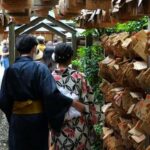
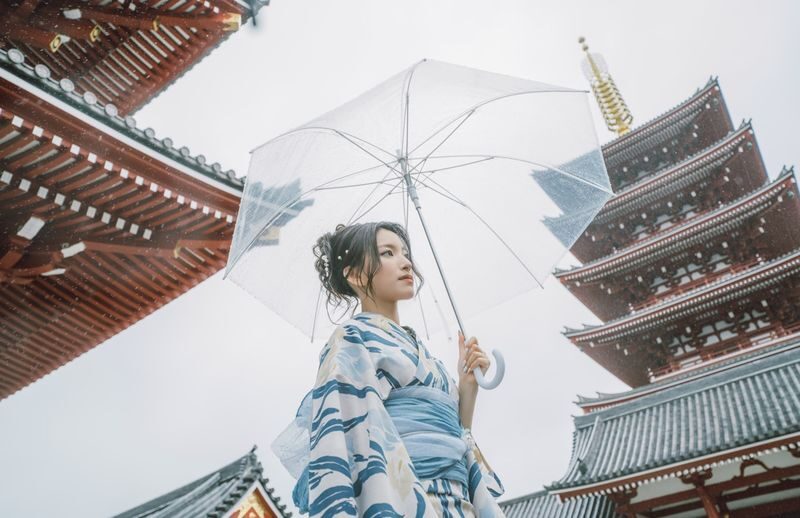
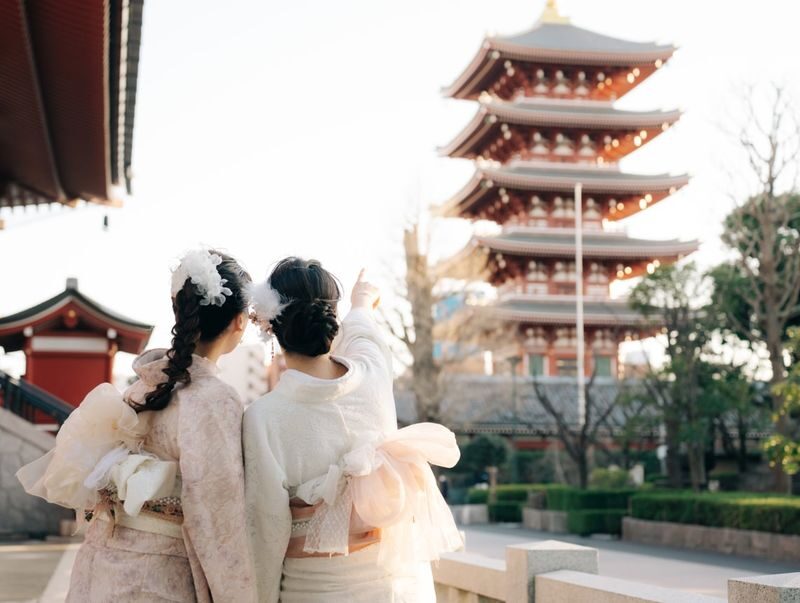
Once dressed, you are in a good position to explore Senso-ji and the surrounding Asakusa area. The temple is close enough that you can make it the first stop without needing to budget much walking time before you arrive. Kaminarimon Gate is also nearby, giving you a familiar landmark and a natural place to begin your stroll.
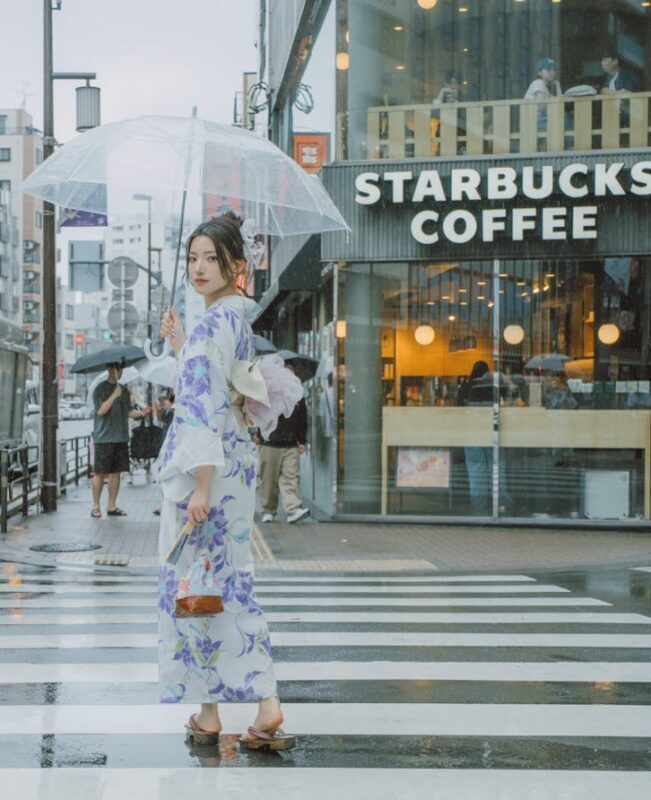
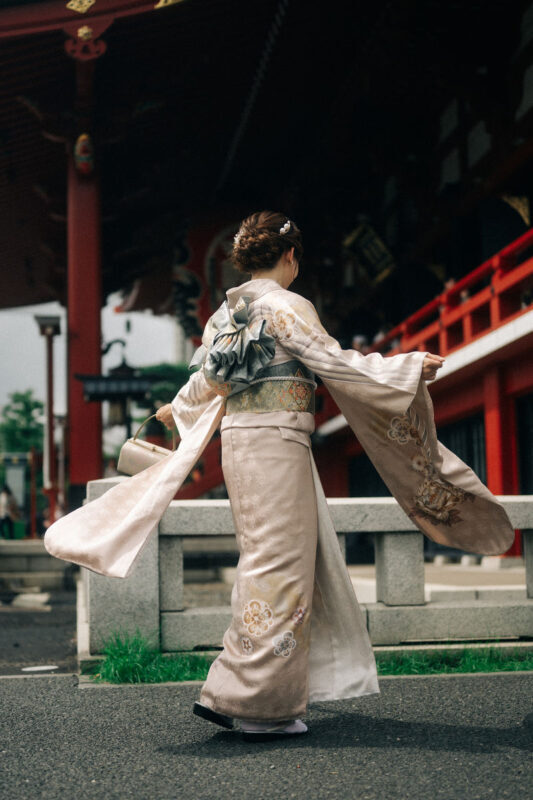
The point is not simply to take a photograph in a costume. Wearing a kimono changes how you experience the district: the clothes connect with the traditional setting, and the walk itself becomes part of the activity. It also makes this a memorable option for couples, friends, and families who want to share an outing rather than book a guided tour.
Do remember that kimono and wooden clogs are not the same as your usual sightseeing clothes and shoes. The supplied information does not specify walking limits or comfort details, so keep your plans realistic and allow time for the return trip. If you intend to visit places beyond Asakusa, ask staff whether your schedule and return arrangement make sense.
Photography around Senso-ji can be booked as a separate option. You need to contact the shop in advance to discuss and confirm shooting times. The shop provides a WeChat contact for photography appointments, and the general contact details also list WhatsApp and LINE. Do not assume a photographer is included with a standard rental.
What the packages and prices really mean
The experience is advertised from $15.79, but that is a starting price, not a reliable cost for every garment or service. The package information also lists a 2,500-yen single-kimono option for adult women and an 8,800-yen double-kimono option. The double option covers two kimonos valued at 5,500 yen each, with no gender or age restriction; friends, couples, and parent-child pairs can use it.
Those figures describe specific offers, so compare the live booking details with the style you want. If you choose a kimono priced above the 5,500-yen allowance in the double package, you pay the difference at the shop. You can upgrade a package on arrival by paying the difference. If you downgrade, you may receive a garment at or below your original package value, but the shop does not refund the price difference.
Value here is about more than the fabric. Your booking can cover the garment, dressing help, accessories, and, depending on the package, basic hairstyling. A very low starting price can make the activity appealing, but the cost may rise if you choose a premium style or add a service. Decide what matters most before you arrive, and ask about any extra charges before making a choice.
The shop also lists a broad range of options beyond the single and double offers: men’s styles, children’s rentals, Shichi-Go-San kimono, premium garments, hair, makeup, and photography. This is useful if your group has different needs, but it also means you should not assume every option is part of the advertised base price.



Keeping the day comfortable and on schedule
The key deadline is 6:00 PM, when same-day rentals must be returned. If you need to keep the kimono overnight, or want a hotel or cross-store return, ask the staff in advance. These arrangements are supported in some form, but the specific details are not given, so confirm the terms before building your plans around them.
Late arrival can cost you the booking. If you are more than an hour late without contacting the shop, the reservation is treated as forfeited with no refund. A 3:00 PM appointment is especially tight because dressing staff may have finished work if you arrive late. If you are delayed, contact the shop as soon as possible rather than hoping it will be fine.
Treat the kimono with care. Late returns and obvious stains or damage can bring a surcharge, and damage during the rental may be charged according to the damage. Participants who appear intoxicated can be refused service without a refund. The activity is not recommended for pregnant women, and children’s kimono sizes are listed for heights from 85 to 140 centimeters.
There is no age limit for the activity, and the double package has no gender or age restrictions. That makes it a flexible choice for families and mixed groups, though the children’s size range is worth checking before you book.
Is this Asakusa kimono rental worth booking?
I would book it if you want the outfit to be part of your Asakusa visit, value hands-on help getting dressed, and are happy to spend most of your rental time near Senso-ji. The wide selection, nearby location, and multilingual service make the experience approachable even if this is your first time wearing a kimono.
I would pause if you want a long day across Tokyo in your rental, are unsure about the return deadline, or expect premium hair and makeup to be included automatically. Check the package closely, arrive early, and contact the shop about any special requests or return arrangements. With those details settled, this is a practical way to make a temple visit feel more personal.
Asakusa Kimono Rental Experience (Tokyo / Provided by Rental Kimono First)
“The hair and makeup service was wonderful! The kimono introduction was very detailed! Every staff member provided excellent service! I would gladly…”
FAQ
Where is Rental Kimono First in Asakusa?
It is at Satellite Fuji Building, 2nd and 5th floors, 1-5-2 Hanakawado, Taito-ku, Tokyo, postal code 111-0033. The shop is described as about 30 seconds from the station and a one-minute walk from Senso-ji Temple.
What are the shop’s opening hours?
The listed business hours are 9:00 AM to 6:00 PM. Dressing and styling are available from 9:00 AM to 3:00 PM.
Can I choose a yukata instead of a kimono?
From June through September, yukata and komon kimono are available at the same price for the relevant summer offer, and you can choose after arriving. Check your selected package for its exact terms.
What is included in the single or double kimono experience?
The package details list a komon kimono, obi belt, undergarment, disposable tabi socks, handbag, wooden clogs, accessories, and basic hairstyling. Inclusions can vary by package, so check your booking details for hair and makeup specifics.
How much do the single and double packages cost?
The package information lists a 2,500-yen single option for adult women and an 8,800-yen double option covering two kimonos valued at 5,500 yen each. The displayed starting price is from $15.79, and upgrades or other packages may cost more.
What heights can use the children’s kimono sizes?
Children’s kimono sizes are listed for heights from 85 to 140 centimeters. There is no age limit for the activity.
When do I need to return the kimono?
Return it to the shop by 6:00 PM on the same day. Contact the staff in advance if you need a next-day, hotel, or cross-store return.
What happens if I arrive late?
If you are more than one hour late without prior notice, your reservation may be treated as forfeited with no refund. The 3:00 PM slot is particularly time-sensitive because dressing staff may be off duty if you arrive late.
Can I book a photography session?
Photography around Senso-ji is listed as an option. Contact the shop in advance to discuss and confirm the shooting time.