Nara’s famous deer are only the beginning of this day out. You’ll have time to visit Todai-ji and Kasuga Taisha, then head up Mount Ikoma for the sky-cycle ride and wide views over the surrounding cities. I like that one trip combines Nara’s historic sites with a small, old-fashioned amusement park, and that the free time lets you set your own pace at each stop.
The main trade-off is that this is transport with guided support, not a fully guided tour of every site. Admission, rides and food cost extra, and walking adds up. Guide service also varies: some people praise guides such as Kangfu, Kou-san and Zhang Yanjin for clear explanations and attentive help, while others report that their English-speaking option felt more like a driver than a guide.
- The day’s best reasons to go
- Why Nara and Ikoma make an unusual pair
- From Osaka to Nara Park
- Deer, temple and shrine, all on foot
- Mount Wakakusa: a view with a seasonal footnote
- Ikoma Sanjo’s sky cycle and small-park charm
- What the transport and guide service are really like
- Who should book this Nara day trip?
- FAQ
- How long does the tour last?
- Where does the tour depart from?
- What is included in the price?
- Are Todai-ji admission and amusement park rides included?
- How much does Todai-ji cost?
- Is Ikoma Sanjo Amusement Park always included?
- Is the tour suitable for young children?
- Can I bring luggage?
- What happens if the weather or traffic changes the schedule?
- Can I cancel the tour?
- The Best Of Nara!
- More Tours in Nara
- More Tour Reviews in Nara
- Not for you? Here's more nearby things to do in Nara we have reviewed
The day’s best reasons to go
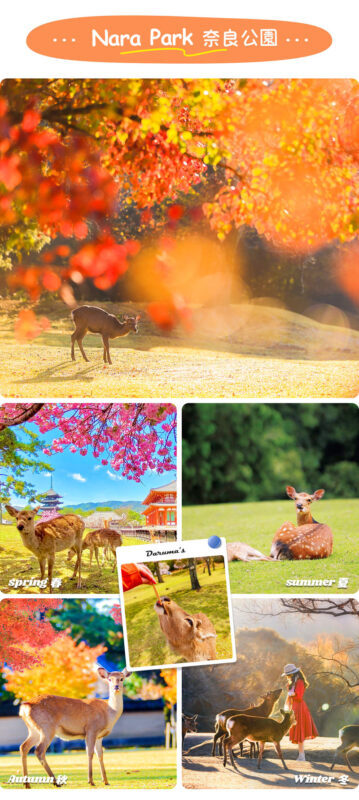
- Feed Nara’s sika deer: Deer roam through Nara Park and may approach for the special crackers sold nearby. Keep food tucked away until you are ready, and expect the deer to be keen.
- See Todai-ji’s Great Buddha Hall: The vast wooden hall houses a 15-meter Vairocana Buddha. Entry is extra, so allow for both the ticket cost and the time needed to visit.
- Walk the old paths at Kasuga Taisha: Stone lanterns and wooded surroundings make this shrine a quieter counterpoint to the deer park. Some special areas require separate admission.
- Look out over Nara from Mount Wakakusa: The grassy hill gives you a different view of the old capital, but the walk can be tiring and access may depend on time and conditions.
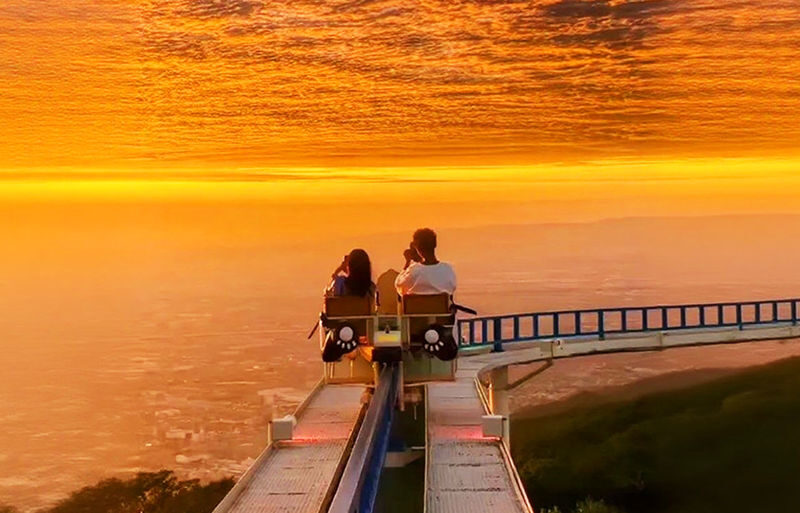
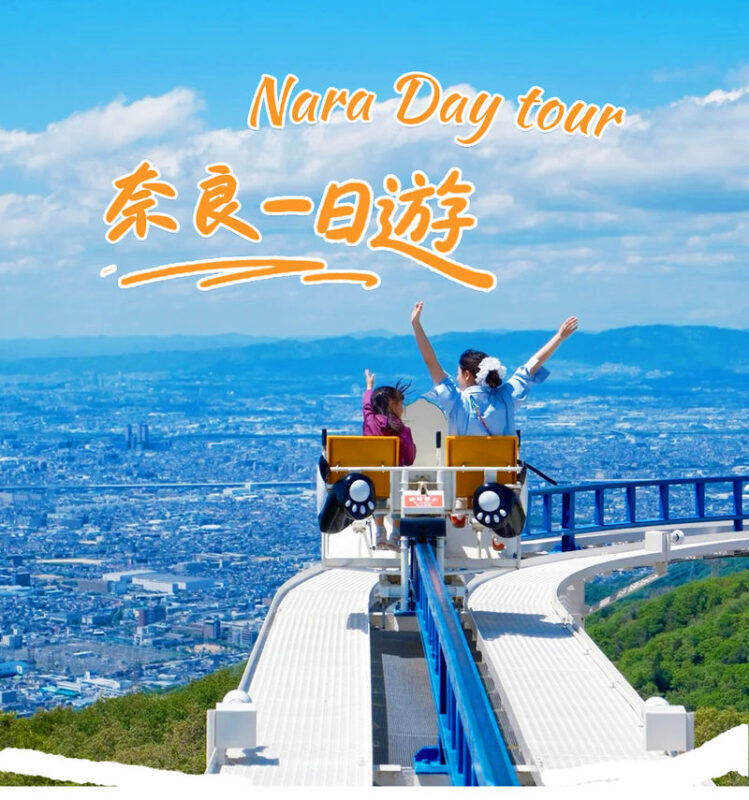
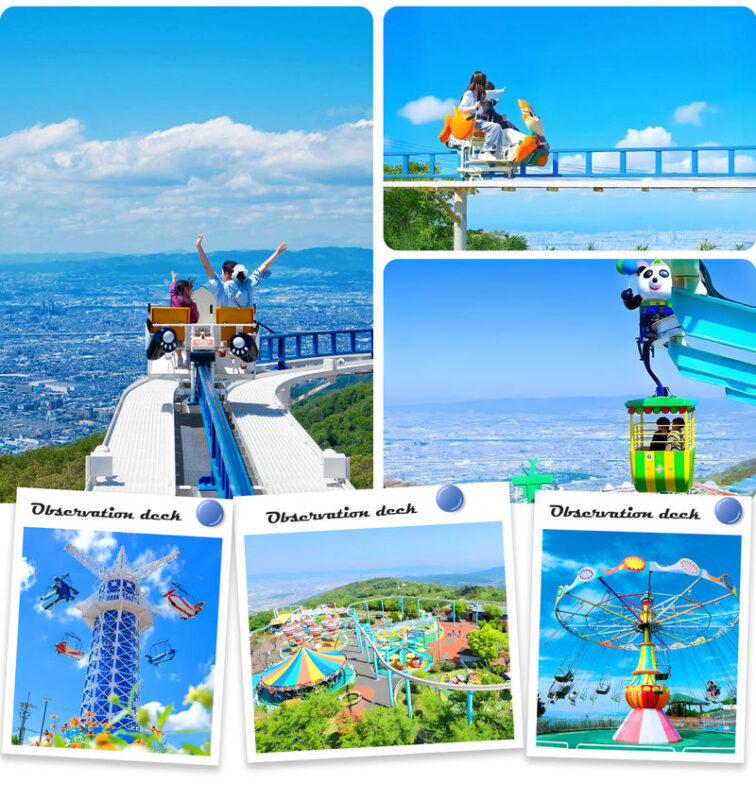
- Try Ikoma’s sky cycle: Pedal a high-altitude bicycle at the mountaintop amusement park for an unusual view across the region. Rides are not included in the tour price.
- Leave the driving to someone else: Round-trip transport from Osaka saves you from arranging a day of connections, while the group format means you must keep to meeting times.

👉 See our pick of the 5 Best Historical Tours In Nara
Why Nara and Ikoma make an unusual pair
Many day trips from Osaka focus on Nara alone. This one adds Ikoma Sanjo Amusement Park, a mountaintop park with a history of nearly a century. That mix is its central appeal: you get deer, Buddhist architecture and shrine paths in the first part of the day, then a playful change of pace above the city.
The tour costs from $44.85, but think of that as the transport and guide price, not the complete cost of the day. Todai-ji admission is 800 yen for adults and for ages 13 to 18, or 400 yen for children aged 6 to 12. A combined ticket for the Great Buddha Hall and Exhibition Hall is 1,200 yen for adults and 600 yen for children aged 6 to 12. Ikoma’s park admission is free, but rides are extra. A listed discount ticket costs 3,500 yen for 12 rides. Meals, drinks and other personal expenses are also on you.
For the price, the convenience is the strongest part of the deal. Nara is reachable by public transport, but this tour also links the park to a mountaintop attraction that can take more planning to reach independently. You trade the freedom of choosing your own transport and schedule for a single vehicle, set stops and a group timetable.
You can also read our reviews of more tours and experiences in Nara


From Osaka to Nara Park
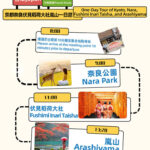
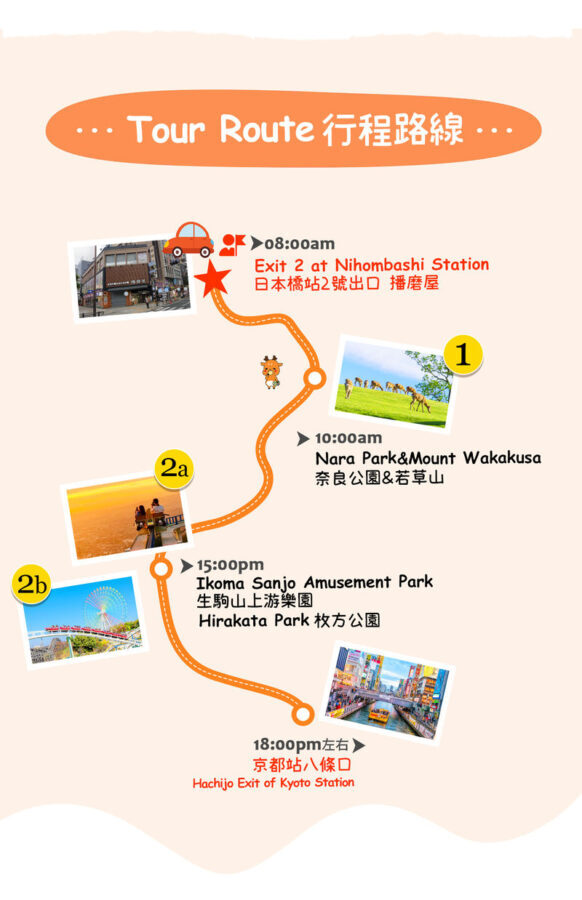
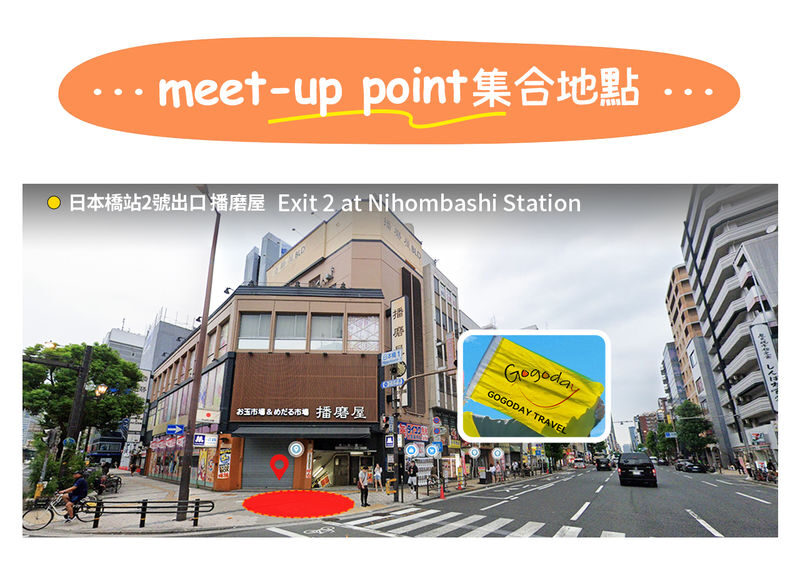
The day starts at 9 a.m. at Nihonbashi Exit 2 Harimaya in Osaka. Look for the guide holding a GOGODAY flag, and arrive 15 minutes early. The vehicle and guide details are sent by email between 8 and 9 p.m. the night before, so check your spam folder as well as your inbox.
Nara Park is scheduled for about four hours of self-guided time, shared among the deer, Todai-ji, Mount Wakakusa and Kasuga Taisha. That sounds generous, but these are spread-out sights, and some may be skipped if the weather or capacity affects the plan. Follow the guide’s directions about where and when to meet again, and be realistic about how many stops you can fit in.
The driver may drop you at a convenient point, but you should not assume you will be escorted through each site or given a full explanation on the spot. Some guides offer route suggestions and background before you set off. Others provide little more than transport and a return time. If detailed interpretation is important to you, confirm what the English-speaking package includes before booking.
Deer, temple and shrine, all on foot
The deer make Nara Park an easy hit with children, but they are not toys. They approach for food, and a crowd of eager deer can form quickly. Buy deer crackers only when you are ready to feed them, keep hold of loose papers and bags, and stop feeding once you have run out. The deer are the star attraction, but give them space and keep small children close.
Todai-ji is the day’s major architectural stop. The Great Buddha Hall is described as the world’s largest wooden building, and the scale is striking even before you enter. Inside, the 15-meter Vairocana Buddha gives the hall its quiet centre. The admission fee is separate, and you can choose the Great Buddha Hall alone or the combined hall and exhibition ticket. If you want to see the interior, leave time for the ticket queue and the walk through the temple grounds.
Kasuga Taisha brings a different mood. Founded in 768, it is known for its connection to the surrounding woodland and its stone lantern-lined paths. The shrine’s special visits, National Treasure Hall and Manyo Botanical Gardens are not included, so check the ticket options if those are priorities. Wisteria is a seasonal draw in late spring, but flowering depends on the year and weather. Don’t book this trip solely for a particular bloom.
Wear shoes you can walk in for several hours. The Nara portion includes distances between sites, and the ground and paths may be tiring, especially if you also climb Mount Wakakusa. One practical option is to ask your guide about the route and where to start. Some have suggested taking a small train up the mountain to reduce uphill walking, but availability and suitability should be confirmed on the day.
Mount Wakakusa: a view with a seasonal footnote
Mount Wakakusa gives you a broad view over Nara and a change from temple interiors and deer-filled paths. The hill is known for open grassland and views toward the old capital. The ascent and descent take effort, though, and the tour’s limited time means the guide may adjust or omit a stop to keep the day moving.
The famous Wakakusa Yamayaki, when the hillside is set alight as part of a winter tradition, is a seasonal event, not a standard feature of this daytime tour. The event and the hill’s appearance depend on the calendar and conditions. Treat it as a possible cultural detail, not something guaranteed on your date.
Weather matters here. Rain can make the walk less pleasant, while summer heat can turn a hill walk into a bigger undertaking. Bring a rain jacket or umbrella if showers are possible, and carry water. The schedule can change because of weather and traffic, and no particular view or seasonal scene is assured.
Ikoma Sanjo’s sky cycle and small-park charm
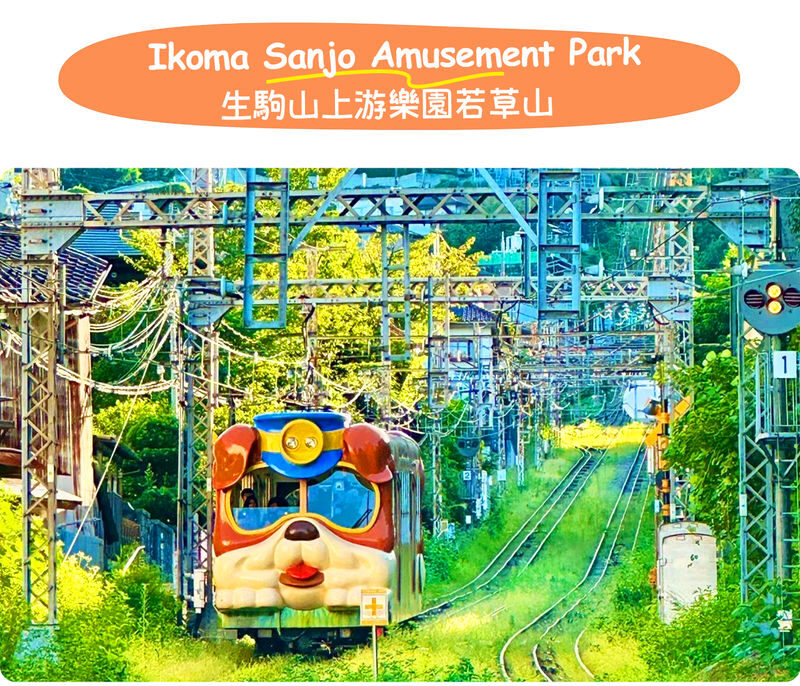
Around 3 p.m., the group heads to Ikoma Sanjo Amusement Park for roughly two hours of self-guided time. The park sits at the top of Mount Ikoma, and its high-altitude bicycle ride is the unusual draw: you pedal along a track suspended above the ground, with views toward Nara, Osaka and Kyoto. It is a memorable contrast with the quiet shrine paths earlier in the day.
The park suits families especially well if the children enjoy gentle rides. It is not a large thrill-ride destination, and some rides may be closed. One useful reality check: a few people have found it geared more toward younger children than older teens or adults. If the sky cycle is your main reason for booking, remember that ride access and operating status are not guaranteed, and check current conditions before departure.
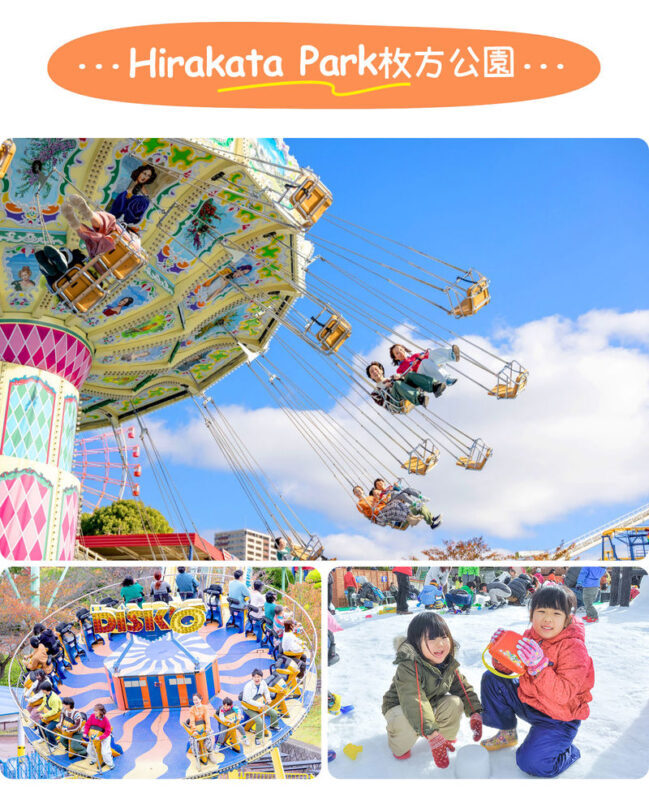
Admission to the park is free, but the rides are not. The listed 12-ride discount ticket costs 3,500 yen, and the tour price does not include it. Keep some spending money available, and check whether the ticket fits your group’s plans. The park may also be temporarily closed. In that case, the stated alternative is Hirakata Park, so the second half of the day may not be the mountaintop experience you expected.


What the transport and guide service are really like
The group can range from 4 to 48 people, and the vehicle depends on the day’s numbers. When the group is small, a compact car may be used instead of a large bus. That can make the ride feel more personal, but space is limited and the tour warns that small vehicles may be less comfortable on the long drive.
The guide can make a real difference. Names that have been particularly well regarded include Kangfu, who was praised for helping families and explaining the stops, and Kou-san and Zhang Yanjin, who were described as attentive and helpful. Those experiences are not a guarantee, however. Reports about the English option are mixed, including accounts of a driver who spoke little or no English. Book with the understanding that the tour is primarily a practical way to connect the destinations, and that the depth of commentary can vary.
The return to Osaka Kintetsu Nipponbashi is estimated for 5:30 to 6:30 p.m. Traffic and weather can push it later. Keep the evening free rather than booking a timed dinner, show or train connection that depends on an exact arrival.
Who should book this Nara day trip?
This tour makes sense if you want to combine Nara’s major sights with Ikoma without organizing all the transport yourself. It is particularly useful for families, first-time visitors and anyone who likes having a vehicle and a guide contact to help coordinate the day. The amusement park adds variety for children, and the open schedule at Nara lets you choose where to spend your time.
It is less suitable if you want a slow, detailed visit to every temple and shrine, or if you expect a guide to accompany you throughout. Nara alone can fill a day, and fitting four stops into the scheduled park visit calls for choices. It may also disappoint if you are booking specifically for a certain ride, seasonal flower or festival.
Arrive early, travel light and wear comfortable shoes. Each person can bring one piece of luggage, preferably carry-on size, but you must tell the operator when booking. Infants under three who do not need a seat still count toward the vehicle limit and must be declared. Children aged three and up pay the adult rate; ages zero to two ride free if they do not occupy a separate seat. Child seats are not available.
Book it for the combination of Nara’s deer and temples with Ikoma’s sky cycle, plus the convenience of round-trip transport from Osaka. Skip it if your priority is a deeply guided cultural tour or a guaranteed visit to every stop. The best way to approach the day is as a flexible, transport-led outing with extra costs and some walking, not as an all-inclusive tour.
Full-day experience at Osaka Nara Park and Ikoma Sanjo Amusement Park, enjoying panoramic mountain views
“A pleasant and easy day trip. The fee only covers the guide and transportation, which is a bit of a pity since everything else is at your own expen…”
FAQ
How long does the tour last?
The scheduled day runs from 9 a.m. to about 5:30 p.m., or roughly 8.5 hours. The return to Osaka may take until 6:30 p.m. because of traffic or weather.
Where does the tour depart from?
Meet at Nihonbashi Exit 2 Harimaya, at 1-chome-3 Nipponbashi, Chuo Ward, Osaka. Arrive 15 minutes before departure and look for the GOGODAY flag.
What is included in the price?
Round-trip transfers from the meeting point and a guide are included. The package options include Chinese-speaking and English-speaking guide choices.
Are Todai-ji admission and amusement park rides included?
No. Todai-ji admission and Ikoma Sanjo’s rides cost extra. The amusement park itself has free admission.
How much does Todai-ji cost?
The Great Buddha Hall costs 800 yen for adults and ages 13 to 18, and 400 yen for children aged 6 to 12. A combined Great Buddha Hall and Exhibition Hall ticket costs 1,200 yen for adults and 600 yen for children aged 6 to 12.
Is Ikoma Sanjo Amusement Park always included?
The tour plans a visit there, but the park may be temporarily closed. The stated alternative is Hirakata Park.
Is the tour suitable for young children?
Children are welcome. Ages zero to two can travel free if they do not occupy a separate seat, but they must be included in the passenger count. Children aged three and up pay the adult rate. Child seats are not available.
Can I bring luggage?
Each person may bring one piece of luggage, preferably no larger than a carry-on suitcase. Tell the operator when booking. Large luggage may not fit, particularly when a small vehicle is used.
What happens if the weather or traffic changes the schedule?
The order of stops may change, and some attractions may be skipped because of weather, traffic or capacity. The return time is an estimate, so avoid booking other activities that evening.
Can I cancel the tour?
A full refund is available if you cancel at least 24 hours before the activity date, subject to the stated conditions. Late arrivals and no-shows are not refundable.