A tea ceremony is not just a cup of matcha. At Kissako An, you learn the gestures and reasons behind the ritual, from purifying the tools to entering the tea room through a side door. The experience is led by a tea master, including Mr. Hirano, and explanations are available in English.
I like two things in particular: you get to make your own usucha, rather than simply watch someone else prepare it, and the explanations connect small details, such as the bowl you receive, to the ceremony’s ideas of respect and care. Tea and a Japanese sweet are included, too.
The main drawback is the address. Kissako An is not near Nara’s best-known sights, and finding it in a residential area can take extra care. Plan your route before you set out, and don’t count on a taxi driver knowing the exact spot.
- Learn the ceremony’s steps: The tea master explains etiquette, cleansing, and how the tools are used.
- Make and drink usucha: You take part in preparing thin matcha, with guidance along the way.
- Notice the bowls: The tea master may explain the background and meaning of the bowls used for each participant.
- Enjoy a Japanese sweet: A sweet is served with the tea and is included in the price.
- Get English explanations: English-speaking staff help beginners follow the ceremony.
- Allow time for the trip: Kissako An is about a seven-minute walk from Heijo Station, not Nara Station.
- A tea lesson in a quiet Nara neighborhood
- From cleansing to the first bowl
- The bowls, the sweet, and what they add
- English guidance makes the ceremony easier to follow
- Getting to Kissako An without losing time
- What the price covers, and who gets the best value
- Should you book the Nara tea ceremony?
- FAQ
- How much does the Tea Ceremony Experience cost?
- Where is Kissako An?
- Is the experience available in English?
- What will I do during the ceremony?
- What should I bring?
- Can children participate, and is Kissako An open every day?
- The Best Of Nara!
- More Tours in Nara
- More Tour Reviews in Nara
- Not for you? Here's more nearby things to do in Nara we have reviewed
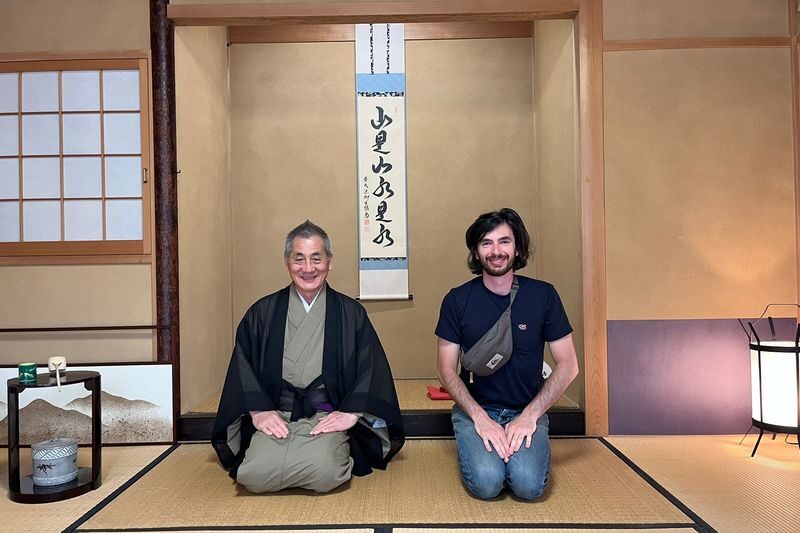
A tea lesson in a quiet Nara neighborhood
 1 / 4
 2 / 4
 3 / 4
 4 / 4
The Tea Ceremony Experience at Kissako An offers a direct way into a Japanese tradition, without requiring you to know the rules before you arrive. For about US$25.29, you learn how to prepare and drink usucha, or thin matcha, and hear why the ceremony unfolds as it does.
That teaching is central to the experience. You are not just handed a bowl and left to guess what to do. The tea master explains the gestures, the utensils, and the etiquette in English, then guides you through the process. Beginners can take part, and the minimum age is six.
The setting is a traditional tea room at Kissako An, at 349-5 Sanryo-cho. The address is outside Nara’s main sightseeing area, which gives the visit a quieter feel, but also makes it less convenient to fold into a quick walk around Nara Park. Think of it as a separate cultural stop, not a break you can casually squeeze between nearby attractions.

👉 See our pick of the 5 Best Historical Tours In Nara
From cleansing to the first bowl
The ceremony begins with etiquette and preparation. You may learn how to enter the tea room, including the use of a side door, and how cleansing fits into the ritual. These steps can seem formal at first, but the tea master explains what they mean, so they feel less like a test of manners and more like a way to show respect for the tea, the tools, and the people sharing the room.
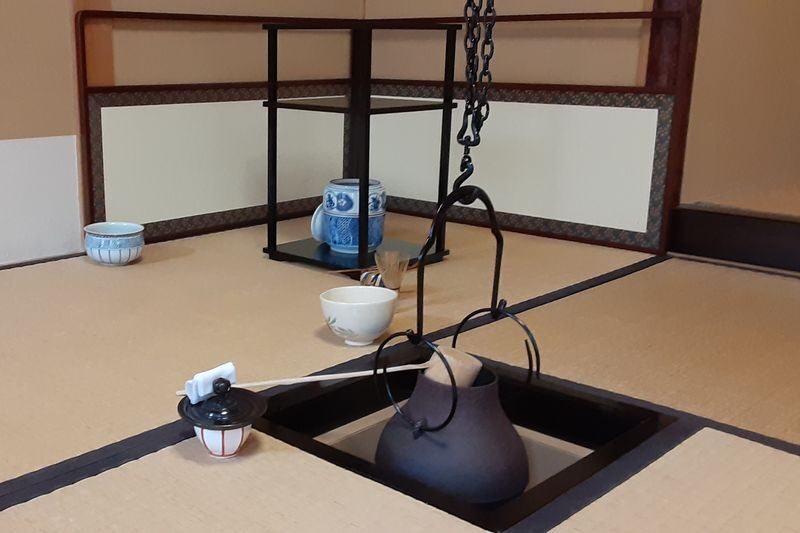
The equipment gets attention, too. The tea master explains how the utensils are handled and purified, and why those actions matter. This is one of the most useful parts for a first-timer: the ritual becomes easier to follow when you understand the purpose behind each movement.
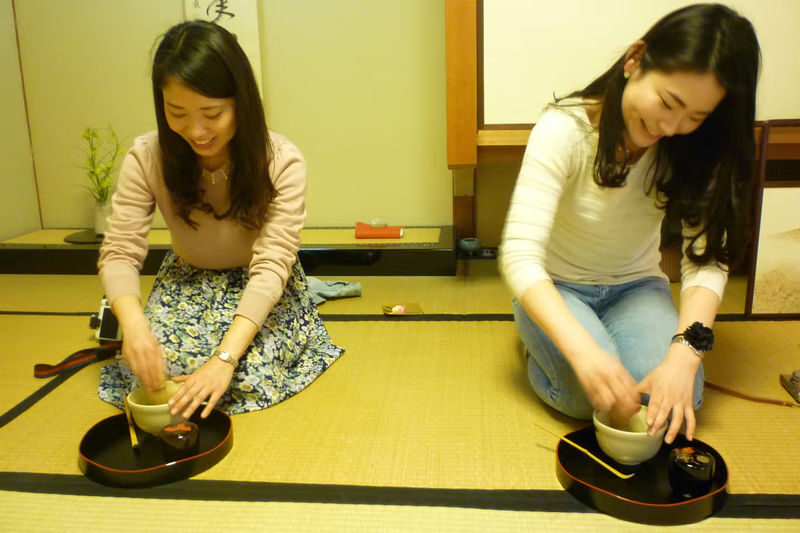
Then comes the matcha. The experience is listed as an usucha plan, meaning thin matcha, and participants learn about preparing it rather than only watching a demonstration. The whisking is a memorable part of the process, and the host guides you through the technique. You do not need prior experience; the point is to learn by trying, with help close at hand.
The ceremony is deliberate, but it is not meant to leave you feeling out of place. A careful tea master may correct your movements so you can follow the form, while keeping the mood warm and welcoming. If you are worried about getting every gesture right, relax. You are there to learn, not to arrive as an expert.
You can also read our reviews of more tours and experiences in Nara.


The bowls, the sweet, and what they add
A bowl of matcha is part of the experience, but the bowl itself can carry meaning. The tea master may explain the background of the bowl given to each participant and why a particular piece has been chosen. That small detail helps you notice how much care goes into setting up a tea gathering.
You also get to taste the matcha with a Japanese sweet. The sweet is included in the price, and it gives you a second flavor to notice alongside the tea. This is not a full meal, so plan lunch or dinner separately if you need one.
The session’s value lies in the context as much as in the drink. Matcha at a café might be quicker, but here you learn about the ceremony’s gestures, objects, and customs while taking part yourself. If you are curious about Japanese culture, that difference can make a modestly priced activity feel worthwhile.
English guidance makes the ceremony easier to follow
English explanations are available, and the tea master’s clear instruction is a major reason this activity works well for international visitors. You can ask what a gesture means and follow the steps without having to infer everything from watching.
You may also pick up a few Japanese words along the way. The experience remains focused on tea, though, rather than turning into a broad language or history class. The useful balance is practical: learn the customs as you perform them, then see how the details fit together.
The teaching style can be precise. You may be shown the correct way to handle a tool or move through a step, then invited to try it yourself. If you enjoy learning hands-on, that attention is a plus. If you prefer a relaxed tasting with little instruction, this may feel more structured than you want.
Getting to Kissako An without losing time
The listed meeting point is Kissako An in Sanryo-cho. The nearest stated rail access is Heijo Station on the Kintetsu Kyoto Line, about a seven-minute walk away. That is a different station from Nara Station, so check your route rather than searching only for Nara Station and assuming the activity is nearby.
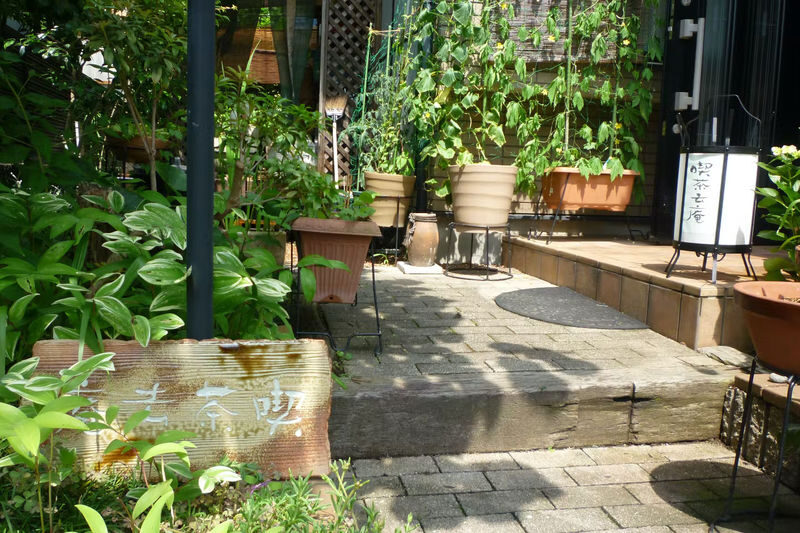
The walk from Heijo Station passes through residential streets. The address may not be obvious from the main tourist route, and the tea room is not in the center of the Nara Park area. Some visitors have found the directions confusing, and taxi drivers may not know the location. Use the address and map carefully, leave a buffer, and make sure your phone can access the route.
From Nara Park, a taxi has been estimated at about 20 minutes, while one reported rail trip took around 40 minutes. Travel times can vary with your starting point and connections, so treat these as planning guidance, not a guarantee. The official directions also give about 10 minutes by car from the Horai interchange on the Daini Hanna Expressway.
Arrive on time. The voucher is valid only for the booked date and time, and late arrivals or no-shows are not eligible for refunds. You must be able to display the voucher on a phone or another internet-connected device, so open it before you set out if you are unsure about coverage.
What the price covers, and who gets the best value
The usucha plan starts at US$25.29. The price includes the experience fee, course fee, tea, drink, Japanese sweet, materials, rental items, facility use, tax, and an English-speaking staff member or professional guide. Personal expenses are extra.
That is a fair price for a guided cultural activity where you take part in the preparation and learn the meaning of the forms. It is especially good value if you want more than a quick matcha tasting. The activity is focused, though: it is not a full-day tour, a meal, or a sightseeing visit to Nara’s major landmarks.
I would recommend it to curious first-timers, families with children aged six and up, and anyone who enjoys learning the meaning behind everyday objects and customs. It may be less suited to someone on a very tight Nara itinerary, or anyone who wants an activity right beside the city’s central sights.
Bring socks, as requested. The experience is available throughout the year, with spring and autumn singled out as especially appealing seasons. Kissako An is closed on Wednesdays, so check the day before choosing a time.


Should you book the Nara tea ceremony?
Book this experience if you want a guided, hands-on introduction to tea ceremony and are willing to travel beyond Nara’s main sightseeing zone. The English explanations, chance to prepare usucha, and attention to the bowls and etiquette make it more than a photo stop.
Skip it if you have little time, want to stay close to Nara Park, or would rather have a casual drink without instruction. For everyone else, plan the route carefully and arrive ready to slow down. At this price, it is a practical way to spend an hour or so with one of Japan’s most thoughtful traditions, though the exact duration is not specified.
Tea Ceremony Experience (Nara)
“Mr Hirano was an excellent tea master and provided a very memorable experience for my whole family. He explained all the aspects of the ceremony fr…”
FAQ
How much does the Tea Ceremony Experience cost?
The Tea Ceremony Experience Plan for usucha starts at US$25.29. The price includes the tea, Japanese sweet, experience and course fees, materials, rental items, facility use, and tax.
Where is Kissako An?
Kissako An is at 349-5 Sanryo-cho, Nara-shi, Nara Prefecture 631-0803. It is about a seven-minute walk from Heijo Station on the Kintetsu Kyoto Line.
Is the experience available in English?
Yes. English-speaking staff are included, and explanations of the ceremony are available in English.
What will I do during the ceremony?
You will learn about tea ceremony etiquette, cleansing, and the tools, then take part in preparing and drinking usucha. A Japanese sweet is included.
What should I bring?
Bring socks. You also need to show your voucher on a smartphone or another device with internet access.
Can children participate, and is Kissako An open every day?
Participants must be at least six years old. Kissako An is closed on Wednesdays.