Nara’s deer are only the opening act on this day trip from Osaka. Depending on the package and season, you may pair them with Todai-ji’s immense Great Buddha, a mountainside temple, or a sweep of cherry blossoms or autumn color.
I like the mix of ancient Nara and seasonal scenery, and the freedom to explore each stop at your own pace. The day also saves you the work of arranging transport between widely spaced sights. On some departures, the driver and tour leader has been Li Xiang, also referred to as 小李, but staffing can vary.
The main caution is that the route details are not fully consistent: Fushimi Inari, Takami no Sato, Mount Yoshino and Tsubosaka-dera appear in different package descriptions. Check the exact route and admission costs for your chosen date before paying.
- Key points to know before booking
- What this Osaka day trip is really offering
- Fushimi Inari’s gates, if your route includes them
- Nara Park and the deer
- Todai-ji and the Great Buddha
- Tsubosaka-dera’s mountain temple setting
- Seasonal choices: Takami no Sato or Mount Yoshino
- The day’s pace, transport and guide support
- Is the price good value?
- Who should book this tour?
- FAQ
- Where does the tour leave from?
- What time does the tour depart and return?
- Is Fushimi Inari included on every route?
- Are admission tickets included?
- Is food included?
- What languages can the guide speak?
- Does the tour guarantee cherry blossoms or autumn leaves?
- The Best Of Nara!
- More Tours in Nara
- More Tour Reviews in Nara
- Not for you? Here's more nearby things to do in Nara we have reviewed
Key points to know before booking
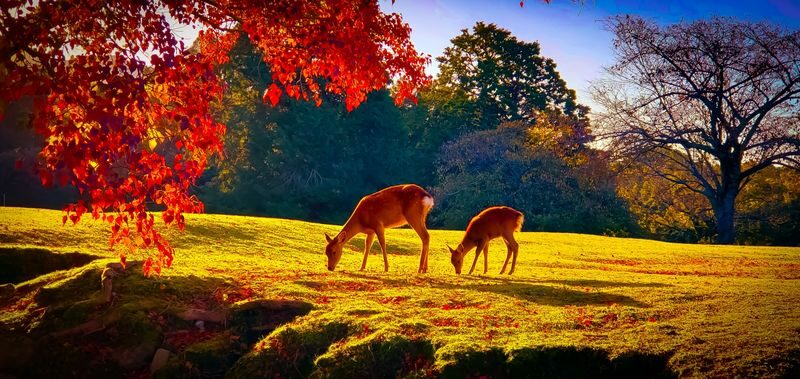
- Nara Park puts free-roaming sika deer beside major temples. Deer crackers cost extra, and the animals are wild, so keep food tucked away until you are ready to feed them.
- Todai-ji is a major cultural stop, not just a photo break. Its Great Buddha Hall is one of Japan’s largest wooden buildings, and the Great Buddha stands about 15 meters tall.
- Season determines the mountain stop. The spring route may visit Takami no Sato for cherry blossoms; the autumn option may head to Mount Yoshino for fall foliage.
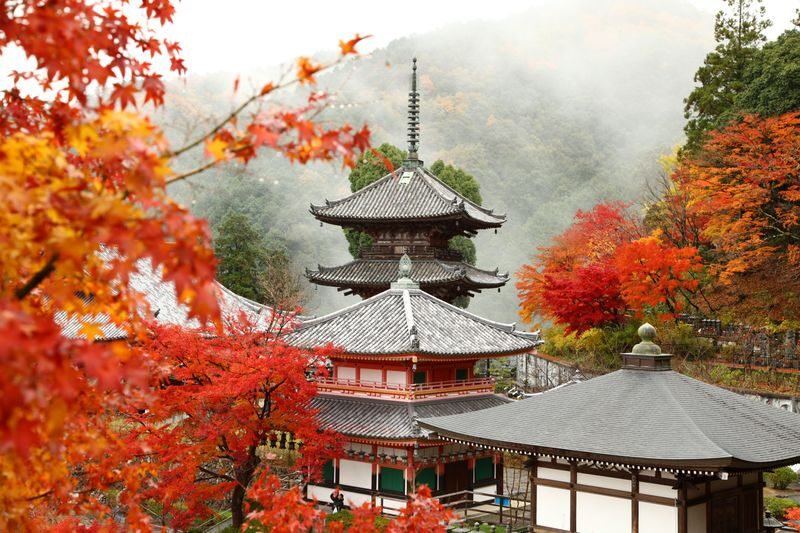
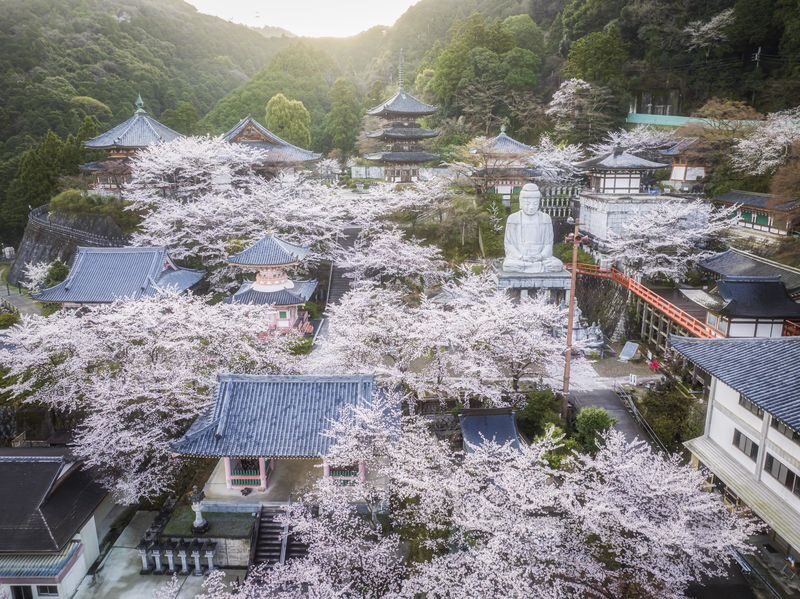
- Tsubosaka-dera adds a quieter temple setting. The mountainside grounds are known for a large stone Buddha and seasonal blossoms or leaves.
- You get free time at the sights, not a guided walk at every stop. A multilingual guide is included, but small groups may have a driver who also acts as attendant.
- The advertised starting price is not the full day’s cost. Admission, food and some seasonal expenses are extra.

👉 See our pick of the 5 Best Historical Tours In Nara
What this Osaka day trip is really offering
This is a long day of contrasts: a famous shrine approach, deer grazing near ancient buildings, a huge Buddha hall and, on seasonal versions, mountain temples or flower and foliage views. The appeal is variety without needing to plan several separate train and bus connections from Osaka.
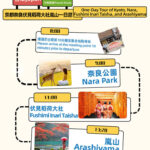
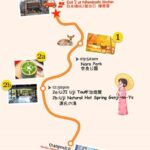
But the route matters. The tour is presented with regular and seasonal packages, and the supplied details do not line up neatly across them. Fushimi Inari is listed as a regular-route highlight, Takami no Sato is named in the spring package, and Mount Yoshino in the autumn package. Tsubosaka-dera appears as a key stop, while the schedule has an unclear second stop. Treat these as route options, not a promise that every departure visits all of them.
Before booking, check the exact package name, date-specific stops, and admission charges. That small bit of homework will tell you whether the day matches your priorities: Kyoto’s torii gates, Nara’s temples and deer, or seasonal mountain scenery.
You can also read our reviews of more tours and experiences in Nara.


Fushimi Inari’s gates, if your route includes them
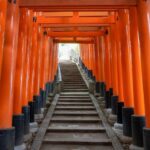
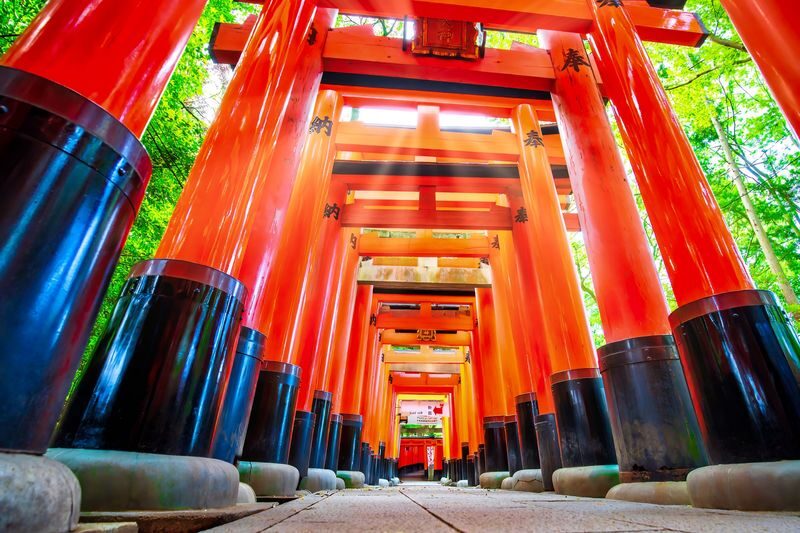
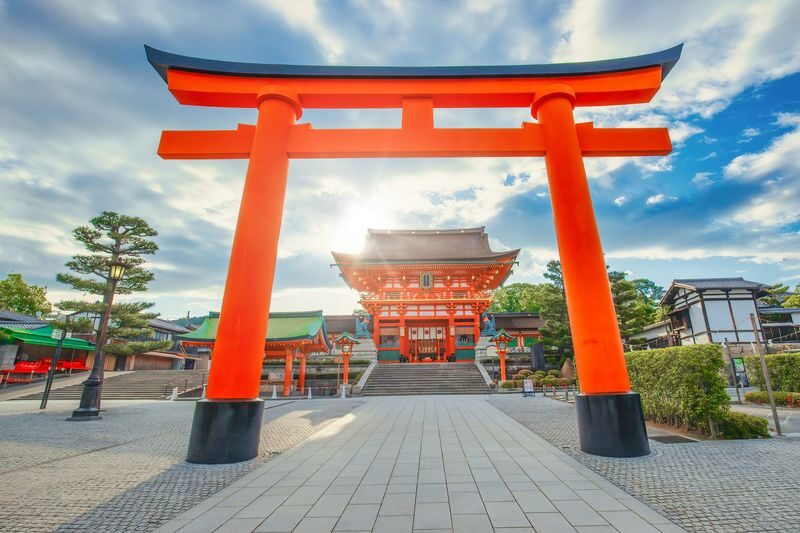
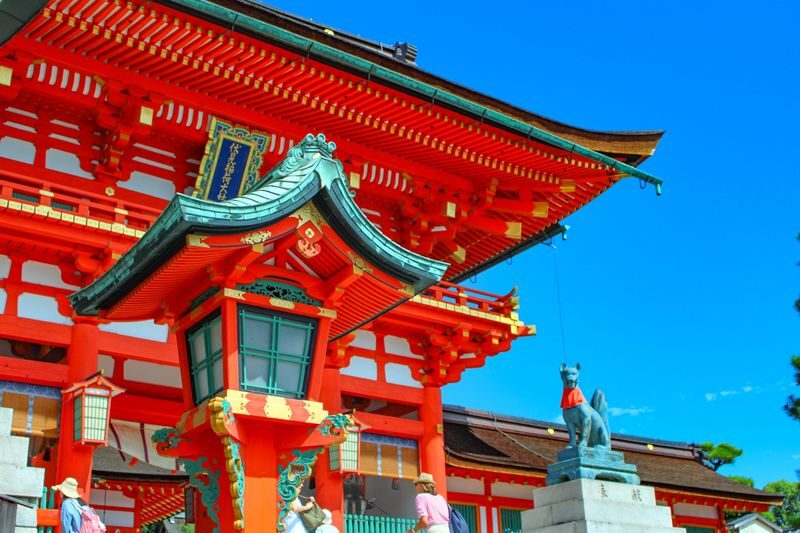
Fushimi Inari-taisha is Kyoto’s best-known shrine, famed for the Senbon Torii, rows of vermilion gates that form a striking path through the grounds. The planned stop is about 1 hour 30 minutes, with time to walk around independently rather than follow a guided tour throughout.
That is enough to see the shrine’s famous gate-lined approach and take in the atmosphere, but it is not a full mountain walk. If you want to climb farther, you will need to manage your own time and turn back in time for the group. The stop is also not included on the listed spring and autumn routes, so do not assume it comes with a seasonal package.
Fushimi Inari is in Kyoto, while the rest of the day’s named sights are in Nara Prefecture. That makes this a broad regional sampler rather than a deep visit to one town. It can suit a first trip when you want to see several icons, but time at each place will be limited.
Nara Park and the deer
Nara Park’s free-roaming sika deer make the ancient capital feel unusually close at hand. You can watch them wander among the trees and historic sites, then buy deer crackers if you want to feed them. The crackers are not included, and it is wise to keep bags and snacks out of reach until you know how the deer behave around you.
The park also gives you access to a cluster of major sights, including Todai-ji, Kasuga Grand Shrine and Kofuku-ji. A stop here is about more than a deer photo: it puts the city’s long history into a setting where temples, greenery and wildlife share the same space.
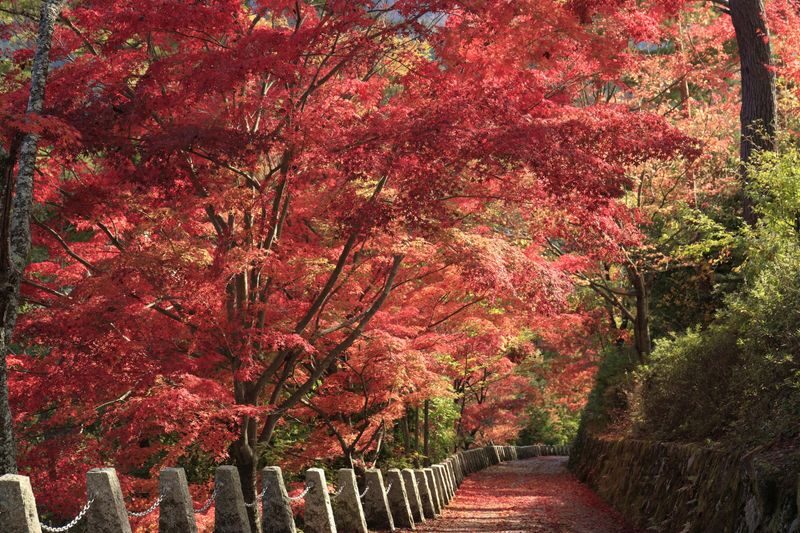
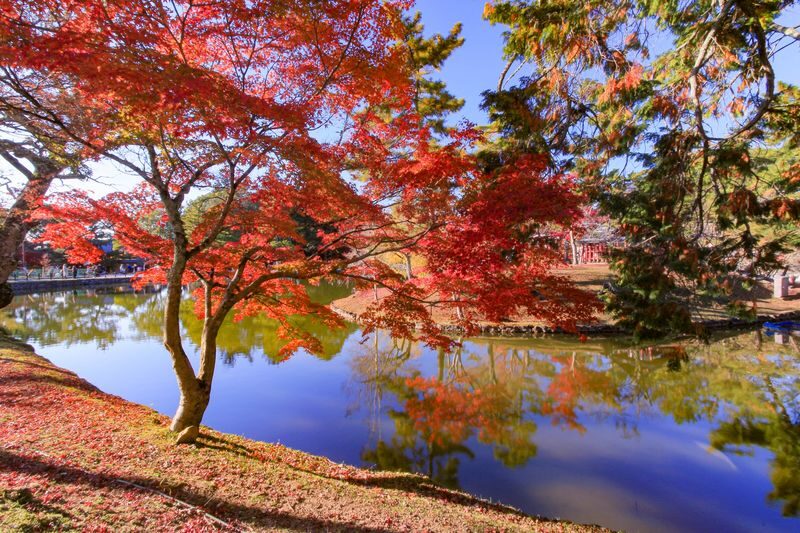
Spring brings cherry blossoms, while autumn brings maple and ginkgo color. Neither is guaranteed to be at its peak on your date. Weather shifts the season, and the tour still goes ahead as scheduled if the blossoms or leaves are early or late.
Todai-ji and the Great Buddha
Todai-ji is the day’s essential history stop. Its Great Buddha Hall is one of Japan’s largest wooden structures, built to house a seated bronze Buddha around 15 meters tall. The scale is hard to grasp from photographs; in person, the hall and statue give the visit a sense of ceremony that a quick exterior view cannot.
Allow time to look beyond the main hall, too. The temple grounds include places such as Mirror Pond and Nigatsu-do, where seasonal foliage can add another reason to slow down. With a schedule shared among several stops, you may need to choose between a longer temple visit and extra time elsewhere.
Admission to the Great Buddha is not included. The supplied cost information is not entirely clear about which temple tickets are payable on site, so confirm the current charge for your selected package before departure. Bring some extra spending money rather than treating the advertised fare as a ticket-inclusive price.
Tsubosaka-dera’s mountain temple setting
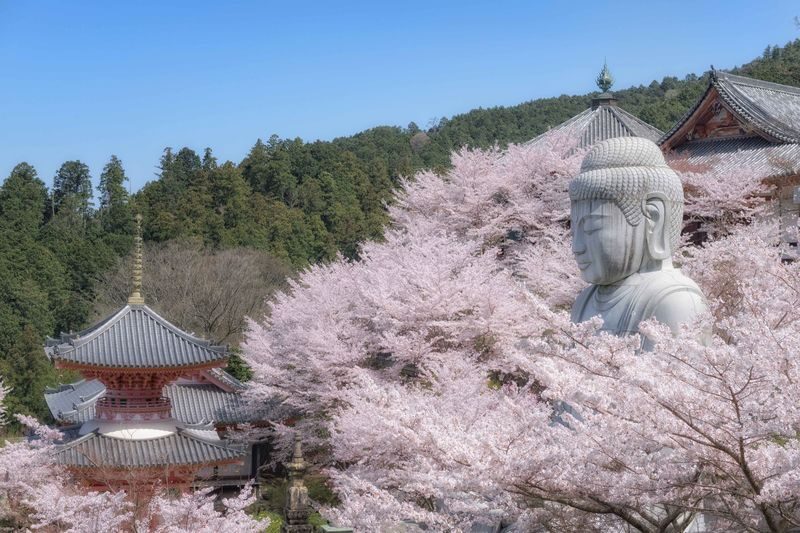
Tsubosaka-dera is the less familiar name on the route, and that is part of its appeal. The temple has more than 1,300 years of history and is known for prayers relating to eye ailments and a giant stone Buddha. Its mountain location makes the visit feel different from the broad park setting around Todai-ji.
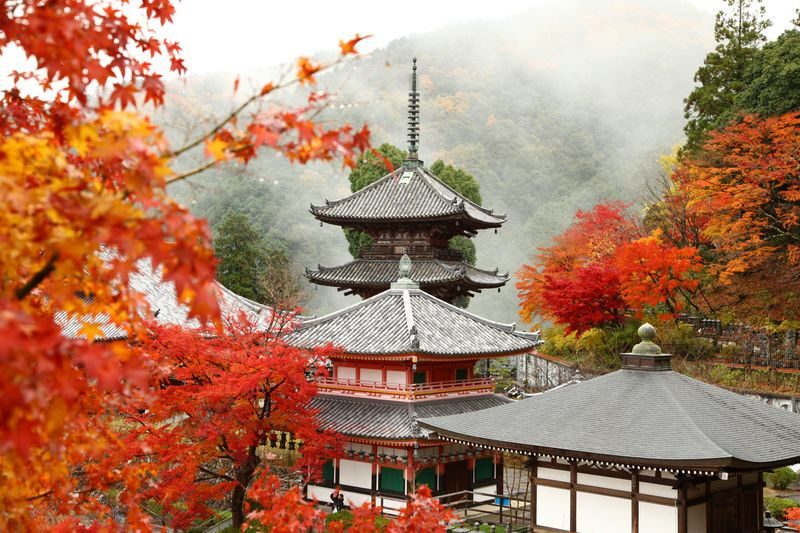
The stop is listed as about 1 hour 30 minutes, with independent time to explore. In spring, cherry blossoms frame the temple and stone figures; in autumn, red leaves complement the pagoda, steps and older buildings. The scenery changes by season, but the temple itself is the reason to come.
Admission is extra: the listed price is 1,000 yen for adults and 300 yen for children through high school age. The separate notes about fees mention Hozan-ji, which does not match the named Tsubosaka-dera stop. That inconsistency is worth checking with the operator, especially if you are budgeting tightly.


Seasonal choices: Takami no Sato or Mount Yoshino
The spring package may include Takami no Sato, also called the Sky Garden, near the Nara and Mie border. More than a thousand mountain cherry trees grow along its hillside. When blooming conditions line up, the view from above looks down over layers of flowering trees and surrounding mountains.
Peak bloom is not guaranteed. One family’s spring outing, for example, found most trees at Takami no Sato still budding, even though Nara Park and Tsubosaka-dera had blossoms. That is a useful reminder: a seasonal tour gives you a chance to see the flowers, not a promise that every location will be in full bloom. The listed admission is 2,000 yen for adults and 1,000 yen for elementary and junior high school students, paid on site to the guide.
The autumn package may instead visit Mount Yoshino, a World Heritage site known for its mountain pilgrimage tradition and famous spring cherry trees. In fall, the slopes can turn red and gold, with views across the Shimo-senbon, Naka-senbon and Kami-senbon areas. The mountain is large, so a day-trip stop offers a taste of its paths and scenery rather than time to explore every section.
Spring and autumn departures are not interchangeable. Check which seasonal stop is actually included, and keep expectations flexible: the tour runs even when foliage or blossom timing does not match the calendar perfectly.
The day’s pace, transport and guide support
The meeting time is between 7:50 and 8:00 in Osaka, near Kintetsu-Nippombashi Station. Look for the LION TRAVEL sign by the bus parking area on the Nipponbashi side, not at the entrance to the Kani Doraku Dotonbori East store. Arrive at least 10 minutes early; late arrivals and no-shows are not refundable.
The stated return window is 17:30 to 18:00 at Kani Doraku Dotonbori East Store. Traffic and weather can change the schedule, so avoid booking evening plans that depend on a precise return time. The stops are self-guided, which gives you room to choose what to see, but you are responsible for being back at the vehicle on time.
A guide who speaks English, Chinese, Japanese or Korean is included. The vehicle depends on the number of participants. On a small-group departure, the driver may also act as the attendant, with no separate tour leader. Li Xiang, also called 小李, has led some trips and was noted for thoughtful routing and friendly support, but you should not count on a specific person being assigned to your date.
Is the price good value?
The lowest advertised price is from $44.79, while the named autumn and regular package options are listed from $68.75 and $63.99. Those prices are not directly comparable without checking the package and date, but the basic value is clear: transport from Osaka, an included guide or attendant, and a full day of stops can save you considerable planning.
The extras add up. Todai-ji admission, deer crackers, seasonal attraction admission, meals, drinks and personal purchases are not included. The information also gives a fee for Hozan-ji where the route names Tsubosaka-dera, so confirm which entrance fees apply to your chosen departure. The tour includes operator insurance, but tips are not included.
I would judge the fare by the route you actually want, not by the number of places in the headline. If your priority is simply Nara Park and Todai-ji, compare the time and transport convenience with arranging the day yourself. If you want a seasonal mountain stop as well, the guided bus can be better value, especially when local connections would take time to coordinate.
Who should book this tour?
Book it if you want to see several well-known sights in one day and are comfortable exploring each one independently. It is a sensible fit for first-time visitors based in Osaka, families who want a straightforward transport plan, and anyone drawn to Nara’s deer, temples or seasonal scenery.
Think twice if you want long, unhurried time at every stop, a fully guided walk, or certainty about exact bloom and foliage conditions. The wide-ranging route means compromises, and the package details need checking before you choose.
My practical advice: book the version whose named stops match your interests, then confirm the exact route and extra fees. If the package is clear and you are happy with a full day and flexible timing, this is a useful way to connect Osaka with Nara’s biggest sights.
Departing from Osaka: Fushimi Inari Shrine’s Senbon Torii, Nara Park, Todai-ji Temple, Tsubosaka-dera Temple’s Hidden Gem / Yoshino Mountain Autumn Leaves One-Day Tour
“We participated in the Rara Most Beautiful Cherry Blossom + Deer Watching Day Tour on October 26th. Our driver and tour leader, Li Xiang, was appro…”
FAQ
Where does the tour leave from?
It meets near Kintetsu-Nippombashi Station in Osaka, by the bus parking area on the Nipponbashi side. Look for the LION TRAVEL sign, and do not go to the entrance of Kani Doraku Dotonbori East Store.
What time does the tour depart and return?
Departure is listed between 7:50 and 8:00. The planned return is between 17:30 and 18:00, but traffic and weather may cause delays.
Is Fushimi Inari included on every route?
No. Fushimi Inari is not included on the listed spring and autumn routes. Confirm the stops for your selected package and date.
Are admission tickets included?
No. Todai-ji’s Great Buddha admission and some seasonal or temple admissions are extra. The fee notes do not fully match the named stops, so confirm applicable charges before booking.
Is food included?
No. Meals and beverages are not included, and deer crackers and other personal expenses are also extra.
What languages can the guide speak?
The included guide is listed as speaking English, Chinese, Japanese or Korean. On small-group departures, the driver may also serve as the attendant, without a separate tour leader.
Does the tour guarantee cherry blossoms or autumn leaves?
No. Blossom and foliage timing can vary with the weather. The tour may proceed as scheduled even if the seasonal colors are not at their peak.