Enoshima’s island lanes, the sea-facing Enoden train, and Kamakura’s temples make a good day out of Tokyo feel like several different trips in one. I like the small group of up to nine, which means less waiting for a full coach to load, and the included Enoden fare, which takes one bit of local transport planning off your plate.
I also like that the day mixes popular sights with time to wander, eat, and take photos rather than making every stop a quick roadside visit. The catch is that this is best understood as transport with a flexible, driver-led itinerary, not a guaranteed guided tour, and weekend traffic can cut into your time.
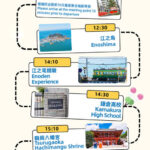
- Enoshima gets two hours: enough for a look around and a meal, but not necessarily every attraction on the island.
- Ride the Enoden: the fare is included, and the short rail journey links the coastal stops.
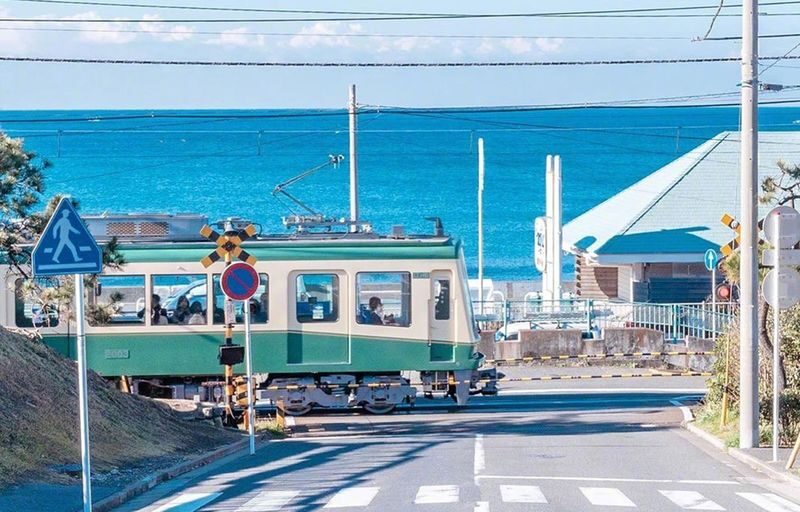
- Stop at the Slam Dunk crossing: Kamakurakoko-mae is a busy photo spot, so expect company.
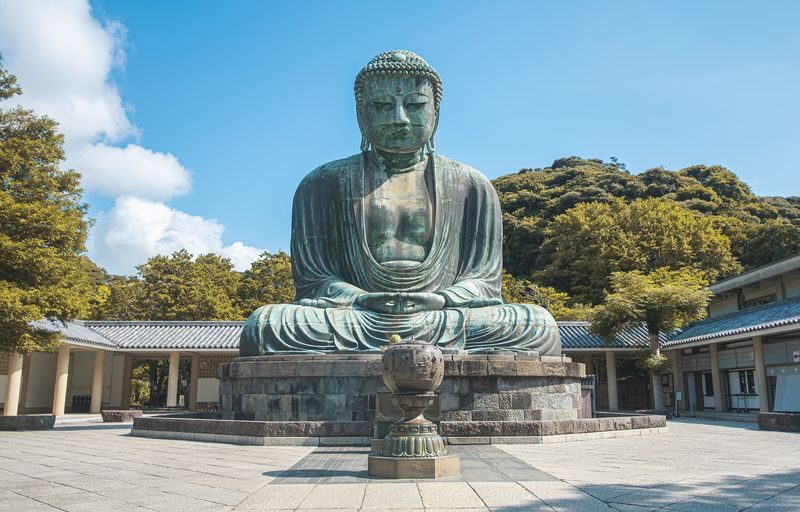
- See the Great Buddha at Kotoku-in: allow extra money for admission, which is not included.
- Share a van with a small group: the vehicle option is for up to nine people, with one standard suitcase per person.
- Plan for traffic: the return is scheduled for around 17:30, but road delays can change the day.
- Tokyo to the Shonan coast in one day
- Enoshima: island lanes, sea views, and a tight clock
- The Enoden: a short ride with a view
- Kamakurakokomae: the famous crossing
- The Great Buddha: a calm pause at Kotoku-in
- Komachi Street and Tsurugaoka Hachimangu: Kamakura on foot
- What the driver does, and what a guide may not
- Timing, comfort, and the real value
- Should you book this Kamakura and Enoshima day trip?
- FAQ
- Is the Enoden train fare included?
- Is admission to the Great Buddha included?
- How many people are in the group?
- Where does the tour depart from?
- What time does the tour return to Tokyo?
- What should I bring?
- More Tours in Fujisawa
- More Tour Reviews in Fujisawa
- Not for you? Here's more nearby things to do in Fujisawa we have reviewed
Tokyo to the Shonan coast in one day
Kamakura and Enoshima are close enough to pair, but seeing them from Tokyo means coordinating trains, connections, and the Enoden line yourself. This tour trades that planning for a long day in a shared van, with stops arranged to connect the island, coast, and historic center.
The advertised price starts at $47.39, though the amount can vary by package. At that starting point, the value is strongest if you want transport arranged and a broad introduction to the area without paying for a private car. Toll, parking, and fuel fees are included, as is the Enoden fare. Food, the Great Buddha’s admission, and any other personal purchases are not.
You can choose among a Tokyo downtown hotel transfer, a Tokyo Station or Shinjuku meeting option, and an English-language hotel transfer package. The details here apply to the Chinese-language meeting-point option, so check the exact package before booking. Hotel pickup is a separate choice, not something to assume comes with every fare.
The group size is capped at nine, and the vehicle is described as a van. That is a more personal scale than a large coach, though it is still a carpool itinerary: you follow the set schedule and share the ride with other participants. The tour needs at least four people to run. If the minimum is not met, it may be rescheduled or refunded.
Enoshima: island lanes, sea views, and a tight clock
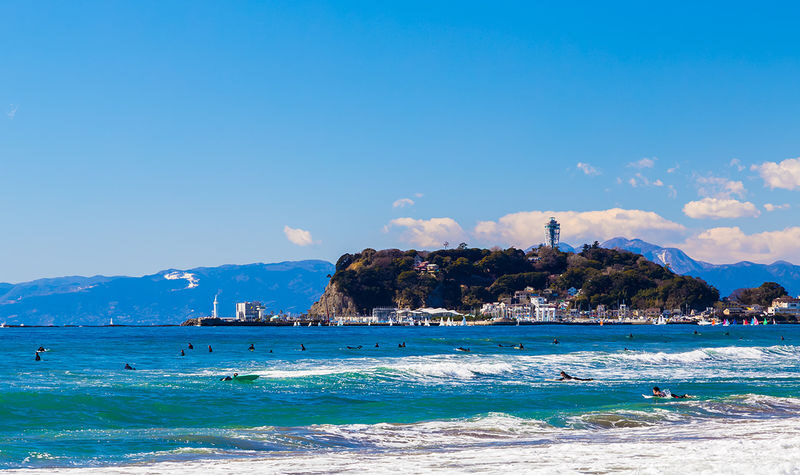
The first substantial stop is Enoshima, with about two hours to explore on your own. Cross the long bridge to the island and spend your time among its lanes, shops, food stalls, and sea-facing viewpoints. The appeal is the change of pace: after the drive from Tokyo, you can stretch your legs and get a first taste of the Shonan coast.
Food is part of the fun here. You might find seafood, Japanese sweets, shaved ice, or the oversized squid crackers that have become a local snack. Treat the time as a chance to choose a few things rather than attempt every shop and attraction. Two hours can pass quickly, especially if you stop for lunch or climb to look out over the coast.
The schedule may not leave time for every paid attraction. One participant, for example, regretted missing the Enoshima Sea Candle, and another found the island visit shorter than hoped. If reaching the top or visiting a particular site matters to you, check its location and opening details before the day, then decide what to prioritize once you arrive.
Enoshima has slopes and steps, so wear comfortable walking shoes. Bring water, sun protection, and rain gear appropriate to the forecast. The day’s pacing is fixed, and the driver will set a return time, so keep an eye on the clock rather than wandering to the far end of the island at the last minute.
You can also read our reviews of more tours and experiences in Fujisawa.


The Enoden: a short ride with a view
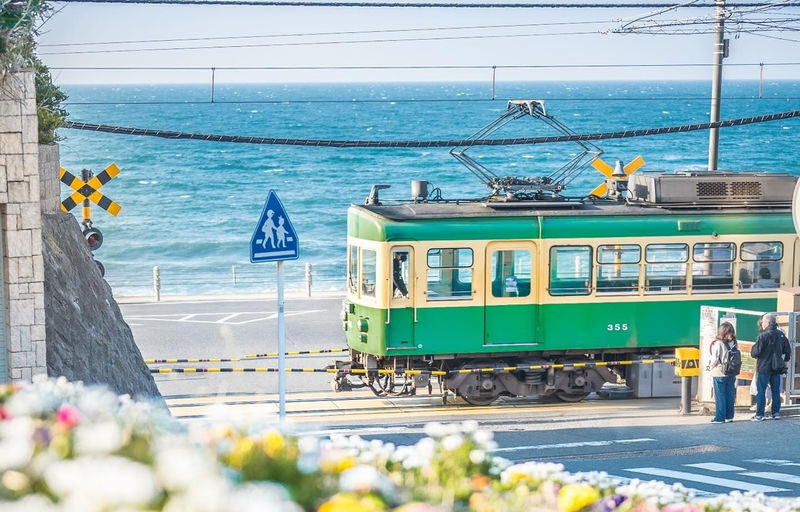
The included Enoden fare is a useful part of this route, not just a transport detail. The retro green train runs through a close-set mix of homes, streets, shrines, and coastal views. On the stretch between Enoshima and Kamakurakokomae, the sea appears beside the tracks, giving you the sort of moving view that is hard to recreate from a road-bound van.
The scheduled ride is 15 minutes, but the actual journey can take closer to half an hour depending on the day and the route used. Follow the driver’s instructions about where to board and when to meet again. That keeps this brief rail trip from becoming a logistics puzzle, especially if the station is crowded.
You will be sharing the train with other passengers, not riding in a private carriage. For a short trip, that is part of the charm: you get a taste of an everyday local rail line while connecting the day’s coastal stops. It is also a good moment to have your camera ready, but do not spend the entire ride looking through a screen.
Kamakurakokomae: the famous crossing
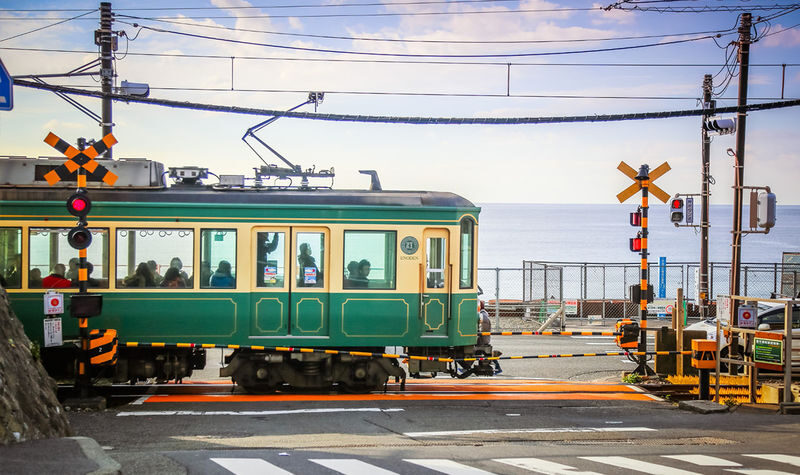
The stop at Kamakurakokomae Station is about 30 minutes. The crossing beside the tracks is widely associated with Slam Dunk, and the sea behind the train gives the scene its appeal even if you have never watched the anime. Fans can make a quick pilgrimage; everyone else can enjoy a distinctive coastal railway view.
This is a popular photo stop, not a quiet beachside pause. Trains, traffic, and people trying to take pictures all share a compact space. Be patient, stay clear of the road and tracks, and follow local rules. Drivers familiar with the area may advise on where and when to take a photo, but do not count on having the crossing to yourself.
Thirty minutes is enough for a look and a few pictures if conditions cooperate. It is not enough for a long stroll along the coast, so take the stop for what it is: a memorable intersection between rail line, sea, and pop culture.
The Great Buddha: a calm pause at Kotoku-in
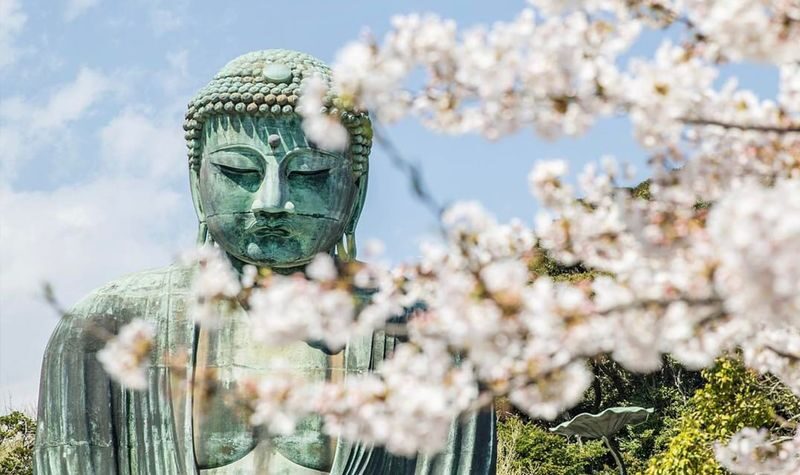
At Kotoku-in, you have about 30 minutes to see Kamakura’s Great Buddha. The large bronze figure is the day’s clearest encounter with Kamakura’s religious past, and its quiet presence makes a striking contrast with the busy crossing and island shops. Take a moment to look closely at the statue’s scale and the details of its robes.
Admission is not included, so bring a little extra money for the entrance fee. The short visit gives you time to see the Buddha and the temple grounds, but it is not a long, guided exploration. If you want more background, read a little before you go or ask your driver what they can share. Commentary varies, and a dedicated guide is not guaranteed.
The half-hour stop also means you should be ready to move when it is time to return to the van. If you want to linger, take photos, or buy a snack nearby, watch the clock. This is one of the day’s most memorable sights, but the schedule treats it as a focused visit rather than a full temple tour.
Komachi Street and Tsurugaoka Hachimangu: Kamakura on foot
The final Kamakura stop gives you about 90 minutes for Komachi Street and Tsurugaoka Hachimangu Shrine. They are in the same area, so you can combine a browse through the shopping street with a walk to the shrine. Decide which matters more before you start: the time is enough for a taste of both, not a thorough visit to every shop and shrine building.
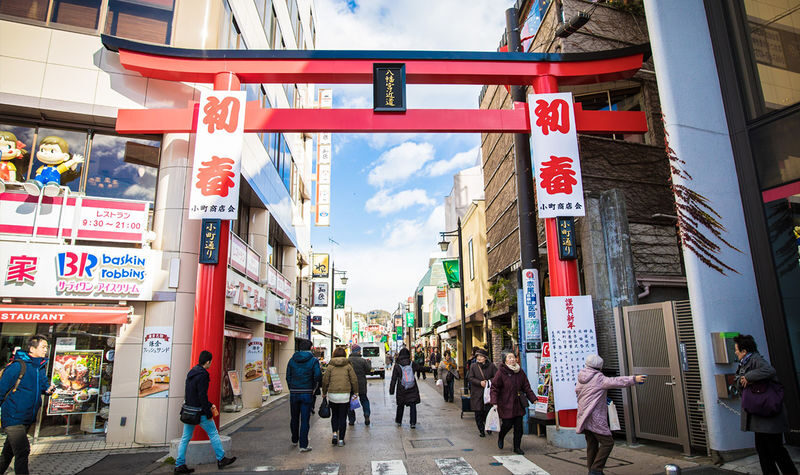
Komachi Street is the place to sample Kamakura’s everyday side. Shops sell sweets, local specialties, and crafts, and the food options make it a natural place to grab a snack or an early bite. It can be crowded, so keep your group’s meeting point and time clear before setting off.
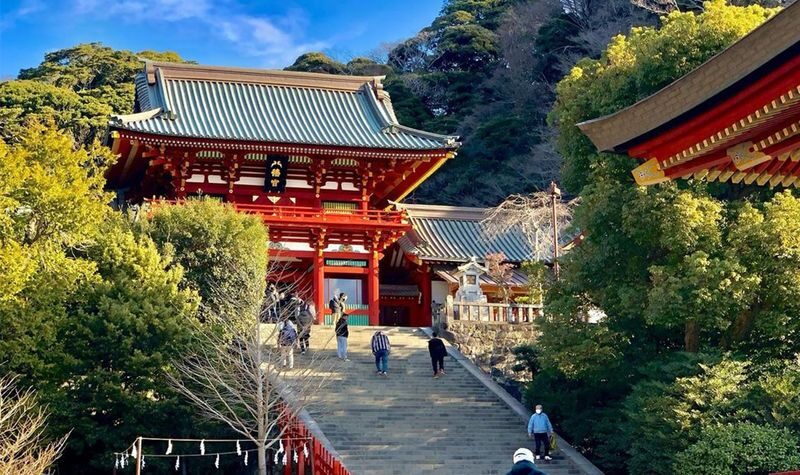
At Tsurugaoka Hachimangu, the approach through the torii gate and tree-lined paths shifts the mood from shopping to ceremony. The shrine is an important part of Kamakura’s cultural life, and even a short walk through its grounds can give you a sense of the city’s older identity. You will have to choose how long to stay at each stop, so do not spend the whole 90 minutes shopping if the shrine is a priority.


What the driver does, and what a guide may not
The activity is described as having a Chinese-speaking professional driver or guide, but the practical experience may differ by package and by person leading the day. Some drivers provide background, recommend food, explain the schedule, and help with meeting points. Others focus mainly on transportation and timing. One participant described the service as a van transfer rather than a guided tour, so book with that distinction in mind.
Names associated with recent trips include Xiao Zhang, Xiao Liu, and Mr. Wang. They were praised for punctuality, careful driving, clear communication, and helpful advice. Those names are examples, not a promise about who will lead your tour. If you want a detailed history lesson at every stop, confirm that a dedicated guide is included in the exact package you select.
The small group can make communication easier, and drivers may send meeting instructions through a group chat. WeChat users are contacted through WeChat, while LINE users receive a group link by email. The driver’s contact details are sent by email the day before, so check your inbox and spam folder. For hotel pickup, confirm the exact meeting place: the pickup point may be on a nearby main road rather than at the hotel entrance.
Timing, comfort, and the real value
The day is scheduled to start between 08:10 and 08:30 and return around 17:30 to 18:00, with exact departure details confirmed the day before. Weekends and holidays may start earlier. Arrive at least five minutes before your assigned departure time. Late arrivals and no-shows are not refundable, and you may have to pay your own way to catch up if you miss the group.
Traffic is the main variable. Congestion is common on weekends and holidays, and bad weather or crowds can lead to changes or shorter stops. Keep dinner plans flexible, and do not book a flight or Shinkansen connection close to the scheduled return. A portable charger, simple snacks, and rain gear are sensible additions to your day bag.
A van is convenient, but it has limited luggage space: one standard-sized suitcase per person. The operator can refuse a booking if the group or luggage exceeds the vehicle’s capacity, without a refund, so do not assume you can bring several large bags. The tour is also not suitable for everyone: participants must be under 70, children and infants count toward the passenger total and pay the adult rate, and minors must be accompanied by a guardian. The activity is not recommended for pregnant people, and people with cardiovascular conditions are listed as unable to participate.
At the starting price, you are paying for the convenience of a coordinated route, transport, and the included train ride, not an all-inclusive day. Add the Great Buddha admission, meals, snacks, and any optional island attractions to your budget. The value rises if you would otherwise spend time planning transfers or prefer a driver to handle the roads. It falls if you want long, unhurried visits or a guaranteed expert guide.
Should you book this Kamakura and Enoshima day trip?
Book it if you want to cover Enoshima and Kamakura in one day without managing the Tokyo-to-coast transport yourself. It suits first-time visitors, Slam Dunk fans, families who can keep to a shared schedule, and anyone who values an easy Enoden ride and a small van over a fully independent day.
Think twice if you want to spend several hours at Enoshima, explore every temple in depth, or need consistent commentary from a dedicated guide. Check the language and transfer details for your chosen package, bring a little extra for entry and food, and leave your evening open for a late return. With those expectations, this is a practical way to see the coast and Kamakura’s best-known sights in one busy, varied day.
Small group tour for 9 people | One-day tour of Kamakura and Enoshima | Includes Enoden experience & Enoshima & Kamakurakoko-mae Station & Kamakura Great Buddha & Tsurugaoka Hachimangu Shrine | Round trip from Tokyo | Hotel pick-up and drop-off + Chinese
“It was a wonderful trip! The tour guide organized everything perfectly, making it ideal for families of all ages.”
FAQ
Is the Enoden train fare included?
Yes. The Enoden fare is included, and you should follow the driver’s instructions for the ride.
Is admission to the Great Buddha included?
No. Admission to Kotoku-in and the Great Buddha is not included.
How many people are in the group?
The small-group vehicle option is for up to nine people. The tour requires at least four participants to operate.
Where does the tour depart from?
Departure depends on the package you book. Options include a Tokyo Station or Shinjuku meeting point, or a Tokyo downtown hotel pickup. Check your selected package for the exact location and time.
What time does the tour return to Tokyo?
The schedule gives a return time of around 17:30 to 18:00. Traffic and weather can change the timing.
What should I bring?
Bring comfortable walking shoes, rain gear, sun protection, a power bank, and simple food or snacks. Keep your passport and valuables with you.