Tokyo’s giant city scenes give way to thatched-roof villages, mountain temples and macaques warming themselves in hot springs. This 13-day route links Tokyo and Kyoto with Mount Fuji, Nagano, Matsumoto, Shirakawa-go, Takayama and Kanazawa in between.
I like two things in particular: the mix of famous sights and smaller regional stops, and the practical support of English-speaking guides, arranged transport and hotels. A March 2025 departure also showed the value of having guides who could adjust plans and take the group to requested places beyond the scheduled stops.
The trade-off is a full itinerary with several long travel days, and the price starts at $6,780. Check what that starting price covers for your room and dates, and ask how much flexibility you will have when the day’s schedule meets real-world travel time.
- Tokyo to Kyoto in 13 days: The route combines major city sights with stops in the Japanese Alps and Hokuriku region.
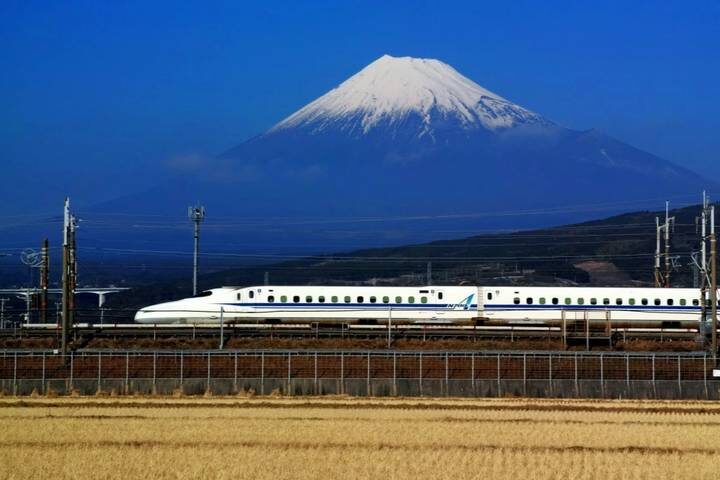
- Mount Fuji viewing is weather dependent: West Lake Village and Arakurayama Sengen Park offer memorable viewpoints, but Fuji can be hidden by clouds.
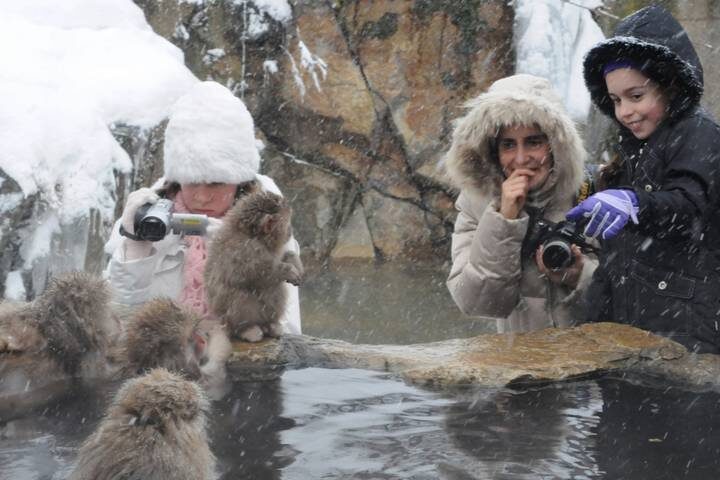
- Jigokudani’s macaques are wild animals: The park is a distinctive stop, not a guarantee that monkeys will be bathing when you arrive.
- A small group, not necessarily a private party: The stated group size is 2 to 10, with English-speaking guides and private, air-conditioned vehicle transport.
- Breakfast is the daily meal included: Other food is included where specified, including the Asakusa street-food experience.
- Kyoto has a free day, but the Kanazawa-to-Kyoto transfer is self-managed at the hotel end: Your rail journey is arranged, while you make your own way from Kyoto Station to the hotel.
- A Japan route with city, mountain and temple days
- Tokyo: shrines, towers and street food
- Mount Fuji: beautiful views, with a weather caveat
- Nagano, Jigokudani and Matsumoto Castle
- Shirakawa-go, Takayama and Kanazawa
- Rail to Kyoto, then temples and tea
- What the price includes, and what to check
- Should you book this Japan tour?
- FAQ
- Where does the tour start and finish?
- Are international flights included?
- Is this a private tour or a group tour?
- Which meals are included?
- How do I get from Kanazawa to Kyoto?
- Can I fly from Kyoto to Tokyo after the tour?
- The Best Of Tokyo!
- More Guided Tours in Tokyo
- More Tours in Tokyo
- More Tour Reviews in Tokyo
- Not for you? Here's more nearby things to do in Tokyo we have reviewed
A Japan route with city, mountain and temple days
This trip is for you if you want a broad first look at Japan without planning every hotel, train and sightseeing day yourself. You start in Tokyo and finish in Kyoto, with a loop through the Fuji region, Nagano, Matsumoto, Shirakawa-go, Takayama and Kanazawa.
The range is the main appeal. You get Tokyo’s shrines and waterfront, a Fuji-viewing day, old castle and temple towns, a preserved mountain village, and several days in Kyoto. That variety comes with a brisk pace. You will change hotels often, and some days involve substantial driving between places.
The tour is described as fully guided, in English, and suitable for all ages, with a low physical intensity rating. That does not mean every day is effortless: temple and garden visits involve walking, and the ice cave and park paths may require care underfoot. The group size is listed as 2 to 10, so ask whether your departure is shared with other bookings and how the guide and driver arrangements work for your particular dates. The tour name refers to a private guide and driver, while the format is also described as a small-group tour.

👉 See our pick of the 25 Best Guided Tours In Tokyo
Tokyo: shrines, towers and street food
Your first day is a private car transfer from the airport to Hotel East 21 Tokyo. It is a useful start after a long flight, especially if you would rather not navigate trains and luggage on arrival. International flights are not included, so plan those separately.
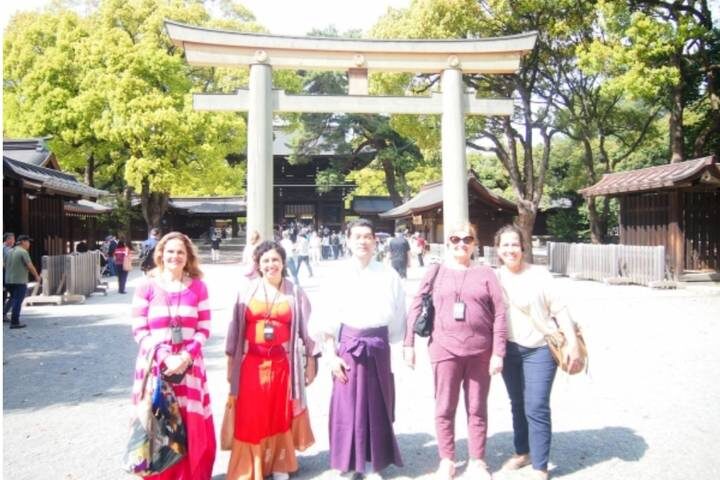
Day 2 sets up Tokyo’s contrasts. At Meiji Jingu, broad paths run through a forested precinct near the busy Harajuku area. The change in pace is striking: city noise gives way to a calm walk beneath trees. At Zojo-ji, you can explore temple grounds and the Tokugawa family mausoleum with Tokyo Tower looming nearby.
The included Tokyo Tower ticket is for the 150-meter observation deck. Akihabara follows, with electronics, anime and manga shops. It is an optional activity in the detailed itinerary, so confirm whether you have a guide there or free time to explore at your own pace. This is a good day for a guide to add context, but you may also want time to browse without a fixed schedule.
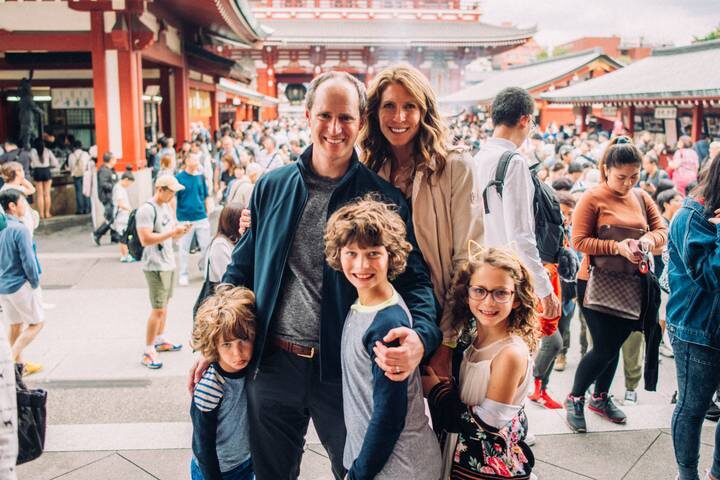
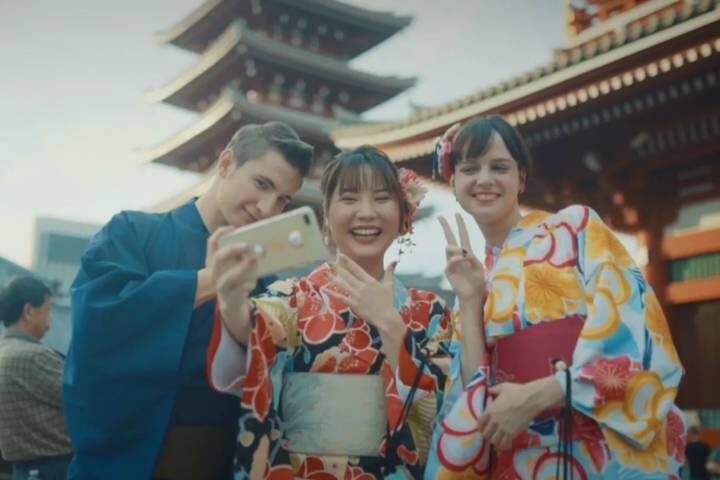
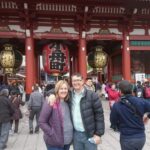
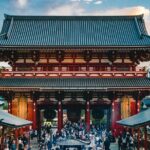
Day 3 moves to Asakusa and Senso-ji, a major Buddhist temple with a history stretching back about 1,400 years. The approach and grounds can be crowded, but the temple remains an active religious site, not just a photo stop. The planned street-food experience includes items such as tempura and ningyoyaki, a sweet cake often shaped like a small doll. Carry cash for traditional snack stalls, as some do not accept cards.
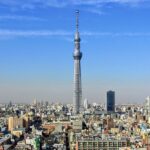
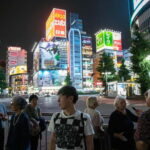
A water bus cruise offers a different angle on Tokyo, with views that can include Tokyo Skytree, bridges and Rainbow Bridge. From there, Odaiba Marine Park gives you time by Tokyo Bay before the Yurikamome railway ride back. The ride is part of the appeal: its elevated route crosses the bridge and opens up wide city and bay views.
You can also read our reviews of more guided tours in Tokyo

Mount Fuji: beautiful views, with a weather caveat
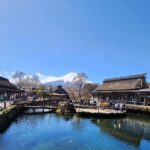
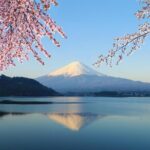
On Day 4, you leave Tokyo for the Fuji area and visit West Lake Village, a settlement known for its thick-thatched cottages. The traditional roofs and mountain setting make this a change of scene from the capital’s glass and steel. Mount Fuji is the star, but it is not always visible. Clouds can obscure the mountain, so treat any clear view as a bonus rather than a promise.
At Oshino Hakkai, eight clear springs are fed by water filtered through volcanic rock. The setting is attractive, and the water’s clarity is part of the draw. Narusawa Hyoketsu, or Ice Cave, is a lava-formed cave with a looped route. It is open year-round, but a cave visit can mean uneven or slippery footing, so sensible shoes are more useful than dress shoes.
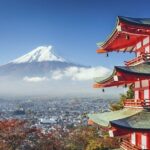
Arakurayama Sengen Park is one of the region’s best-known Fuji viewpoints. In spring, cherry blossoms may frame the pagoda and mountain; at other times, the view can include Fujiyoshida and its evening lights. The famous view depends on season, weather and visibility, and the climb to the viewpoint may feel more demanding than the tour’s low-intensity label suggests.
You stay at Fuji View Hotel. The accommodation list describes selected four-star hotels, but room size, views and exact inclusions can vary by booking category. Check the room details rather than assuming every room has a Fuji view.
Nagano, Jigokudani and Matsumoto Castle
Day 5 combines Lake Suwa and Jigokudani Monkey Park, a pair of stops with different seasonal appeal. Lake Suwa is Nagano Prefecture’s largest lake, with cherry blossoms in spring and fireworks in summer. A pleasure cruise, amphibious bus tour and fishing are listed as optional activities, so do not assume they are included in the base price.
At Jigokudani, Japanese macaques live in a natural setting near the hot springs. Watching them bathe can be a memorable wildlife encounter, particularly in cold weather, but they are wild animals and their behavior cannot be scheduled. The park’s setting is also part of the experience: reaching the monkeys involves walking through the valley, so allow for the path and the conditions on the day.
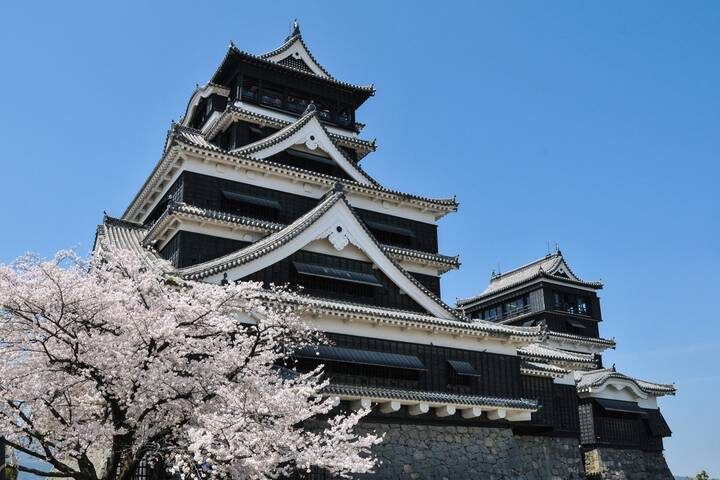
Day 6 visits Zenko-ji, the temple around which Nagano grew as a temple town, then Matsumoto Castle. Zenko-ji is an important religious site, and a guide can help explain why this temple shaped the city. Matsumoto Castle is one of Japan’s best-preserved original castles. Its black exterior, main keep and secondary tower give it a very different look from the pale, reconstructed castles you may have seen elsewhere.
The itinerary names Ryokan Oyado Koto No Yume for this part of the route, while the accommodation summary assigns one night to Takayama. Confirm the exact overnight sequence before booking, since it affects how much time you spend travelling between Nagano, Matsumoto and the next day’s stops.
Shirakawa-go, Takayama and Kanazawa
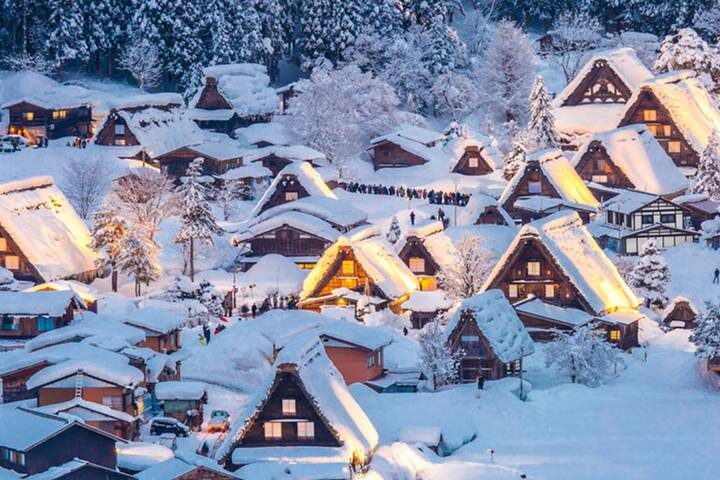
Shirakawa-go is a mountain village known for its steep-roofed gassho-style houses and heavily forested surroundings. The setting is special, but the visit is not only about architecture: the surrounding mountains and preserved natural areas help explain why settlements here developed differently from the larger cities.
Takayama Jinya offers a look at local administration during the Edo period. The former government complex remained in official use until 1969 and now functions as a museum. Sanmachi Suji, named in the day’s itinerary, is another place to explore, with historic streets that give the town a distinct regional feel. The itinerary’s main description highlights the Jinya and Shirakawa-go, so ask how much time is allotted for each stop.
Day 8 is devoted to Kanazawa. The Nagamachi Samurai district’s narrow streets recall the city’s Edo-period past, while Kenrokuen is one of the country’s best-known gardens. Higashi Chaya’s former geisha houses complete the day with traditional wooden architecture. Kanazawa once rivaled Kyoto and Edo in cultural importance, and it offers a useful counterpoint to Kyoto: a historic city with a strong local identity and fewer days devoted to it.
You have two nights in Kanazawa at Onyado Nono Kanazawa Hot Springs. The hotel name suggests bathing facilities, but check the specific room and facility details included in your booking. The itinerary is appealingly full here, though you may want to confirm whether the guide stays with you for all three districts or meets you for a set sightseeing schedule.
Rail to Kyoto, then temples and tea
Day 9 takes you from Kanazawa to Kyoto by rail via Tsuruga. The listed journey includes roughly 45 minutes from Kanazawa to Tsuruga, then about 52 minutes onward to Kyoto, with a transfer between trains. The connection is arranged, but you make your own way from Kyoto Station to the hotel. That is a small but important distinction if you are travelling with several bags.
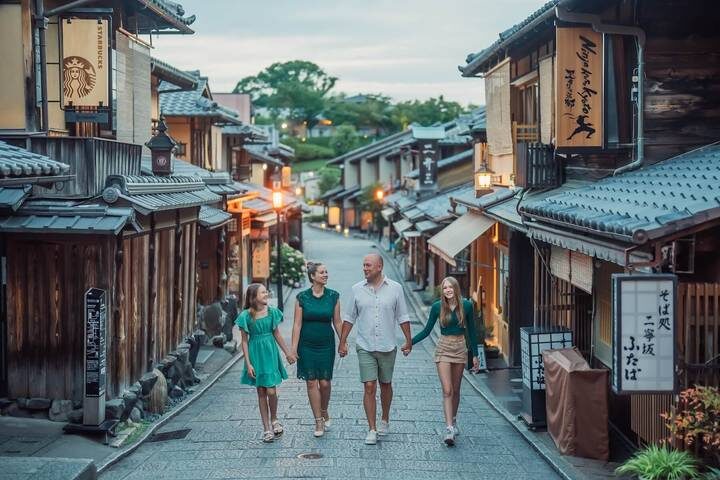
Kyoto’s sightseeing begins on Day 10 in Higashiyama. Kodaiji Temple was established in memory of Toyotomi Hideyoshi by his wife Nene. Its gardens and decorative details offer a quieter counterpoint to the busy streets nearby. Nene no Michi retains a traditional streetscape, and Yasaka Shrine is closely linked with Gion Matsuri, Kyoto’s major summer festival.
In the evening, you can walk through Hanamikoji, a geisha district where you may see geiko or maiko on their way to appointments. Treat this as a possibility, not a staged encounter, and give people space. The scheduled traditional performance at Gion Kobu Kaburenjo offers a more reliable way to see classical arts. The one-hour program can include maiko dance, Kyogen and other forms, with a digital tablet providing explanations and translations.
Day 11 moves to Higashi Honganji, Sanjusangendo and Nishiki Market. Higashi Honganji remains an active temple, while Sanjusangendo is known for its hall of 1,001 Kannon statues, including the central thousand-armed figure. Nishiki Market is a narrow food street lined with more than 100 shops and restaurants. It is a good place to sample Kyoto specialties, but it can be crowded, so keep your group’s meeting point in mind.
The tea ceremony is a hands-on cultural stop. A tea master explains the steps, tools and etiquette, then guides you through making matcha. Kimonos are described as normally worn for traditional ceremonies, but confirm whether wearing one is included in your booking or simply part of the general setting.
Day 12 is free. That breathing space matters after a packed schedule, and gives you a chance to revisit a favorite area or arrange your own activity. Your final morning includes breakfast and a private English-speaking driver transfer from Kyoto to Kansai International Airport. Kyoto has no airport; KIX is in Osaka, and the tour information estimates about an hour’s drive.
You can also read our reviews of more private tours in Tokyo

What the price includes, and what to check
The advertised starting price is $6,780. It includes accommodation, breakfast, listed admission fees, specified trains and cruises, a guide, transport and basic insurance during the arranged tour services. International flights are excluded. Meals beyond breakfast are included only where the itinerary specifies them, so budget for lunches and dinners not listed.
The value is in the logistics as much as the sights. Japan’s rail system is efficient, but coordinating multiple hotel changes, regional transfers and sightseeing can take time. Having transport and a guide arranged can make a first visit less stressful, particularly on the Fuji and mountain-town legs. A reported March 2025 departure also had two guides who adapted plans to include requested stops, a useful example of the flexibility you should discuss with UME Travel before confirming.
The group size is listed as 2 to 10, and accommodation is based on two people sharing. A single supplement applies if you do not share a room. Vegetarian, vegan and halal meals can be requested, but tell the operator your needs in advance. The operator has a 4.8 out of 5 rating across 224 reviews, while this specific tour has limited published feedback, so use the operator’s broader record as context rather than a guarantee of a particular departure.
Should you book this Japan tour?
Book it if you want a guided first trip that reaches beyond Tokyo and Kyoto, and you value having hotels, transport and many major visits arranged. The regional sequence, especially Jigokudani, Matsumoto, Shirakawa-go and Kanazawa, is the strongest reason to choose it over a city-focused itinerary.
Think twice if you prefer long stays, unstructured days or control over every hotel and meal. Before paying, confirm the daily driving times, the exact overnight sequence around Matsumoto and Takayama, what the $6,780 starting price covers, and whether your departure is a shared group of up to 10. Those answers will tell you whether the convenience is worth the cost and pace for your style of travel.
13 Days Iconic Japan Tour (private guide & driver) by UME Travel
“It was a wonderful 2 week trip. Both guides were very good showing us areas of the country we would never see on our own. They were both flexible i…”
FAQ
Where does the tour start and finish?
It starts in Tokyo and ends in Kyoto. The final transfer is from your Kyoto hotel to Kansai International Airport in Osaka.
Are international flights included?
No. International flights are not included in the package.
Is this a private tour or a group tour?
It is described as a group tour for 2 to 10 people. The tour name refers to a private guide and driver, and the package includes a private, air-conditioned vehicle. Confirm the exact arrangements for your departure with UME Travel.
Which meals are included?
Breakfast is included each day. Other meals are included where specified in the itinerary, including the Asakusa street-food experience. Vegetarian, vegan and halal food options can be requested.
How do I get from Kanazawa to Kyoto?
The arranged rail journey goes from Kanazawa to Tsuruga, where you transfer to a second train to Kyoto. After arriving, you make your own way from Kyoto Station to the hotel.
Can I fly from Kyoto to Tokyo after the tour?
There is no airport in Kyoto. The nearest airport is in Osaka, about an hour’s drive away. UME Travel says it can arrange a bullet train to Tokyo on the final day if you want to fly home from Tokyo.