Tsukiji is at its best when you know what you’re tasting. This guided walk pairs market snacks with a seafood lunch, including three tuna cuts, rare nakaochi, uni, and ikura. You’ll also visit Tsukiji Honganji Temple and see how a long-running local restaurant prepares for the day.
I like two things in particular: the chance to compare zuke, chutoro, and otoro side by side, and the guide’s help finding food stalls without spending your morning guessing where to queue. The temple visit and a possible view from Shiodome add some welcome variety between tastings.
One consideration: this is a walking tour of a few hours, not a full day at the market. The advertised price starts at $92.29, so it makes the most sense if you value a guide, a set seafood tasting, and cultural context more than simply browsing on your own.
- What makes this Tsukiji walk worthwhile
- Start at Tsukiji Honganji Temple
- Follow the guide into Tsukiji Outer Market
- Taste tuna, uni, and ikura
- Look behind the restaurant counter
- Browse knives, pottery, and market food
- Finish near Shiodome for a different view
- How long the tour takes and what to plan for
- Is .29 good value?
- Who should book this Tsukiji tour?
- FAQ
- How much does the Tsukiji Fish Market tour cost?
- What foods are included in the tasting?
- Can I join if I’m vegetarian or vegan?
- Where does the tour meet?
- What time does the tour start?
- How long is the tour?
- Is the tour accessible by wheelchair or stroller?
- What happens if the tour is cancelled due to extreme weather?
- The Best Of Tokyo!
- More Shopping Tours in Tokyo
- More Tours in Tokyo
- More Tour Reviews in Tokyo
- Not for you? Here's more nearby things to do in Tokyo we have reviewed
What makes this Tsukiji walk worthwhile
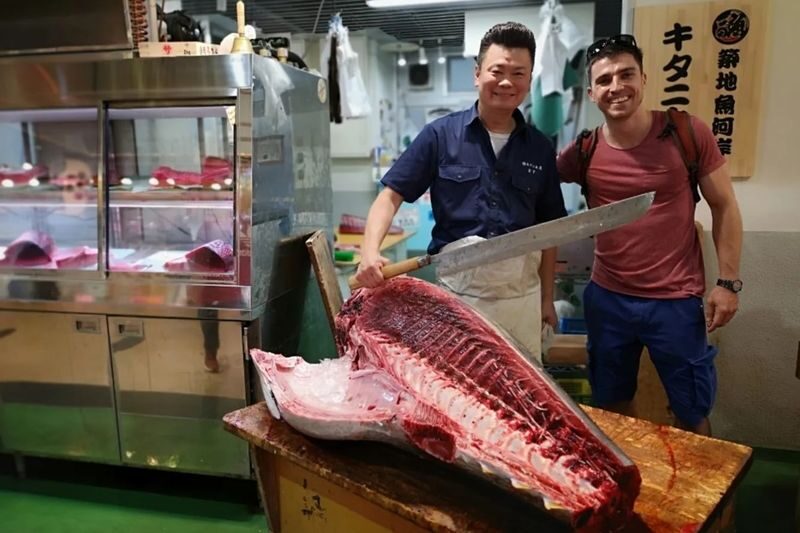
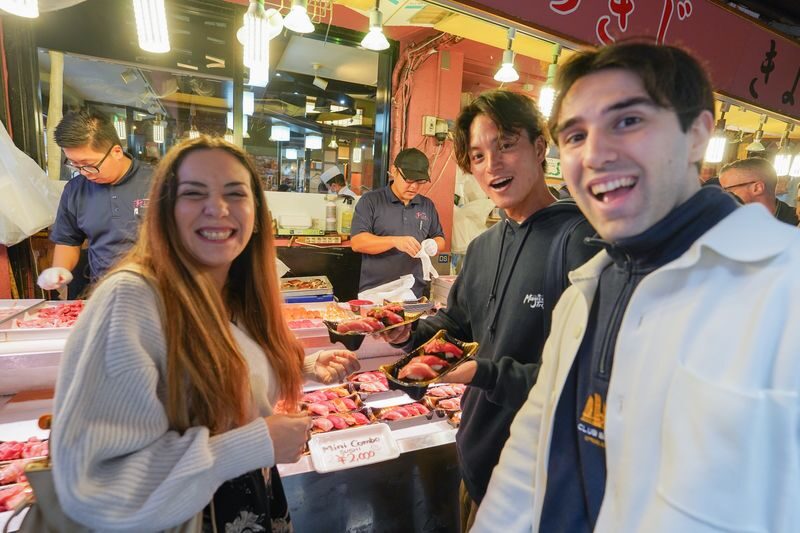
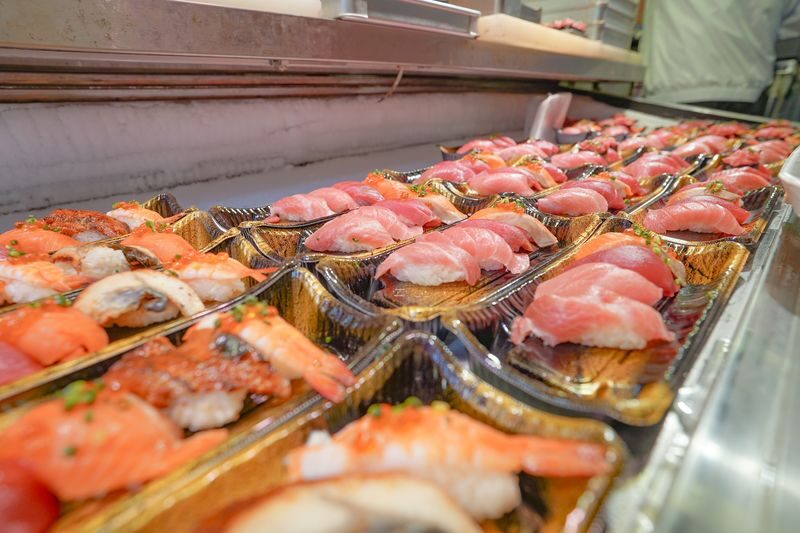
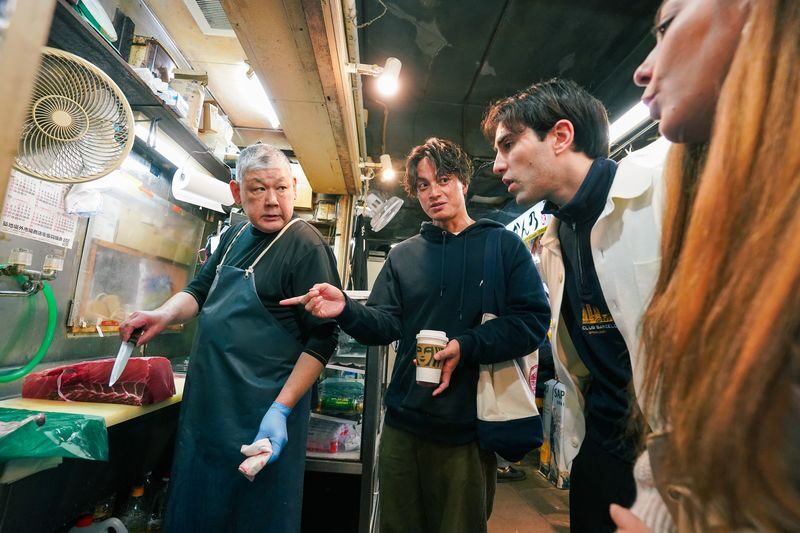
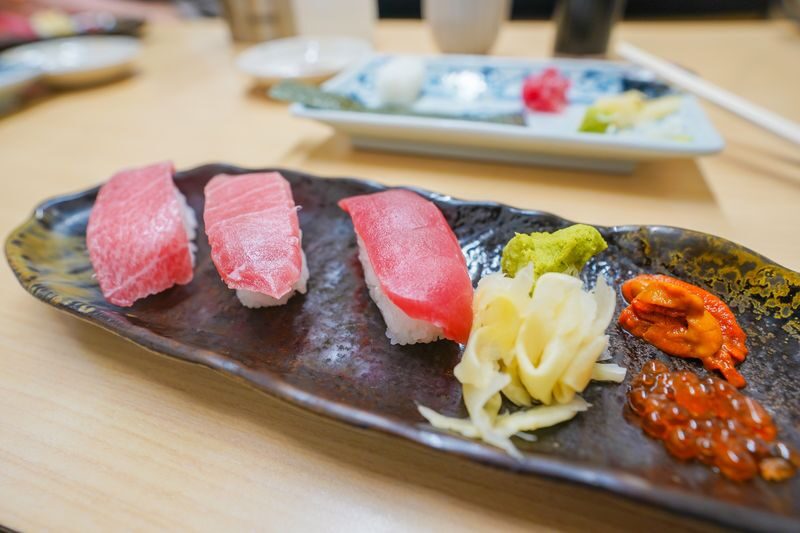
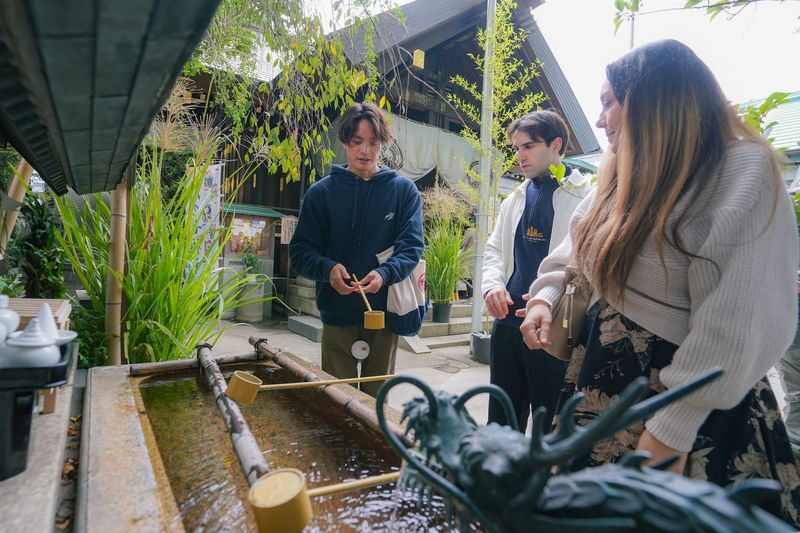
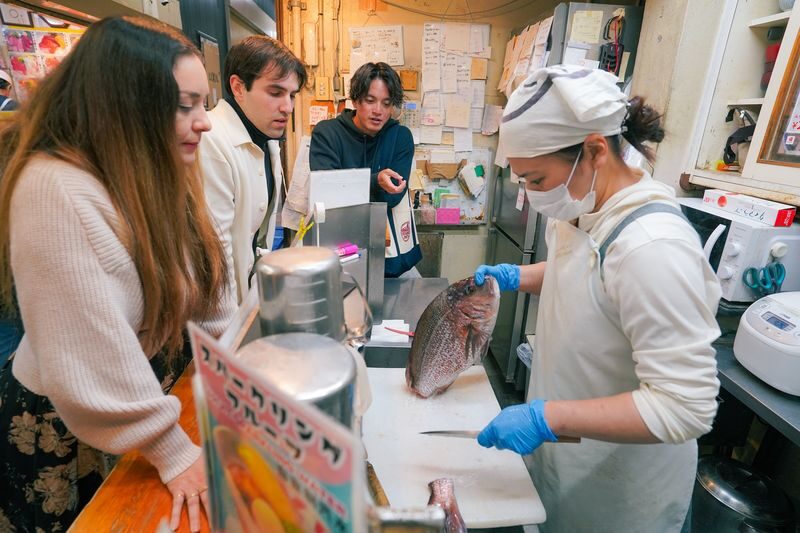
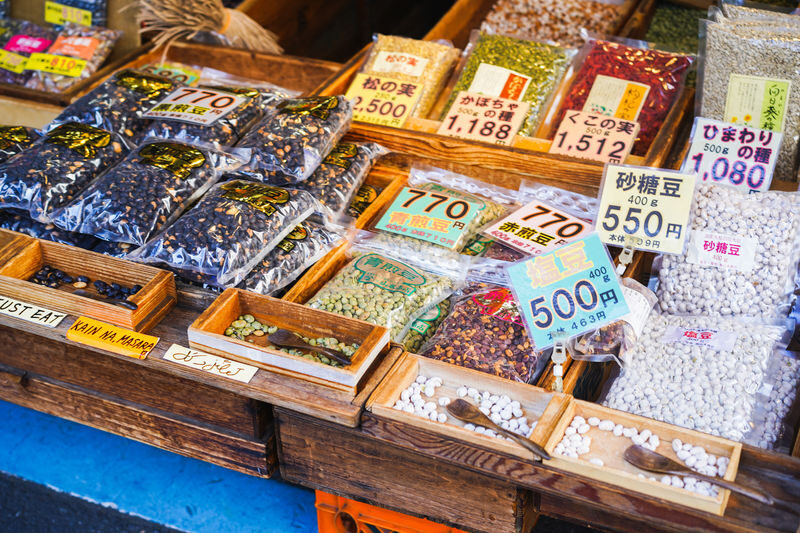
- Compare three tuna cuts: Taste zuke, chutoro, and otoro, then try the rarer nakaochi.
- Make gunkan sushi: Uni and ikura are part of the seafood tasting, and you may get to make your own gunkan.
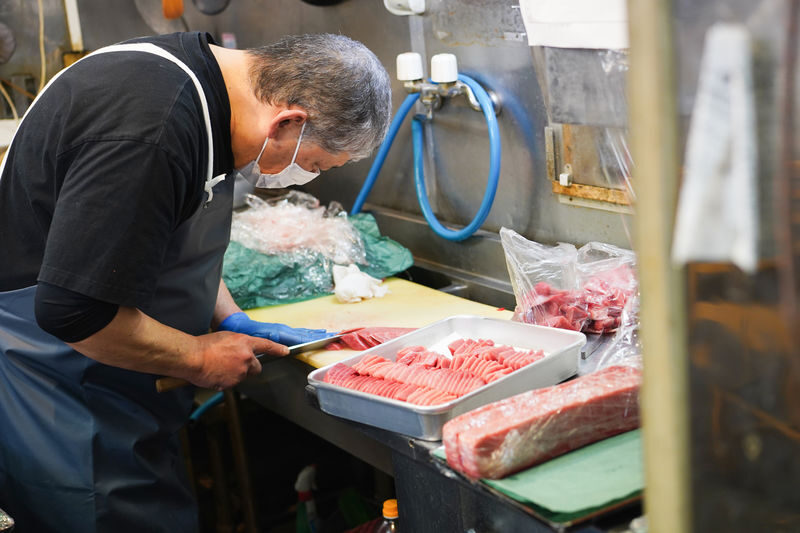
- See morning restaurant prep: A visit to a 60-year-old local restaurant offers a look at the work behind the meal.
- Try market snacks: Tamagoyaki and eel skewers are among the foods you may sample as you explore.
- Add temples and city views: The walk includes Tsukiji Honganji Temple and Shiodome, with a high-floor view noted on some tours.
- Get practical market guidance: Guides have helped people compare prices, find food stalls, and avoid long queues.

👉 See our pick of the 25 Best Guided Tours In Tokyo
Start at Tsukiji Honganji Temple
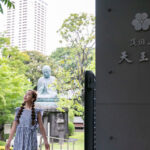
The meeting point is Tsukiji Honganji Temple, at 3-chome-15-1 Tsukiji. Look for a guide holding a MagicalTrip board. This is easy to confuse with Tsukijishijo Station, so check the address and station name before setting off.
The temple is more than a place to gather the group. A guide can explain its rituals and the role of faith in Japanese food culture, giving you context for the later market visit. If this is your first temple in Japan, that introduction can also help you feel more at ease at other shrines and temples during your trip.
The temple stop will appeal most if you enjoy cultural details alongside your food. If you’re hoping to spend every minute eating or shopping, it may feel like time away from the market. The tour’s value depends partly on whether that broader context matters to you.
You can also read our reviews of more shopping tours in Tokyo


Follow the guide into Tsukiji Outer Market
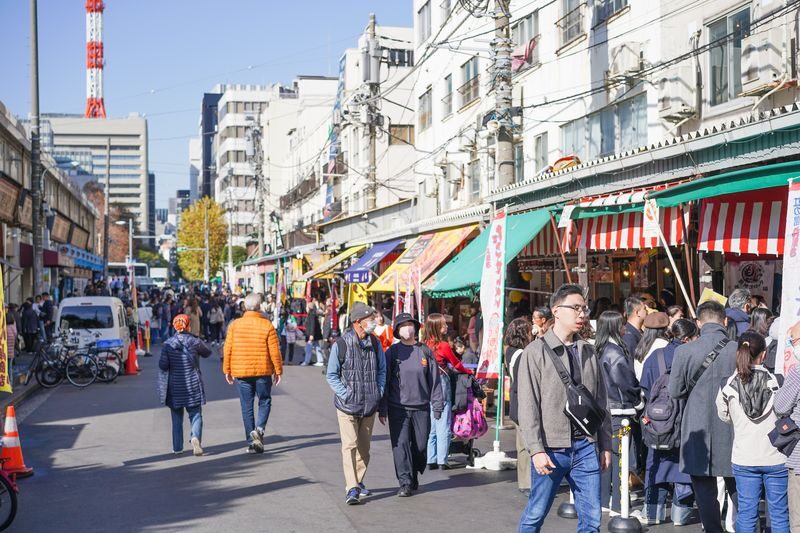
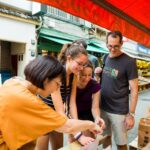
From the temple, the group walks into Tsukiji Outer Market. The alleys are manageable to explore independently, but it can be hard to know which stalls are worth your time when you’re new to the area. A guide can point out foods, explain what you’re looking at, and help you get oriented.
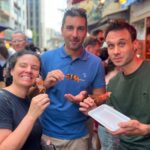
The market tastings include small portions, with two or three food samplings listed as part of the tour. Tamagoyaki and eel skewers are among the possible snacks. The exact stops and foods can vary, so think of the walk as a guided introduction rather than a fixed menu of every item you’ll taste.
Guides have also helped groups avoid long queues and find good places to eat. Amy, for example, was praised for explaining what seemed like a good or poor market deal, while Kanako was noted for sharing where foods came from and how the different tuna cuts compare. Guide assignments vary, of course, but this practical help is one of the tour’s strongest reasons to book.
You’ll still have less freedom to linger than you would on a solo visit. The group has a schedule, and popular shops may tempt you to stop and browse. If you want to shop at your own pace, consider returning to the market after the tour.
Taste tuna, uni, and ikura
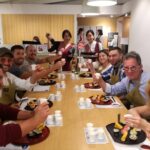
The seafood tasting is the centerpiece for many people. You’ll compare zuke, chutoro, and otoro, then try nakaochi, uni, and ikura. These tastes offer more than a succession of small bites: side-by-side comparisons help you notice differences in texture, richness, and preparation.
The tour also includes seafood lunch. The listed tasting is generous in variety, but the portions are described as small, so don’t assume it replaces a large meal for everyone. The exact restaurant and serving details aren’t guaranteed in advance.
One appealing detail is the chance to make gunkan sushi with your own topping. Gunkan is the hand-formed sushi style often used for loose toppings such as roe. It gives you a simple way to take part in the meal instead of only watching the chefs work.
If you don’t eat seafood, this is the wrong tour. Vegetarian and vegan options aren’t available, and the operator can’t guarantee allergy-free food or meet all dietary needs. Ingredients are prepared in kitchens outside the tour company’s control, and substitutions may not be possible at every stop.
Look behind the restaurant counter
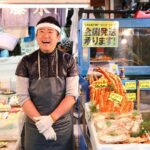
A visit to a 60-year-old restaurant lets you watch morning preparation and hear about the market’s daily workings. That’s a useful counterpoint to the tasting: you see that a meal is not only a finished plate, but also sourcing, preparation, and skill carried out before service.
The amount of time spent inside the restaurant and the exact work you’ll see aren’t specified, so keep expectations measured. It is a look at preparation, not a cooking class or a promise to meet every member of the kitchen team.
The tour’s strongest guides make these details clear without turning lunch into a lecture. Molly was singled out for explaining market history and culture, while guides such as Ken, Yufi, and Inok were praised for making food and customs easy to understand. You can’t choose a particular guide when booking, but clear explanations are a recurring part of the experience.
Browse knives, pottery, and market food
The walk also includes Japanese knives and pottery. These stops give you a glimpse of the tools and craft tied to food, and may help if you’re considering a practical souvenir. A guide can explain what you’re seeing, though the tour does not include personal purchases.
Keep your shopping expectations flexible. This is a guided route, not a dedicated knife-buying consultation, and there may not be time to compare every shop. If a particular knife or piece of pottery is on your list, make a note of the shop and return later if the schedule allows.
The food stops are more central than the shopping. You may have a chance to try additional snacks such as tamagoyaki or eel, but the included market tastings are limited to two or three samplings. Personal purchases beyond the included food are your own expense.
You can also read our reviews of more tours and experiences in Tokyo


Finish near Shiodome for a different view
The itinerary includes a walk to Shiodome Tower. Some groups have gone to a high floor for views over Tokyo and the bay, offering a change of scene after the close quarters of the market. Treat the exact viewpoint as subject to the day’s route rather than a guaranteed observation deck visit.
The return point is outside Exit 1 of Tsukiji Station, at Tsukijijogai Market. The walk and return make this a useful morning activity before another Tokyo plan, but the timing depends on the departure option you select and how the day’s route unfolds.
How long the tour takes and what to plan for
The experience is sold as a half-day walking tour, while the offered departure and return times suggest a tour of roughly three hours. The schedule can change with weather and other conditions, so check the duration for your chosen time when booking. Departure options are 9:00, 10:00, or 11:00, with return times that may be 12:00, 13:00, or 14:00.
Arrive ten minutes early at Tsukiji Honganji Temple. Late arrivals and no-shows are not refundable, and the voucher is valid only for the date and time booked. Wear comfortable walking shoes and prepare for the season: Tokyo summers can reach 40°C, while winter lows can fall to -5°C.
This tour is not wheelchair- or stroller-accessible, and child seats are not available. Pets are prohibited. There is no age limit, but the walking route and food focus are worth considering for anyone in your party who may need step-free access or a specific diet.
Is $92.29 good value?
At a starting price of $92.29, you’re paying for more than snacks. The cost covers a guide, seafood lunch, a guided market walk, two or three market samplings, and photos. The restaurant visit, tuna comparison, temple stop, and possible Shiodome view add value if you want a structured introduction to the area.
The price may feel steep if you’re comfortable navigating the market alone or mainly want to buy food. One person found the route easy to manage independently and questioned the value of the included lunch and samples. That’s a fair point: free samples may be available from some vendors, and the tour won’t suit every budget.
On the other hand, the guide can make the market less of a guessing game. Groups have benefited from help finding stalls, understanding food differences, keeping together, and avoiding queues. If this is your first visit to Tsukiji and you want someone to connect the food with the surrounding customs, the added context may justify the price.
Who should book this Tsukiji tour?
I’d choose this walk if you’re keen on seafood, want a guided introduction to Tsukiji, and like mixing food with cultural stops. It’s especially useful if you’d rather have someone explain the tuna cuts and point out market stalls than work out the route and menu alone.
I’d skip it if you need vegetarian food, have dietary restrictions that require reliable substitutions, or want to shop and eat at your own pace. The tour’s duration is also modest for something sold as half-day, so confirm the timing and plan your remaining day accordingly.
Tsukiji Fish Market Tour: Behind the Scenes & 10 Seafood Tastings
“Molly the guide was exceptional! Her knowledge about the market history, culture and general background information was first class. We had fun, en…”
FAQ
How much does the Tsukiji Fish Market tour cost?
The Tsukiji Fish Market Half-Day Walking Tour starts at US$92.29. Personal expenses beyond the included food are not included.
What foods are included in the tasting?
The seafood tasting includes zuke, chutoro, otoro, nakaochi, uni, and ikura. The tour also includes a seafood lunch and lists two or three market food samplings, such as tamagoyaki or eel skewers.
Can I join if I’m vegetarian or vegan?
No. Vegetarian and vegan options are not available, and the tour is based around seafood.
Where does the tour meet?
The meeting point is Tsukiji Honganji Temple at 3-chome-15-1 Tsukiji, Chuo City, Tokyo. Look for a guide holding a MagicalTrip board, and take care not to go to Tsukijishijo Station by mistake.
What time does the tour start?
Departure options are 9:00, 10:00, and 11:00. The time you choose at booking is the one you must attend, and you should arrive ten minutes early.
How long is the tour?
It is sold as a half-day walking tour. The departure and return options suggest a duration of about three hours, but the schedule can change, so check the details for your selected time.
Is the tour accessible by wheelchair or stroller?
No. The route includes locations that are not wheelchair- or stroller-accessible, and child seats are not available.
What happens if the tour is cancelled due to extreme weather?
The operator may cancel because of extreme weather or unforeseen events. If that happens, you can reschedule or request a full refund.