The best part of this Tokyo cooking class is the chance to make and compare three ramen styles in one sitting: tonkotsu, shoyu, and miso. You make fresh noodles with a professional machine, prepare chicken chashu, then adjust each bowl’s tare, soup base, and toppings.
I like two things in particular: you get hands-on time with noodle making, and the three bowls make the differences between ramen styles easier to taste. English-speaking instructors, including Yuka, Sayaka, and Runa, guide the class, though your instructor can vary. One consideration: you adjust prepared soup bases rather than cooking each broth from scratch, and the studio is one station from Shibuya, not beside Shibuya Crossing.
- At a glance
- Three bowls make the lesson
- From dough to springy noodles
- Chicken chashu and the art of building a bowl
- What the 90 minutes feel like
- Location: near Shibuya, but not at the Crossing
- Is 0.85 good value?
- Who will enjoy this ramen class most?
- Should you book Ramen Dojo Tokyo?
- FAQ
- How long does the ramen-making class last?
- Which ramen styles are included?
- Do I make the broth from scratch?
- Is the class suitable for beginners and children?
- Where is Ramen Dojo Tokyo?
- How early should I arrive?
- The Best Of Tokyo!
- More Tours in Tokyo
- More Tour Reviews in Tokyo
- Not for you? Here's more nearby things to do in Tokyo we have reviewed
At a glance
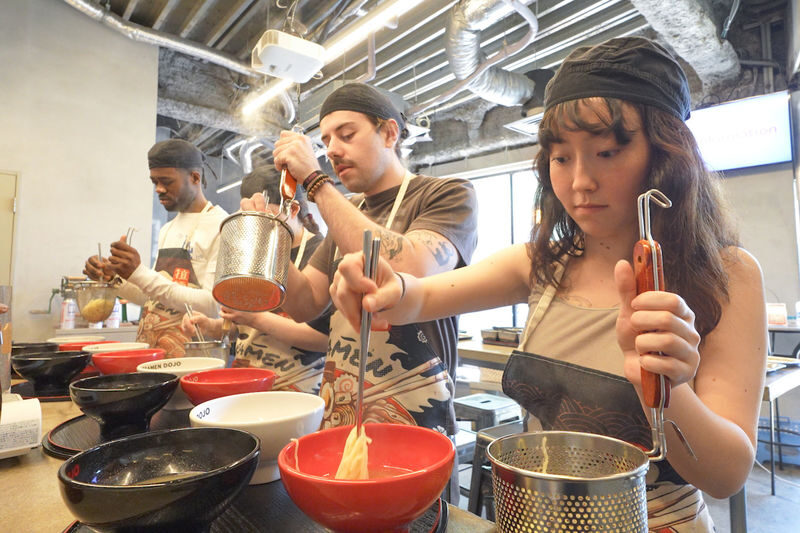
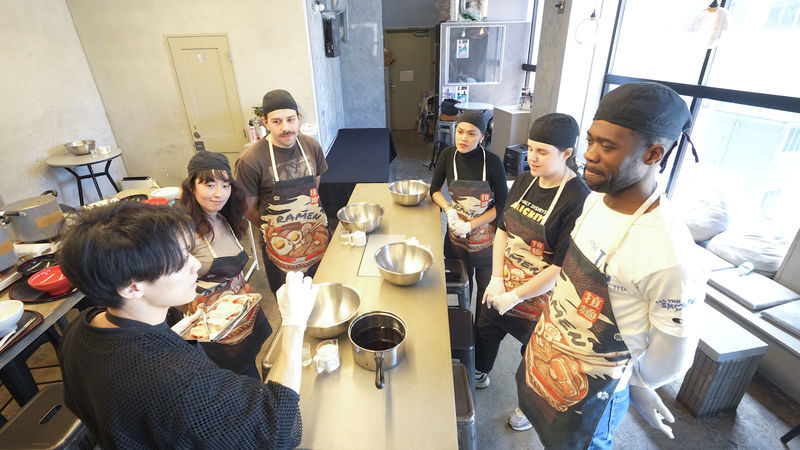
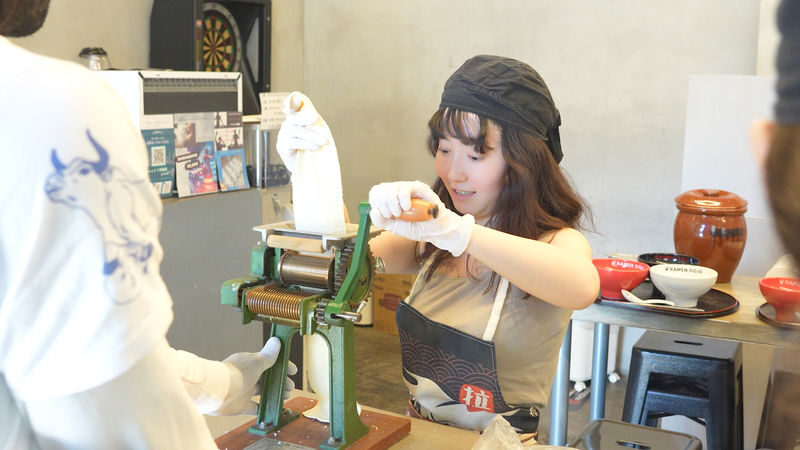
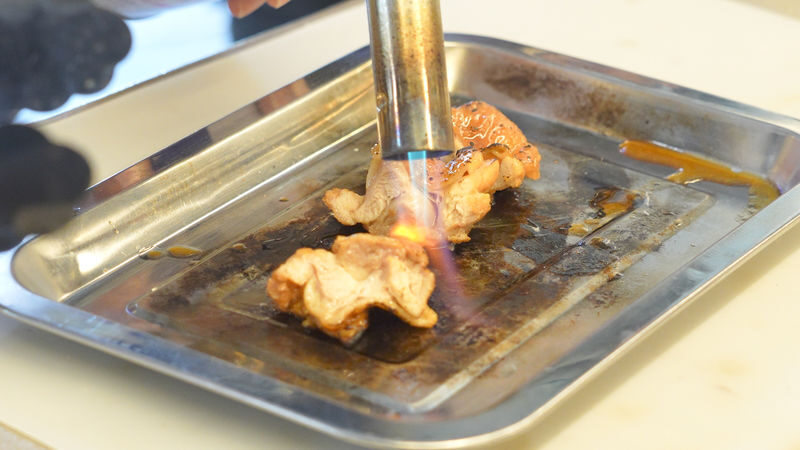
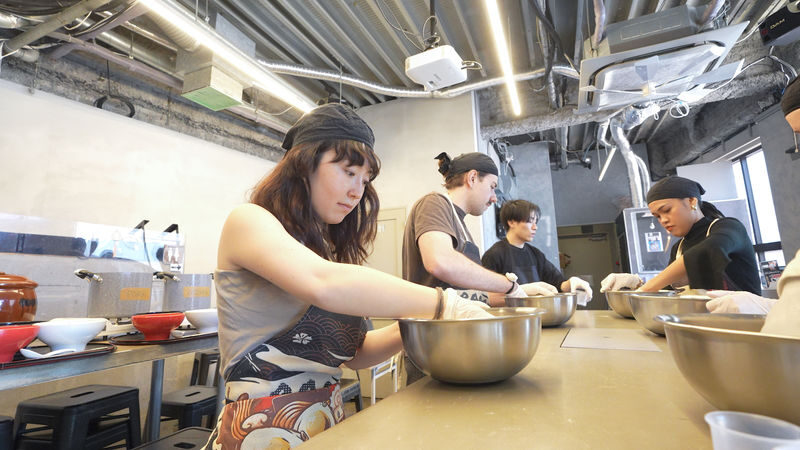
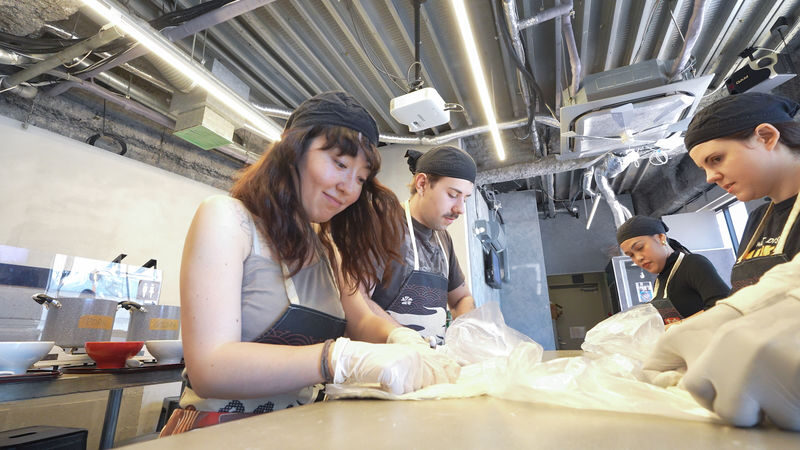
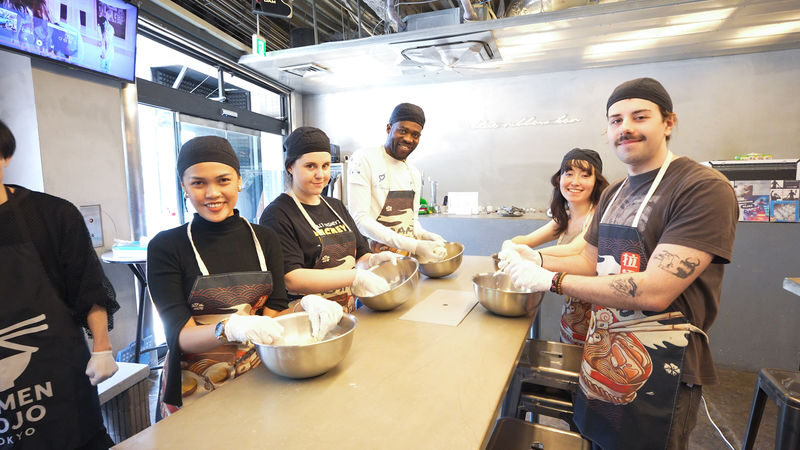
- Three styles, one class: Make bowls with tonkotsu, shoyu, and miso bases, then taste and compare them.
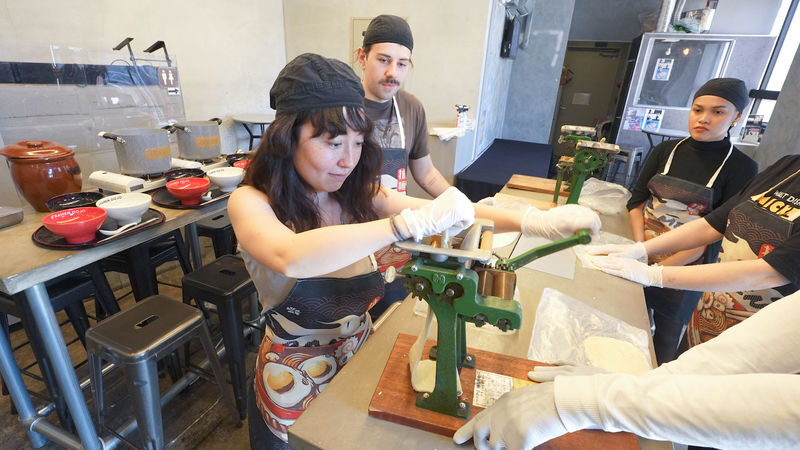
- Noodles made by hand, then machine: Mix and knead the dough before using professional equipment to roll and cut it.
- A full meal, not just a demo: Prepare chicken chashu, add toppings, and eat the ramen you assemble.
- Beginner-friendly instruction: English-speaking staff and small groups allow time for questions and individual help.
- A practical rainy-day activity: The class is indoors, with equipment and aprons provided.
- Allow time to find the studio: Search for Ramen Dojo Tokyo rather than relying on the street address alone.

👉 See our pick of the 25 Best Guided Tours In Tokyo
Three bowls make the lesson
Ramen Dojo Tokyo offers a focused 90-minute workshop built around a useful comparison. Instead of learning one recipe and leaving with a single bowl, you make three versions side by side: tonkotsu, shoyu, and miso. That gives you a direct way to notice how the soup base and tare change the taste of the finished ramen.
The names can sound like a menu quiz, but the class makes them tangible. You taste each style and decide how to balance its components, then add toppings to suit your preferences. It is a more memorable introduction to ramen than simply ordering several bowls at a restaurant and trying to guess what makes them different.
There is an important distinction between making ramen and making every part of ramen from raw ingredients. You prepare the noodles and chicken chashu, and you adjust the soup bases and tare. The class does not appear to include hours of simmering bones or cooking every broth from scratch. If you want a full broth-making masterclass, this short session is not that.
Still, the format has a clear advantage for a first lesson: it lets you focus on the parts you can see, handle, and taste within 90 minutes. You leave with a better sense of how noodles, seasoning, soup base, and toppings work together, rather than spending most of the class waiting for stock to cook.
You can also read our reviews of more tours and experiences in Tokyo.



From dough to springy noodles
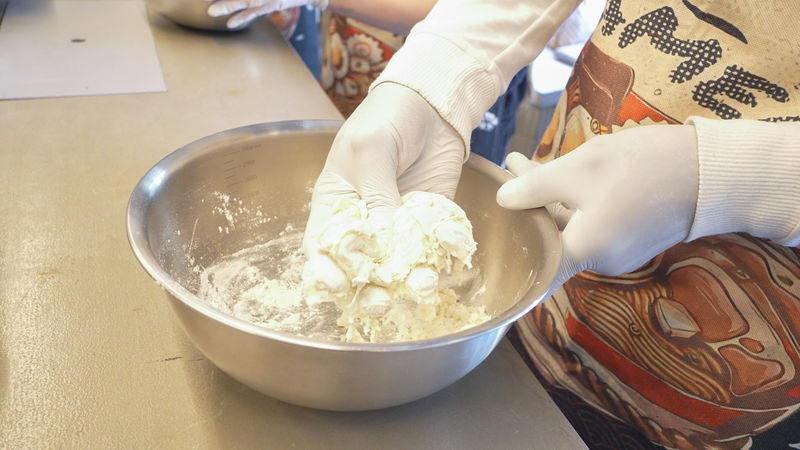
The class begins with noodle dough. You knead it, work it smooth, and then use a professional noodle machine to roll and cut it. That machine is a practical highlight: it takes the class beyond a quick cooking demonstration and gives you a chance to handle the tools used to shape noodles.
Fresh noodle making is often the most satisfying part for beginners. You can see the dough change as you work it, then watch it become strands ready for the bowls. The instructors guide the process, so you do not need cooking experience or prior knowledge of ramen.
The class is hands-on, but it is still a short workshop rather than a technical course in noodle production. If you are hoping to study flour ratios, noodle hydration, or the finer details of dough development, ask questions as you go. The available time is designed to cover several parts of ramen making and finish with a meal.
That pace suits couples, families, and solo participants who want a lively activity without committing half a day. It also means the instructor’s explanations matter. Small groups and patient, clear English instruction are part of the appeal, especially when you are using unfamiliar equipment.
Chicken chashu and the art of building a bowl
After the noodles, you prepare chicken chashu and finish it with a sear. The process adds a second cooking task and gives you something substantial to add to each bowl. It is a useful reminder that ramen is a set of parts assembled with care, not just noodles dropped into soup.
Then comes the flavor work. You adjust tare and soup base for each of the three ramen styles, add the noodles, and choose toppings. The available toppings mentioned during classes include items such as corn, seaweed, bamboo shoots, and fish cakes. The precise selection may vary, so think of these as examples rather than a guaranteed menu.
This is where the class becomes personal. You can tune the bowls to your taste instead of following a restaurant’s fixed recipe. You may like one base more than another, or find that a particular topping works best with one style. The point is not to crown a single winner, but to notice how different combinations change the meal.
The included lunch makes the workshop feel like a complete outing rather than a cooking lesson followed by a search for food. You build and eat the ramen you prepared, and the three bowls give you a generous tasting experience. If you are planning a substantial meal before or after, keep in mind that this class itself is intended to feed you.
What the 90 minutes feel like
The advertised session is about 90 minutes, with time for instruction, noodle making, chicken preparation, bowl assembly, and eating. The experience is structured enough to keep things moving, but small-group support leaves room for questions and photos along the way.
Actual timing may be shorter on some days. One participant found the session took about an hour, so do not build a tight, nonrefundable plan around the full 90 minutes. The other side of that coin is that the class can fit neatly into a morning or afternoon, with lunch included.
A morning booking can work as a late breakfast, while an afternoon session gives you an indoor activity between sightseeing stops. Either way, avoid scheduling something important immediately afterward. You will want a little breathing room to finish your meal and make your way out without watching the clock.
The atmosphere is reported as friendly and comfortable, with instructors who explain the process patiently. Yuka, Sayaka, Runa, Rin, Kazuki, and Sumire are among the instructors named by people who attended, but the teacher on your date is not guaranteed. The useful point is that the teaching style is aimed at newcomers, not only confident home cooks.
Location: near Shibuya, but not at the Crossing
Ramen Dojo is in Meguro-ku at 1F, 2-16-29 Ohashi, Tokyo 153-0044. It is described as one station from Shibuya, which makes it convenient to pair with time in the area. But do not mistake near Shibuya for at Shibuya Crossing: the studio is not right beside the famous intersection.
There is a small but important navigation wrinkle. Searching the street address in Google Maps may not bring up the correct spot. Search for Ramen Dojo Tokyo instead, and contact the shop through Instagram or by phone if you are uncertain about the meeting point.
Arrive 15 minutes before the start time. The class keeps to a schedule, and anyone arriving five minutes or more after the start time cannot join that session. If you are running behind, the stated option is to reschedule for a fee, subject to an available time. In Tokyo, where a station exit or a map pin can eat up a few minutes, arriving early is the sensible move.
The studio is indoors, so weather will not spoil the activity. Aprons and equipment are supplied, and wheelchairs and strollers are welcome. Those details make it easier to plan, though you should still contact the provider if you need to confirm a specific access requirement.





Is $110.85 good value?
At a starting price of $110.85, this is more expensive than simply buying ramen for lunch. The value comes from the combination of a guided activity, fresh noodle making, chicken chashu preparation, three styles to compare, and a meal at the end. You are paying for both the food and the chance to learn by doing.
That price makes the most sense if you are curious about Japanese food, enjoy cooking activities, or want a shared experience with family or friends. The three-style format is especially useful if you have only tried one or two kinds of ramen before. You get a structured introduction and can ask questions while each part is in front of you.
It is less compelling if your main goal is the cheapest excellent bowl in Tokyo, or if you expect a chef-level course covering every broth from its raw ingredients. The soup bases are adjusted rather than built from scratch, and the class is compact. For a visitor who wants a full, technical cooking program, a longer masterclass may be a better fit.
The experience has a strong track record, with a 4.9 out of 5 rating across 86 reviews and a 94 percent good-review rate across 183 total reviews. Most praise centers on the patient instructors, family-friendly atmosphere, fun of making noodles, and the taste of the finished bowls. There are occasional complaints about the meal or the depth of instruction, which is a fair reminder that this is a short, accessible workshop, not a restaurant tasting menu or an intensive culinary course.
Who will enjoy this ramen class most?
Families get a lot from the format because children can take part in a clear sequence of tasks and then eat what they have made. Children aged 0 to 5 can join free, but they must still be included in the passenger headcount. Children aged 12 and older pay the adult rate, and the activity has no age limit.
Couples and friends have an easy shared project, with plenty to compare at the table afterward. Solo participants can also join: the small-group teaching format gives you a chance to meet others without needing to bring a companion. The activity is suitable for beginners, so you do not need to be a keen cook to enjoy it.
If you need a vegetarian, vegan, or halal-friendly meal, book the separate Vegan & Halal-friendly Ramen plan. The regular three-style option includes tonkotsu, shoyu, and miso, and should not be treated as a substitute for that alternative. If you have other dietary restrictions, contact the shop before booking rather than assuming the standard menu can be changed.
Should you book Ramen Dojo Tokyo?
Book this class if you want to do more than eat ramen in Tokyo. You will make noodles, work on chicken chashu, adjust three soup styles, and sit down to a meal you helped create. Its best qualities are the side-by-side tasting and the friendly, beginner-oriented instruction.
Skip it if you want to cook every broth from scratch, need a long technical course, or are choosing solely on meal price. The session is short, and its location is one station from Shibuya rather than beside the Crossing. For a rainy-day activity, a family outing, or a hands-on introduction to ramen, it is a good use of a Tokyo morning or afternoon.
Tokyo: Shibuya Ramen Making – From Scratch to Your Own Bowl!
“This was great! tasting the three different ramen types was a great learning experience”
FAQ
How long does the ramen-making class last?
The workshop is described as a 90-minute experience, though the actual session may finish sooner.
Which ramen styles are included?
The standard package includes tonkotsu, shoyu, and miso. A separate Vegan & Halal-friendly Ramen plan is also available.
Do I make the broth from scratch?
No. You adjust the tare and soup base, but the class does not involve cooking the broth from raw ingredients.
Is the class suitable for beginners and children?
Yes. No cooking experience is required, and the activity has no age limit. Children aged 0 to 5 can join free but must be included in the passenger headcount; children aged 12 and older pay the adult rate.
Where is Ramen Dojo Tokyo?
It is at 1F, 2-16-29 Ohashi, Meguro-ku, Tokyo 153-0044, one station from Shibuya. Search for Ramen Dojo Tokyo rather than relying only on the street address in Google Maps.
How early should I arrive?
Arrive 15 minutes before the start time. Anyone arriving five minutes or more after the start time cannot join the booked session.