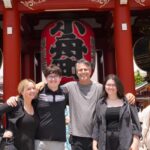
In Asakusa, a rickshaw does more than save your feet: it gives you a low, open-air view of old streets and landmark gates while a local guide explains what you are seeing. I like that the ride turns a short trip between sights into a small cultural introduction, rather than just another way to get around.
I also like the guide-led photo stops and local tips. Guides such as Tatsuya, Koko and Kaiya have been praised for sharing stories, helping with pictures and suggesting food to try afterward. One consideration: the listed starting price is for the 30-minute tour, which is a brief orientation, not a full temple visit.
- What to know before you book
- Asakusa from the seat of a rickshaw
- Starting at Kaminarimon Gate
- Denboin Street and the older lanes
- Nitenmon Gate and the Skytree view
- A guide makes the ride
- Is 30 minutes enough?
- Comfort, weather and family considerations
- Who gets the most from this ride?
- Should you book the Asakusa rickshaw tour?
- FAQ
- Where does the tour meet?
- How early should I arrive?
- What sights are included on the 30-minute route?
- Are attraction admission fees included?
- Can children ride?
- Can I change or cancel my booking?
- The Best Of Tokyo!
- More Tours in Tokyo
- More Tour Reviews in Tokyo
- Not for you? Here's more nearby things to do in Tokyo we have reviewed
What to know before you book
- The 30-minute route passes Kaminarimon Gate, Denboin Street and Nitenmon Gate, with a view toward Tokyo Skytree.
- A guide does the talking and photo work. English and Japanese are offered, and guides may help you find a good picture spot.
- The route can be adjusted. The sample itinerary returns to Kaminarimon, but the starting point, finish and route can be customized within your booked time.
- You can book longer rides. Options run from 30 minutes to three hours, useful if you want more time to explore.
- It is a ride, not an admission ticket. Attraction entry fees are not included.
- Plan around the weather and seating. Rickshaws are open-air and suited to two people; families may need more than one.

👉 See our pick of the 25 Best Guided Tours In Tokyo
Asakusa from the seat of a rickshaw
Asakusa has a different pace from Tokyo’s big commercial districts. The streets around Sensoji Temple and Kaminarimon Gate are packed with people, shops and food stalls, yet the older lanes nearby still offer glimpses of the neighborhood’s past as a major town in Tokyo. A rickshaw gives you a moving view of both: the famous landmarks and the quieter street details you might pass while walking with your eyes on a map.
The ride is pulled by a trained rickshaw driver, who also serves as your guide. You sit back while they navigate the area and point out local sights. The ride’s unusual height and open sides make it easy to look around, and you are not responsible for working out the route or finding the next landmark.
This is a compact experience, not a substitute for exploring Sensoji on foot. Think of it as a guided introduction, with a little transport and a memorable photo opportunity built in. You can then return to the temple, shop streets or food stalls at your own pace.
You can also read our reviews of more tours and experiences in Tokyo.


Starting at Kaminarimon Gate
The meeting point is outside Exit 1 of Asakusa Station on the Ginza Line, about a two-minute walk from the station. The rickshaw stand is marked Ebisuya. Arrive 10 minutes early, since late arrivals and no-shows are not refundable.
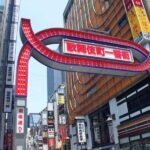
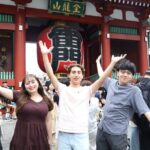
The tour starts at Kaminarimon Gate, the grand entrance to Sensoji Temple. Its giant red lantern is one of Asakusa’s best-known sights and a natural place to get a photo before setting off. Your guide can take pictures, so you do not have to rely on a stranger or a timer.
The area can be crowded, especially around the gate and nearby shopping street. That is part of the scene, but it means you should not expect a private, quiet view. The rickshaw format helps you move through the district without needing to weave through every crowd on foot.
Denboin Street and the older lanes
From Kaminarimon, the sample route includes Denboin Street, an area where the guide can point out the character of Asakusa beyond its best-known temple approach. The point of this stretch is not simply to tick off a street name. You get a chance to notice the neighborhood’s smaller details while your guide supplies context and local stories.
The rickshaw lets you cover ground without turning the outing into a long walk. That is useful at the start of a Tokyo visit, when jet lag or a full day on your feet can dull your attention. Several longer-tour riders have used the ride as an early orientation to Asakusa, then continued exploring on foot afterward.
The trade-off is that a short ride cannot give every lane much time. If you want to linger, browse, or stop often, choose a longer package or plan a separate walk after the tour.
Nitenmon Gate and the Skytree view
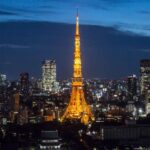
The sample itinerary continues to Nitenmon Gate and includes a good view of Tokyo Skytree. Seeing the tower from Asakusa gives you a useful sense of how the old temple district sits within modern Tokyo. You are not visiting the Skytree or going up it; this is a view from the neighborhood.
Nitenmon adds another architectural point of interest to the route. Your guide can help you place the gate among the area’s religious landmarks and explain what you are looking at. Some riders describe short stops and walks around shrines as part of their longer outings, but the exact pace and stops can vary with the route and duration.
The tour returns to Kaminarimon on the sample 30-minute itinerary. If you have a particular interest, ask about route changes before or at the start. The operator says routes and start or finish points can be adjusted within the booked time, subject to what is practical.
A guide makes the ride
The rickshaw itself is a novelty, but the guide is what gives the ride substance. Names that appear in accounts of the experience include Koko, Tatsuya, Kaiya, Itaru and Yusuke. Their roles go beyond pulling the vehicle: they explain local features, keep conversation lively, help passengers feel comfortable and often take photos.
English ability can vary from guide to guide, but English-speaking guides are available. Some people have appreciated guides who could chat about everything from local customs to anime, while others valued simple, clear explanations and food suggestions. If cultural context matters to you, mention that when you meet the staff and ask for a guide who can speak English comfortably.
The photo help is a practical plus, particularly for couples or families who want a picture together. Guides know where to pause and can take photos for you, though the final result depends on timing, crowds and the angle. You can also bring your own phone or camera and ask for a few shots.


Is 30 minutes enough?
For a first look at Kaminarimon and the nearby Asakusa sights, 30 minutes can work well. It keeps the commitment short and gives you an unusual introduction before you spend time inside Sensoji or browsing Nakamise Shopping Street. The shorter package is also the one tied to the stated starting price of $63.15.
But half an hour will pass quickly. You should not expect a detailed temple visit, a long stop for shopping or a broad tour of Tokyo. The rickshaw’s purpose is to carry you through a small part of Asakusa while the guide adds context.
The 60- and 90-minute options give you more room for a wider route and a relaxed pace. Packages are also available for 120 and 180 minutes. Families and small groups have used two rickshaws when there were more passengers than seats, so consider the number of riders when comparing the total cost.
The listed price is a starting point, not a guarantee that every package or party size costs the same. Check that you are selecting the right duration and number of rickshaws before paying. Attraction admission is separate, and shopping or meals are not included.
Comfort, weather and family considerations
The rickshaw is designed for two passengers, and the experience is open-air. That brings the street close, but it also means the weather matters. In hot conditions, the ride can feel exposed; in rain, some guides have used overhead cover and leg protection. Still, comfortable weather is the safer bet if you can choose your time.
The ride can suit older visitors or anyone who wants to see the area without walking the whole route. The activity is described as wheelchair-accessible, and lightweight folding wheelchairs can be carried on the back of the rickshaw or sent separately to the final destination. Check your specific needs with the operator before booking, since the arrangement may depend on the route.
Children aged five and under ride free if they do not need a separate seat. Children six and older are charged the adult rate. Luggage and strollers can be attached to the back or stored at the branch, depending on the route. People in the first 16 weeks of pregnancy are not permitted to ride.
Who gets the most from this ride?
I’d recommend the 30-minute option if you want a distinctive introduction, a few photos and an easy way to cover the central sights. It is a good fit for couples, first-time visitors, families with children and people who would rather not begin their Asakusa visit with a long walk. It can also be a welcome break between temple visits and shopping.
Choose an hour or more if you want the guide to spend longer with you or hope to see more than the immediate Kaminarimon area. Longer outings have worked well for families and for people using the ride to get oriented on their first day. They also give the guide more room to adjust the pace, although the exact route remains open to customization.
Skip the ride if you mainly want temple admission, quiet time at Sensoji or an inexpensive way to get from one place to another. This is a guided cultural outing, and its value comes from the driver, stories, unusual viewpoint and photo help, not from covering a great distance.
Should you book the Asakusa rickshaw tour?
Book it if you want a short, memorable way to see Asakusa with someone who can explain the local sights as you go. I’d choose 30 minutes for a first look and a quick photo stop, or 60 minutes if you want more breathing room. Before confirming, check the duration, number of rickshaws and party size so the price matches the ride you intend to take.
Tokyo Asakusa Rickshaw Half Day Tour
“Koko was a great guide, full of interesting insights as we explored the various parts of Asakusa. Koko, you were fantastic. Recommend him as a guid…”
FAQ
Where does the tour meet?
Meet outside Exit 1 of Asakusa Station on the Ginza Line, at the Ebisuya Asakusa Rickshaw stand. It is about a two-minute walk from the station.
How early should I arrive?
Arrive 10 minutes before your scheduled start. Late arrivals and no-shows are not refundable.
What sights are included on the 30-minute route?
The sample route includes Kaminarimon Gate, Denboin Street, Nitenmon Gate, a view of Tokyo Skytree and a return to Kaminarimon Gate. The route may be customized within the booked time.
Are attraction admission fees included?
No. Admission to attractions is not included in the rickshaw tour price.
Can children ride?
Children aged zero to five ride free if they do not occupy a separate seat. Children aged six and older are charged the same rate as adults.
Can I change or cancel my booking?
Changes are allowed until 24 hours before the activity starts, with some booking exceptions. You can receive a full refund if you cancel at least 24 hours before the activity date, using local destination time.