Making chopsticks is a fine way to get past the souvenir-shop version of Japan. At Hashiyuki, you choose a wood type, shape and sand the pieces with traditional tools, then take your finished pair home the same day. The craft is practical, and you get a closer look at an everyday object that carries cultural meaning.
I like two things in particular: the artisan guides you through each step and checks your work as you go, and the workshop is short enough to fit into a busy Tokyo day. You also leave with something personal, not a factory-made keepsake.
One point to check before booking: the workshop address is given in Taito City, but a separate meet-up detail lists an address in Ginza. Confirm the exact meeting address with the operator before setting out. Some wood choices may also cost extra, and the harder woods take more effort to shape.
- What makes this chopstick workshop worth an hour
- Choosing wood, then shaping your own pair
- A small craft with everyday meaning
- Staff guidance makes it beginner-friendly
- One hour, with a practical place in your day
- What the price buys you
- Who should book this workshop
- FAQ
- How long is the chopstick-making workshop?
- Where does the workshop take place?
- What times can I book?
- What is included in the price?
- Are transport and meals included?
- Do I need woodworking experience?
- Can children take part?
- Can I choose the type of wood?
- What should I bring to the workshop?
- The Best Of Tokyo!
- More Workshops & Classes in Tokyo
- More Tours in Tokyo
- More Tour Reviews in Tokyo
- Not for you? Here's more nearby things to do in Tokyo we have reviewed
What makes this chopstick workshop worth an hour
 1 / 7
 2 / 7
 3 / 7
 4 / 7
 5 / 7
 6 / 7
 7 / 7
- You work the wood yourself: Shape, sand, and finish a pair rather than simply watching a demonstration.
- You get help at each stage: Staff explain the process and check your progress, which makes the activity approachable for beginners.
- Wood choice affects the work: Different types are available, but some may carry an extra charge. Purple Heart, for example, can be tough to carve.
- You take home a useful souvenir: Your handmade chopsticks are wrapped for you and ready to bring home.
- The session lasts one hour: That makes it an easy addition to a Tokyo itinerary, though the listed price does not include transport or food.
- The address details need checking: The workshop is listed in Taito City, while one meeting-point entry gives a Ginza address.

👉 See our pick of the 25 Best Guided Tours In Tokyo
Choosing wood, then shaping your own pair
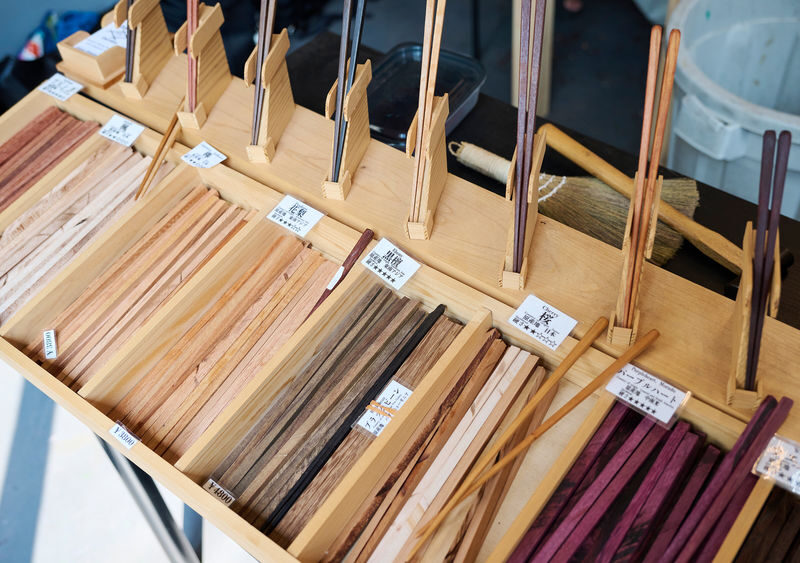
The workshop begins with an introduction to the different wood types. You can choose the one you want to work with, though the price may vary by wood. Ask about any extra charge before deciding, especially if you have a particular material in mind.
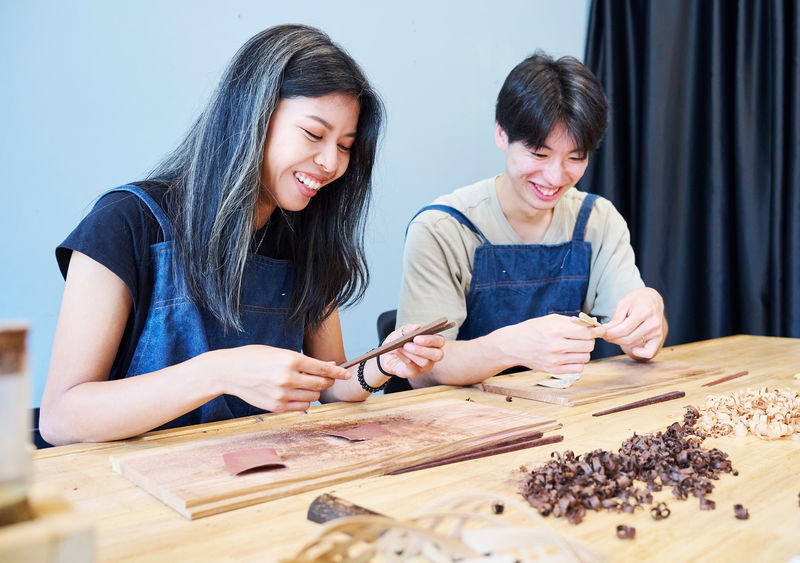
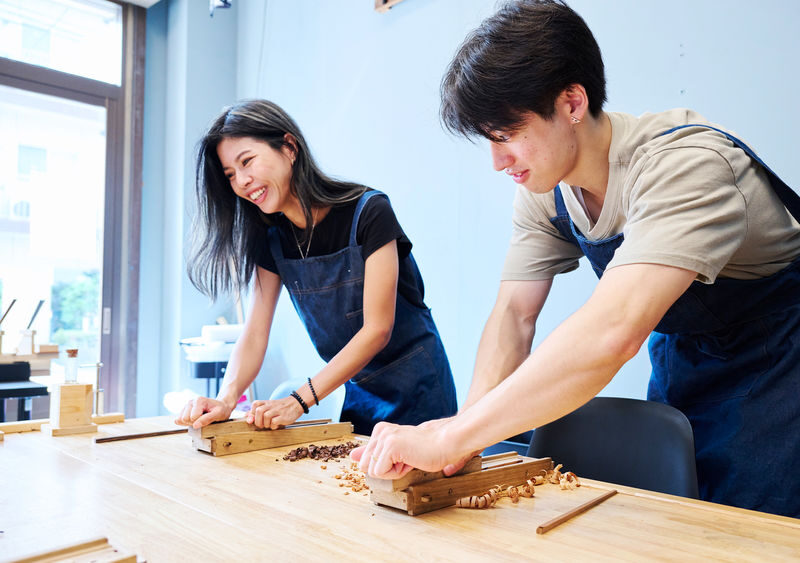
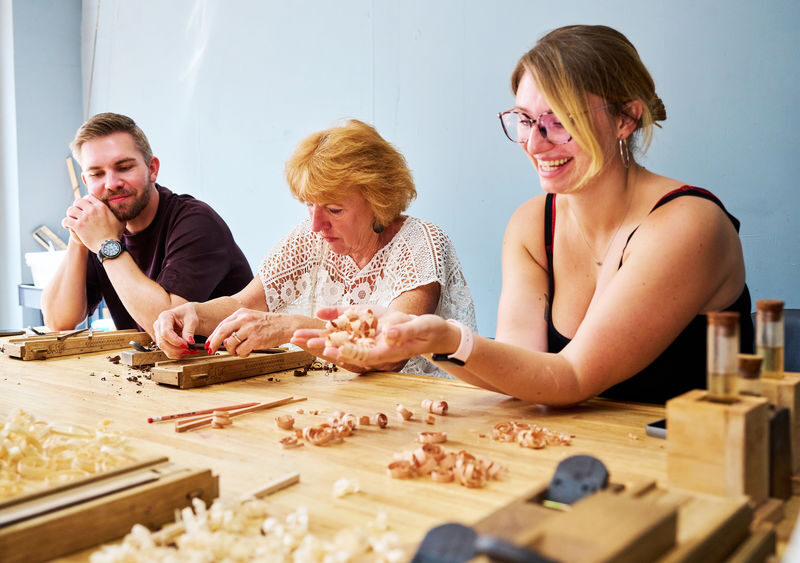
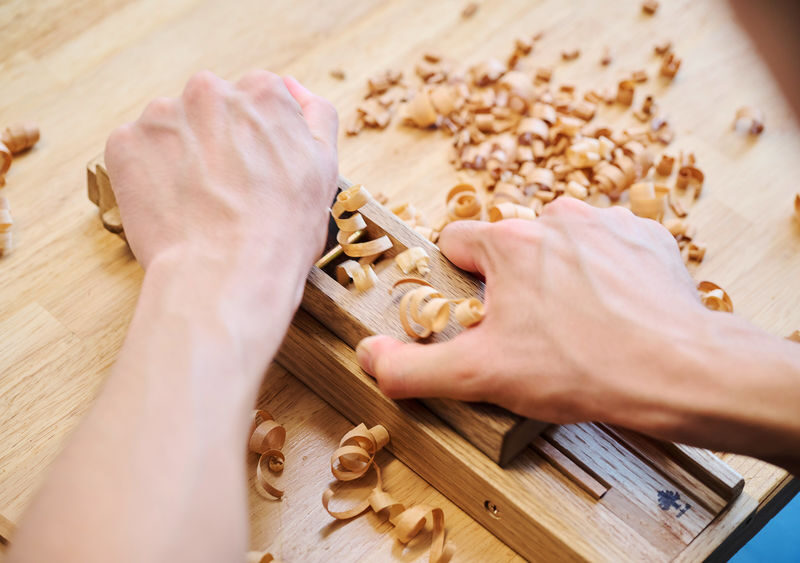
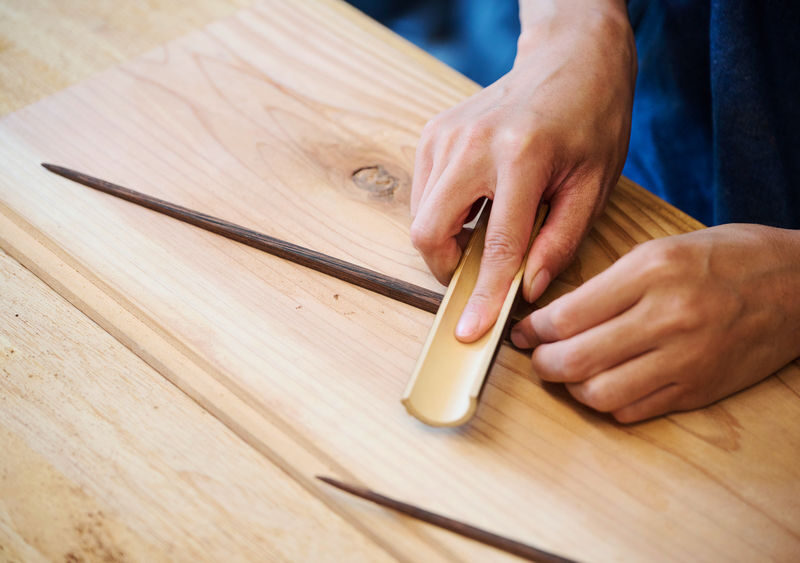
Then comes the hands-on part. With a local artisan showing you the steps, you shape the chopsticks and work on smoothing them. The process is broken into manageable stages, and staff check your progress along the way. That ongoing guidance matters: it gives you room to do the work yourself without leaving you to guess whether you have taken off enough wood.
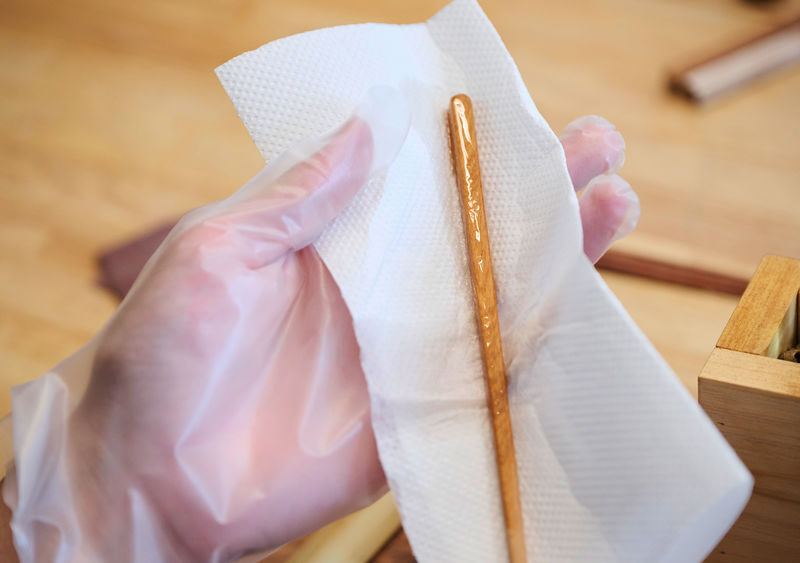
Sanding is one stage where a second opinion can be useful. You may be tempted to keep working until the surface feels perfectly smooth, but the instructor can tell you when it is ready. Take that advice. The point is not to rush, but to avoid overworking a piece that is already in good shape.
The wood itself can change how demanding the session feels. Purple Heart, in particular, is described as hard to carve. If you prefer a gentler introduction, ask which of the available woods is easiest to work with before choosing. The experience is designed for beginners, but that does not mean every material asks the same effort from your hands.
Once the shaping and finishing are done, you take your chopsticks home the same day. They are wrapped for you, making them easy to pack as a souvenir or give as a gift. Most of all, they carry a small story: you chose the wood and made them yourself.
You can also read our reviews of more tours and experiences in Tokyo



A small craft with everyday meaning
Chopsticks are not an exotic object you will see once and forget. They are part of daily life in Japan, which gives this workshop a useful cultural angle. As you work, staff explain the significance of chopsticks and the care involved in making them.
That context is one reason I like this activity more than a purely decorative craft class. You are learning about an object people use, while seeing how much attention can go into shaping it. The finished pair may be simple, but the process makes you notice the balance between form and function.
The workshop is also a quieter way to spend an hour in Tokyo. There is no long itinerary or list of stops to keep track of. You focus on the wood in front of you, listen to the instructions, and make something at your own pace with help close by.
Staff guidance makes it beginner-friendly
English-speaking and Japanese-speaking staff are included, and clear instruction is central to the experience. You do not need prior woodworking skills. The steps are explained, and the staff can check your work as you move through the process.
The guidance seems especially valuable if you arrive with a group. One solo participant found it harder to get individual attention while larger groups were present. That is a useful consideration if you want a more personal lesson: ask the operator about group size or the session arrangement before booking, since no group-size details are provided.
For families, the activity has no age limit, and children must be included in the passenger headcount. That does not tell you what age is best for the hands-on work, so use your judgment and ask the operator if you are bringing a young child. The workshop is described as suitable for beginners, and the tools and wood still call for care and attention.
Couples and solo visitors can also make good use of the hour. For a pair, it is a shared activity with a tangible result. If you are on your own, you can still make a set for yourself, though the level of one-to-one help may depend on how many other people are in the session.
One hour, with a practical place in your day
The session lasts one hour, with the workshop and return both at the listed shop address. Available start times are from 09:00 through 16:00, at hourly intervals. Your selected booking time matters, so arrive five minutes early.
The short duration is a plus if your Tokyo schedule is full. You can add a focused craft activity without giving up half a day. On the other hand, the workshop is only the making session. Transport, meals, drinks, and other personal expenses are not included, so allow time and budget for getting there and continuing your day afterward.
The listed workshop address is Hashiyuki Chopsticks Shop & Workshop, 1-7-1 Misuji, Taito-ku, Tokyo. However, the meet-up information also gives 1-14-12 Ginza, Chuo-ku, Tokyo, which does not match the workshop address. Do not assume these are interchangeable. Confirm the correct location and use the address provided for your booking before you leave.
What the price buys you
The workshop starts at $31.55. For that, you get admission, staff who can assist in English and Japanese, guided instruction, and a pair of handmade chopsticks to take home. That is fair value if you want a participatory activity and a souvenir with a personal connection.
The price is easier to judge once you factor in the finished item. You are not paying only for an hour indoors; you are paying for materials, instruction, and a useful object made by your own hands. If you choose a wood that costs extra, the final amount may be higher, so check the price before settling on a material.
This is not the best choice if you want a free-flowing visit with no added costs beyond the advertised starting price. Transport, food, and personal expenses are separate, and wood selection may affect the total. But if a small-group craft session and a handmade keepsake are your priorities, the starting price is reasonable.






Who should book this workshop
I would put this on the list for anyone curious about Japanese craft but not looking for a long or highly technical class. Beginners are welcome, the staff guide each stage, and you leave with something you can use. It also suits families, couples, and solo visitors who enjoy making things rather than only observing them.
It may be less appealing if you want a polished, effortless activity with little physical work. Carving takes effort, especially with harder wood, and the degree of individual attention may vary with the group. If that sounds fine, the hands-on nature is part of the point.
Before booking, confirm the address and ask whether your preferred wood costs extra. If you have limited time, the one-hour session is convenient, but remember that getting to the shop is your responsibility. The activity itself is a good fit for a Tokyo day when you want a small, practical craft experience and a souvenir that means more than a purchase.
Tokyo: Artisan-Led Chopstick Making Workshop in Asakusa
“Organization: We found the studio very easily and were welcomed right away, even though we were nearly 20 minutes early. Activity: Initially, the d…”
FAQ
How long is the chopstick-making workshop?
The workshop lasts one hour.
Where does the workshop take place?
The workshop address is Hashiyuki Chopsticks Shop & Workshop, 1-7-1 Misuji, Taito-ku, Tokyo. The meeting information also lists a Ginza address, so confirm the correct meeting location before you go.
What times can I book?
The listed start times run hourly from 09:00 to 16:00. The options available may depend on the duration and your selected departure time.
What is included in the price?
Admission to the workshop and English-speaking and Japanese-speaking staff are included.
Are transport and meals included?
No. Transport, meals and beverages, and other personal expenses are not included.
Do I need woodworking experience?
No prior experience is stated as necessary. The workshop is described as suitable for beginners, with staff explaining the steps and checking your work.
Can children take part?
The activity has no age limit, and infants and children must be included in the passenger headcount. The supplied details do not specify a recommended minimum age.
Can I choose the type of wood?
Yes. You can choose from different wood types. Some choices may involve an extra charge, and harder woods can take more effort to carve.
What should I bring to the workshop?
You need to present your mobile voucher. The activity details do not specify any other required items.