In the middle of Shibuya, Tokyo Cha An offers a quiet change of pace: a short, hands-on introduction to Japanese tea ceremony. You’ll hear how matcha is made, watch a tea master prepare it, then whisk a bowl yourself with traditional tools.
I like two things in particular: the session pairs a clear explanation with a proper demonstration, and you get to make your own matcha rather than just watch. The nerikiri sweet is part of the lesson, too, showing how a small seasonal treat can balance the tea.
The main consideration is the short format. At 45 to 50 minutes, this is an accessible introduction, not an extended formal ceremony. You’ll learn the basic gestures and context, but the pace leaves limited time to linger over every detail.
- What makes this Shibuya tea ceremony worth your time
- A quiet room just off Shibuya’s busy streets
- First, a short lesson on tea and matcha
- The demonstration shows the care behind each gesture
- Your turn with the whisk and tea bowl
- The setting and seating: a few useful details
- Is .65 a fair price for 45 minutes?
- Who will enjoy Tokyo Cha An most?
- Should you book this tea ceremony?
- FAQ
- How long does the tea ceremony last?
- Where is the meeting point?
- What times can I book?
- Is the activity conducted in English?
- What is included in the price?
- Can children take part?
- What should I bring?
- The Best Of Tokyo!
- More Tours in Tokyo
- More Tour Reviews in Tokyo
- Not for you? Here's more nearby things to do in Tokyo we have reviewed
What makes this Shibuya tea ceremony worth your time
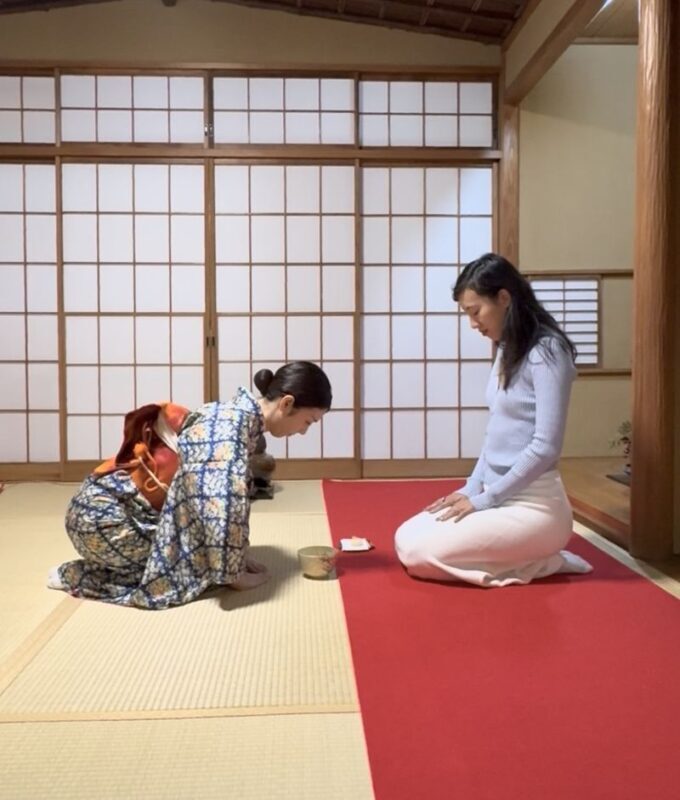
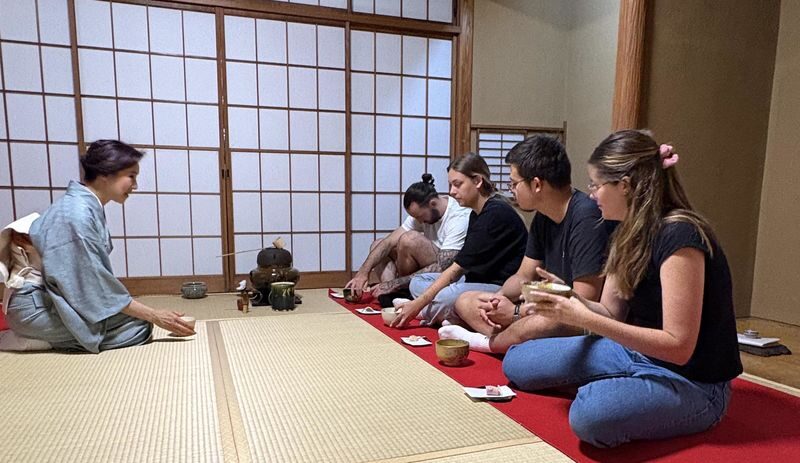
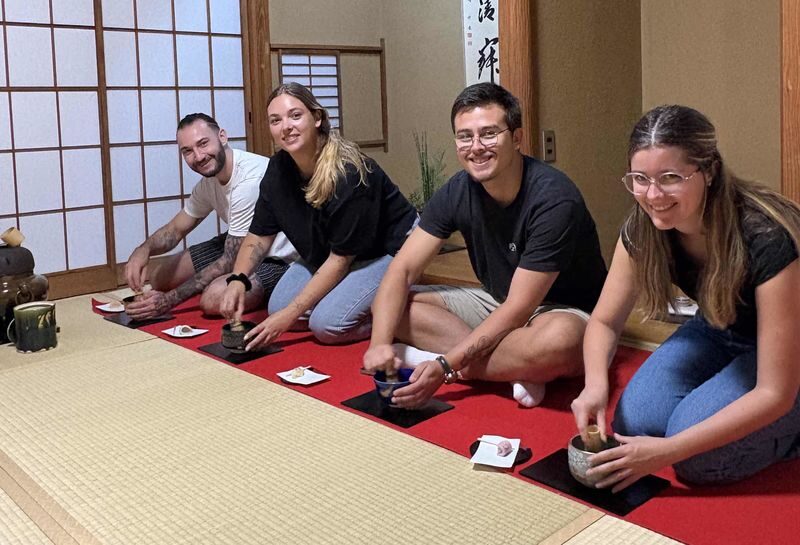
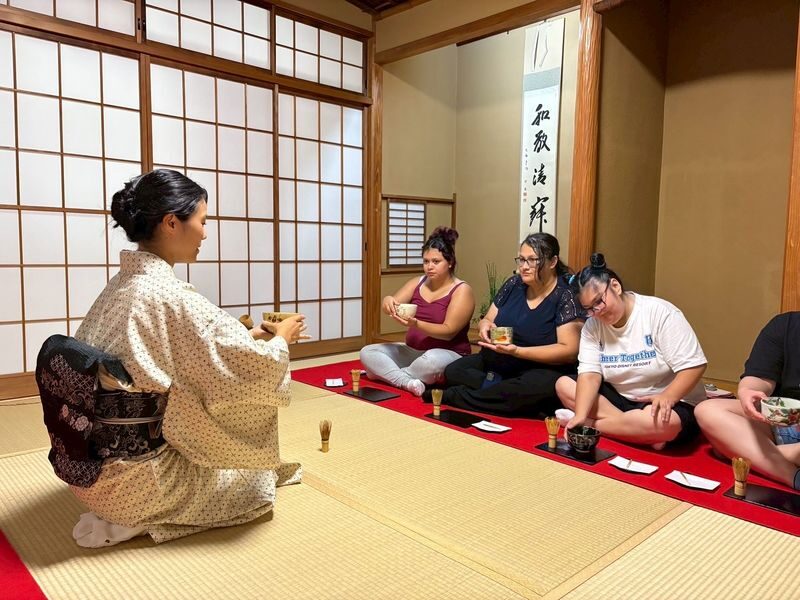
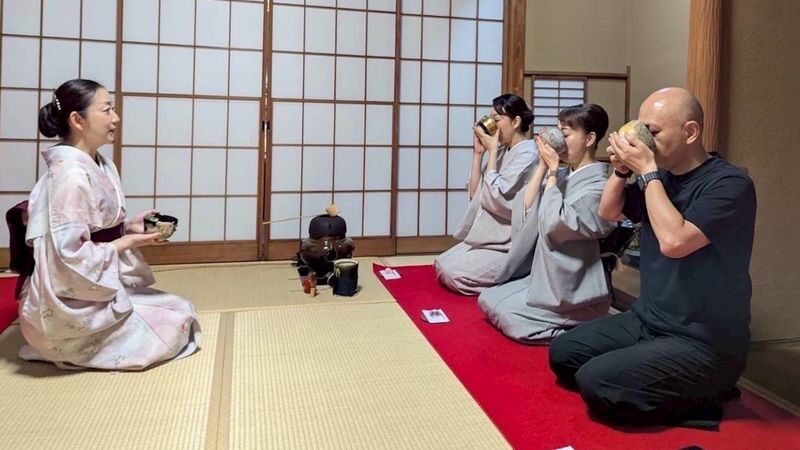
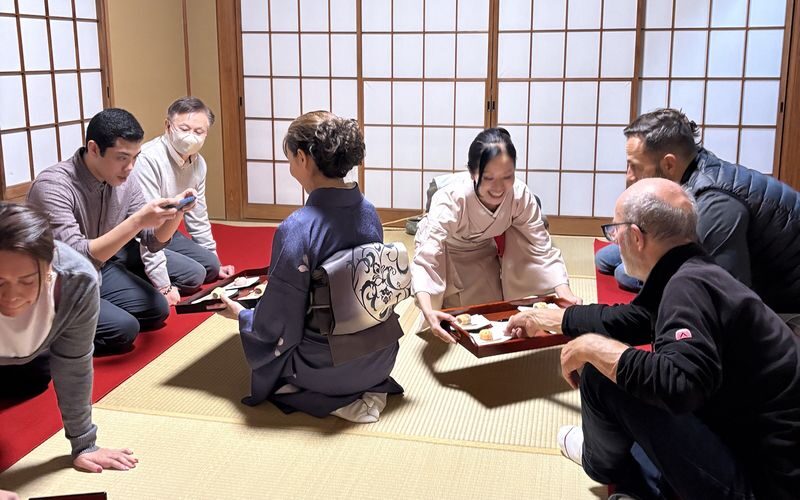
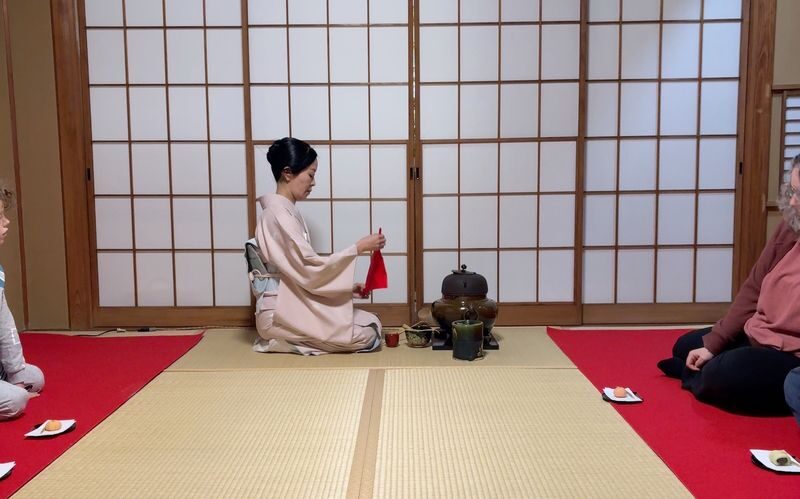
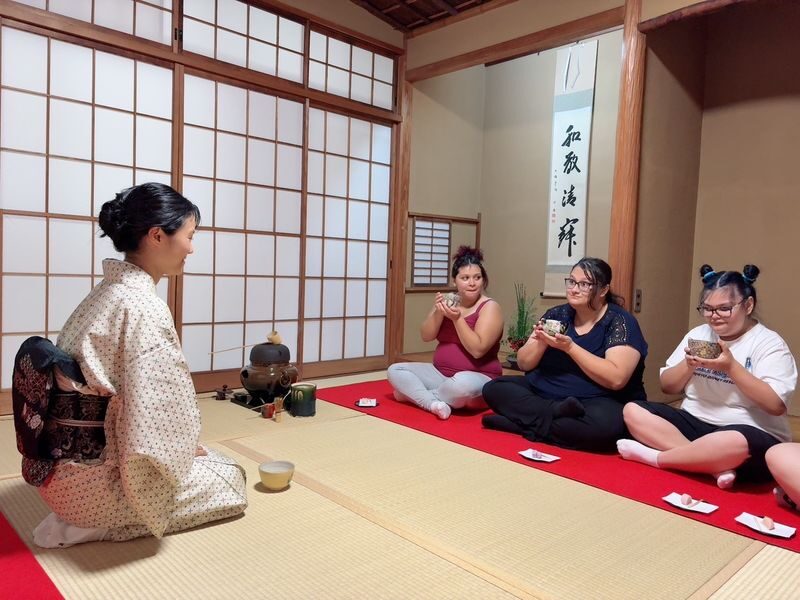
- You see matcha ground on a traditional stone mill, then learn the basics behind preparing it.
- A tea master demonstrates the ceremony before guiding you through your own bowl.
- Nerikiri sweets come with the tea, making the tasting part of the cultural lesson.
- You choose a chawan from a selection of tea bowls for your turn at whisking.
- English instruction keeps the process clear, even if this is your first encounter with tea ceremony.
- The session takes about 45 to 50 minutes, a manageable pause between Shibuya plans.

👉 See our pick of the 25 Best Guided Tours In Tokyo
A quiet room just off Shibuya’s busy streets
Tokyo Cha An is at 2F, Manji Building, 1-15-9 Dogenzaka, Shibuya-ku. The activity takes place in Shibuya, an energetic part of Tokyo, but the tea room offers a marked contrast: a calm setting where the focus shifts from the city outside to the measured steps of preparing tea.
The building can be a little tricky to spot, so use the address carefully. Booking instructions may include a map or a short video showing how to find the entrance. If you have trouble locating it, allow time to check the directions rather than arriving at the last minute.
The activity is a meet-up, not a pickup tour. You make your own way to the second floor and return to the same address when the session ends. Choose from departure times at 10:00, 11:00, 12:00, 14:00, 15:00, or 16:00. Your return time depends on the start time you book.
You can also read our reviews of more tours and experiences in Tokyo.



First, a short lesson on tea and matcha
The session begins with an introduction to Japanese tea and the history of tea ceremony. The explanation is designed for beginners, so you don’t need to know the difference between matcha and other green tea before arriving. English-speaking staff guide the group, and some sessions use information sheets or slides to make the background easier to follow.
You’ll also see how matcha is made using a traditional stone mill. That detail helps put the finished drink in context: matcha is not simply a green powder stirred into water. The preparation has its own tools and steps, and the demonstration gives you a useful visual starting point before the ceremony begins.
Expect the historical section to be concise. The whole activity fits into roughly 45 to 50 minutes, and the host has several parts to cover. That’s a fair trade if you want a practical introduction, though anyone hoping for an in-depth history lecture may want more time than this format allows.
The demonstration shows the care behind each gesture
Next, the tea master performs a traditional tea-making ritual with roots stretching back more than 500 years. The process is deliberate: utensils are handled with care, and each movement has a place. Watching first makes the activity easier to follow when you take your turn.
The ceremony is more than a recipe for making matcha. Its measured pace draws your attention to the preparation itself, from the tools to the way the bowl is handled. In a city where it’s easy to pack your day with sights, this can be a welcome half-hour of doing one thing at a time.
You’ll be served freshly prepared matcha alongside nerikiri, a traditional Japanese sweet. The sweet is not an extra garnish. Its flavor and design are part of the experience, and the combination can make matcha’s bitterness more approachable. Some hosts explain the design of the sweet, including how its details can reflect the season.
If you’re unsure about matcha’s strong taste, this pairing is useful. One family found that a child preferred matcha with milk, so you can ask the staff about options if bitterness is a concern. The standard experience, though, centers on matcha and a Japanese sweet.
Your turn with the whisk and tea bowl
After the demonstration, you’ll make your own bowl of matcha using traditional tools. You can select a chawan from several bowls, then follow the host’s instructions as you prepare the tea. This is the most participatory part of the session, and it gives you a simple technique to try again at home.
Don’t expect your first bowl to taste exactly like the tea master’s. The aim is to learn the steps and understand the process, not to pass a whisking exam. The difference between the demonstration and your own attempt is part of the fun, and the host guides you through the basics.
The format usually gives you two cups: one prepared by the tea master and one you make yourself. Along with the sweet, that makes the price easier to assess. You’re paying for instruction, a demonstration, tea, a treat, and the chance to take part, not merely for a quick drink.
The setting and seating: a few useful details
The experience moves between an introductory area and the tea room. Some sessions begin with participants seated on a bench, then continue in the tea room, where you sit on the floor. You can sit in a position that feels comfortable rather than forcing yourself into a formal posture.
Shoes come off for the tea room, and slippers may be provided for the entry area. Wear socks or bring a pair with you; it’s a small detail that makes the transition easier. The activity is not suited to pets, and it is not recommended for pregnant women.
The group can be small, but size may vary. Some sessions have only a handful of participants, while a spontaneous booking may result in a more intimate session. Don’t book on the assumption that you’ll have a private lesson, but the small-room format does make it easier to see the demonstration and ask questions.
The hosts vary by session. Past instructors have included Coco, Natsu-san, Yuka, and K, but you can’t count on a particular person being assigned to your booking. The consistent point is that the session is conducted in English, with staff explaining the steps and helping beginners follow along.






Is $24.65 a fair price for 45 minutes?
Starting at $24.65, this is a modest-cost cultural activity by Tokyo standards, especially because the price includes admission, English-speaking guidance, matcha, a sweet, and the hands-on preparation. The value is strongest if you want to understand what you’re doing, not simply taste matcha.
It also fits neatly into a day of sightseeing. At around 45 to 50 minutes, it won’t take over the day, and you can book among several morning and afternoon times. The trade-off is depth: a short session can introduce the ceremony and its basic ideas, but it cannot offer the length or level of detail of a longer study.
If you’re already a serious student of tea ceremony, you may find the lesson introductory. If you’re new to Japanese tea culture, the demonstration, sweet, and chance to whisk your own bowl give you more substance than a simple tasting. You may also find matcha-making tools or powder available to buy, but purchases are personal expenses and are not part of the package.
Who will enjoy Tokyo Cha An most?
This is a good fit for first-time visitors who want a cultural activity that is easy to understand and doesn’t require a full day. It also suits matcha fans who want to learn how the drink is prepared, as well as families with children aged five and older. Children aged five to twelve must attend with a paying adult, and those aged 18 or older pay the adult rate.
It’s a particularly useful choice if you need a quieter counterpoint to a packed Tokyo schedule. The room and ritual create a brief pause, while the location keeps the activity within Shibuya. You won’t need prior knowledge or special equipment, only a willingness to listen, watch, and try the steps yourself.
It may not be the right choice if you’re looking for a long, highly formal ceremony or a broad tour of Tokyo. Transport and accommodation are not included, and the activity begins and ends at the meeting point. Staff are available to assist people with disabilities, but child seats are not available, so contact the provider if you need to confirm whether the room works for your needs.
Should you book this tea ceremony?
Book Tokyo Cha An if you want a friendly, practical introduction to matcha and tea ceremony, with a demonstration, a Japanese sweet, and a turn at making tea yourself. The English instruction and short duration make it easy to fit into a Shibuya day, while the quiet setting adds a welcome change of rhythm.
Skip it if you want an extended formal ceremony or already have substantial experience with tea practice. For most first-timers, though, the combination of history, careful demonstration, and hands-on whisking makes the starting price worthwhile. Book a time that leaves a little room to find the building, and bring socks.
Tea Ceremony Tokyo Cha An in Shibuya
“A truly great experience in a very friendly and peaceful atmosphere. If you want to participate in a ceremony, this is definitely the right place.”
FAQ
How long does the tea ceremony last?
The session lasts about 45 to 50 minutes. The exact duration can vary slightly.
Where is the meeting point?
Meet at Tea Ceremony Tokyo Cha An, 2F, Manji Building, 1-15-9 Dogenzaka, Shibuya-ku, Tokyo 150-0043. The activity returns to the same address.
What times can I book?
Available departure times are 10:00, 11:00, 12:00, 14:00, 15:00, and 16:00. Return times depend on the departure time selected.
Is the activity conducted in English?
Yes. The activity includes an English-speaking guide and English-speaking staff.
What is included in the price?
The price includes admission, the English-speaking guide and staff, meals and beverages, and tax. Transport, accommodation, audio guide, and personal expenses are not included.
Can children take part?
Participants must be at least five years old. Children aged five to twelve must be accompanied by a paying adult, and participants aged 18 or older are charged the adult rate.
What should I bring?
Wear socks or bring a pair, as shoes are removed for the tea room. Pets are prohibited, and the activity is not recommended for pregnant women.