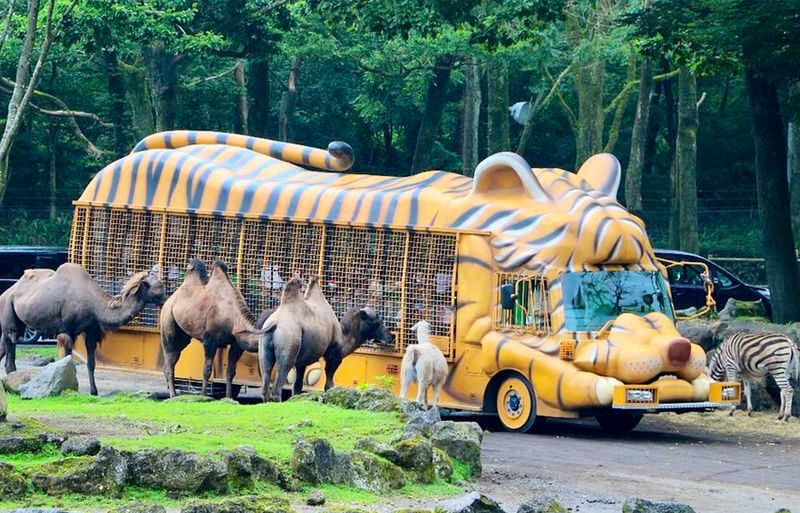
Fuji Safari Park is the big draw: you can see wild animals at close range, then spend the rest of the day among Mount Fuji’s spring-fed ponds and flower beds. I like that this family-focused route pairs an active wildlife stop with gentler walks at Oshino Hakkai and Oishi Park.
I also like the included round-trip transport from Tokyo. You can leave the train planning to someone else and give children a place to rest between stops. Guides named in customer feedback include Anna Hayashida, Joe, Takada, Xiaowan, and Xiao Zhao, though your guide will depend on the day.
The main caution is important: the Jungle Bus costs extra and can sell out. Book it ahead if it is central to your plans. Without it, you may need to pay for a walking trail or spend your safari time in other parts of the park.
- What to know before you book
- What this Mount Fuji day trip is really like
- At Fuji Safari Park, reserve the animal experience first
- Oshino Hakkai brings the pace down
- Oishi Park offers a final Fuji view
- Transport, timing, and guide service
- Is the price worth it for your family?
- Should you book this trip?
- FAQ
- How long is the tour?
- What is included in the tour price?
- Is Fuji Safari Park admission included?
- Is the Jungle Bus included?
- Should I reserve the Jungle Bus in advance?
- Can I walk through the safari area instead?
- How much time is planned at each stop?
- Where does the tour return in Tokyo?
- Can infants and young children join?
- More Safari Adventures in Susono
- More Tours in Susono
- More Tour Reviews in Susono
- Not for you? Here's more nearby things to do in Susono we have reviewed
What to know before you book
 1 / 8
 2 / 8
 3 / 8
 4 / 8
 5 / 8
 6 / 8
 7 / 8
 8 / 8
- The safari needs a plan: The Jungle Bus is an extra-cost, popular option. The tour is designed around an 11 a.m. bus slot, and advance booking is strongly recommended.
- Walking takes longer: The bus ride takes about 50 minutes. Walking the safari route can take 90 to 120 minutes and requires more effort.
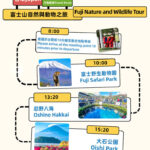
- Three stops, one long day: The schedule allows about two and a half hours at the safari park, 90 minutes at Oshino Hakkai, and 40 minutes at Oishi Park.
- Your guide and vehicle may vary: The service may be in Chinese, English, or Japanese. On smaller departures, the driver may also guide, with shorter explanations.
- Budget for admission and food: Park entry, the Jungle Bus, meals, drinks, and optional animal experiences are not included in the tour price.
- Mount Fuji views depend on conditions: Oishi Park offers a good viewpoint, but weather can obscure the mountain, and flower displays vary by season.
What this Mount Fuji day trip is really like
This is a practical way to combine three very different Fuji-area stops without renting a car or piecing together public transport. The route begins in Tokyo at 8 a.m. and is scheduled to return to the Shinjuku LOVE Sculpture between 6:30 and 7 p.m. That makes for a full day, but the drive between stops also gives children a chance to sit down and recharge.
The outing is a shared group tour, not a private excursion. It follows a fixed route, and you cannot ask the driver to stop outside the scheduled sights. Depending on the number of people, the vehicle may be a small car with the driver doubling as guide. That setup can make the day feel more flexible, but the commentary may be brief.
The tour price is advertised from $49.35, while the Family Recommendation package is shown from $70.45. Treat those as starting prices, not the full cost of your day. Admission to Fuji Safari Park is listed at ¥3,200 for adults and ¥2,000 for children aged 4 through junior high school. Children under 3 enter free. The Jungle Bus is listed at ¥1,500 per person for ages 3 and up, and the separate visitor walkway ticket for the open feeding area costs ¥600 in cash.
You will also need to pay for meals and any animal interactions you choose. If your family wants to ride the bus, add those fees to the tour price before deciding if the package offers good value. For a family that values easy transport and several stops in one day, it can be worthwhile. If your main goal is an extended visit to the safari park, the fixed schedule may feel restrictive.
One detail needs checking before you book: the experience summary gives a duration of 50 minutes, but the supplied timetable runs from 8 a.m. to an expected return between 6:30 and 7 p.m. The full schedule clearly describes a day trip, so confirm the actual duration and meeting details for your chosen date.
You can also read our reviews of more tours and experiences in Susono.

At Fuji Safari Park, reserve the animal experience first
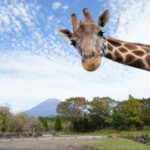
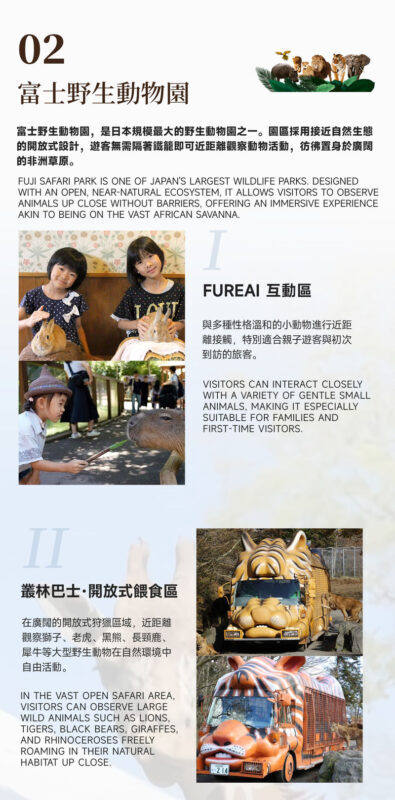
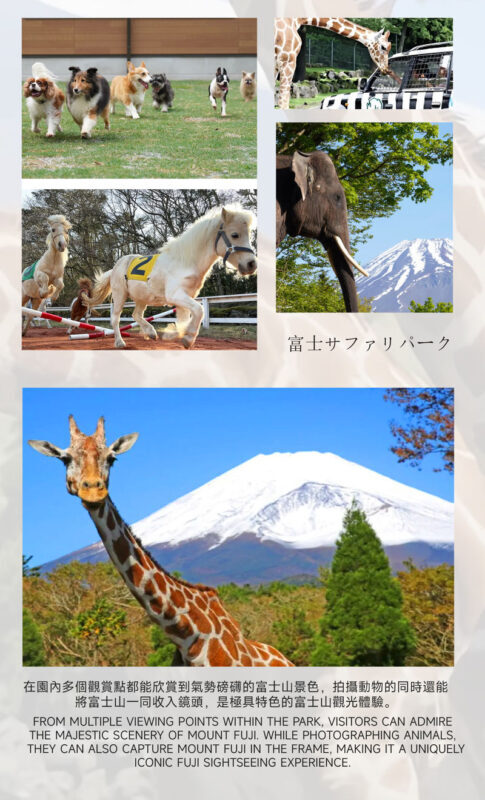
The tour reaches Fuji Safari Park at about 10 a.m. and allows two and a half hours for a self-guided visit. The park is the day’s main event for many families: you can see a range of wild animals at close range, and optional feeding or interactive experiences add a more hands-on element.
The key choice is how to enter the safari area. The Jungle Bus takes roughly 50 minutes and offers a feeding experience, but its ticket is not included in the day-trip price. Tickets can sell out, especially in busy periods. The route is planned around the 11 a.m. bus slot, so reserve that time in advance if you can. Do not assume you will be able to buy a seat when you arrive.
The open feeding area has a separate condition: you need to take the Jungle Bus or buy a visitor walkway ticket for ¥600, cash only. Walking is possible, but budget 90 to 120 minutes for that option. It is more physically demanding and uses much of your allotted park time. This matters if you want to fit in other attractions or have young children who tire easily.
If the bus is unavailable, the park may still have other activities, a restaurant, a gift shop, and food stands. But that is not the same as the animal viewing experience you may have pictured. I would book the bus before departure and treat any other feeding or interaction as an optional extra, subject to the park’s operating conditions that day.
The park can close areas or change services because of weather, animal health, or its own operating decisions. Follow its safety rules, and do not feed animals, tap car windows, or take other actions without permission. If this is the one stop your child most wants, make the ticket plan before setting out rather than leaving it to chance.
Oshino Hakkai brings the pace down
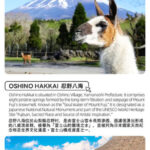
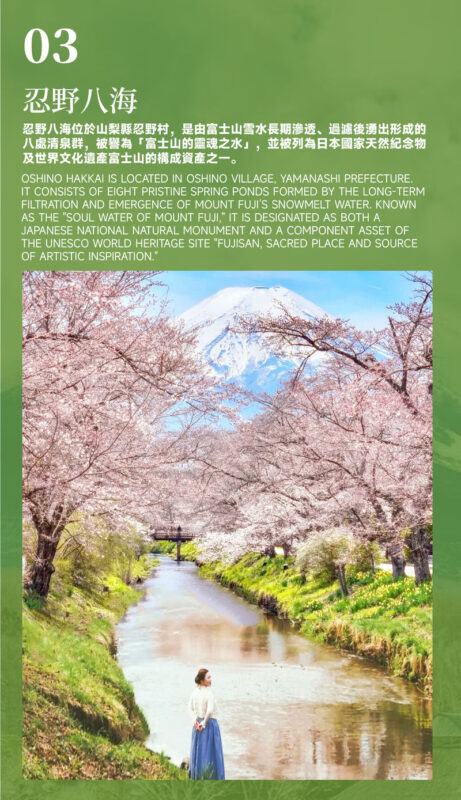
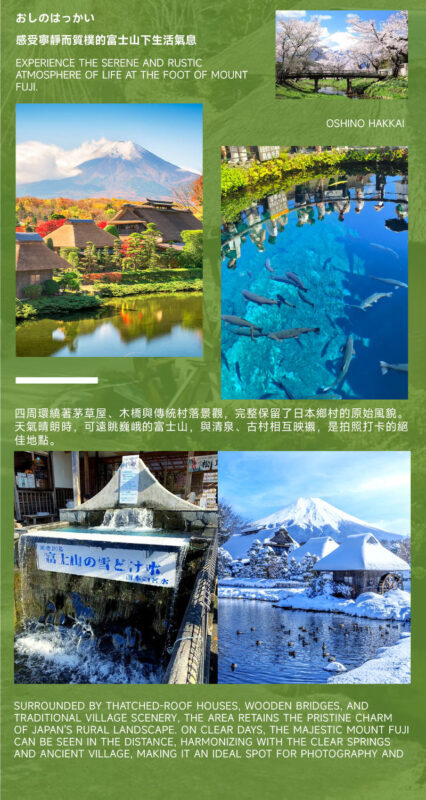
At about 1:20 p.m., the group moves on to Oshino Hakkai for roughly 90 minutes. The village is known for eight clear springs formed by Mount Fuji’s melted snow. Their water is often described as the mountain’s soul water, and the setting gives you a quieter contrast to the safari park.
You can stroll beside the ponds, cross wooden bridges, and take in thatched-roof houses and the traditional rural feel. This is a good place to slow down after the animal stop, look closely at the water, and let children explore at an easier pace. The visit is self-guided, so you can choose how much time to spend walking and how long to pause.
Oshino Hakkai is also the planned lunch stop. You can buy local specialties and handmade snacks at your own expense. With only 90 minutes, keep lunch simple if you want time to see the springs as well. The stop is not a long village visit, and the group’s departure time matters: the day’s schedule depends on everyone getting back to the vehicle when asked.
Oishi Park offers a final Fuji view
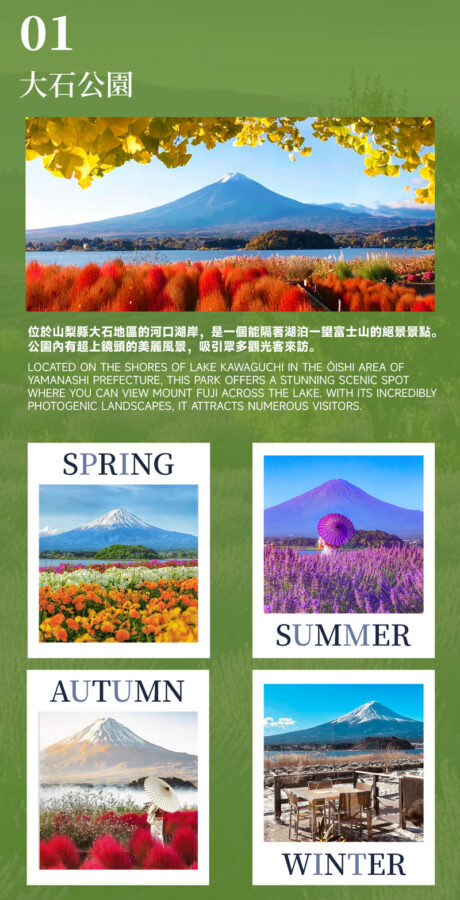
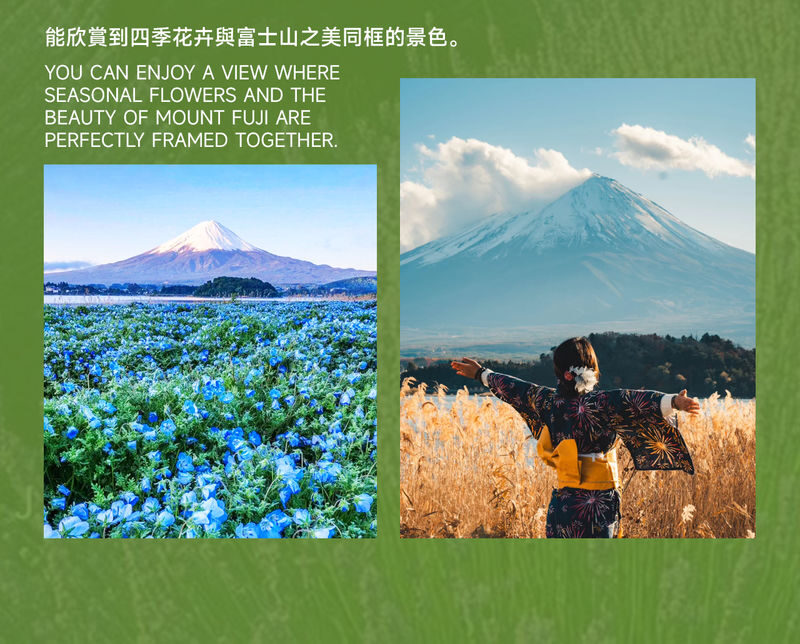
Oishi Park is scheduled for about 3:20 p.m., with 40 minutes to walk and take photos. The park’s flower beds and paths frame views of Mount Fuji and the lake, making it a natural final stop for family pictures. Seasonal flowers change through the year: tulips and rapeseed in spring, lavender in summer, and broom grass and peacock flowers in autumn.
That short visit is enough for a stroll and a few photos, but not a leisurely park outing. Flowering dates shift with the weather, and the mountain may be hidden by clouds. Go for the setting and the chance of a good view, not a promise of a particular bloom or a clear Fuji photo.
If Mount Fuji is visible, this can be the most striking backdrop of the day. If it is not, the flower field and lake still give you a pleasant walk, but the stop’s main appeal is reduced. The schedule does not leave much room to wait for clouds to clear, so keep expectations flexible.
Transport, timing, and guide service
Round-trip transport from the designated Tokyo meeting point is included, along with tolls, parking, and fuel. The meeting time is 8 a.m., and you are asked to arrive 10 minutes early. The guide may not contact you beforehand, so check the vehicle and guide details sent by email the evening before. If several messages arrive, use the latest one.
Customer feedback points to guide service as a real strength of the experience. Names mentioned include Anna Hayashida, Joe, Takada, Xiaowan, and Xiao Zhao. People describe helpful communication, safe driving, clear reminders, and assistance with photos. Those are useful signs of the service style, but they are not a promise that you will have one of those guides.
One family reported that Joe offered hotel pickup and drop-off when they were the only family on the trip. That was an exception, not part of the standard arrangement. Plan to meet at the specified location unless the operator confirms another pickup in writing.
The day can run late because of traffic, weather, crowds, or changes at the attractions. The return time is an estimate, and the tour advises against making evening plans that depend on a precise arrival. Do not schedule a flight or bullet train for later that day without allowing a generous buffer.
Is the price worth it for your family?
The value comes from covering a lot of ground without managing transport between Tokyo, Susono, Oshino, and the Kawaguchiko area yourself. For parents with children, having a vehicle between stops is a meaningful convenience. The route also balances the safari’s excitement with quiet scenery, rather than spending the entire day on one kind of activity.
Still, the admission costs change the total. A family needs to add Fuji Safari Park entry, the Jungle Bus or walkway ticket, lunch, and any optional feeding or interaction fees. The advertised starting price alone does not buy the complete safari experience. Check the costs for your group and date before comparing this with other tours.
This trip suits families who want a guided, shared day with several highlights and are comfortable following a timetable. It is less suitable if your priority is a long safari visit, independent stops, or guaranteed animal feeding. The experience is also not recommended for people with limited mobility or certain medical conditions such as high blood pressure or epilepsy. Children under 3 can join without a separate seat, but child seats are not available.
Should you book this trip?
Book it if your family wants an easy way to see Fuji-area highlights in one day and you are willing to plan the safari portion carefully. The strongest version of the day is to secure the 11 a.m. Jungle Bus, arrive at the meeting point early, and keep lunch at Oshino Hakkai uncomplicated.
Think twice if your child’s whole reason for going is the Jungle Bus and you do not have a confirmed reservation. Also look elsewhere if you want a slow-paced visit or the freedom to linger when Mount Fuji appears. This tour’s best value is convenience and variety, not deep time at any one stop.
Must-Do for Families: Fuji Safari Park x Oshino Hakkai x Oishi Park | See Animals Up Close – Day Trip to Mount Fuji (From Tokyo)
“driver / tour guide provided great customer service!”
FAQ
How long is the tour?
The timetable begins with an 8 a.m. departure and gives an expected return between 6:30 and 7 p.m. One duration field says 50 minutes, which conflicts with the day-long schedule, so confirm the duration for your selected date.
What is included in the tour price?
Round-trip transport from the meeting point, tolls, parking, fuel, and a professional driver-guide are included. The service may be in Chinese, English, or Japanese.
Is Fuji Safari Park admission included?
No. Park admission is paid separately. The listed reference prices are ¥3,200 for adults, ¥2,000 for children aged 4 through junior high school, and free for children under 3.
Is the Jungle Bus included?
No. The Jungle Bus is an extra-cost option, listed at ¥1,500 per person for ages 3 and up. Children must be accompanied by an adult.
Should I reserve the Jungle Bus in advance?
Yes, if you want to ride. Tickets can sell out, and the tour schedule is designed around the 11 a.m. slot. The park’s ticket availability and operating arrangements may change.
Can I walk through the safari area instead?
Walking is an option, but it usually takes 90 to 120 minutes and is more physically demanding. To enter the open feeding area, you need a Jungle Bus ticket or a separate visitor walkway ticket, listed at ¥600 per person in cash.
How much time is planned at each stop?
The schedule allows two and a half hours at Fuji Safari Park, 90 minutes at Oshino Hakkai, and 40 minutes at Oishi Park. Traffic and other conditions may affect the order or timing.
Where does the tour return in Tokyo?
The scheduled return point is the Shinjuku LOVE Sculpture. The expected arrival time is between 6:30 and 7 p.m., but traffic can change it.
Can infants and young children join?
There is no age limit. Children aged 0 to 2 can join free if they do not need a separate seat, and children aged 3 and up are charged the same rate as adults. Child seats are not available.