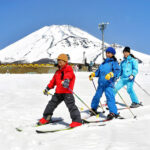
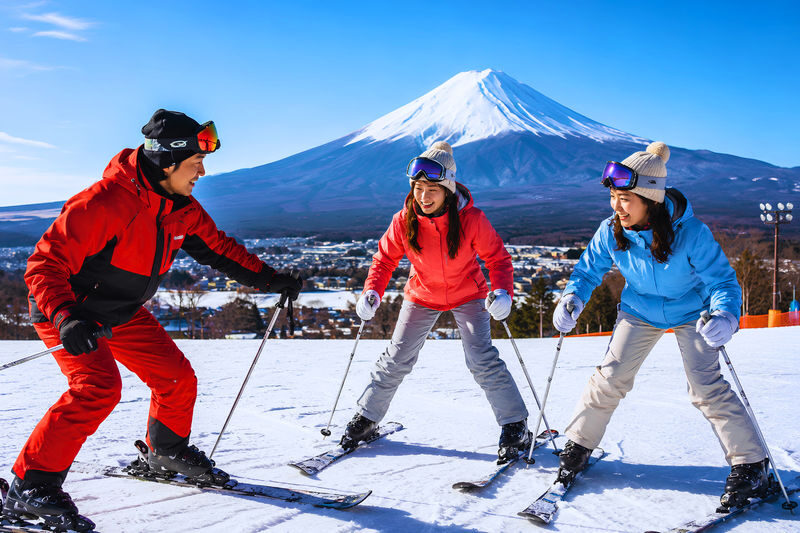
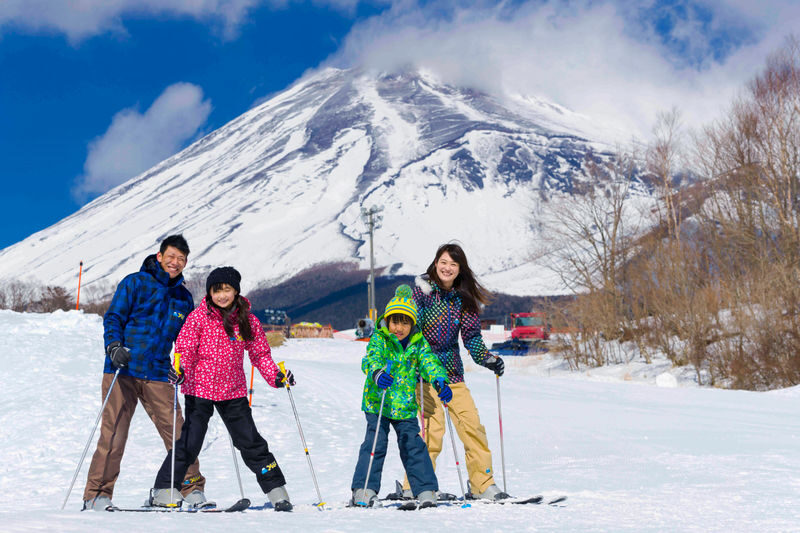
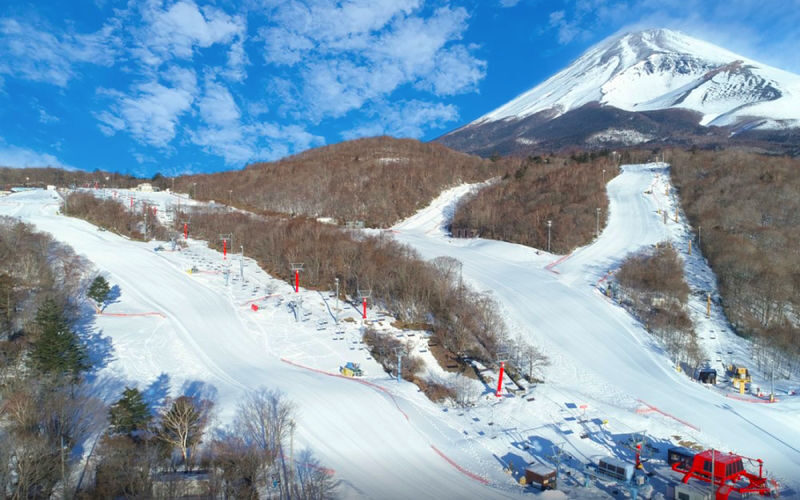
At Yeti, the mountain is part of the show: gentle ski slopes sit on Mt. Fuji’s southern side, with Japan’s most famous peak rising behind them when the weather cooperates. I like the direct coach from Shinjuku, which saves you the puzzle of arranging separate trains, buses and resort transfers. I also like that you can choose sledding or snow play instead of skiing, so a mixed-ability family can still spend the day in the snow together.
The main trade-off is time. You’ll spend roughly five hours on the mountain, but the round trip from Tokyo takes much of the day, and traffic or weather can cut into that window. Check the exact package before booking, too: the advertised starting price is for transport only, not a full ski day with admission, equipment and lift access.
- Key points to know before you book
- The appeal of skiing beneath Mt. Fuji
- Choose the package before you judge the price
- From Shinjuku to the resort
- What your mountain hours look like
- Sledding, snow play and family plans
- What to bring, and what can cost extra
- Who gets the best value from this trip?
- My call: book for a first snow day, not a full ski holiday
- FAQ
- How long is the Mt. Fuji Yeti day trip?
- Where does the bus leave from?
- Does the starting price include skiing and the lift pass?
- Are gloves, ski socks and face coverings included?
- Can I go if I do not ski?
- Can children under three join for free?
- More Winter Activities in Susono
- More Tours in Susono
- More Tour Reviews in Susono
- Not for you? Here's more nearby things to do in Susono we have reviewed
Key points to know before you book
 1 / 9
 2 / 9
 3 / 9
 4 / 9
 5 / 9
 6 / 9
 7 / 9
 8 / 9
 9 / 9
- Mt. Fuji is the backdrop, not a guarantee: Yeti sits at the mountain’s second station, but clouds can hide the summit.
- The starting price covers transport only: Admission, ski gear, clothing and lift access depend on the package you select.
- Beginners get practical help: The lesson option is designed for first-timers, with English- and Chinese-speaking staff.
- Sledding is a real alternative: The snow play area and sledding zone give non-skiers something to do on the mountain.
- Bring your own small essentials: Gloves, ski socks and face coverings are not provided for hygiene reasons.
- Expect an early start and a long ride: Meet at Shinjuku Station Exit 20 at 7:20 am, and keep your evening free after the return.
The appeal of skiing beneath Mt. Fuji
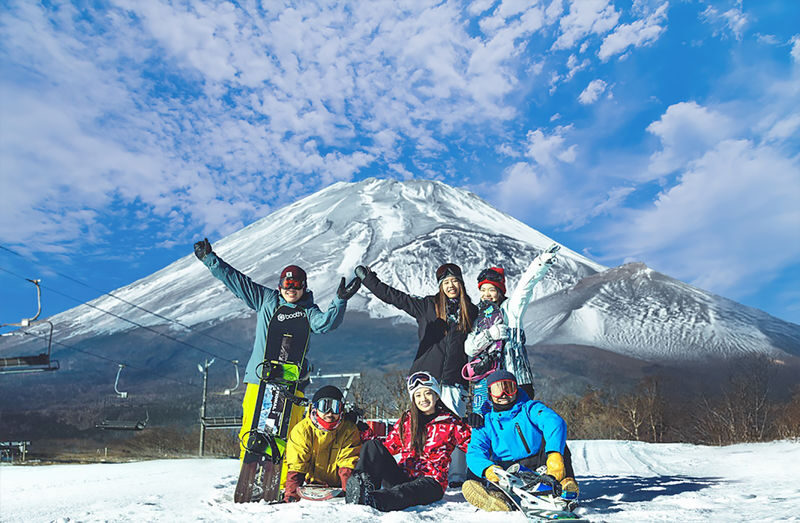
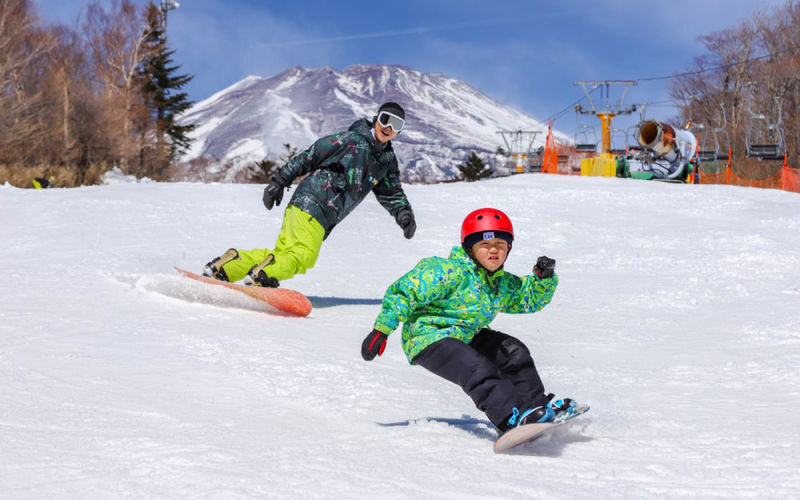
Yeti’s biggest draw is its setting. The resort is on the southern slope of Mt. Fuji, at the second station, so the mountain can loom over the runs rather than merely appear on a distant horizon. On a clear day, that view gives even a short beginner run a memorable sense of place. On a cloudy day, you still get a snow outing, but the famous backdrop may be missing.
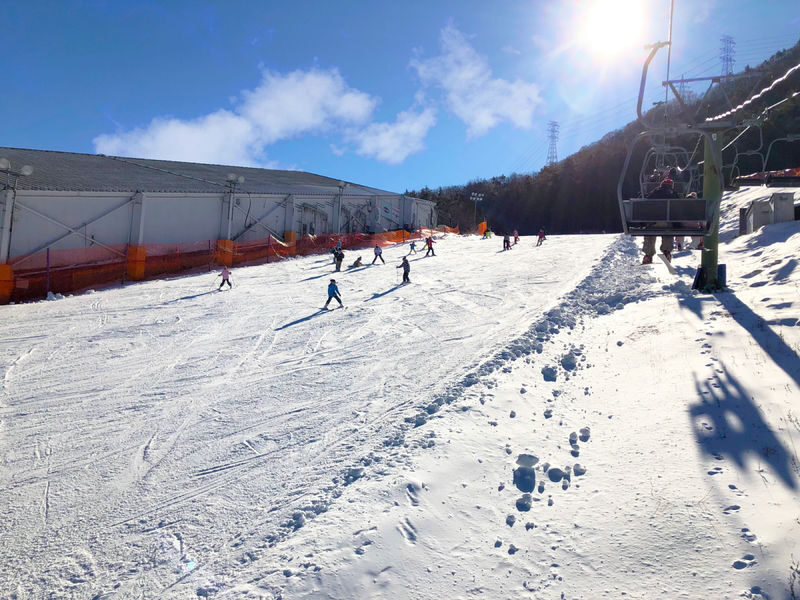
This is not a sprawling mountain destination aimed at expert skiers. Yeti’s wide, gentle main slopes are intended to make first attempts less intimidating. The resort also has a short, more advanced route, but experienced skiers may find the choice of runs limited. One practical detail from the slopes: the lift is described as slow, which can be a comfort for nervous beginners and a patience test for confident skiers.
Yeti’s season is promoted as starting as early as late October and running through March, earlier than many Japanese resorts. That can be useful if your Japan trip falls outside the heart of winter. But early opening does not promise deep natural snow on your chosen date. Conditions change, and one February visit may feel very different from another. If a snow-covered setting matters more than simply trying a ski lesson, check conditions close to your travel date.
You can also read our reviews of more tours and experiences in Susono.

Choose the package before you judge the price
The listed starting price is from $38.85, but that figure is for the transportation-only option. It does not include resort admission, ski clothing, ski equipment or the lift pass. The real cost depends on which package you select and what you need to rent or buy.
There are five choices:
- All-inclusive plan: Lesson, ski suit, ski gear, lift pass and bus.
- Economy plan: Ski suit, ski gear, lift pass and bus, without the listed lesson.
- Self-guided ski plan: Ski gear and bus. The lift pass is not included in the package details and is listed at ¥3,000.
- Transportation-only plan: Bus only. You arrange admission, clothing and equipment separately.
- Snow sledding plan: Snow saucer rental and bus.
The word all-inclusive needs a careful read. The ski packages cover the main items named in their descriptions, but small accessories such as gloves, goggles, socks and face coverings may still cost extra. The resort entry fee is also listed as excluded from the basic booking details, so confirm whether your chosen package covers it before paying. Package inclusions matter more here than the headline fare.
If you already own ski clothing or plan to rent directly at the resort, transport only may be the best-value route. If this is your first day on skis, a package that includes instruction, gear, clothing and lift access can reduce the number of separate decisions you face. It may cost more upfront, but the convenience is worth something when you are new to the sport and working with a limited day.
From Shinjuku to the resort
The meeting point is Shinjuku Station Exit 20, by the Shinjuku L Tower Building. The stated departure is 7:20 am, and you should arrive 15 minutes early. This is not a forgiving start: latecomers and no-shows are not eligible for a refund. Keep your phone charged and have the meeting details handy, especially in the busy station area.
The coach is the tour’s main practical advantage. Yeti is not a simple city-centre outing, and the direct ride means you do not have to coordinate multiple public transport connections with ski gear in hand. The advertised schedule places arrival at about 10:30 am. Recent trip timings have varied, with journeys around two and a half hours outbound and close to three hours back, so treat those times as a guide rather than a promise.
There may be a rest-area stop on the way. The return coach is scheduled to leave the resort at 3:45 pm, with a 3:30 pm meet-up, and reach Shinjuku around 6 pm. Traffic and weather can shift the schedule, so do not book a tight dinner reservation or evening event. The mountain time is already finite; a slow return can stretch the day further.
Staff speak English and Chinese, and participants describe clear briefings from guides and coaches including Elli, Yuyu, Jimmy, Chris and Yuki on different dates. Staff assignments vary, and the group can include as many as 40 people. Instruction is therefore not the same as a private lesson. If you need close, individual attention, ask what the lesson covers and how groups are organized before booking.
What your mountain hours look like
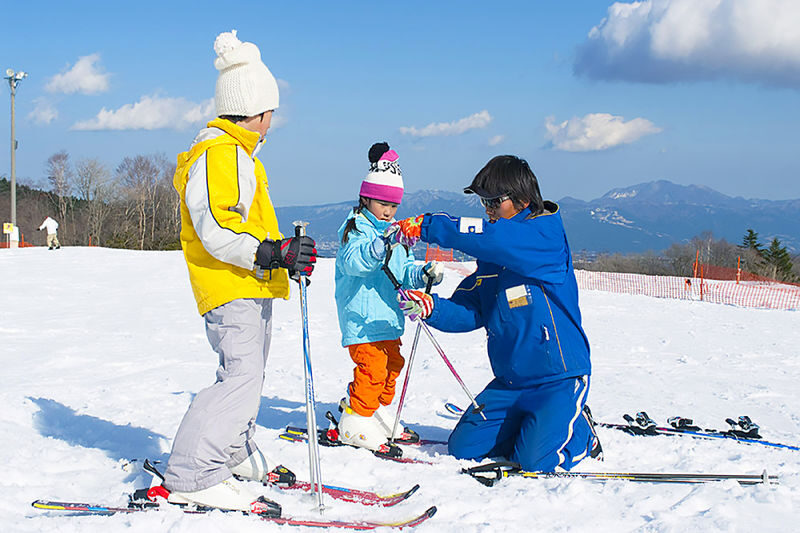
After arrival, staff help direct you through the resort and equipment process. If your package includes a lesson, expect a basic introduction rather than a full ski course. Beginners describe learning how to use the equipment, move on skis and get started safely. One account describes a lesson of about an hour and a half, so think of it as a useful first taste, not a guarantee that you’ll master the mountain by lunchtime.
Coaches such as Elli, Yuyu, Jimmy, Chris and Yuki are frequently praised for patient, step-by-step teaching. That matters more than it might sound. A first ski day can involve awkward boots, unfamiliar movements and a few falls; calm explanations and safety reminders help you make better use of your limited time. English and Chinese support is offered, though language fluency can vary by staff member and departure.
The schedule shifts from guided time in the morning to self-guided time around 12:30 pm, when lunch is at your own expense. Bring money for food and drinks, and leave enough time to eat without sacrificing every remaining run. After lunch, you can return to the slopes, practice what you learned, or take a break. At 3:30 pm, meet the group for the ride back.
If you are skiing independently, take the self-guided label seriously. You will need to manage your own practice and keep track of the group’s return time. The resort’s gentle main slope suits beginners, but do not mistake that for a risk-free activity. Skiing is strenuous, and the operator recommends travel or accident insurance. Medical costs after a skiing accident are the participant’s responsibility.
Sledding, snow play and family plans
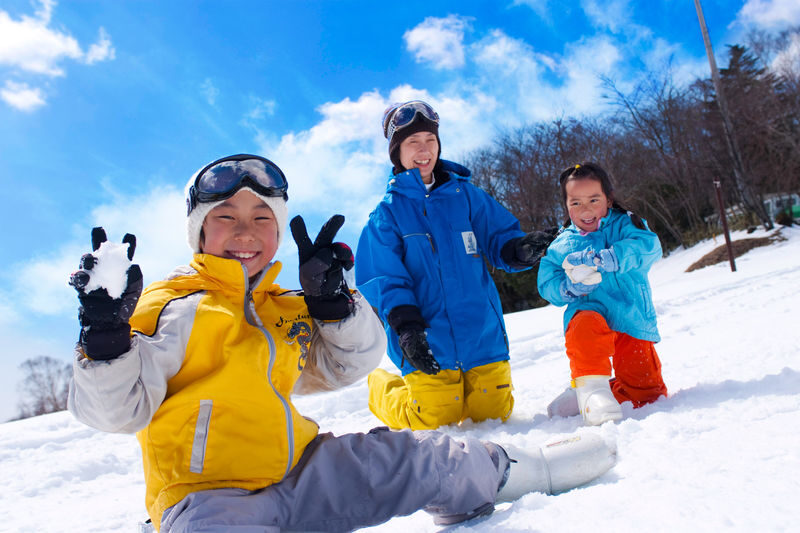
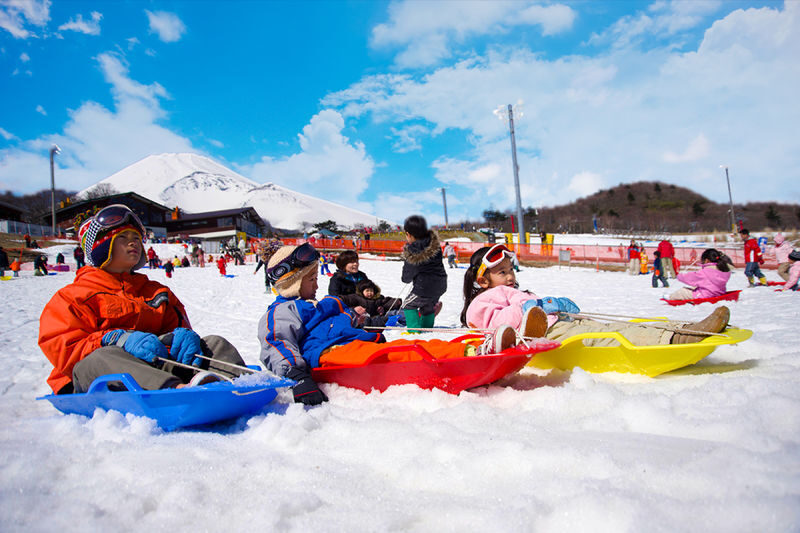
You do not have to ski to enjoy Yeti. The snow sledding package includes a snow saucer and bus transport, and the resort has a separate snow play area for children. That makes this a sensible choice for families with young children or adults who would rather build a snowman than learn to turn on skis.
A parent with a two-year-old described the pleasure of seeing a child make a first snowman in the snow play area. That is the kind of modest, lovely moment a ski resort can offer even when nobody in the family wants a lesson. Still, check the age and seat rules: children aged zero to two can ride free only if they do not occupy a separate seat, and proof of age is required. Participants must be under 65 to take part in the activity.
For a mixed group, the sled plan can be a better fit than paying for ski gear and lift access that some people will not use. Just remember that snow play depends on conditions, and the overall day remains long. Young children may enjoy the snow but still find the early departure and coach ride tiring.
What to bring, and what can cost extra
Bring warm layers, a change of clothes if you have room, and personal ski essentials. Ski suits are rented at the resort for ¥3,600 for adults and ¥2,600 for children when they are not included in your package. Ski equipment also needs to be reserved in advance, and the activity information says you cannot change equipment arrangements on site.
Gloves, ski socks and face coverings are not provided. You can buy or rent some accessories at the resort, but costs add up: the listed on-site prices include ¥2,500 for a face mask and ¥2,000 for ski socks, while goggles, gloves and a snow toy gun are listed at ¥1,000 each to rent. Recent participants have also described accessory prices and availability differently, including rental offers through tour staff. To avoid surprises, bring your own gloves, socks and face covering if you have them, and confirm current rental prices before departure.
A helmet is a sensible item to ask about, but it is not listed among the standard inclusions. Some participants arranged helmet or goggle rentals through staff, while others found these were not included in their package. Do not assume that every accessory will be available or included just because the main ski gear is covered.
Large luggage is a poor fit for this day trip. The vehicle type depends on the number of people booked, and storage space for personal luggage is not guaranteed. Leave suitcases at your hotel and take only what you need for the snow.
Who gets the best value from this trip?
This outing makes the most sense for first-time skiers, families, and visitors who want a short snow experience without planning the transport themselves. The English- and Chinese-speaking staff, beginner lesson option and relatively gentle main slopes lower the entry barrier. The sledding plan also gives non-skiers a reason to come along.
It is less suited to advanced skiers looking for a full day of varied terrain. The resort’s run selection is limited, the lift can feel slow, and the day’s schedule leaves only a few hours on the mountain. It is also a poor choice if you need a long, flexible session or want to avoid a coach journey.
Weather is part of the calculation. The tour generally runs in rain, but severe conditions or safety warnings can lead to cancellation. The operator says it will email by 1 pm on the day before a scheduled cancellation due to bad weather. Cloud can also obscure Mt. Fuji without stopping the trip, so book for the snow activity first and treat a clear Fuji view as a bonus.
My call: book for a first snow day, not a full ski holiday
I would choose Yeti if you want an easy introduction to skiing, a day of sledding with children, or a chance to see Mt. Fuji from a snowy slope without arranging transport yourself. The strongest value comes from choosing the right package and arriving prepared with personal essentials. The coaching has a strong reputation for patience and clear instruction, but group size and staff experience can vary.
Before booking, compare the exact inclusions, confirm whether admission and the lift pass are covered, and decide whether you need a lesson. Bring gloves, long socks and a face covering, then keep your evening open for the return ride. If you want advanced runs or hours of uninterrupted skiing, choose a larger resort with a longer schedule instead.
Mt. Fuji Snow Resort Yeti – Beginner Lesson & Snow Fun from Tokyo
“we had great time, experienced fluffy snow and my 2y/o got to build his 1st snowman. Our guide/instructor YuYu was very kind, helpful, informative…”
FAQ
How long is the Mt. Fuji Yeti day trip?
The activity runs from about 7:20 am to 6 pm, for roughly 10.5 hours. The schedule can change with traffic, weather and resort conditions.
Where does the bus leave from?
Meet at Shinjuku Station Exit 20, by the Shinjuku L Tower Building. Arrive 15 minutes before the 7:20 am departure.
Does the starting price include skiing and the lift pass?
No. The starting price is for the transportation-only plan. Other packages have different inclusions, so check whether your selection covers admission, ski equipment, clothing, a lesson and the lift pass.
Are gloves, ski socks and face coverings included?
No. For hygiene reasons, they are not provided. You can bring your own or buy items on site. Some accessories may be available to rent, but confirm current prices and availability.
Can I go if I do not ski?
Yes. The snow sledding plan includes a snow saucer and bus transport, and Yeti has a snow play area for children.
Can children under three join for free?
Children aged zero to two can participate without charge if they do not occupy a separate seat. You must provide proof of age, or an additional fee of ¥7,500 per child may apply.