Kumihimo is the art of braiding cords into patterned strands, and this Kyoto workshop lets you try the craft in the atelier of DOMYO, a specialist with authentic restoration materials on display. You’ll learn about techniques passed down since the Edo period, then make your own braid under an instructor’s guidance.
I like two things in particular: you get to work with the cords yourself, and the short history lesson gives the activity context beyond a simple craft project. I also like that your finished braid can become a bracelet or keychain, with matcha and sweets served while staff prepare it for you.
One thing to consider: the price starts at US$69.39, so this is best for someone who values a guided cultural activity and a handmade keepsake, not just a quick souvenir. The class is open to ages 7 and up, but the exact duration and group size are not specified.
- At a glance: what makes this workshop worthwhile
- A Kyoto craft lesson, not just a souvenir stop
- Starting with the story behind the cords
- Learning the braiding pattern by hand
- Turning your braid into something you can wear
- Matcha, sweets, and a pause in the atelier
- Is US.39 good value?
- Who will enjoy the workshop most?
- A few practical points before booking
- Should you book this Kyoto kumihimo workshop?
- FAQ
- Where is the Kumihimo workshop held?
- What is the minimum age to participate?
- Is the workshop suitable for beginners?
- What languages do the staff speak?
- What is included in the price?
- Do I get to take home the braid I make?
- Are transport or hotel transfers included?
- How much does the Kumihimo Experience cost?
- Can I cancel and receive a refund?
- The Best Of Kyoto!
- More Workshops & Classes in Kyoto
- More Tours in Kyoto
- More Tour Reviews in Kyoto
- Not for you? Here's more nearby things to do in Kyoto we have reviewed
At a glance: what makes this workshop worthwhile
 1 / 4
 2 / 4
 3 / 4
 4 / 4
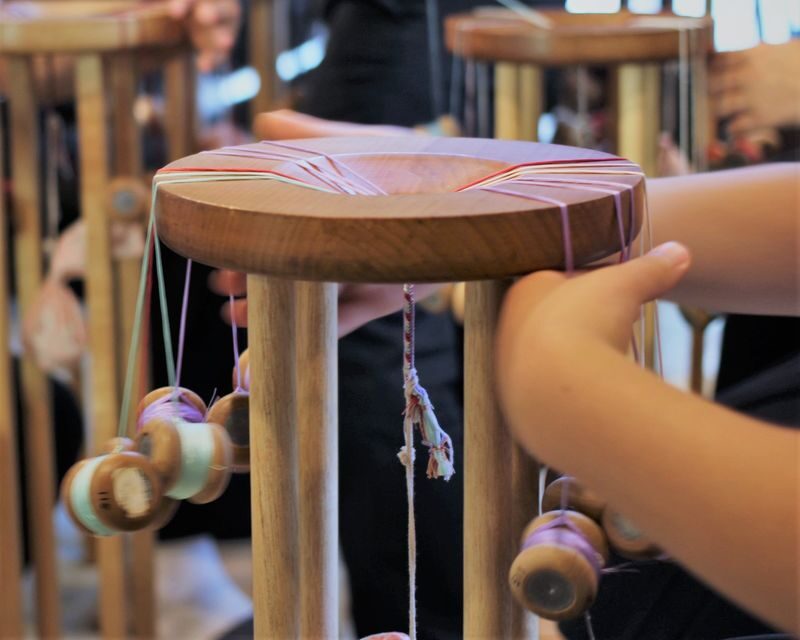
- You make the braid yourself: An instructor shows you the pattern, then guides you as you get used to the repeating movements.
- The craft comes with context: You hear about kumihimo’s history and see restoration materials that show how the technique is used beyond a beginner project.
- You can choose colors: One participant created a bracelet from a personally chosen color combination. Ask at the start what choices are available.
- The pace can feel meditative: Once the pattern clicks, the steady braiding gives you a quiet, hands-on break from sightseeing.
- Tea is part of the finish: Matcha and sweets are served while staff add the final fittings to your braid.
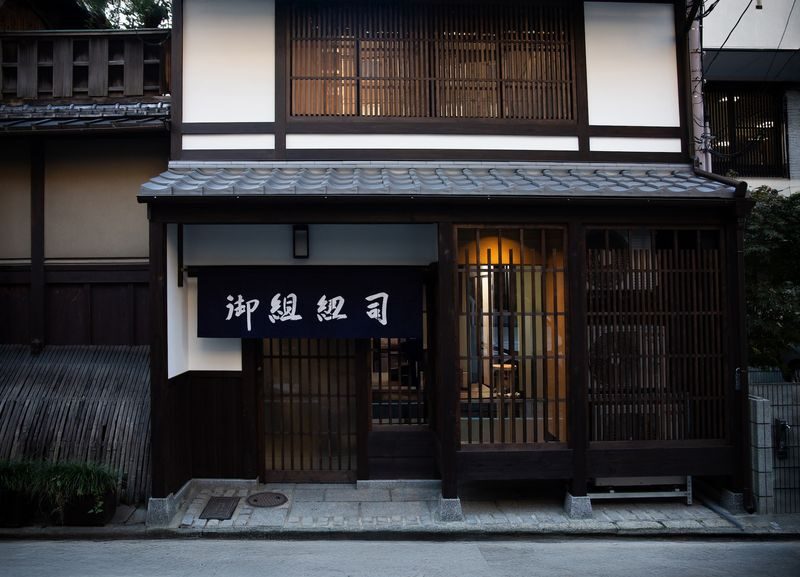
- The location is specific and easy to identify: Meet inside DOMYO at 330-1 Benzaitencho, Shimogyo Ward.
👉 See our pick of the 25 Best Workshops And Classes In Kyoto
A Kyoto craft lesson, not just a souvenir stop
A kumihimo braid is made by crossing strands in a set order to build a cord with a woven pattern. The technique looks intricate, but the workshop is designed for beginners: your instructor explains the sequence, demonstrates the movements, and helps you find a rhythm.
That matters if you have never worked with thread or yarn before. You do not need to arrive with a craft background, and the class is open to participants aged 7 and up. The aim is not to master every variation of kumihimo in one sitting. It is to learn a basic method, understand why the craft matters, and leave with something you made.
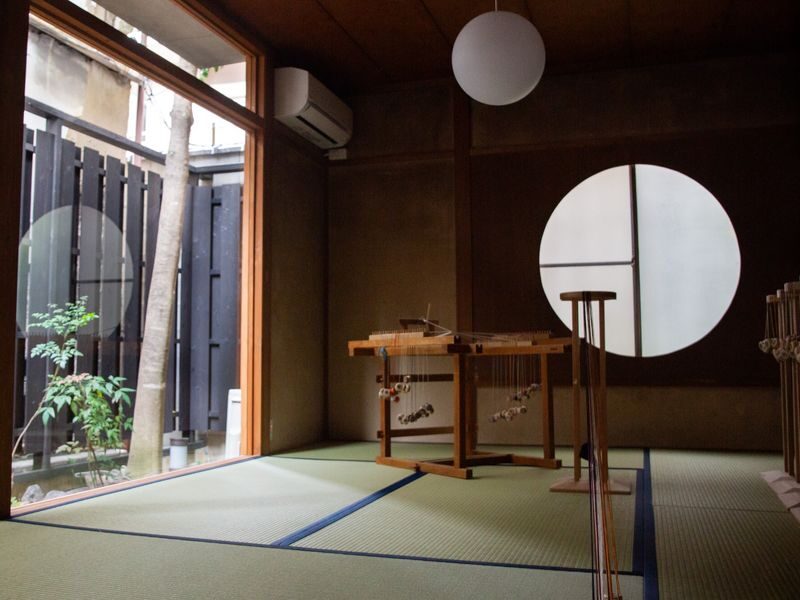
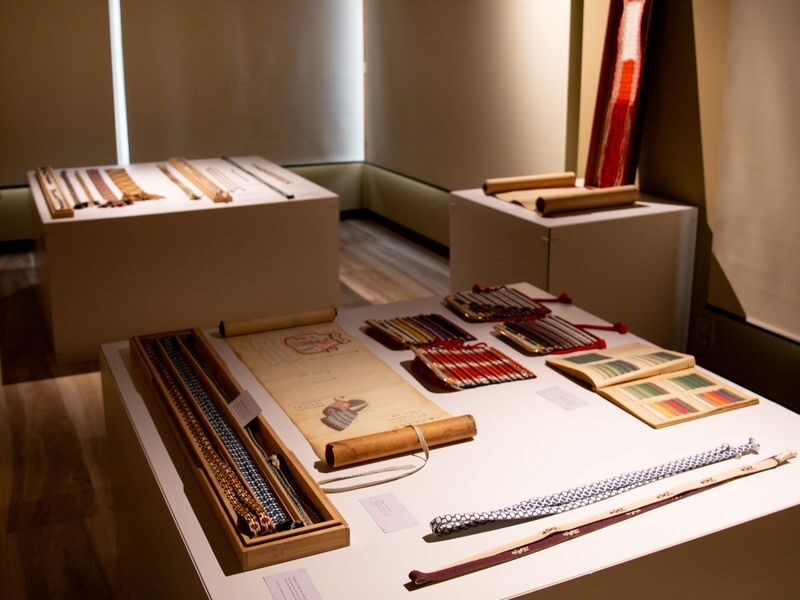
The setting adds substance to the lesson. This is held at DOMYO in Benzaitencho, where you can see authentic materials used in restoration and hear stories about the artistry behind kumihimo. One instructor, Andre, has introduced the craft using a small museum display on the building’s second floor before moving downstairs for the braiding. The exact sequence may vary, but the combination of history, materials, and practice makes the session more than a make-and-take activity.
You can also read our reviews of more tours and experiences in Kyoto

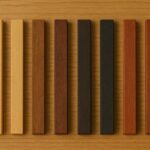
Starting with the story behind the cords
The workshop introduces kumihimo as a traditional Japanese craft with techniques passed down since the Edo period. That history is useful context, not a long lecture that keeps you from the hands-on part. You learn why the braids matter, then get to handle the process yourself.
Seeing restoration materials can help you understand the care involved in maintaining objects made with woven cords. It also gives you a glimpse of the craft beyond the small piece you will make. A finished bracelet may be simple in scale, but the technique behind it belongs to a much broader tradition of skilled work.
The lesson is offered with English-speaking and Chinese-speaking staff, which makes it more accessible if you do not speak Japanese. Still, this is a craft class, so expect to learn by watching and following the instructor as well as listening. If you have questions about a particular pattern or the history of kumihimo, ask while the instructor is explaining the materials.
Learning the braiding pattern by hand
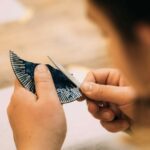
After the introduction, you move to the practical part: placing the strands and repeating the braiding sequence. At first, you may need to concentrate on which cord moves where. The instructor stays with the process and helps you through the pattern, so you are not left guessing if your hands get tangled or you lose track.
Once the movements become familiar, the work settles into a steady rhythm. That repetitive quality is part of the appeal. You are not rushing from one Kyoto sight to another, and you have something small and tactile to focus on. For some people, it becomes a calm, almost meditative stretch of time.
The class is suitable for beginners, but there is still a learning curve. If you enjoy crafts, you may want to pay close attention to how the strands cross and how the braid takes shape. If you are bringing a child, the minimum age is 7; the information provided does not specify whether a child must be accompanied by an adult, so check before booking if that affects your plans.
Color choice can add a personal touch. A participant created a bracelet using a chosen combination of colors, though another wished they had been able to select the pattern more fully. If color and design choices matter to you, ask what options are available before the braiding begins. Do not assume every detail can be customized.
Turning your braid into something you can wear
The goal is a finished kumihimo creation to take home. Depending on how the braid is finished, it can be made into a bracelet or keychain. This makes the workshop appealing if you want a souvenir with a story behind it, rather than another item picked up from a shop shelf.
There is a useful distinction between the part you make and the final assembly. You braid the cord yourself, then staff add the links or other finishing touches while you take a break. That means the workshop gives you the satisfaction of making the central piece without requiring you to handle every small hardware step.
The final object is personal, but it is still a beginner project. Go in expecting a meaningful keepsake, not a professional-grade piece or a full course in Japanese textile design. The value is in learning the basic method and leaving with a reminder of the time spent making it.
Matcha, sweets, and a pause in the atelier
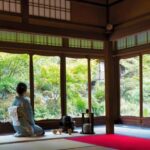
Once your braid is ready for its final touches, you can relax with complimentary matcha and sweets. At the Kyoto atelier, the inner garden has been part of the quiet atmosphere for some participants. The tea break gives you time to take in the setting and let staff complete the bracelet or keychain.
This is a modest but welcome part of the experience. The refreshments are included, so you do not have to plan a separate café stop immediately afterward. More importantly, they give the class a gentle finish instead of ending as soon as the braiding is done.
The workshop does not include hotel pickup, drop-off, or transport. You need to make your own way to DOMYO at 330-1 Benzaitencho, Shimogyo Ward, and meet the instructor inside the shop. The address is the clearest point to use when planning your route; the instructor greets participants at the venue.



Is US$69.39 good value?
At a starting price of US$69.39, this costs more than buying a ready-made keychain or bracelet. But it includes instruction, materials, refreshments, and the finished kumihimo creation. You are also paying for access to a specialist atelier and an introduction to the craft’s history and restoration work.
I’d consider it good value if you enjoy learning through making, want a quieter activity in Kyoto, or are looking for a hands-on experience to share with a partner or older child. You come away with both a skill, even if only a beginner’s one, and a finished item tied to the place where you made it.
It is less compelling if your main goal is to collect a range of Kyoto sights in a short time, or if you only want an inexpensive souvenir. The experience is focused on the craft, and the listed price does not include transportation. The exact class duration and group size are not stated, so avoid building a tightly timed itinerary around an assumed finish time.
Who will enjoy the workshop most?
This class is a good fit for curious beginners, craft-minded visitors, and anyone who wants a calm break between more active sightseeing. It can also work well for a couple or a family with children aged 7 and up, provided everyone is comfortable sitting down to follow a repeating pattern.
Solo participants can take part too. The activity does not depend on having a partner, and you can focus on the braid at your own pace with guidance from the instructor. If you are traveling with friends, you can compare color choices and finished pieces, though each person makes their own creation.
The English- and Chinese-speaking staff are a practical plus for international visitors. For a more meaningful session, arrive ready to ask questions about the restoration materials and the craft’s history, rather than treating the class as a quick photo stop. The most rewarding part is the link between what you hear, what you see, and what your hands make.
A few practical points before booking
The meeting point is DOMYO, 330-1 Benzaitencho, Shimogyo Ward, Kyoto. The instructor greets you inside the shop, so plan to reach the address rather than wait outside for transport. Hotel pickup, drop-off, and transportation are not included.
Participants must be at least 7 years old. The package listed is the Kumihimo Experience, with materials and refreshments included. Confirmation is expected within 48 hours; if no confirmation email arrives, contact customer support. The voucher is valid only for the date and time specified.
Cancellation is flexible up to a point: you can receive a full refund if you cancel at least 48 hours before the activity date, using destination local time. Because the class details do not state its length or group size, check the booking information before scheduling another activity close to it.
Should you book this Kyoto kumihimo workshop?
Book it if you want to do more than watch traditional craft being made. The class gives you a clear beginner-level introduction, a chance to braid your own cord, a look at restoration materials, and a finished keepsake. The tea break and gentle pace make it a particularly nice choice when you want a quieter Kyoto experience.
Skip it if you are short on time, focused mainly on low-cost shopping, or would rather spend your activity budget on a broader tour. For craft lovers, families with children aged 7 or older, and visitors drawn to Japanese textile arts, it is a thoughtful way to spend part of a day. If choosing your exact color or pattern is important, ask what customization is possible before you begin.
Kumihimo Braiding Workshop in a Traditional Atelier in Kyoto
“I had such a lovely experience at the Kumihimo workshop! The workshop was very well explained and easy to follow, even as a beginner! 🙂 I especial…”
FAQ
Where is the Kumihimo workshop held?
It takes place at DOMYO, 330-1 Benzaitencho, Shimogyo Ward, Kyoto. The instructor greets you inside the shop.
What is the minimum age to participate?
Participants must be at least 7 years old.
Is the workshop suitable for beginners?
Yes. The instructor guides you through the braiding process, and the activity is described as beginner-friendly.
What languages do the staff speak?
English-speaking and Chinese-speaking staff are included.
What is included in the price?
The package includes the materials fee, refreshments, and your finished kumihimo creation.
Do I get to take home the braid I make?
Yes. Your finished creation is yours to take home, and it can be made into a bracelet or keychain.
Are transport or hotel transfers included?
No. Hotel pickup, hotel drop-off, and transport are not included.
How much does the Kumihimo Experience cost?
The listed starting price is US$69.39.
Can I cancel and receive a refund?
You can receive a full refund if you cancel at least 48 hours before the activity date, based on destination local time.