Fukiware Falls cuts through the rock in a broad, rushing sheet, a striking first stop on a day that trades Tokyo streets for Gunma’s mountain air. This tour pairs the waterfall with fruit picking at Harada Farm, then finishes with one seasonal choice: lavender fields, snow play or Ikaho’s old hot spring town.
I like the way the day combines three distinct pleasures: a scenic walk, fruit you pick yourself and a final stop that changes with the season. I also like the practical value of round-trip transport from Shinjuku, fruit-picking fees and some seasonal admission tickets included in a starting price of $79.
The trade-off is time on the road and a tightly timed schedule. Traffic or weather can shorten a stop, and the fruit, lavender and snow conditions depend on when you go. Think of this as a busy sampler of Gunma, not a slow countryside retreat.
- Fukiware Falls is the headline nature stop: Allow about an hour to walk beside the falls and take in their unusual width and force.
- Fruit picking changes by month: Strawberries, cherries, blueberries, peaches, grapes and apples each have a season at Harada Farm.
- The third stop is seasonal: Choose a summer lavender park, winter snow play or Ikaho Onsen in spring and autumn.
- The guide handles the long drive and coordination: English, Chinese and Japanese are offered, though the amount of commentary may vary.
- The day starts early and can run late: Meet at Shinjuku MODE Gakuen at 08:00, with an expected return around 18:00, subject to road conditions.
- Gunma in one long day
- Walking the edge of Fukiware Falls
- Picking fruit at Harada Farm
- Choosing lavender, snow or Ikaho
- What the starting price covers
- The ride, guide and pace
- Who will enjoy this day most
- Should you book the Gunma day trip?
- FAQ
- Where does the tour depart from?
- What time does the tour return to Tokyo?
- Which fruit can I pick?
- Which seasonal attraction will I visit?
- Are meals and drinks included?
- What is included in the tour price?
- Can I bring luggage, and are there age requirements?
- The Best Of Tokyo!
- More Skiing Experiences in Tokyo
- More Tours in Tokyo
- More Tour Reviews in Tokyo
- Not for you? Here's more nearby things to do in Tokyo we have reviewed
Gunma in one long day
 1 / 6
 2 / 6
 3 / 6
 4 / 6
 5 / 6
 6 / 6
This is a shared day trip from Tokyo, designed to let you see several sides of Gunma without planning separate transport. The route takes in Fukiware Falls, Harada Farm and one of three seasonal attractions. You leave from Shinjuku MODE Gakuen at 08:00 and are scheduled to return there at about 18:00.
The countryside is the appeal, but distance is the catch. The tour information allows roughly two and a half to three hours for the return drive alone, and traffic can affect both the schedule and time at each stop. Japanese rules also limit vehicle use to ten hours, so the guide may adjust the order or shorten visits to keep the day within its permitted window.
The format is partly guided and partly independent. A guide who speaks English, Chinese and Japanese gives commentary on board and helps coordinate the group, but the stops are described as self-guided. In practice, you should expect transport, basic orientation and set times to explore, rather than a guide walking beside you at every attraction.
That arrangement suits people who want a simple way to reach rural sights and are comfortable finding their own way around once the vehicle drops them off. If you want detailed guiding at every stop, ask the operator what level of commentary is planned for your departure.

👉 See our pick of the 25 Best Guided Tours In Tokyo
Walking the edge of Fukiware Falls
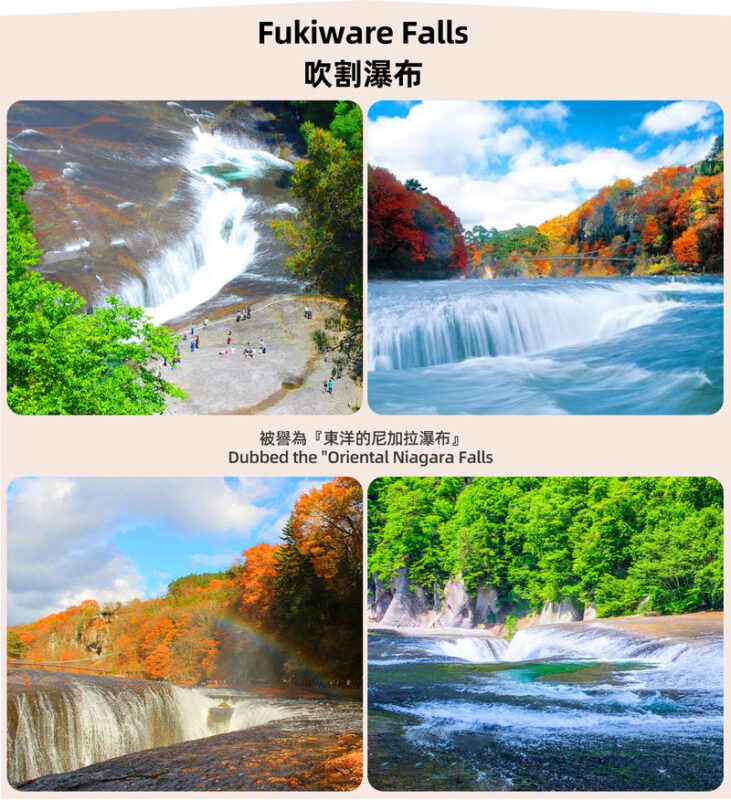
The first scheduled stop is Fukiware Falls, reached at about 10:30, with roughly one hour to explore. The waterfall is about seven metres high and 30 metres wide. Its scale comes less from a tall plunge than from the broad flow of water cutting through rock, which helps explain its nickname, the Niagara of the Orient.
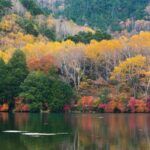
The setting changes through the year. In spring, melting snow can add force to the water; autumn brings red maple foliage around the falls. In summer, the cooler air near the water can be a welcome break from Tokyo heat, as one family found on a hot August day. The site is designated a Place of Scenic Beauty and a Natural Monument of Japan, so it is more than a quick roadside photo stop.
You have about an hour, enough for a walk and photos if you keep an eye on the meeting time. Rain makes the walking surfaces slippery, so choose shoes with a dependable grip and take care near the water. The falls may also feel less dramatic than the nickname suggests, particularly when weather or water conditions are not ideal. A misty day can still be atmospheric, but it may dull views and photos.
A few departures have changed the planned order or substituted a stop. That makes it worth listening closely to the guide’s updates, especially if the group is running behind. Don’t wander off without knowing where and when to rejoin the vehicle.
You can also read our reviews of more tours and experiences in Tokyo


Picking fruit at Harada Farm
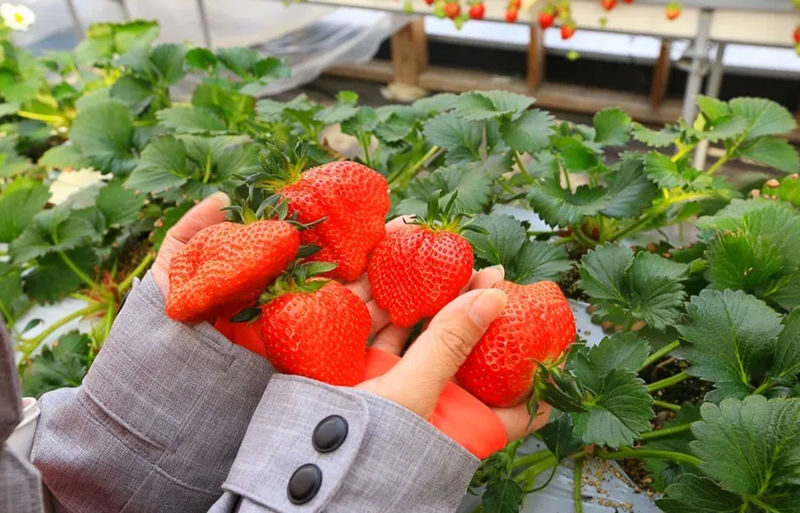
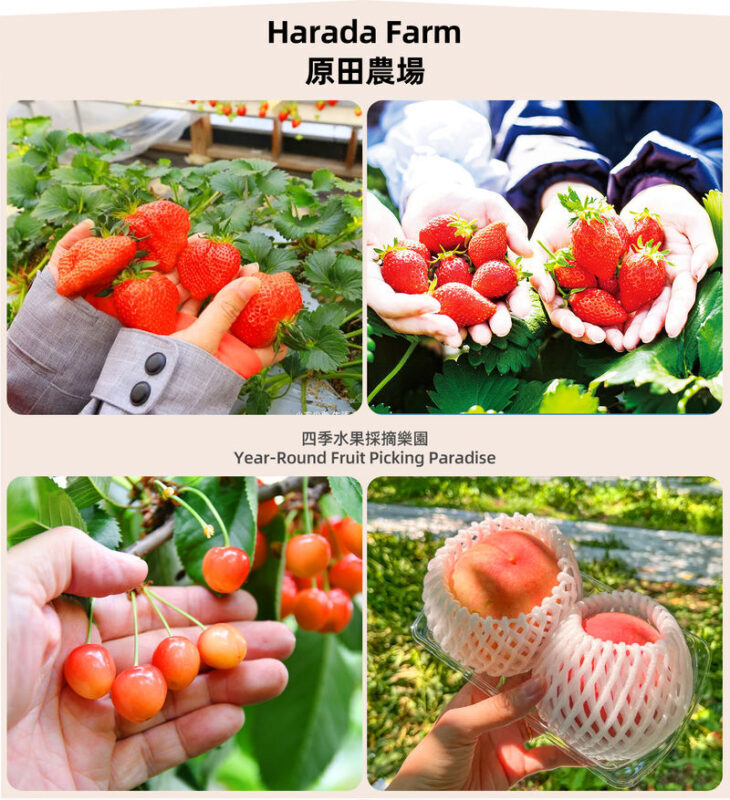
Around noon, the tour reaches Harada Farm for about 90 minutes, including time for lunch. The fruit-picking fee is included, and the main pleasure is simple: you get to choose and eat seasonal produce at the farm instead of buying it later in a shop. It is an easy, hands-on way to add a rural activity to the day.
The calendar determines what you can pick. Strawberries are offered from December 4 to May 31, cherries from June 5 to July 5, blueberries from July 6 to August 2, peaches from August 3 to September 1, grapes from September 2 to October 8, and apples from October 9 to December 7. These are stated operating periods, but fruit ripeness and availability can still vary with the season.
The experience can be a highlight when the crop is good. Sweet cherries and juicy peaches have been particular pleasures, and the farm also sells local products and souvenirs. Strawberry picking in winter or early spring can be a family-friendly treat, while summer fruit gives you something to do beyond simply eating lunch.
Keep expectations in check about what all-you-can-pick means on a particular day. One peach-picking visit offered a small orchard and enough fruit for a short tasting and photos; another blueberry visit found the fruit small and not at its best. Conditions vary, and a generous picking period does not guarantee every berry or peach will be perfect. If fruit quality is your main reason for booking, treat the farm as a fun seasonal stop, not a guaranteed feast.
Lunch is not included. The 90-minute stop has to cover fruit picking and a meal, so don’t plan on a long sit-down lunch unless the guide confirms there is time. The farm is also a useful place to browse local goods, but any purchases and drinks are your own expense.
Choosing lavender, snow or Ikaho
At about 14:20, the tour spends around 70 minutes at one of three attractions. The calendar sets the choice, so check your travel dates before booking. This is not a menu of options you select on the day.
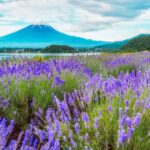
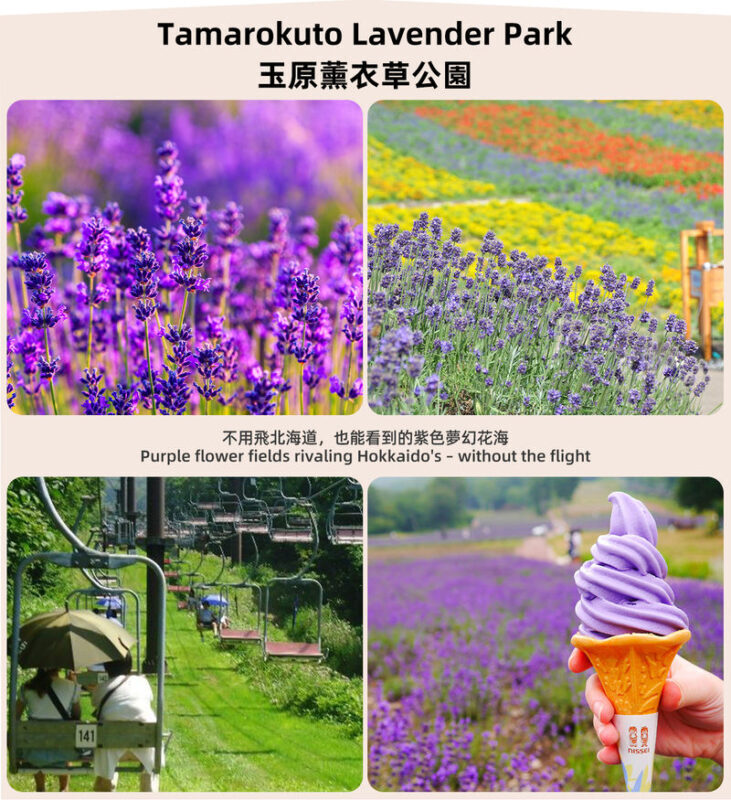
From July 1 to August 31, the stop is Tambara Lavender Park. The park is described as the largest lavender field in the Kanto region, with more than 50,000 plants. Admission is included, and a cable car offers a view over the fields. Lavender ice cream is a popular extra, but food and drinks are not included in the tour price.
Bloom timing is weather-dependent. Early or late in the season, the purple fields may not be at their fullest, and rain can make the visit less photogenic. Some departures have found the park underwhelming, while others enjoyed the mountain air, flowers and ice cream. If you are comparing it with famous flower farms elsewhere in Japan, keep expectations measured: the value here is the convenient seasonal stop, not a promise of peak bloom.
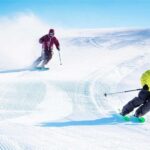
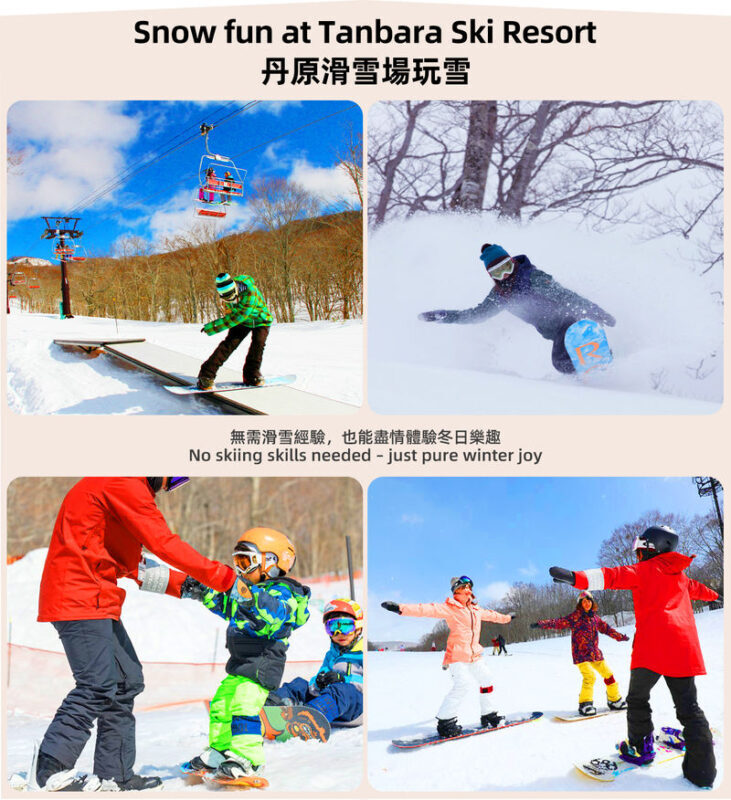
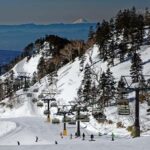
From December 20 to April 5, the stop is Tambara Ski Park. The included snow-land ticket and snow tube make this a play-in-the-snow visit rather than a full skiing package. The focus is family activities such as sledding, snowball fights and building snowmen. A March snowfall has made for a memorable family outing, but weather can affect operating hours and activities. Confirm what is open on the day, and don’t assume the package includes ski equipment or lessons.
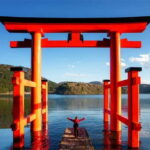
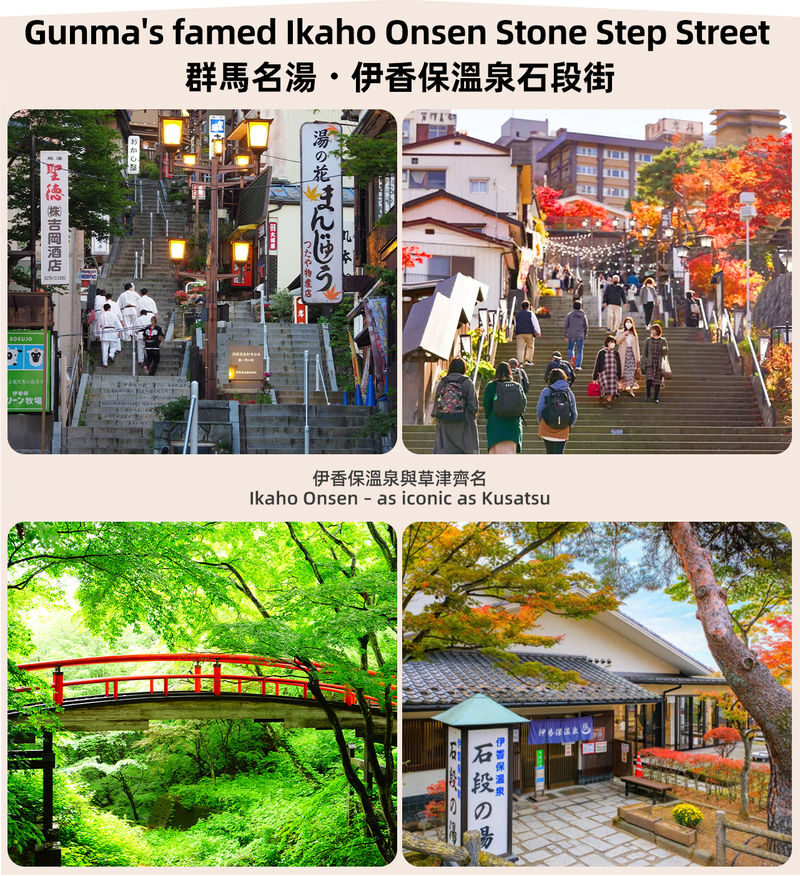
From April 6 to June 30 and September 1 to December 19, the stop is Ikaho Onsen. The old hot spring town is known for its 365 stone steps, which lead toward Ikaho Shrine. Climbing them is part of the visit, and local belief links the climb with good luck and wealth. Ikaho is also associated with Golden Hot Spring and Silver Hot Spring, a chance to see a different side of Gunma after the waterfall and farm.
The stop lasts only about 70 minutes, so you will need to choose between climbing, exploring the town and seeking out a bath. The tour information does not list an onsen admission as included. If bathing is your priority, check opening details and any costs before you go; the schedule may leave little time for a long soak.
What the $79 starting price covers
At a starting price of $79, the chief value is not a single attraction but the logistics: a Tokyo pickup point, round-trip transport, fuel, tolls and parking, plus a guide who speaks English, Chinese and Japanese. Harada Farm’s fruit-picking fee is included. The lavender admission is included in summer, and the snow-land admission and snow tube are included during the stated winter period.
That package can compare well with arranging several rural stops on your own, especially if you do not want to drive. But the price does not cover meals, drinks or personal purchases, and the experience is short at each attraction. Your value depends on whether you want a broad day out more than unhurried time at one place.
The third stop also affects what you get for the fare. Lavender and snow-land admissions are explicitly included in their seasons; Ikaho is a town visit, with no hot spring admission listed. Read the seasonal details carefully so you know which version of the day you are buying.
The ride, guide and pace
The meeting point is Shinjuku MODE Gakuen, at 1-7-3 Nishi-shinjuku. Arrive at least ten minutes before the 08:00 departure. Late arrivals and no-shows are not refundable, and a shared vehicle cannot wait indefinitely without affecting the rest of the group.
Vehicle size depends on the number of people, so you cannot choose a specific type. Some departures have used a comfortable eight-seat van, and a small group can make coordination feel flexible. Each person may bring one standard-sized piece of luggage, but you must note it when booking; extra or unannounced luggage may not be accepted.
The guide can make a real difference on a day with several stops and a long drive. Guides named Ko, Yoyo, Win, BeiBei and Gao Hongmiao have been praised for kind assistance, careful driving and flexible coordination. Service is not uniform, though. Some departures have had limited commentary or unclear meeting instructions, so keep track of the return time yourself and confirm where the group is gathering.
The schedule can shift with traffic, weather and operating conditions. The operator says attractions should not be removed when the order changes, but actual time at a stop may be adjusted. Do not book this if you need a strict return time for a train, flight or evening reservation. The expected arrival is 18:00, not a guarantee.
You can also read our reviews of more tours and experiences in Tokyo





Who will enjoy this day most
This tour makes sense if you want a full day outdoors, enjoy seasonal food and are happy to move at group pace. Families may especially like the variety: a waterfall walk, fruit picking and, in winter, snow play with a tube. The seasonal format also gives repeat visitors a different third stop at different times of year.
It is less suited to anyone who wants a slow visit, extensive guided interpretation or a particular flower or fruit at its peak. The tour’s main ingredients are weather-sensitive, and the mountain drive takes a sizeable part of the day. Anyone with high blood pressure, epilepsy, heart disease, asthma, another serious medical condition, a disability or pregnancy is advised against the activity. Participants aged 70 or over need to present a medical certificate; children aged 0 to 2 can ride free only if they do not need a separate seat, while children aged 3 and over pay the adult rate.
Should you book the Gunma day trip?
Book it if you want to see several sides of Gunma in one day without arranging a car, and you can accept a long ride and a changing seasonal stop. The most reliable reasons to go are the combination of Fukiware Falls, hands-on fruit picking and convenient transport from Tokyo. Guides have been warmly praised for helpfulness, and the fruit, mountain scenery and snow activities can make the day feel like good value.
Skip it if one attraction is your sole goal, if you need a leisurely pace or if you cannot tolerate a possible late return. Check the season calendar, pack shoes suitable for wet paths and keep your plans flexible. That preparation gives this compact countryside outing its best chance of feeling like a rewarding day rather than a race between stops.
Gunma Rural Fun Tour: Fukiaware Falls & Harada Farm Fruit Picking & Lavender Flower Sea/Skiing/Ikaho Onsen Day Trip (From Tokyo)
“thanks to Mr. Ko for this lovely trip even a bit rainy day, looking for another adventure”
FAQ
Where does the tour depart from?
It departs from Shinjuku MODE Gakuen, at 1-7-3 Nishi-shinjuku, Shinjuku-ku, Tokyo. Arrive at least ten minutes before the scheduled 08:00 departure.
What time does the tour return to Tokyo?
The scheduled return to Shinjuku MODE Gakuen is about 18:00. Traffic and weather can change the timing, so the arrival time is not guaranteed.
Which fruit can I pick?
The seasonal choices are strawberries from December 4 to May 31, cherries from June 5 to July 5, blueberries from July 6 to August 2, peaches from August 3 to September 1, grapes from September 2 to October 8, and apples from October 9 to December 7.
Which seasonal attraction will I visit?
The tour visits Tambara Lavender Park from July 1 to August 31, Tambara Ski Park from December 20 to April 5, and Ikaho Onsen from April 6 to June 30 and September 1 to December 19.
Are meals and drinks included?
No. Meals and beverages are not included, though the Harada Farm stop includes time for lunch. Personal expenses are also extra.
What is included in the tour price?
The package includes round-trip transport from the meeting point, a trilingual guide, onboard commentary, tolls, parking, fuel and the Harada Farm fruit-picking fee. Tambara Lavender Park admission is included in summer; the winter snow-land ticket and snow tube are included in the stated winter season.
Can I bring luggage, and are there age requirements?
Each person may bring one standard-sized piece of luggage, which should be noted when booking. Children aged 0 to 2 ride free if they do not occupy a separate seat; children aged 3 and over pay the adult rate. Children aged 0 to 17 must be with a paying adult, and participants aged 70 or over need a medical certificate.