Japan’s contrasts come quickly here: Tokyo’s huge city views, Mount Fuji’s quiet lakeside setting, Kyoto’s temple paths, and Hiroshima’s Peace Memorial all fit into 10 days. I like that the route pairs famous sights with places such as Kurashiki and Iyashi no Sato, and that many major admissions, hotel breakfasts and several meals are included.
I also like the practical mix of coach travel and one long bullet train ride, plus a night at a traditional inn near Fuji with access to an onsen. The trade-off is pace: you cover a lot of ground, some days allow limited time at each stop, and guides and tour groups may change along the way.
- At a glance
- Ten days, many sides of Japan
- Tokyo’s temples, towers and Shinjuku evening
- Mount Fuji from park, lake and onsen
- A village, waterfall and Toyota’s motor story
- Kyoto’s bamboo paths and vermilion gates
- Nara’s deer, Osaka’s food district and Himeji Castle
- Kurashiki, Hiroshima and the island shrine
- The bullet train back to Tokyo
- Hotels, meals and the real pace
- Should you book this Japan tour?
- FAQ
- Are flights included in the tour price?
- How many days does the tour last?
- Which meals are included?
- Is the Mount Fuji Fifth Station visit guaranteed?
- What kind of transport is used?
- Are the hotel rooms Japanese-style?
- The Best Of Tokyo!
- More Tours in Tokyo
- More Tour Reviews in Tokyo
- Not for you? Here's more nearby things to do in Tokyo we have reviewed
At a glance
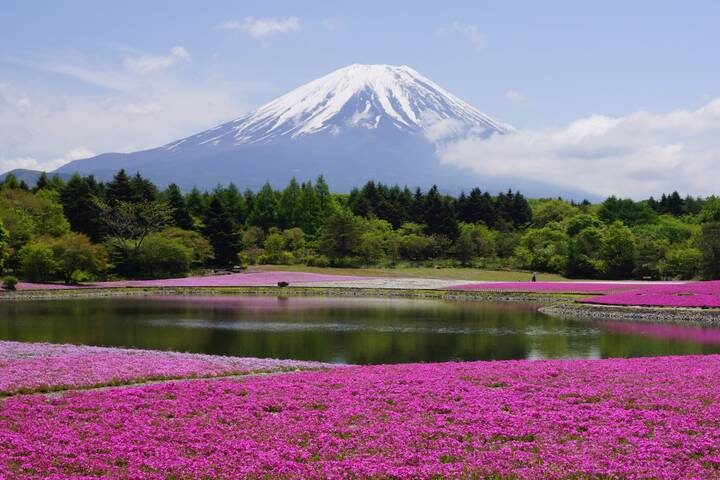
- Fuji views come with a weather caveat: Arakurayama Sengen Park and Lake Kawaguchiko are on the plan, but cloud or winter closures can limit the Fifth Station visit.
- Kyoto’s big sights fit into one packed day: Arashiyama, Fushimi Inari, the Imperial Palace and Kinkakuji are included, with free time in Gion afterward.
- Hiroshima gets a meaningful visit: The Peace Memorial Park, Atomic Bomb Dome and museum are followed by a ferry to Itsukushima Island.
- Coaches handle most intercity travel: The return from Hiroshima to Tokyo is by bullet train, a roughly four-hour trip.
- The tour is better for sight collectors than slow explorers: Expect early starts, walking and a full schedule, with group sizes listed as 2 to 72.

👉 See our pick of the 25 Best Guided Tours In Tokyo
Ten days, many sides of Japan
This is a broad first look at Japan, not a slow stay in any one place. You start and finish in Tokyo, travel west through central Honshu, then return by high-speed train from Hiroshima. Along the way, the route brings together city districts, mountain scenery, gardens, castles, shrines and a deeply affecting memorial site.
The advertised starting price is $3,431, with flights not included. For that price, the package includes hotel stays, breakfast buffets, selected lunches and dinners, an arrival transfer, much of the sightseeing transport, many admissions and basic travel insurance. The value depends on how much you want handled for you: you avoid planning each transfer and buying a long list of tickets, but you also give up the freedom to linger or change course.
Europamundo lists a group size of 2 to 72. That is a wide range, and the experience can feel different in a small group than in a full coach. Guides may change, and the tour may combine English and Spanish explanations depending on the group. Some people have praised guides such as Ken, also called Rei, and Paco for their history and helpful suggestions. Others have found some English explanations difficult to follow. If clear, continuous English commentary is essential to you, ask about the language setup for your departure before booking.
You can also read our reviews of more tours and experiences in Tokyo.



Tokyo’s temples, towers and Shinjuku evening
Your first day is intentionally light. After clearing customs, you take a shared shuttle to the hotel and have time to settle in. A coordinator is due to provide details about the following day, but do not plan on a full sightseeing program yet.
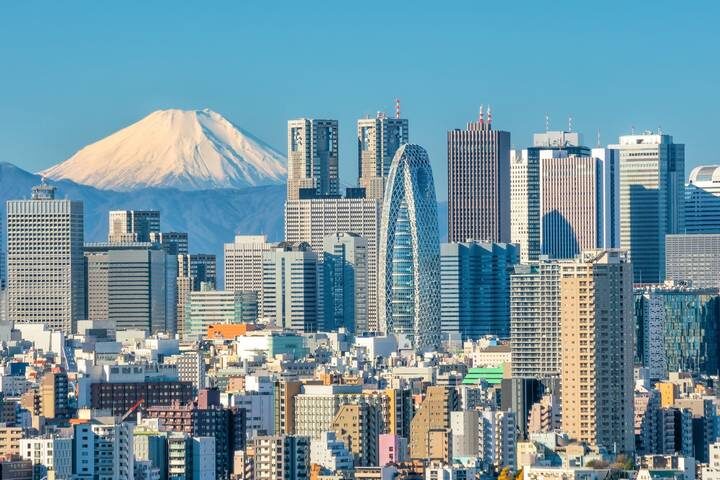
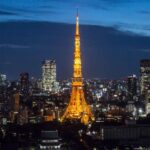
Day 2 is a long guided city tour, about seven hours. At Zojoji Temple, you get a view of Tokyo Tower and can notice the rows of small Jizo statues, guardians of children, dressed with knitted hats, bibs and pinwheels. Shibuya Crossing is seen from the bus, so this is a look rather than a chance to join the famous crossing on foot.
Meiji Shrine offers a quieter pause before Tokyo Skytree, where admission to the Tembo Deck at 350 meters is included. The panorama helps make sense of Tokyo’s scale. Weather can affect access, and the tour may substitute another city viewpoint if conditions or other exceptional circumstances prevent a visit.
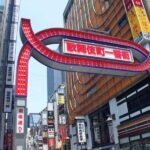
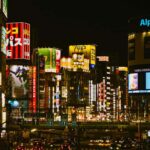
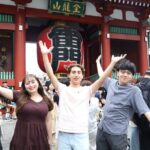
The route continues through Asakusa and Nakamise Street, a shopping lane leading toward Sensoji, before passing Akihabara and Ginza. In the evening, you take the subway with your guide to Shinjuku for a walk and an included dinner at a local restaurant. Subway tickets are included for this outing. It is a useful first taste of Tokyo after dark, though you will have little time to explore the districts independently during the day.
Mount Fuji from park, lake and onsen
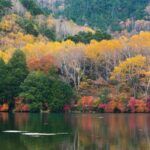
On Day 3, you leave Tokyo for the Fuji area. Arakurayama Sengen Park is known for its pagoda and mountain views, the classic scene many people hope to see. Fuji is weather-dependent, so keep expectations flexible: clear skies make the outing; cloud can obscure the peak.
At Kawaguchiko, a boat ride gives you a different angle on the mountain and its lakeside setting. The coach then climbs toward the Fifth Station, reaching about 2,305 meters when the road is open. In winter, snow or weather may close the route, and the bus goes only as far as permitted.
You spend the night at a ryokan, with dinner and access to a public hot spring bath. Rooms may be Japanese-style with tatami mats or Western-style, and the planned ryokan can occasionally be replaced by a Western-style hotel. This is one of the tour’s most distinctive nights, but it is not a promise of a traditional room. Pack a small overnight bag within easy reach if you prefer not to unpack everything after the transfer.
A village, waterfall and Toyota’s motor story
Day 4 is a substantial travel day toward Kyoto, broken up by several stops. Iyashi no Sato Nenba is a restored village whose traditional houses now serve as shops and cultural exhibits. It offers a look at old-style architecture, though it operates as an open-air museum rather than a working village untouched by tourism.
Next comes Shiraito Falls, where water drops about 20 meters. The stop adds a natural contrast to the temples and city visits ahead. In Nagoya, admission to the Toyota Museum is included, an appealing change of subject for anyone interested in cars and industrial design. Then you continue to Kyoto for the night.
These scheduled stops make the long coach transfer more varied, but they do not turn the day into a leisurely countryside stay. You will be moving on again after each visit.
Kyoto’s bamboo paths and vermilion gates
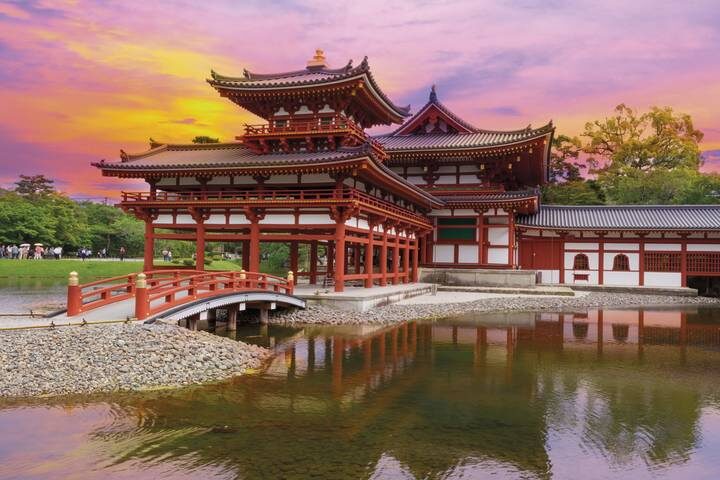
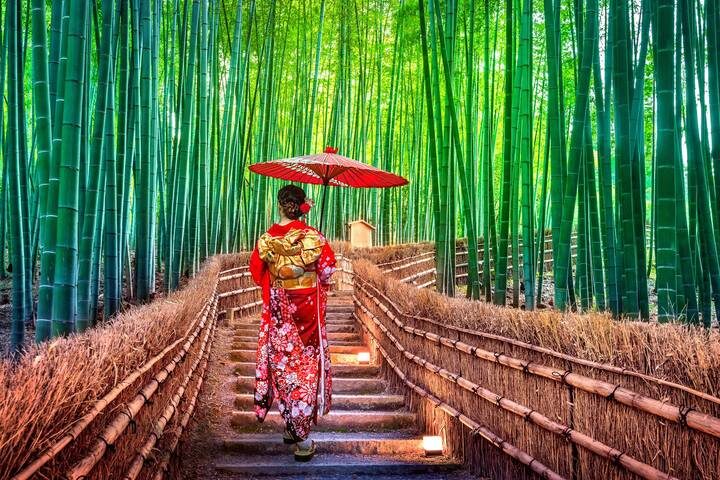
Day 5 puts several of Kyoto’s best-known sights into a single touring day. In Arashiyama, you see Togetsukyo Bridge, visit Tenryu-ji’s Zen garden and walk through the bamboo grove. The garden’s pond, trees and mountain backdrop offer a calmer counterpoint to the city’s busy visitor sites.
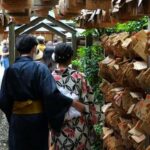
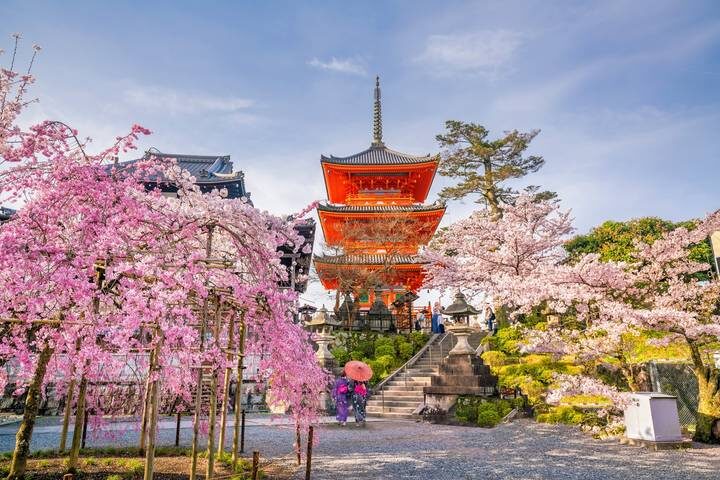
Fushimi Inari is famous for its many red torii gates climbing the hillside. You can walk beyond the first crowded stretch, but give yourself enough time and be ready for steps if you want to go farther. The tour also includes the Imperial Palace and Kinkakuji, the Golden Pavilion, whose gold-covered exterior reflects in the surrounding garden.
The order may change, so keep your plans flexible. After the guided visits, Gion is listed as optional free time rather than a full guided tour. It is a good place to stroll among traditional wooden buildings and choose your own dinner, but remember that this has already been a full day of sightseeing. The number of temples and shrines is a matter of taste; if you prefer time for cafés, crafts or unplanned wandering, Kyoto’s schedule may feel crowded.


Nara’s deer, Osaka’s food district and Himeji Castle
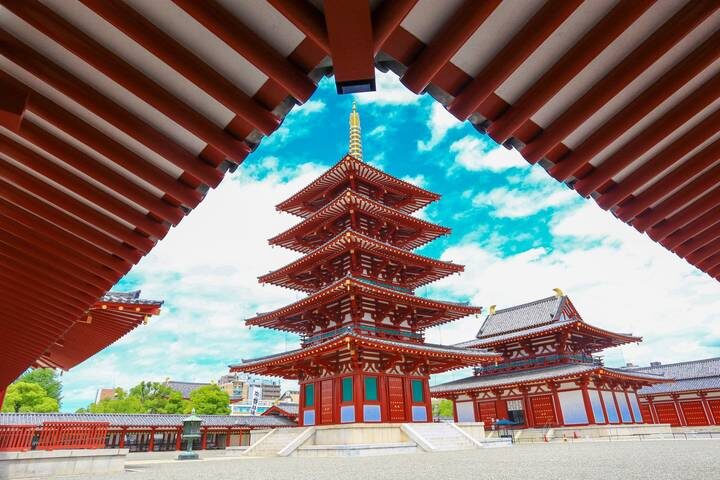
On Day 6, you head to Nara for Todaiji Temple and its Great Buddha, then walk through Nara Park, where deer roam among visitors. The temple is a major highlight, and the park gives you time outdoors between city stops. Lunch is included in Nara.
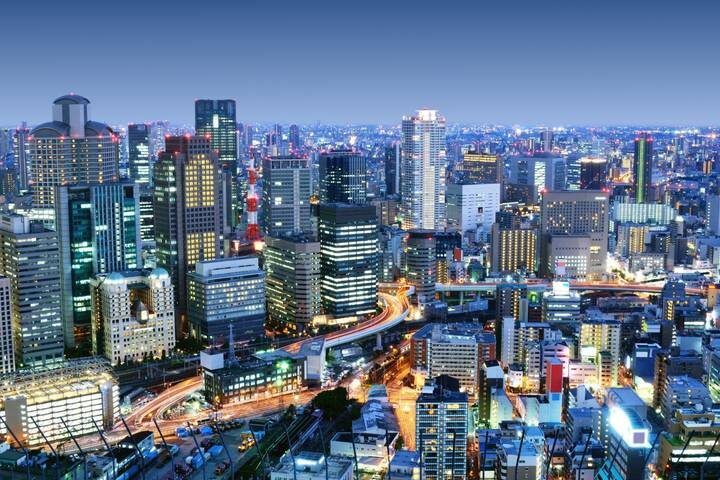
In Osaka, the tour makes a panoramic visit to Dotonbori, with free time for lunch described in the daily schedule, though the package details identify two included lunches overall, in Nara and Himeji. Check the day’s arrangements with your guide so you know whether your Osaka meal is at your own expense. The route also includes Osaka Castle. Umeda Sky Building is in the area, but visiting it is optional and depends on your free time.
Day 7 brings Himeji Castle, with admission included. Its large complex and distinctive defensive design make it one of the most rewarding castle visits on the route. You also get lunch at a local restaurant before continuing to Okayama.
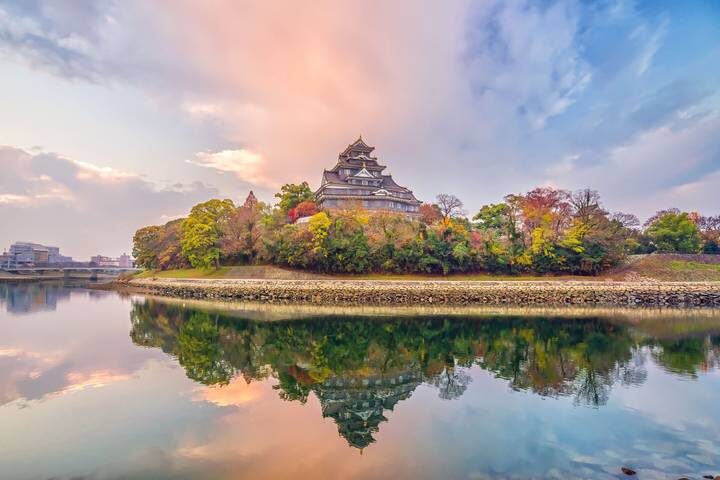
In Okayama, Korakuen Garden is the main stop, with ponds, waterfalls and traditional teahouses. A pedestrian bridge connects the garden area to Okayama Castle, but entry inside the castle is not included. The overnight stay is planned at Ana Crowne Plaza Okayama, though some departures may stay in Fukuyama or Kurashiki. That change can affect how your free time is arranged.
Kurashiki, Hiroshima and the island shrine
Kurashiki’s preserved historic center offers canals and traditional buildings, a welcome change from the larger cities. You get time to walk around before continuing to Hiroshima. It is a short visit, so think of it as a chance to take in the old streets rather than a deep exploration.
In Hiroshima, the Peace Memorial Park and Atomic Bomb Dome lead into the Peace Memorial Museum, with admission included. Allow yourself some quiet afterward. This is not just another sightseeing stop; the museum presents the human cost of the 1945 bombing and the city’s message of peace. The order of the Hiroshima visits can vary.
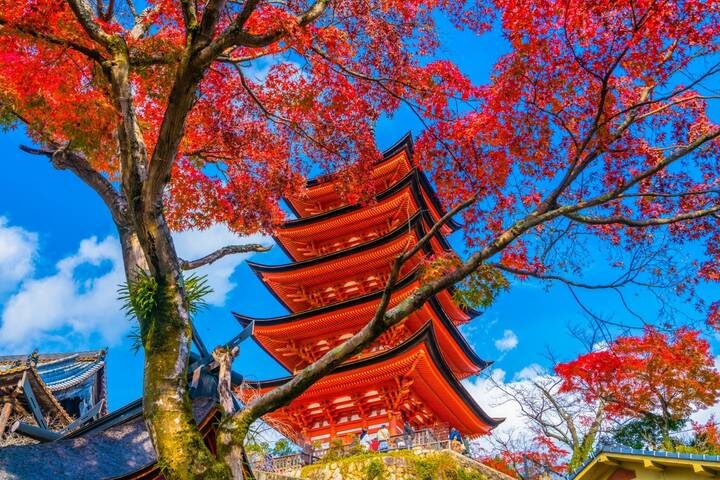
The day continues by ferry to Itsukushima Island, where the Great Torii Gate rises from the water and the shrine is open to explore in your free time. You can also find lunch on the island. Tide and weather conditions shape the view of the gate, so the scene may differ from the familiar image of it surrounded by water. Dinner is included back in Hiroshima, where the planned hotel is the Hilton Hiroshima.
Day 8 packs a great deal into one day, and Hiroshima’s museum and the island both deserve time. If you want a reflective visit rather than a quick circuit, keep your expectations realistic and use the available free time carefully.
The bullet train back to Tokyo
After breakfast on Day 9, a transfer takes you to the station for the bullet train to Tokyo. The journey covers about 800 kilometers and takes roughly four hours, with arrival scheduled around 2 p.m. This is the tour’s main high-speed rail segment; most other long-distance travel is by coach.
You return to the Shinagawa Prince Hotel for the final night. Day 10 ends after breakfast, so you will need to arrange your own onward transport and flight. Since the tour spends only a limited amount of time in Tokyo, adding a night or two before or after the program is a sensible way to see more at your own pace.
Hotels, meals and the real pace
The hotels are listed as four-star properties, with private bathrooms and televisions. Europamundo describes them as selected for quality, price and location, usually with public transport nearby, though not always in the city center. Room size and standards can vary. Small rooms are a common practical concern on this route, particularly if you are sharing or traveling with large suitcases.
Breakfast buffet is included, along with two lunches and three dinners: Tokyo, Kawaguchiko and Hiroshima. The Tokyo dinner is at a local Shinjuku restaurant. The Kawaguchiko dinner comes with the ryokan stay, while the Hiroshima meal is included after the island visit. Other meals are generally your own responsibility, giving you a chance to choose what suits your appetite and budget.
The tour is described as low intensity, but do not read that as no-effort travel. You will walk through temple grounds, gardens, city districts and crowded visitor areas, sometimes at a brisk group pace. There are stairs at some sights, and keeping up can be difficult if you have mobility concerns. Comfortable walking shoes and a small day bag will help.
The itinerary has earned strong marks for transport and sightseeing, with category ratings of 4.5 for transport and 4.4 for itinerary, and an overall rating of 4.2 out of 5. That fits the basic bargain: efficient coverage and a lot of included access, in exchange for a busy schedule and less control over timing. Guides are a major variable. Ken, also called Rei, and Paco have been especially praised for their explanations and help, while some departures have had guide changes and bilingual commentary that made English harder to follow.
Should you book this Japan tour?
Book it if this is your first trip to Japan and you want a guided route through the country’s major sights without arranging every hotel, transfer and admission yourself. You get Fuji, Kyoto, Nara, Osaka, Himeji and Hiroshima in one trip, plus a useful spread of smaller stops. Families and people comfortable with group schedules may appreciate how much is covered.
Think twice if you want long visits at each site, a single guide throughout, or a trip conducted exclusively in fluent English. The group may be large, the schedule can be tight, and some days involve considerable walking. For a better balance, add independent time in Tokyo, and confirm the guide language and hotel details for your departure before paying the balance.
Contrasts of Japan end Tokyo 10-Day Tour by Europamundo
“Saw a lot! First time I had 4 guides on a bus tour. Ken was our favorite guide. He knows the history of Japan. It wasn't just 'there's that'. He to…”
FAQ
Are flights included in the tour price?
No. Flights are not included. The tour includes an arrival transfer from Tokyo Airport, along with the listed ground transport and hotels.
How many days does the tour last?
The tour lasts 10 days. It begins in Tokyo and ends in Tokyo after breakfast on Day 10.
Which meals are included?
Breakfast buffet is included, along with two lunches in Nara and Himeji and three dinners in Tokyo, Kawaguchiko and Hiroshima.
Is the Mount Fuji Fifth Station visit guaranteed?
No. The coach goes to about 2,305 meters when road and weather conditions allow. In winter, snow or other conditions may close the route, and the tour goes as far as permitted.
What kind of transport is used?
Most of the route is by coach. The return journey from Hiroshima to Tokyo is by bullet train and takes about four hours. The tour also includes a shared airport shuttle on arrival and ferries to and from Itsukushima.
Are the hotel rooms Japanese-style?
Not necessarily. The Kawaguchiko ryokan may have Japanese-style tatami rooms or Western-style rooms, and it may occasionally be replaced with a Western-style hotel. The other listed hotels are standard hotel stays with private bathrooms.