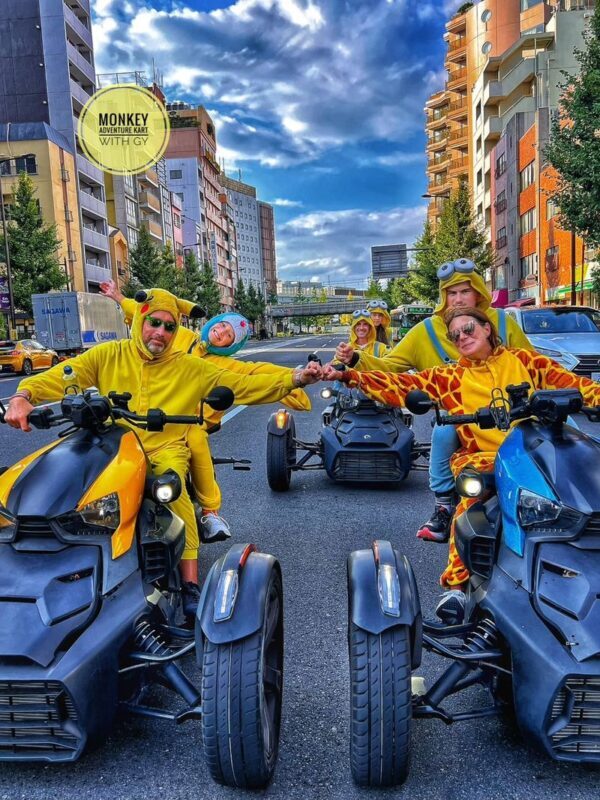
Tokyo looks different from the seat of a three-wheel Can-Am Ryker. This one-hour guided ride sets off from Sumida City near Oshiage and takes you through Asakusa and nearby districts, with sights such as Senso-ji Temple, Tokyo Skytree, Ryogoku, Ueno, and Akihabara on the planned route.
I like two things in particular: you get a hands-on way to see the city, and the price includes a costume and staff-taken photos, so you are not left trying to snap everything yourself. Guides help you get used to the vehicle, and names such as Tento, Reece, and Sho have been praised for clear instruction and a friendly manner.
The big catch is the driving paperwork. You must arrive on time with the correct hard-copy International Driving Permit, and the rules depend on where your license was issued. If the documents are wrong, you may be turned away without a refund.
- The short version: a guided ride, not a sightseeing bus
- What the Can-Am ride is really like
- Leaving the shop near Oshiage
- Getting comfortable behind the controls
- Asakusa, temples, and Tokyo Skytree
- Ryogoku, Ueno, and Akihabara on the route
- Photos, costumes, and the social side
- Is 4.35 good value for one hour?
- Safety, weather, and the fine print
- Who should book this Tokyo ride?
- Should you book it?
- FAQ
- How long is the Can-Am Tokyo ride?
- Where does the tour meet?
- How early should I arrive?
- What driving documents do I need?
- Does the passenger need a driving license?
- What is included in the price?
- The Best Of Tokyo!
- More Tours in Tokyo
- More Tour Reviews in Tokyo
- Not for you? Here's more nearby things to do in Tokyo we have reviewed
The short version: a guided ride, not a sightseeing bus
 1 / 6
 2 / 6
 3 / 6
 4 / 6
 5 / 6
 6 / 6
- Ride a Can-Am Ryker 600: Follow a guide through Tokyo streets on a three-wheel vehicle, with a driver and passenger option.
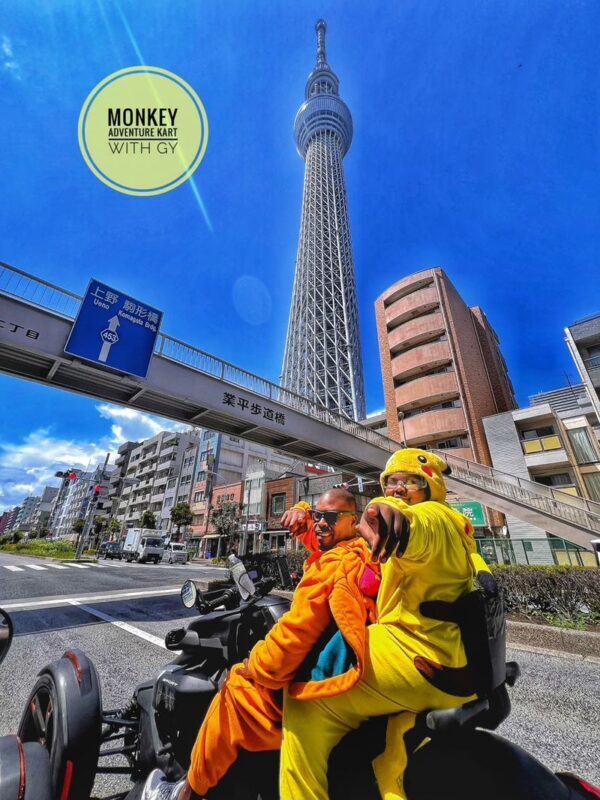
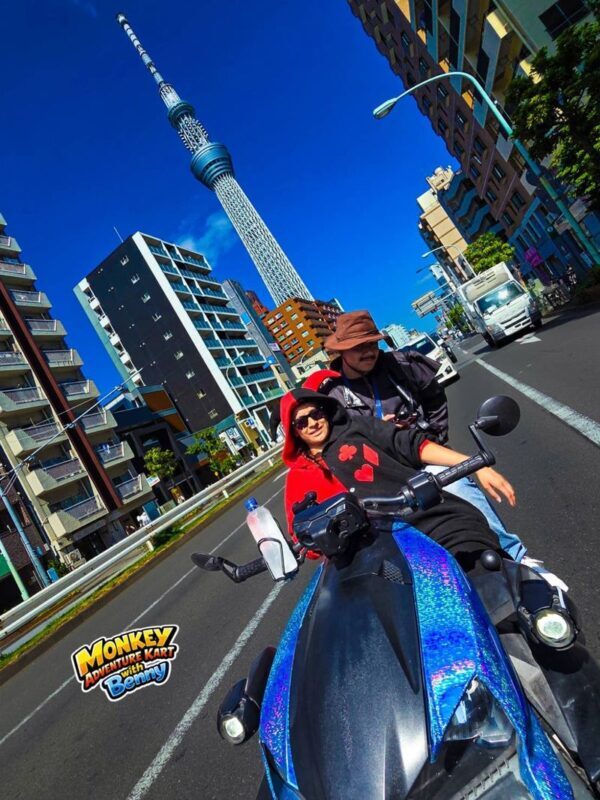
- See central Tokyo from street level: The route is described as passing Senso-ji, Tokyo Skytree, Ryogoku Sumo Stadium, Ueno, and Akihabara.
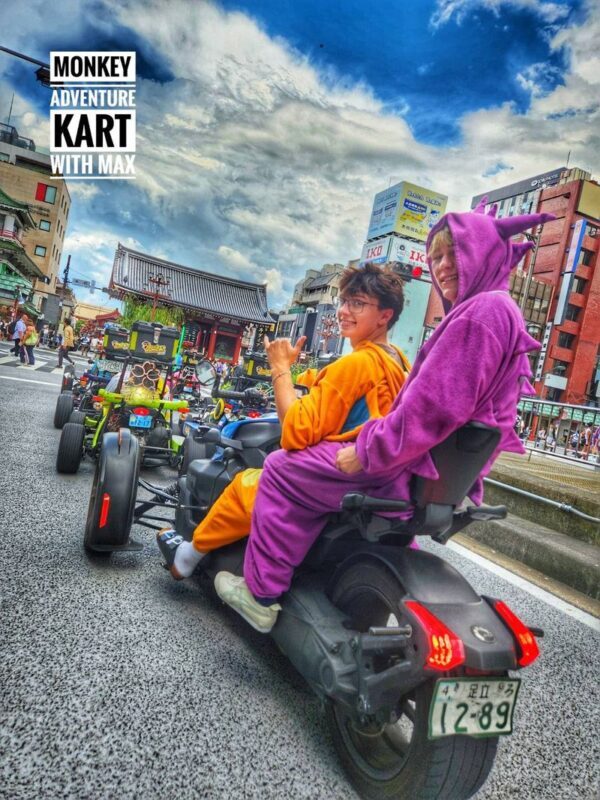
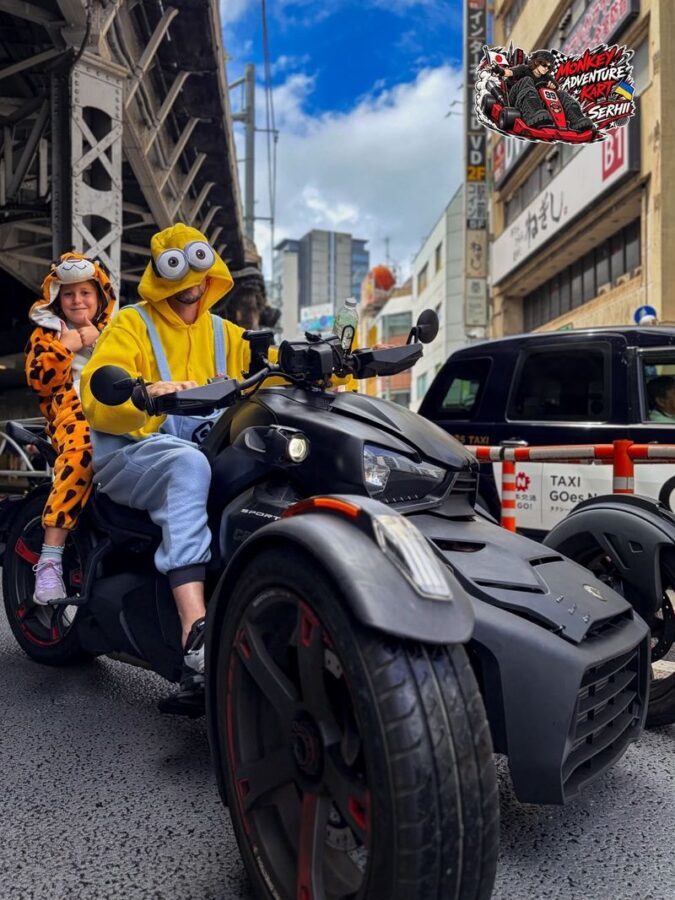
- Dress up for the ride: Costume rental is included, adding a playful touch to the outing.
- Get photos without managing your phone: Staff take pictures at notable locations and share them afterward.
- Plan around the license rules: Drivers must bring the permit or other approved document that applies to their license.
- Allow time to reach the shop: The meeting point is about a seven-minute walk from Oshiage (Skytree Mae) Station, and check-in is strictly 15 minutes before departure.

👉 See our pick of the 25 Best Guided Tours In Tokyo
What the Can-Am ride is really like
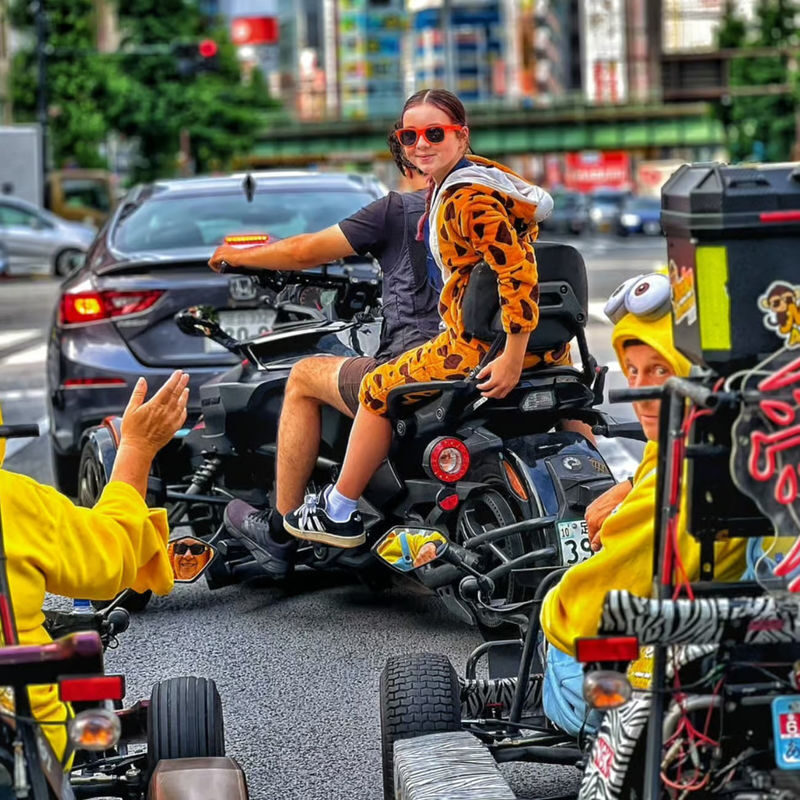
This is a short, active city tour, not a long drive through Tokyo’s outer neighborhoods. You follow a guide, ride the same streets as other traffic, and see a mix of older Asakusa, modern landmarks, and busy city districts from a low, open-air seat.
The vehicle is a Can-Am Ryker 600, a three-wheel road vehicle. The stable design and guided format can make the outing feel more approachable than driving a two-wheel motorbike, but you are still responsible for operating a motor vehicle on public roads. Pay attention during the instruction and follow the guide closely.
The experience is best understood as a novelty ride with sightseeing built in. In an hour, you can pass several well-known areas, but you should not expect a long stop at each temple or district. If your priority is detailed historical interpretation or time inside attractions, plan separate visits on foot.
You can also read our reviews of more tours and experiences in Tokyo.


Leaving the shop near Oshiage
The meeting point is Monkey-Adventure Kart Asakusa shop at 4 Chome-9-9 Yokokawa, Sumida City, Tokyo. Oshiage (Skytree Mae) on the Tokyo Hanzomon Line is listed as a seven-minute walk away. The Hanzomon Station is about an 11-minute walk from the shop.
Arrive 15 minutes before departure. The staff need to check your license before you participate, and late arrivals or no-shows are not eligible for a refund. This is not the sort of activity where a few minutes of subway delay can be brushed aside, so leave extra time to find the shop and complete the check.
Before booking, work out exactly which driving document applies to you. The operator requires a hard-copy International Driving Permit issued under the 1949 Geneva Convention, a valid Japanese translation of a license where applicable, or a valid SOFA license. The permitted documentation varies by country. Some licenses and permits are not accepted for driving in Japan, and the information provided specifically warns that permits from countries such as Indonesia, Pakistan, and Qatar are not allowed. Confirm your situation with the operator before paying, and bring the required paper original on the day.
Only the driver needs a driving license. The passenger does not, according to the activity information. That makes this a possible outing for a pair where one person wants to drive and the other would rather enjoy the ride, but check the booking option carefully and confirm the passenger arrangement before reserving.
Getting comfortable behind the controls
The operator provides a guide in English and Japanese, and guests are given instruction before setting out. That matters if this is your first time on a Can-Am. The vehicle is often described as easier to handle than a go-kart, but ease is not a substitute for listening carefully, especially when you are moving through city traffic.
Guide names mentioned by people who have taken the ride include Tento, Reece, Sho, Shoma, Ralph, and Jerome. Staff assignments can change, of course. The useful point is that the guide is central to the experience: you need clear directions, a steady pace, and someone who keeps the group together. The activity is guided rather than a free-roaming rental.
You can choose a costume before heading out. It is a lighthearted extra, and it can make the photos more fun, but it is not the reason to book if you want a serious history tour. Think of it as part of the outing’s playful, attention-getting character.
Asakusa, temples, and Tokyo Skytree
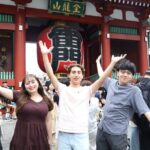
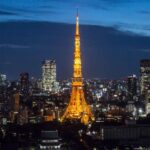
Asakusa gives the ride its strongest contrast between old and new Tokyo. The route is described as passing Senso-ji Temple and Asakusa Shrine, while Tokyo Skytree provides a striking modern landmark nearby. From the vehicle, you get a moving view of these places and the streets around them, rather than the slower experience of walking through the temple grounds.
That trade-off is worth keeping in mind. A pass-by gives you a sense of the district and a chance to take in its scale, but it does not replace a visit inside Senso-ji or time to explore the surrounding lanes. If the temple is high on your list, make a separate stop before or after the ride.
The Skytree is also a useful visual anchor. Its height makes it easy to spot as you move through Sumida and Asakusa, and it gives the ride a clear point of reference. Staff take photos at iconic locations, which helps preserve the memory without asking you to handle a camera while driving.
Ryogoku, Ueno, and Akihabara on the route
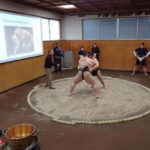
The stated route also includes Ryogoku Sumo Stadium, Ueno, and Akihabara. Those names hint at the tour’s range: sumo culture and sporting heritage around Ryogoku, a major cultural and park district in Ueno, and Akihabara’s electronics and pop-culture identity. The ride gives you a quick street-level taste of these areas, not a deep visit to each one.
The one-hour limit shapes the experience. You may pass through or near several districts, but the exact pace and route can depend on traffic and operating conditions. Ginza is also mentioned among the highlights, though the detailed description focuses on Asakusa, Skytree, Ryogoku, Ueno, and Akihabara. If a specific neighborhood matters most to you, ask the operator what the planned route covers on your departure.
A moving tour is especially useful if you enjoy watching the city change block by block. You see how central Tokyo’s districts fit together, which can be hard to grasp when you travel only by subway. But this is not a substitute for a transit pass or a walking day: you will not have much time to stop, browse, or linger.


Photos, costumes, and the social side
Photography fees and costume rental are included. Staff take photos at notable locations and share them after the tour, a practical perk when both hands are occupied with riding. The photos also make the costume part of the experience more worthwhile than simply dressing up for a few minutes at the shop.
The group activity can suit couples, friends, and families with adult drivers. A passenger option is available, and the listed inclusion covers a Can-Am ride for a driver and passenger. One participant described riding with an eight-year-old daughter, but the stated eligibility rule says participants must be at least 18. Do not assume a child can join based on an individual outing; confirm age and passenger rules directly before booking.
If you are traveling with someone who does not have a driving license, the passenger seat may be the answer, provided the selected package allows it. The driver still has to meet the permit requirements. That distinction is important: an unlicensed passenger is not the same as an unlicensed driver.
Is $164.35 good value for one hour?
The advertised starting price is $164.35 for the one-hour option. That is a substantial price for a short activity, particularly if you judge it by the number of minutes alone. Its value comes from the combination of the Can-Am ride, guide, costume rental, and photos, plus the unusual chance to travel through Tokyo streets in a three-wheel vehicle.
I would compare it with other paid activities by asking what you want from the hour. If you want a low-cost way to cover sights, Tokyo’s trains and walking routes are better value. If you want a memorable, hands-on outing that doubles as a photo experience, the Can-Am adds something a bus or subway cannot.
The cost may be harder to justify if you are not interested in driving, costumes, or being on camera. It may also feel brief if you expect a two-hour tour; one participant specifically wished the ride lasted longer. Check the price for your exact date and package, since the stated rate is a starting price and the selected option matters.
Safety, weather, and the fine print
This is a public-road activity, so safety deserves more than a passing mention. One participant’s advice was simply to be careful, and that is sound guidance. Listen to the pre-ride instructions, keep attention on the road, and follow the guide rather than treating the ride like a race. The vehicle’s three-wheel design may feel stable, but traffic and road conditions still require care.
Weather can affect your comfort. A participant found the heat made the outing less enjoyable, and an open-air ride offers less shelter than an indoor activity. Consider the forecast and your tolerance for sun or heat when choosing a time. The operator may cancel because of extreme weather or unforeseen events; in that case, you can reschedule or request a full refund.
You can cancel for a full refund if you do so at least 48 hours before the activity date, using Tokyo local time. The voucher is valid only for the date and time specified, and you can present it on your phone. The strict arrival rule and permit check are the details most likely to affect your day, so sort those out before you leave your hotel.
Who should book this Tokyo ride?
I would put this near the top of the list for a confident driver who wants an unusual way to see central Tokyo and is comfortable sharing the road. It also works well for a couple or friends when one person drives and another rides as passenger. The guide, included photos, and costume make it more than a vehicle rental.
It is less suited to anyone who wants a slow, detailed temple visit, has concerns about road riding, or cannot produce the correct documents. It is also a poor choice if you need a flexible start time. Arrive early, verify your permit eligibility, and accept that one hour gives you a quick overview rather than a full tour of each neighborhood.
Should you book it?
Book the Can-Am Tokyo ride if the idea of steering a three-wheel vehicle through Asakusa sounds more appealing than seeing the same sights from a bus window. The best reasons are the guided ride, the unusual perspective, and the photos included in the price. Before you commit, confirm your license paperwork and passenger eligibility with the operator. If either is uncertain, choose a walking or transit-based way to see the city instead.
Can-Am Tokyo Ride: Explore Asakusa and Beyond in Style
“It is the best. Just please be careful about safety.”
FAQ
How long is the Can-Am Tokyo ride?
The listed package is a one-hour tour.
Where does the tour meet?
It meets at Monkey-Adventure Kart Asakusa shop, 4 Chome-9-9 Yokokawa, Sumida City, Tokyo 130-0003.
How early should I arrive?
Arrive 15 minutes before departure. The operator checks driving documents before the activity, and late arrivals or no-shows cannot receive a refund.
What driving documents do I need?
Drivers need a hard-copy International Driving Permit valid in Japan under the 1949 Geneva Convention, a valid Japanese translation of a license where applicable, or a valid SOFA license. Requirements depend on the country that issued your license.
Does the passenger need a driving license?
No. The activity information says the passenger does not need a driving license. The driver must meet the permit requirements.
What is included in the price?
The activity includes an English- or Japanese-speaking guide, the Can-Am ride for driver and passenger, costume rental, and photography fees. Personal expenses and action camera rental are not included.