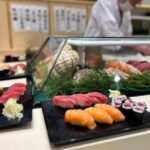
Tsukiji’s appeal is not just the fish on display. This two-hour visit takes you through the Outer Market with a local insider, then puts you at a worktable to make sushi from market ingredients. You get both the place and the food, rather than only a quick walk through the stalls.
I like two things in particular: the small market group of up to eight, which makes it easier to stop and ask questions, and the chance to make 10 pieces of sushi in a wooden bento box. Guides such as AJ, Mia, Kenji, and Akiko lead the walk, while English-speaking instructors help with the cooking.
The main consideration is the pace. One hour on foot and one hour in class is a compact introduction, not a long, leisurely market visit. The class uses raw fish, and all sushi must be eaten on-site, so check the dietary details before booking.
- What makes this Tsukiji visit worth your time
- Starting among Tsukiji’s specialty shops
- The value of a guide in a busy market
- From market walk to sushi worktable
- Making a bento you will want to photograph
- Price, timing, and who gets the most from it
- Dietary needs and a few practical limits
- Should you book the Tsukiji Insider Tour and Sushi Class?
- FAQ
- How long does the experience take?
- How many pieces of sushi will I make?
- Do I need cooking experience?
- Is the market walk a small group?
- Are vegetarian or vegan options available?
- Does the class include raw fish?
- Can children join?
- Are purchases or extra food included?
- The Best Of Tokyo!
- More Shopping Tours in Tokyo
- More Tours in Tokyo
- More Tour Reviews in Tokyo
- Not for you? Here's more nearby things to do in Tokyo we have reviewed
What makes this Tsukiji visit worth your time
- Meet market shopkeepers: Your guide leads you through specialty shops and quieter lanes, with explanations of seafood, tools, ingredients, and local food customs.
- See more than the main shopping route: Stops change with shop openings, but can include behind-the-scenes views and small stores that are easy to walk past on your own.
- Make 10 pieces yourself: The class covers a mix that can include tuna, salmon, vegetables, inari sushi, and a tuna roll.
- Pack your work in a wooden bento box: The box is included, and arranging the sushi is part of the fun.
- A practical two-hour format: The walk and class each take about an hour, making this an easy fit into a Tokyo day.
- Suitable for beginners and families: No cooking experience is needed, and children are welcome, with special age and seating details to check.

👉 See our pick of the 25 Best Guided Tours In Tokyo
Starting among Tsukiji’s specialty shops
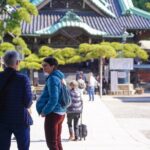
The meeting point is at 4-10-6 Tsukiji, in the San Ki Building area, a short walk from the market lanes. Once the group gathers, your guide sets off on foot through Tsukiji Outer Market. Expect roughly an hour of walking, so comfortable shoes and a light bag are sensible choices.
This is not simply a seafood-stall parade. Tsukiji’s food culture also lives in its specialist shops, where vendors sell Japanese ingredients, traditional tools, and products that may be unfamiliar if you are new to the cuisine. A local guide can explain what you are looking at and why a particular shop matters, which turns a crowded lane into a more readable place.
The family behind the experience has more than a century of connections to Tsukiji. That background gives the walk a useful focus: you are introduced not only to what is for sale, but also to the people and working traditions behind the market community.
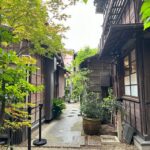
The route can include hidden alleys, local shop owners, and a hall with fish vendors. Some stops may offer samples, and you may see skilled food preparation, such as handmade tamagoyaki. But shops open on their own schedules, so the exact route and stops vary. Treat the walk as a guided introduction, not a fixed checklist.
You can also read our reviews of more shopping tours in Tokyo


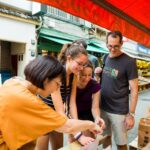
The value of a guide in a busy market
Tsukiji is easy to enjoy on your own, but it can be hard to know which stalls are worth lingering over and what unfamiliar products are used for. A guide helps you sort the useful details from the visual noise. Guides have pointed out tourist traps, explained local products, and introduced visitors to shops they later returned to independently.
The small walking group matters here. With no more than eight people, there is more room to hear the guide, ask questions, and pause when something catches your eye. If the group is smaller than the limit, the walk can feel especially personal, though you should not count on having a private tour.
There is some room for shopping, but this is not a dedicated buying trip. Personal purchases are not included in the price, and some market shops take cash only, so carry yen if you expect to browse. Keep purchases modest until after the walk if you want to move comfortably through the lanes.
From market walk to sushi worktable
After about an hour, you head to a cooking studio in the heart of Tsukiji. The class is designed for beginners, with demonstrations and straightforward instructions. You use authentic Japanese tools and professional knives, but the staff guide you through each step, so you do not need to arrive with sushi-making skills.
The ingredients include premium tuna, salmon, and seasonal vegetables from Tsukiji Market. The 10 pieces can include tuna and salmon sushi, vegetable options, inari sushi, and a tuna roll. The specific mix may vary, so think of these as examples rather than a guaranteed piece-by-piece menu.
This is the part that makes the market visit feel connected to the class. You have just seen the shops and ingredients in context, and now you handle the food yourself. Some outings have included buying fresh tuna during the walk to use later in class, which gives the ingredient a clear path from market stall to lunch.
The class also brings in small cultural lessons alongside the technique. You may learn how to handle sushi tools or how sushi is traditionally eaten, and fresh wasabi has been part of some sessions. The emphasis is practical: learn enough to make the meal, understand what you are doing, and enjoy the process.
Making a bento you will want to photograph
Once the pieces are ready, you arrange them in an original handcrafted wooden bento box. This is not just packaging. The colors and shapes of the sushi become part of the presentation, and the instructor helps you put together a meal that looks considered even if it is your first attempt.
The bento box is included, along with ingredients and necessary fees. You can take photos before eating, but the sushi itself must be eaten on-site and cannot be taken away. Staff may be able to help with photos while your hands are busy, though it is wise not to treat that as a formal photography service.
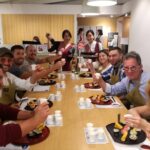
You eat what you make in the studio, so the class doubles as a meal. It is a generous part of a two-hour activity, though your appetite and the class’s exact menu will affect how filling it feels. Additional food and drinks are not included.
More Great Tours NearbyPrice, timing, and who gets the most from it
At $66 per person, this is a strong value if you want both a guided market visit and a hands-on cooking class. You are paying for an English-guided walk, an instructor, ingredients, tools, a wooden bento box, and the sushi you make. Add the market context and the two activities make better use of a short morning or afternoon than booking each separately.
The price does not cover shopping or extra food and drinks. If you like to sample widely or buy souvenirs, set aside extra money. The market walk is also only about an hour, so anyone hoping to browse at length should plan to return afterward. Several visitors have found it useful to revisit favorite shops once the guided portion ends.
The format suits first-time visitors to Tsukiji, families with children, couples, and solo visitors who would rather explore with a small group than navigate every stall alone. Children aged 3 to 9 have a child rate. Children aged 0 to 2 attend free without a separate seat or sushi-making session; book a child place if they want to make sushi.
The market walk group is capped at eight, but the class can include up to 20 people and may be shared with other groups. That difference is worth noting if you expect the whole experience to remain intimate. The market portion is the smaller, more personal part; the class is in a larger setting.
You can also read our reviews of more tours and experiences in Tokyo




Dietary needs and a few practical limits
The class uses raw fish, so this experience may not suit you if you avoid raw seafood. Vegetarian and vegan options are available, but tell the organizers about allergies and dietary needs by the day before. Same-day requests may not be accommodated.
Halal requests require advance discussion. The experience is not halal-certified, though the team may be able to accommodate some requests. Kosher requests also need consultation, so contact the provider before booking rather than assuming a suitable menu will be available.
The activity is listed as wheelchair accessible, but it includes about an hour of walking through market lanes. If you have specific mobility requirements, confirm that the current route will work for you. Pets are not allowed, although assistance dogs are permitted, and the activity is not suitable for people with a cold.
Should you book the Tsukiji Insider Tour and Sushi Class?
Book it if you want a brisk, well-rounded introduction to Tsukiji, enjoy learning by doing, and like the idea of eating a sushi bento you have made yourself. The strongest reasons to go are the local shop visits, the small-group market walk, and a class that gives you a tangible result rather than only a demonstration.
Skip it if you want hours to shop, prefer a quiet market visit, or do not want to eat raw fish. For most first-time visitors with two hours to spare, though, this is a useful way to meet Tsukiji’s people and food traditions, then sit down to make lunch.
Tsukiji Fish Market Insider Tour & Sushi Making Class
FAQ
How long does the experience take?
Allow about two hours: roughly one hour for the market walk and one hour for the sushi-making class, including time to eat your sushi.
How many pieces of sushi will I make?
You will make 10 pieces using ingredients that include tuna, salmon, and seasonal vegetables. The selection can also include inari sushi and a tuna roll.
Do I need cooking experience?
No. The class is designed for beginners, and the instructor demonstrates the steps and provides guidance.
Is the market walk a small group?
Yes. The walking tour is limited to eight people. The sushi class can have up to 20 people and may be shared with other groups.
Are vegetarian or vegan options available?
Yes. Vegetarian and vegan options are available. Tell the organizers about dietary needs and allergies by the day before, as same-day requests may not be accommodated.
Does the class include raw fish?
Yes. The class uses raw fish, and all sushi must be eaten on-site. Takeout is not allowed.
Can children join?
Yes. Children are welcome. Ages 3 to 9 have a child rate, while children aged 0 to 2 attend free without a separate seat or sushi-making experience. Book a child place if a child aged 0 to 2 wants to make sushi.
Are purchases or extra food included?
No. Personal market purchases and additional food or drinks are not included. Bring yen for shopping, since some stalls accept cash only.
You can check availability for your dates here: