Mount Fuji can hide behind cloud just when you reach the perfect photo spot. This 10-hour trip still gives you nine different ways to meet the mountain, from a quiet lakeshore and old spring-fed village to a straight street that points right at Fuji.
I like the contrast between Hirano Beach’s calm lake views and the old village lanes of Oshino Hakkai. I also like that the route mixes famous photo stops with time to walk, eat, and look around, rather than making every stop a quick bus-window view.
The trade-off is a packed day, with several hours on the road and limited time at each stop. And no tour can promise a clear view: cloud, rain, or haze may cover Fuji, even when the rest of the day goes smoothly.
- Hirano Beach is the quiet opening act: Lake Yamanaka’s gravel shore is known for Fuji reflections, with swans sometimes adding to the scene.
- Oshino Hakkai brings village life into the day: Walk among eight clear spring ponds fed by snowmelt from Mount Fuji, and find lunch nearby.
- Oishi Park changes with the season: Its 350-meter flower path features blooms such as tulips, lavender, and phlox at different times of year.
- The photo stops have different moods: Lawson’s Fuji-framed sign is modern and playful; Hikawa Clock Shop’s street feels like a scene from an older Japan.
- The price is unusually low: The listed introductory rate is $30 per person, but meals, paid activities, and personal costs are extra.
- The guide matters: English-speaking guides have included Zoe, Jason, Dale, Giulia, and Hiroshi, but your guide is assigned for your departure.
- Nine Fuji viewpoints in one long day
- Lake Yamanaka and the hush at Hirano Beach
- Oshino Hakkai’s clear springs and old village lanes
- Oishi Park’s seasonal flower path
- Lake Kawaguchi, Lawson, and a very Japanese photo stop
- Hikawa Clock Shop and the road to Fuji
- Arakurayama’s pagoda and shrine
- What the fare covers, and what it does not
- Guide, comfort, and the realities of a long ride
- Who should book this Fuji day trip?
- FAQ
- Where does the tour start and end?
- How long is the tour?
- Is an English-speaking guide included?
- Are meals included in the price?
- What does the fare include?
- Can I cancel or pay later?
- The Best Of Tokyo!
- More Tours in Tokyo
- More Tour Reviews in Tokyo
- Not for you? Here's more nearby things to do in Tokyo we have reviewed
Nine Fuji viewpoints in one long day
 1 / 5
 2 / 5
 3 / 5
 4 / 5
 5 / 5
This tour sets out from Tokyo Station’s Marunouchi North Exit and heads toward the Fuji Five Lakes area. The route covers nine named stops: Lake Yamanaka, Hirano Beach, Oshino Hakkai, Oishi Park, Lake Kawaguchi, Lawson Kawaguchiko Station, Hikawa Clock Shop, Arakurayama Sengen Park, and Arakura Fuji Sengen Shrine.
That variety is the main reason to choose an organized day trip. You see Fuji from water, village lanes, a park, and city streets, each giving the mountain a different frame. If you are visiting Japan for the first time, or have only one day to spend in the area, this is an efficient way to cover several familiar sights without planning a multi-stop route yourself.
Efficiency comes at a cost. You are on a fixed schedule, and the advertised 10 hours includes the return drive to Tokyo. The listed drive segments add up to about six hours, before traffic or delays. That leaves a busy day for sightseeing, so think of each stop as a taste of the area rather than a slow visit.
👉 See our pick of the 25 Best Guided Tours In Tokyo
Lake Yamanaka and the hush at Hirano Beach
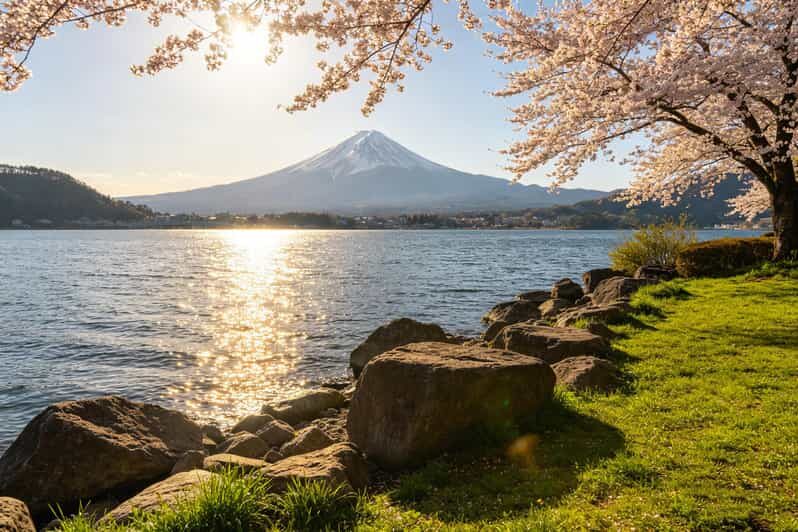
Lake Yamanaka is the largest of the Fuji Five Lakes and the first stop on the route. The lake’s broad surface can mirror Mount Fuji when conditions are calm. It is a promising start, but reflections depend on weather and water conditions, not the tour operator.
Hirano Beach, on the lake’s northern shore, is a gravel beach known for Fuji’s reflection. The quieter setting is part of its appeal, and swans may appear near the water. The best viewing time is described as a few hours after sunrise, though the exact departure time is not fixed here. Check the available start times before booking rather than assuming you will arrive at dawn.
I like that these two stops begin the day with open water and room to take in the view. They also show why Fuji days reward flexibility. Clear skies can make the mountain seem close enough to touch; low clouds can erase it. Bring the right expectations, and the lakeshore still gives you a peaceful change from Tokyo.
You can also read our reviews of more tours and experiences in Tokyo.


Oshino Hakkai’s clear springs and old village lanes
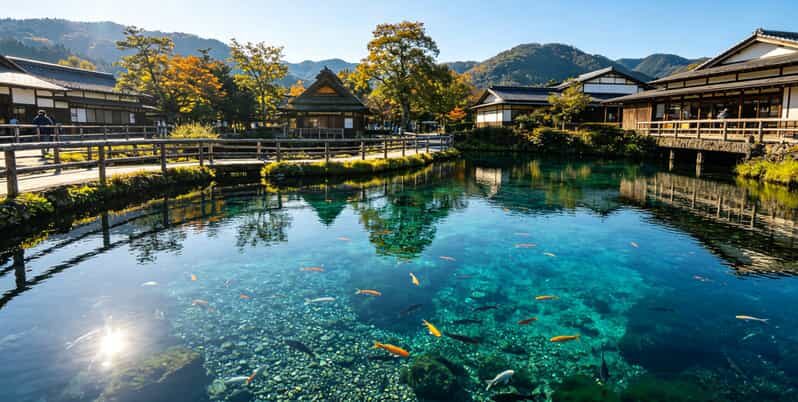
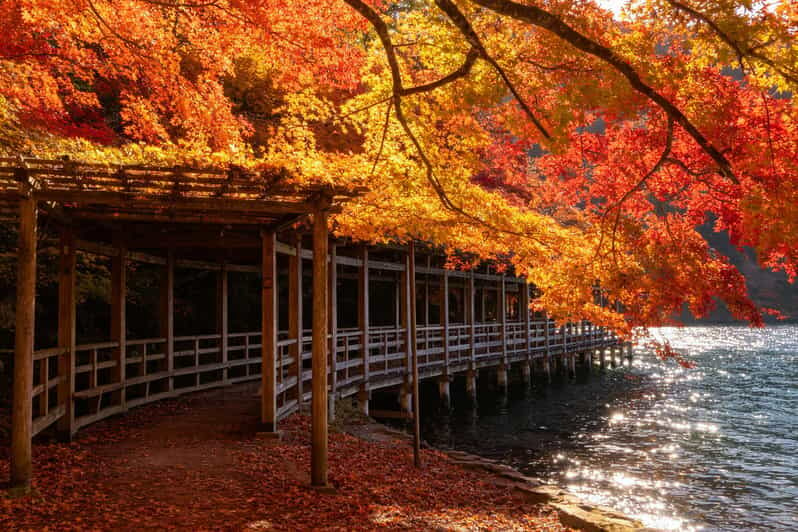
After roughly 20 minutes by road, you reach Oshino Hakkai, a village known for eight ponds fed by snowmelt from Mount Fuji. The water is remarkably clear, and the ponds sit among an old village setting. This stop adds more than another mountain backdrop: you can look at the spring water, wander the lanes, and take in seasonal foliage.
Lunch is not included in the tour price, but local food options are available. The stop includes time for a guided visit, food tasting, and free time, though the amount of time at each activity can vary with the day’s schedule. Keep a little money aside for a meal or snack, and do not count on lunch being covered by the $30 fare.
Oshino Hakkai is one of the day’s strongest contrasts. Instead of simply standing at a viewpoint, you get a sense of a settled village shaped by the water that comes down from the mountain. It is also a good place to pause after the first leg of the drive. If you want a long, unhurried meal, however, this tight itinerary may not leave room for one.
Oishi Park’s seasonal flower path
Oishi Park sits beside Lake Kawaguchi and has a 350-meter path lined with flowers that change through the seasons. Tulips, lavender, and phlox are among the blooms named for the park. With Mount Fuji behind the flowers, it offers one of the day’s classic landscape views, provided the mountain is visible.
The park is also a chance to stretch your legs and browse. Shopping and free time are part of the stop, but your visit is still one piece of a full-day route. The best flower display depends on when you go, so avoid booking around a particular bloom unless you have checked that it is in season during your dates.
Lake Kawaguchi, Lawson, and a very Japanese photo stop
Lake Kawaguchi is the second largest of the Fuji Five Lakes and the most accessible and popular. When the water is calm, Fuji may appear upside down in the lake, a sight often called inverted Fuji or double Fuji. The lakeside is also associated with inns, boating, sailing, walking, and cycling, though those activities are not included in this tour.
The route then stops at Lawson Kawaguchiko Station, where the convenience store’s sign and Mount Fuji make an instantly recognizable photo frame. You can also take a break or pick up an ice cream or snack. It is a distinctly modern stop, and a reminder that Fuji country is not all temples and untouched nature.
Treat Lawson as a quick photo opportunity, not a major cultural visit. Its appeal is the amusing contrast between an everyday shop and one of Japan’s most famous peaks. If you have seen the image online, this is your chance to make your own version, assuming the mountain is out.
More Great Tours NearbyHikawa Clock Shop and the road to Fuji
Hikawa Clock Shop is known for a retro Shōwa-era streetscape and a straight road that appears to lead directly toward Mount Fuji. Vintage-style lamps and shop signs give the street a nostalgic, manga-like look. The stop includes time to walk and shop, so you can take in the street rather than just snap a photo from the curb.
This is one of the more unusual viewpoints on the route. The mountain becomes part of an everyday town scene, framed by buildings and road markings instead of flowers or water. The view is especially dependent on visibility, and the spot may not match the polished images you have seen if Fuji is hidden or the street is busy.






Arakurayama’s pagoda and shrine
The final major viewpoints are Arakurayama Sengen Park and Arakura Fuji Sengen Shrine. The park’s observation area is famous for its view of Mount Fuji and the five-storied Chureito Pagoda. The shrine, founded in 705 AD, is dedicated to the goddess of Fuji. Spring and autumn are especially noted for the pagoda-and-mountain scene.
These stops bring the day to a more traditional close after the lakes, village, and modern photo locations. The park and shrine are separate stops, with time for photos and a guided visit. The route does not specify how long you will have at either one, so be ready to keep moving when it is time to return to the vehicle.
A practical caveat: this is a busy sequence, and a vehicle problem or traffic can affect the timing. One group reported a roughly 20-minute delay after a car-starting issue. Another found that an early delay meant clouds had covered Fuji by the time they reached the pagoda. That is not a regular outcome you can predict, but it is a reminder that the mountain and the clock both have a say.
What the $30 fare covers, and what it does not
At the listed $30 introductory price, the value is hard to ignore. The fare includes the vehicle, fuel, tolls, highway fees, and driver-guide service for the route. For a day that covers several destinations around Fuji and returns to Tokyo, that is a low-cost alternative to arranging transport and timing each stop independently.
The price is marked as a special discounted rate for a new activity and may end at any time. Use the current booking price when comparing options, rather than treating $30 as a guaranteed long-term fare. The tour also offers reserve-now, pay-later booking and full cancellation refunds up to 24 hours before departure.
Meals, accommodation, attraction entrance fees, optional paid activities, and personal expenses are not included. Children aged two and under can ride free if held on an adult’s lap without using a seat; children aged three and older pay the adult price. Vehicle size depends on the group: a small-group vehicle may serve one to 22 people, while a larger group may use a vehicle for 23 to 45.
Guide, comfort, and the realities of a long ride
The tour is offered with a live English guide, and guide quality can shape the day. Guides named on past departures include Giulia, Hiroshi, Dale, Zoe, and Jason. The assigned person varies, so do not book expecting a particular guide. Some have shared explanations and local suggestions; other comments point to uneven English communication or trouble hearing commentary. If you are unsure about meeting times, ask for them to be posted clearly in the group chat at each stop.
Transport also deserves a realistic look. Some groups have had a clean, comfortable vehicle with good air conditioning, while one report found the seats narrow and the ride stiff over bumps, especially in the back. The vehicle type can change with group size, so the ride may not feel identical on every departure. Dress in layers: one person found the bus cold, and mountain-area weather can differ from Tokyo’s.
The tour’s overall rating is 4.8 from 360 reviews, with particularly strong praise for friendly guides, the range of stops, and the price. There are also useful cautions about cloud cover, tight timing, occasional communication gaps, and vehicle comfort. That mix makes the high rating more meaningful: the route can be a good day out, but it cannot control the weather or make a packed schedule feel leisurely.
Who should book this Fuji day trip?
I would choose this tour if you want to see many of the area’s best-known Fuji photo spots in a single day, prefer having transport arranged, and are comfortable spending a good part of the day on the road. It suits first-time visitors, people on a short Tokyo stay, and anyone who values variety over a slow visit to just one lake or village.
I would look for a slower plan if you want long walks, extended time at each stop, or a particular seasonal flower display. And if seeing Fuji clearly is the sole reason for going, remember that weather can obscure the mountain all day. The tour gives you multiple viewpoints, not a guarantee of a view.
At the current introductory price, this is a strong-value way to cover a lot of ground. Book it for the range of places and the convenience, not for a perfect photograph on demand.
Mount Fuji 9 Iconic Spots Tour Oshino Hakkai Oishi Park
FAQ
Where does the tour start and end?
It starts and returns to Tokyo Station’s Marunouchi North Exit.
How long is the tour?
The tour lasts 10 hours. The itinerary includes several road transfers, including a return drive of about two and a half hours.
Is an English-speaking guide included?
Yes. The activity includes a live English guide and driver-guide service. The guide assigned to your departure may vary.
Are meals included in the price?
No. Meal costs are not included, although local lunch options are available at Oshino Hakkai.
What does the fare include?
It includes the vehicle service listed for the route, fuel, tolls, highway fees, and driver-guide service. Accommodation, meals, entrance fees, optional paid activities, and personal expenses are extra.
Can I cancel or pay later?
You can reserve now and pay later. You can cancel up to 24 hours in advance for a full refund.
You can check availability for your dates here: