In central Shibuya, you can trade an hour of shopping and screens for a block of wood, a few hand tools and a souvenir made by your own hands. This small-group workshop teaches you to shape, sand and finish chopsticks, then take home something useful rather than another factory-made keepsake.
I like two things in particular: you learn how wood, balance and tip shape affect chopsticks, and you can make the finished pair personal with a choice of wood, case and optional engraving. The instructors guide beginners step by step, so you need no carpentry experience.
The main caution is the price. The advertised fare is $11 per person, but the included wood selection is limited, and premium choices can add a substantial charge. Ask about the wood prices before you choose if you want to keep the total close to the base fare.
- The essentials at a glance
- A Shibuya pause with a purpose
- Choosing wood before picking up a tool
- Shaping and sanding your own pair
- Engraving, cases and the finished souvenir
- Friendly instruction in a small class
- Is the starting price good value?
- Who should book this workshop?
- FAQ
- How long does the workshop take?
- How close is it to Shibuya Crossing?
- What languages are available?
- Is wood included in the price?
- How much does personalized engraving cost?
- Is the workshop suitable for someone with a sawdust allergy?
- The Best Of Tokyo!
- More Tours in Tokyo
- More Tour Reviews in Tokyo
- Not for you? Here's more nearby things to do in Tokyo we have reviewed
The essentials at a glance
 1 / 8
 2 / 8
 3 / 8
 4 / 8
 5 / 8
 6 / 8
 7 / 8
 8 / 8
- Five minutes from Shibuya Crossing: A handy activity to fit between sightseeing stops in one of Tokyo’s best-known districts.
- A one-hour, hands-on process: Shape, sand and finish the wood, with guidance on Japanese chopstick design and how to use the finished pair.
- A small group, capped at eight: There’s room for individual help without turning the workshop into a private lesson.
- Wood choices can change the bill: Two seasonal wood options are included; eight additional options cost extra.
- Personal touches are available: Add engraving for ¥1,000 and choose from a variety of cases.
- A practical souvenir: You leave with chopsticks you helped make, not just a trinket to pack and forget.

👉 See our pick of the 25 Best Guided Tours In Tokyo
A Shibuya pause with a purpose
Shibuya can be a lot to take in: crowds, shops, signs and the famous crossing, all within a few blocks. This workshop offers a calmer kind of stop. You work at a measured pace, focus on a simple object, and learn a little about a familiar part of Japanese dining along the way.
Its location is useful if your day already includes Shibuya. The workshop is about five minutes from the crossing, so you can pair it with a walk through the neighborhood without setting aside half a day or making a long journey across town. It lasts an hour, though choosing wood, engraving and cases may make the visit feel a little fuller than the sanding itself.
The group limit of eight is a sensible fit for a craft class. You should have space to follow the demonstrations and ask for help as you go, while still sharing the room with other participants. It’s suited to solo visitors, couples, friends and families. Families have enjoyed making pairs together, though the activity information does not specify a minimum age, so check before booking with young children.
You can also read our reviews of more tours and experiences in Tokyo.



Choosing wood before picking up a tool
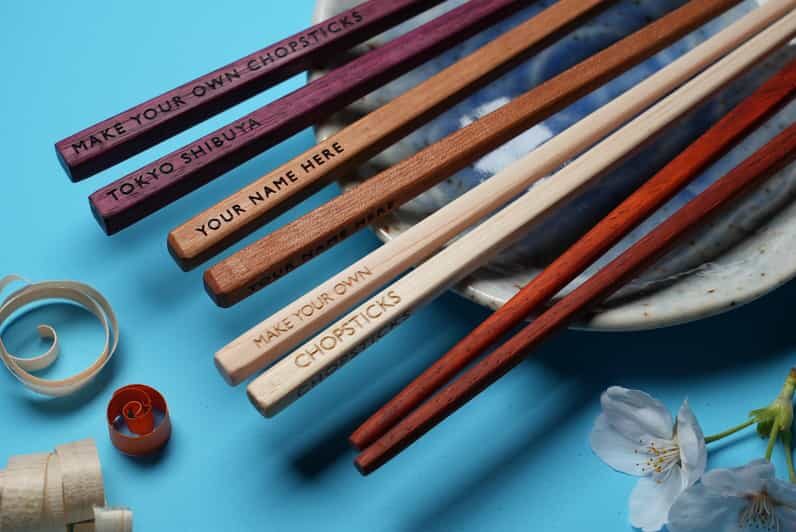
The first decision is the wood. Two seasonal options are included in the base activity, with eight additional choices available for an added fee. Different woods give you a chance to choose a look and feel that suits you, but the pricing deserves attention before you settle on a favorite.
One pair of participants paid ¥5,000 and ¥6,000 extra for higher-quality wood. That is a large jump from the $11 advertised starting price. The extra may be worthwhile if a particular wood matters to you, but it changes the value calculation: decide whether your priority is the craft itself or a more premium finished object.
I’d ask the instructor to explain which options are included and what each upgrade costs before making a choice. That’s especially useful if you’re booking with a partner or family, since a small upgrade per person can add up across a group. The staff are used to explaining the choices, and clear guidance is part of the appeal.
There is no need to arrive with a wood preference. You can compare the available options and ask how they differ. The activity description calls the included choices seasonal, so the selection may vary; don’t expect a particular species to be available on your date.
Shaping and sanding your own pair
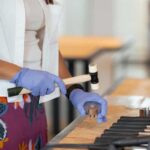
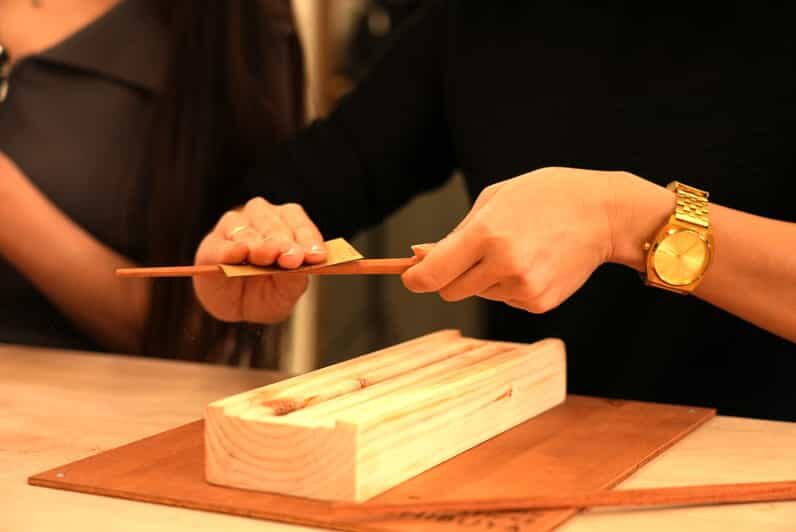
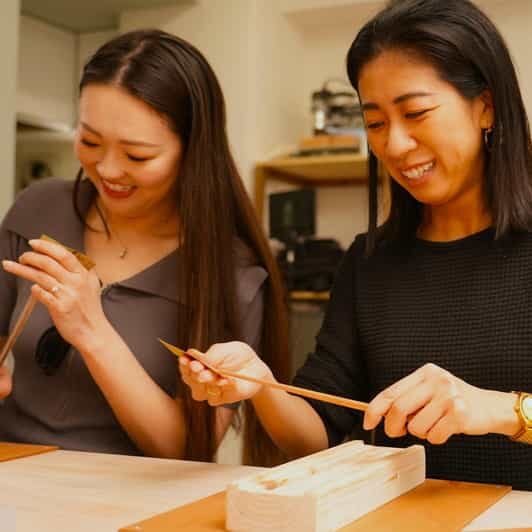
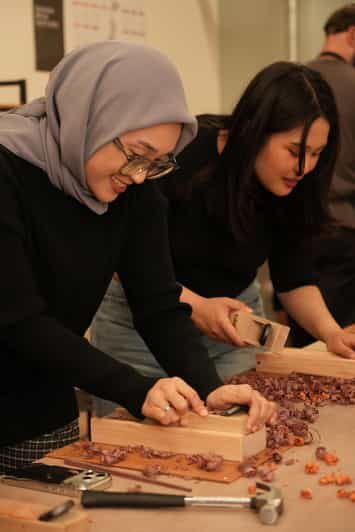
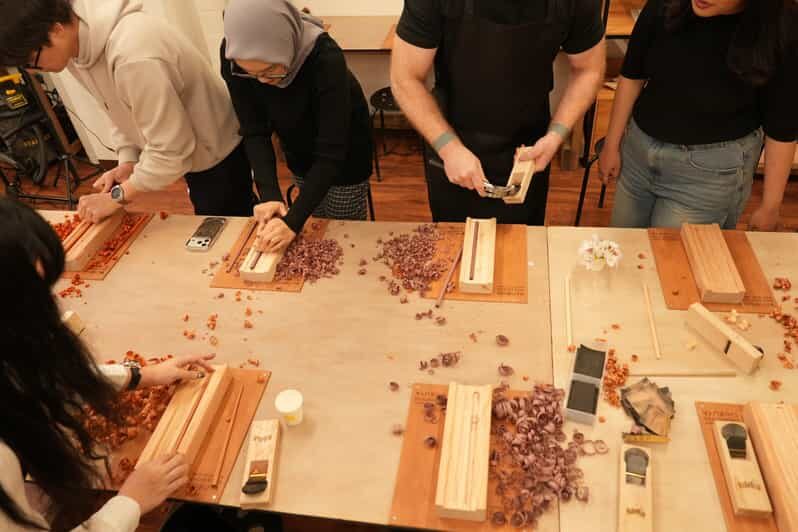
Once you have your wood, the workshop moves into making. Instructors guide you through shaping and sanding, helping you refine the tips and balance so the chopsticks suit your hands. The steps are approachable for beginners, and tools and materials are provided.
That hands-on work is the point. You’re not simply watching someone demonstrate a traditional object; you’re making adjustments yourself and seeing how small changes affect the shape. Sanding can be calming, but it also calls for patience. If you rush, the finished pair may not feel as even or comfortable as you’d like, so take the instructor’s advice and give the details your attention.
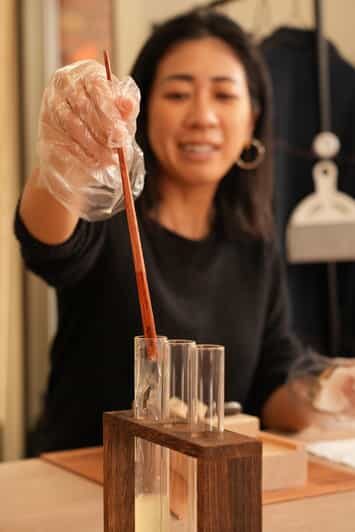
The process includes finishing the wood, with one participant describing shaving, sanding and waxing. That gives you a sense of the stages involved, although the exact method may depend on the workshop’s instructions and the wood you choose. Safety guidance is part of the session, and the team supports you throughout rather than leaving you to guess your way through the tools.
You don’t need to arrive knowing how to use chopsticks. The class also covers Japanese chopstick design and proper technique, and some participants have received a lesson in using their finished pair. It’s a useful addition: the craft makes more sense when you understand the object’s function, not just its appearance.
Engraving, cases and the finished souvenir
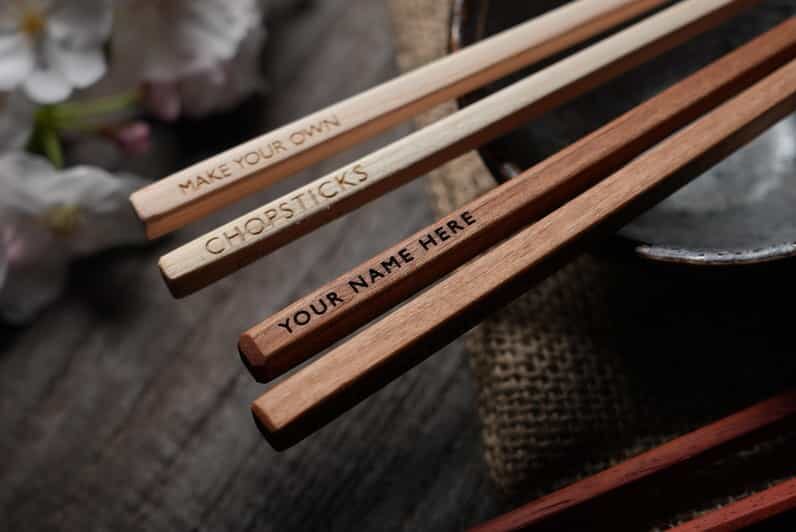
After shaping and finishing comes the fun of making the pair feel like yours. Personalized engraving is available for ¥1,000. A name or other short personal detail can turn a practical object into a gift or a reminder of the trip. The information does not specify character limits or engraving styles, so ask the instructor what is possible before deciding.
You can also choose from a variety of cases. The case options are a useful part of the customization, especially if you want the chopsticks protected for travel or are making a gift. The exact case prices and whether any are included are not specified, so check the cost before adding one.
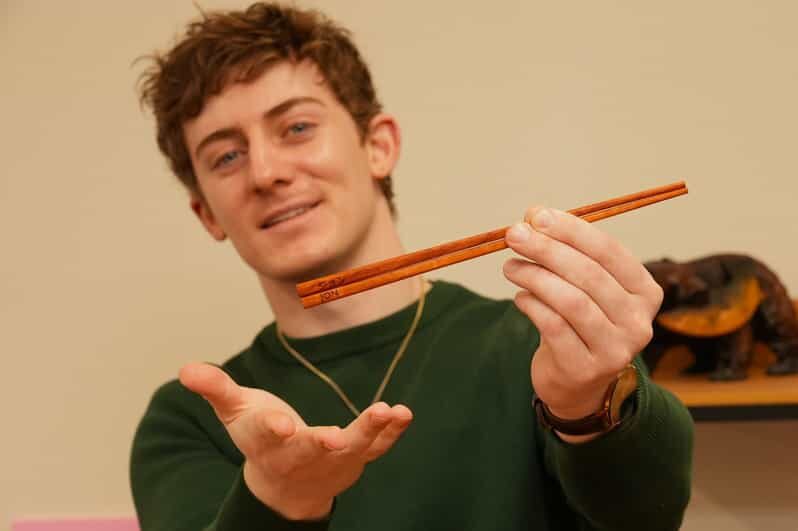
The finished chopsticks are a souvenir you can use at home. That’s a real advantage over many travel mementos, which look good for a week and then live in a drawer. You’ll also remember the making process, and the small imperfections that come with handwork are part of what makes a handmade object personal.
If you like the process, you may be able to make more than one pair. One participant described making two pairs each, but the workshop information does not promise this option or explain any extra charge. Ask the team if you’re interested in making a second set.
Friendly instruction in a small class
The instructors are locally trained in carpentry techniques and lead the process step by step. Their role matters: shaping and sanding are simple to describe but easier to learn when someone can show you the movement and help you correct it. The team has been praised for being patient, clear and good at explaining the available woods and techniques.
English and Japanese are listed as the instructor languages, and the activity highlights also advertise Spanish support. If language is important for your group, confirm what is available at your session when booking. A staff member named Ali has been warmly singled out by name, though instructors can vary.
The atmosphere sounds friendly and informal, without sacrificing safety or clear directions. That can make the class work for a mixed group: the craft is approachable, but there’s still enough detail to keep adults interested. It also makes this a good option for a birthday outing or a rainy-day plan, when you want to do more than duck into another shop.
The class is wheelchair accessible. It is not recommended for anyone with a sawdust allergy, an important point to consider before booking. The available information doesn’t give details about the workshop’s ventilation or dust controls, so anyone with a sensitivity should ask the provider directly.





Is the $11 starting price good value?
At $11 per person, the base price is an appealing way to try a guided craft activity in Shibuya. Materials and tools are provided, instruction is part of the session, and you take away a handmade item. Compared with buying a generic souvenir, the value comes from the hour of making as much as from the finished chopsticks.
But budget for the choices you make. Two seasonal woods are included, while eight others cost extra, and premium selections can add ¥5,000 or ¥6,000. Engraving costs ¥1,000. Case prices are not provided. Those extras could be worth paying for if you want a particular finish or a more personal gift, but they are not necessary to take part.
My practical advice is to set a maximum spend before you arrive and ask for the full price of each upgrade. If you’re happy with one of the included woods, the basic activity may be excellent value. If you have your heart set on a premium option, treat the advertised fare as a starting point, not the final total.
You can reserve and pay later, and cancellation is free up to 24 hours in advance for a full refund. Starting times depend on availability. Those terms make it easier to fit the workshop into a changing itinerary, but you’ll still want to check the available time that suits your day.
Who should book this workshop?
I’d recommend it if you want a short, hands-on cultural activity in central Tokyo and value a souvenir you can actually use. It suits couples and friends looking for something more personal than shopping, families who enjoy making things together, and solo visitors who like learning through practice.
It may be less appealing if you’re short on time, dislike fine handwork, or want a fixed-cost activity with no paid extras to consider. The process is deliberately hands-on, and the advertised price does not cover every wood choice or customization. If sawdust is a concern, this is not the right activity for you.
Book it if the making is as important to you as the keepsake. You’ll get a compact lesson in chopstick craft, supportive instruction and a personal object to take home. Just check the wood and case prices before you commit to an upgrade.
Tokyo: Make Your Own Chopsticks Shibuya
FAQ
How long does the workshop take?
The activity lasts one hour.
How close is it to Shibuya Crossing?
The workshop is about five minutes from the famous crossing.
What languages are available?
English and Japanese are listed for instructors. Spanish support is also advertised in the activity highlights, so confirm availability for your session if needed.
Is wood included in the price?
Two seasonal wood options are included. Eight additional options are available for an extra fee, which can be substantial for premium wood.
How much does personalized engraving cost?
Engraving is available for ¥1,000.
Is the workshop suitable for someone with a sawdust allergy?
No. The activity is not recommended for visitors with an allergy to sawdust.
You can check availability for your dates here: