A hill of blue nemophila by day, a torii gate above the Pacific at dusk, and illuminated wisteria after dark: this is an ambitious spring outing that strings three very different sights into one day from Tokyo. Its appeal is the contrast, and the fact that you can reach places that take more effort to combine by public transport.
I like two things in particular: the day-to-night sequence gives the flowers changing light, and a guide helps make short visits to large parks more manageable. Guides such as Matt, Leo, Elsa and Liu have led past departures, though the assigned guide varies.
The trade-off is time. The bus ride is long, each stop is tightly timed, and the torii visit may be dropped if the schedule runs late. Flower timing is another gamble: peak bloom shifts with the weather, and mid-May visits in 2026 found much of the wisteria and nemophila past its best.
At a glance
- Three distinct spring sights: Hitachi’s nemophila hill, Kamiiso’s coastal torii and Ashikaga’s wisteria garden.
- A 10.5-hour day: The stated schedule runs from 11:00 to about 21:30, with round-trip transport from Tokyo.
- Short park visits: You get two hours at Hitachi and about 90 minutes at Ashikaga, with time to explore on your own.
- Torii stop is not assured: Traffic or a late arrival can mean skipping Kamiiso-no-Torii.
- Tickets may cost extra: The package described here excludes admission to both parks; a ticket-included option is also offered.
- Bloom dates matter: The 2027 tour title and the detailed 2026 event dates do not match, so confirm the date and illumination schedule for the tour you plan to book.
- At a glance
- A spring route built around changing light
- Hitachi Seaside Park: blue hills, with a clock running
- Kamiiso-no-Torii: a beautiful stop that may disappear
- Ashikaga Flower Park: the evening finale, with a timing caveat
- The bus ride and guide make the day possible
- Who will get the most from this day trip
- Should you book this tour?
- FAQ
- How long is the tour?
- Where is the meeting point?
- Are admission tickets included?
- How much time do I get at each stop?
- Is the Kamiiso Torii stop guaranteed?
- Will the wisteria be in bloom?
- Can I bring luggage?
- Can I cancel or change my booking?
- More Tours in Ashikaga
- More Tour Reviews in Ashikaga
- Not for you? Here's more nearby things to do in Ashikaga we have reviewed
A spring route built around changing light

The route is designed as a visual progression. You see the pale-blue nemophila flowers in daylight, reach the torii by the sea later in the afternoon, then finish among Ashikaga’s wisteria under evening lights. That order makes sense for photography and gives the day a satisfying arc, if the timing and flowers cooperate.
This is a fixed-route group tour, not a private car. You share the vehicle with other passengers, follow the guide’s meeting times and cannot ask for unscheduled stops. Depending on the number of bookings, transport may be a small vehicle with a driver who also guides. In that setup, expect less commentary while the driver focuses on the road.
The price starts at $80.29, but that figure needs context. The standard package described here does not include admission to Hitachi Seaside Park or Ashikaga Flower Park. Meals, drinks and personal purchases are extra, too. A separate ticket-included package is offered, so compare the total cost of each option before booking rather than assuming the starting price covers entry.
The tour’s value is largely in its transport and coordination. Reaching the two flower parks and the coastal gate in one day by yourself would mean handling several connections and keeping a close eye on the clock. Here, you can leave the driving and route planning to the operator. The flip side is that you surrender flexibility: when traffic eats into the schedule, the guide has to make hard choices.
You can also read our reviews of more tours and experiences in Ashikaga.


Hitachi Seaside Park: blue hills, with a clock running
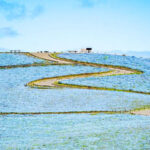
The first major stop is Hitachi Seaside Park, scheduled for 13:00 and lasting two hours. The park is best known in spring for Miharashi Hill, where about 4.5 million nemophila flowers can turn the slopes sky blue. On a clear day, the blue flowers, sky and distant coast create the striking view that gives this tour much of its appeal.
Two hours is enough to head for the famous hill, take photos and perhaps find food, but it is not enough to explore every corner at an easy pace. The park is large, and people who want to see several of its main areas may feel rushed. I’d make the hill your first priority, then use any remaining time for a meal or another nearby section.
Food is available in the park at your own expense. Keep an eye on the meeting time, and do not assume you can fit in a leisurely lunch and a broad tour of the grounds. The guide may give you a map and point out which areas are worth prioritizing; guides on past trips have used maps and practical directions to help people make the most of their limited time.
Bloom conditions are the biggest variable. The flowers may bloom earlier or later depending on the year’s weather. In 2026, late-April and early-May departures could see strong displays, while some mid-May visitors found only a small patch of nemophila remaining. A date in the advertised season is no guarantee of a blue hill at its peak.
Kamiiso-no-Torii: a beautiful stop that may disappear
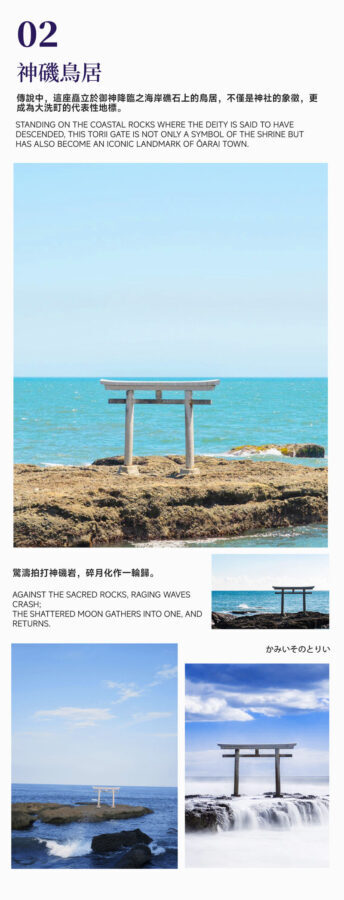
The next planned stop is Kamiiso-no-Torii, set on rocks by the Pacific. The white gate against the sea is a different kind of spring view from the flower parks, and the tour aims to arrive around 15:30 for a 30-minute visit. The waves crashing against the rocks can add drama, though sea conditions and light are beyond the tour operator’s control.
The short stop is enough for a look and some photographs, not a long coastal visit. More important, this stop is conditional. The schedule notes that it may be canceled if the group reaches Hitachi Seaside Park at 13:00 or later. Since the listed schedule itself places the park visit at 13:00, you should treat the torii as a possibility, not a promise.
Traffic is a recurring concern on this route, especially during busy spring dates and holidays. Past tours have had to skip the gate when delays mounted. The guide may adjust the order or remove a stop to keep the day moving. If seeing Kamiiso is a must for you, ask the operator how likely it is to be included on your date, and consider whether you would still be satisfied with the two flower parks alone.
Ashikaga Flower Park: the evening finale, with a timing caveat
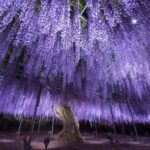
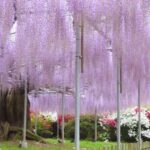
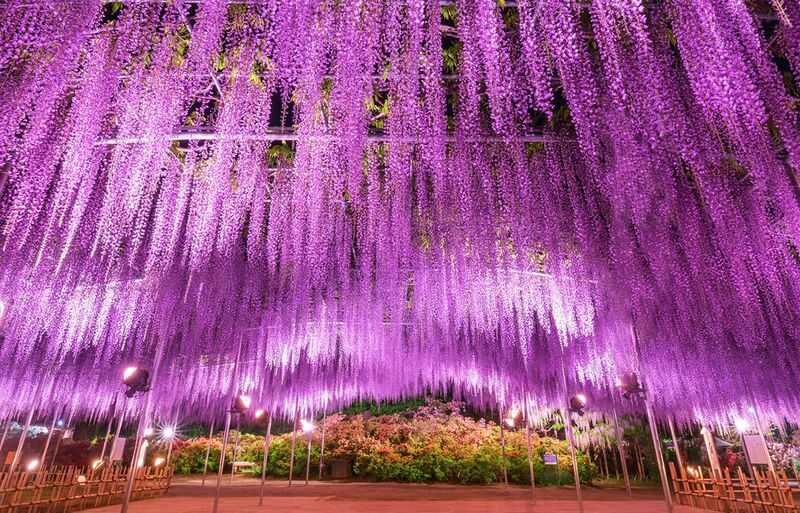
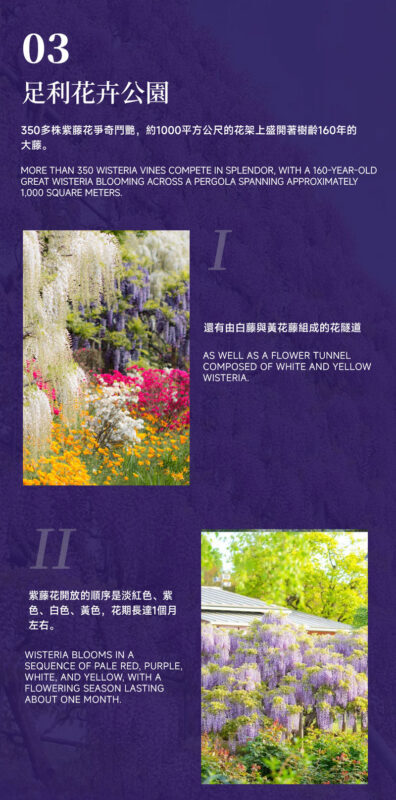
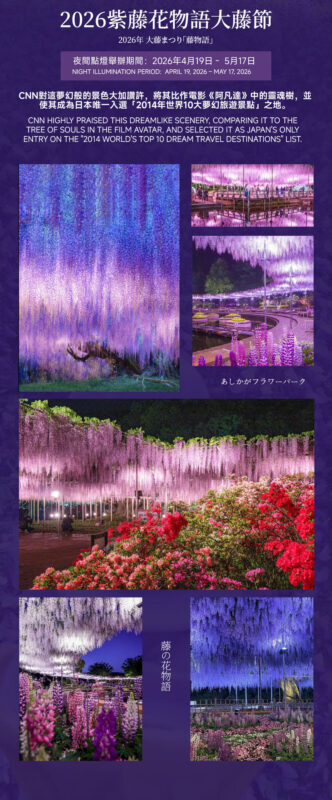
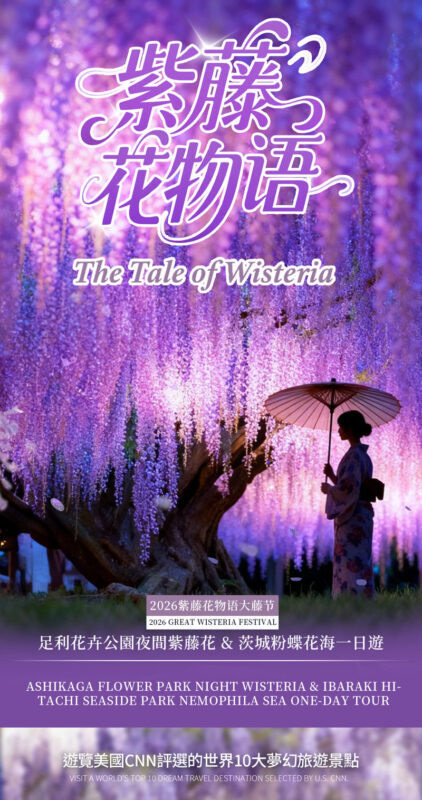
Ashikaga Flower Park is the final major stop, scheduled for about 18:00 to 19:30. Its old wisteria, flower tunnels and reflections on water are the draw, especially during the spring illumination. The park’s great wisteria is described as more than 160 years old, and its large hanging branches are among the garden’s signature sights.
The schedule allocates about 90 minutes for the park. That is enough to see key areas and take photographs, but it can feel brief if you also want to eat, browse or pause for the lights to deepen. A few past visitors found that their departure came before they could see the full illumination in darkness. One tour account describes leaving around 18:00, while the stated schedule gives a later visit; actual timing can vary, so do not assume you will get a long night viewing.
There is also a date discrepancy worth sorting out. The tour title refers to a 2027 limited night wisteria festival, while the detailed park information names the 2026 Wisteria Story event and gives illumination dates of April 18 to May 20, 2026. Those dates are not a reliable guide to a 2027 departure. Confirm the event dates, expected park arrival and time of departure for your chosen tour before paying, especially if the night lights are your main reason for going.
The flowers are not guaranteed to be at their best, either. In 2026, some visitors in mid-May found the wisteria largely finished, while others still enjoyed roses and other flowers in the park. The garden remains worth seeing for its broader plantings, but if your heart is set on cascades of wisteria, choose your date carefully and accept that bloom forecasts can change.
The bus ride and guide make the day possible
The advertised tour runs from 11:00 to about 21:30, including the return to Tokyo. The itinerary estimates about two hours by bus on the return leg; traffic can lengthen the day, and the actual arrival time is not fixed. Avoid booking another activity that evening, and leave extra room if you have a flight or other time-sensitive plan.
The meeting point is under the BEAMS sign at Tokyo Shin-Marunouchi Building. Arrive at least 10 minutes early. The operator says late arrivals and no-shows are not refundable, and the guide may not contact you ahead of time. Vehicle and guide details are due by email between 16:00 and 22:00 Japan time on the day before departure, so check your inbox that evening.
Guide quality can make a real difference on a schedule this tight. Past departures have had guides named Matt, Leo, Elsa and Liu. Their assignments are not fixed, but the practical strengths reported across trips include clear meeting instructions, park maps, suggestions for where to head first and reminders about how to return to the bus. Some have also shared background on the places along the route. Do not book expecting a particular guide, but do expect the guide to help keep the group on time.
Transport is included, along with tolls, parking and fuel. One piece of luggage per person is free; extra pieces cost ¥2,000 each and should be declared when booking. Eating and drinking in the vehicle are not allowed. There are no child seats, and children aged four and up pay the adult rate. Children aged zero to three can join free if they do not need their own seat.
You can also read our reviews of more tours and experiences in Ashikaga
Who will get the most from this day trip
This tour suits you if you want to see several famous spring sights without planning a complicated route, and you are comfortable with a long day and short visits. It is particularly appealing to first-time visitors to the region, photographers who like changing light and families who want transport handled for them. Past families have appreciated having the bus and guide organize the day.
It is less suitable if you want a slow park visit, need guaranteed access to every stop or are traveling mainly for peak wisteria. You may also prefer to make your own plans if you want to stay at Ashikaga until the illumination is fully dark. Leaving the group means giving up the remaining tour service, and no refund is provided, so that is not a casual workaround.
Before booking, check three things: the flowering outlook for your date, whether admission is included in your package, and the expected arrival and departure times at Ashikaga. Also confirm the status of the torii stop. Those details matter more here than the headline price.
Should you book this tour?
Book it if the appeal is three spring sights in one day with the transport taken care of, and you can accept that traffic and bloom timing may change the plan. The guides’ practical help and the chance to combine two distant flower parks make the tour useful, even when you have to move quickly.
Skip it, or choose a more flexible plan, if you need peak flowers, a guaranteed torii visit or a full evening under Ashikaga’s lights. This is a well-shaped day out when the timing works, but spring bloom is no clockwork show.
Spring Limited: Ashikaga Flower Park Night Wisteria & Hitachi Seaside Park Baby Blue Eyes & Kamisukisa Torii Archway Day Trip | Departure from Tokyo
“Able to go to two places in one day and Hitachi Seaside in Ibaraki and Ashikaga Flower Farm. How i wish we visit earlier for Westeria blooms. Very…”
FAQ
How long is the tour?
The stated duration is about 10.5 hours. Departure is at 11:00, with a return to Tokyo scheduled for around 21:30. Traffic and weather can change the timing.
Where is the meeting point?
Meet under the BEAMS sign at Tokyo Shin-Marunouchi Building. Arrive at least 10 minutes before the 11:00 departure.
Are admission tickets included?
The package described here excludes admission to Hitachi Seaside Park and Ashikaga Flower Park. A separate option with admission included is available, so check the package name and details when booking.
How much time do I get at each stop?
The planned visit is two hours at Hitachi Seaside Park, 30 minutes at Kamiiso-no-Torii and 90 minutes at Ashikaga Flower Park. Traffic or other conditions may change the schedule.
Is the Kamiiso Torii stop guaranteed?
No. The stop may be canceled if the group arrives at Hitachi Seaside Park at 13:00 or later, and traffic can also affect the route.
Will the wisteria be in bloom?
Flowering depends on the weather and can run early or late. The tour information warns that bloom conditions may vary, and fees are not refunded if flowers have passed their peak.
Can I bring luggage?
Each passenger can bring one piece of luggage free. Extra pieces cost ¥2,000 each and should be declared when booking. The operator may refuse luggage that exceeds the vehicle’s capacity.
Can I cancel or change my booking?
A full refund is available if you cancel at least 24 hours before the activity date, based on local time. Changes are allowed until 24 hours before the activity, subject to the stated exceptions for certain bookings.