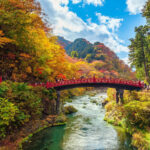
Nikko packs a remarkable change of scene into a day from Tokyo: ornate Toshogu Shrine, a twisting mountain road, a high-altitude lake and a 99-meter waterfall. The tour handles the long drive and the mountain route for you, so you can focus on the sights instead of coordinating trains and local connections.
I like the combination of Toshogu’s intricate architecture and the open views around Lake Chuzenji and Kegon Falls. I also like that the shrine visit is self-guided, giving you room to linger over details that catch your eye rather than follow a guide in a tight line.
The trade-off is time. Toshogu gets about three hours, while the lake gets 30 minutes and the falls 50, and the schedule can shift with traffic or weather. Bring a plan for lunch, keep an eye on the clock, and expect a full day rather than a leisurely one.
- What to know before you book
- A Tokyo day trip with a real change of pace
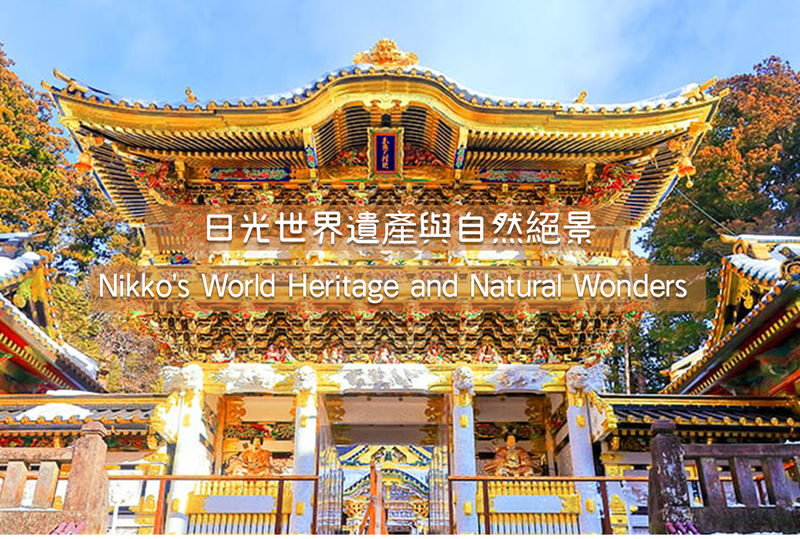
- Toshogu Shrine: give the details time
- Irohazaka: a scenic road, not a stop
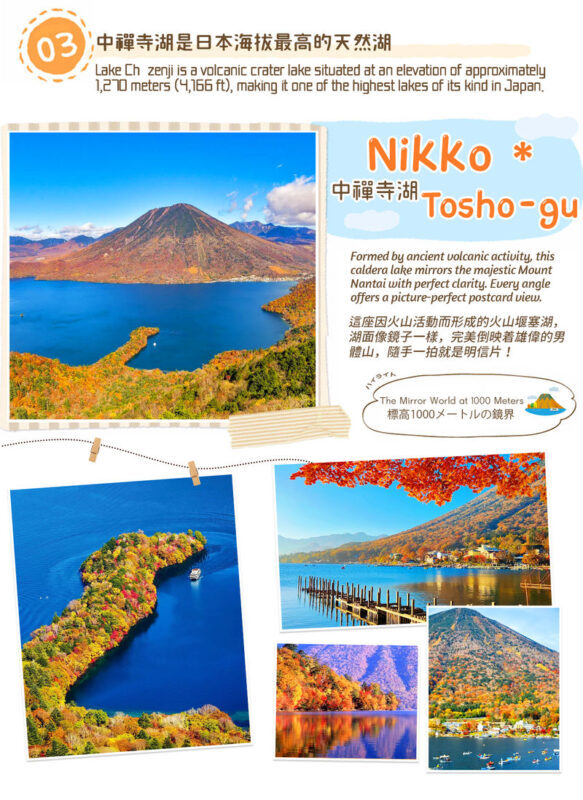
- Lake Chuzenji: a short pause in the mountains
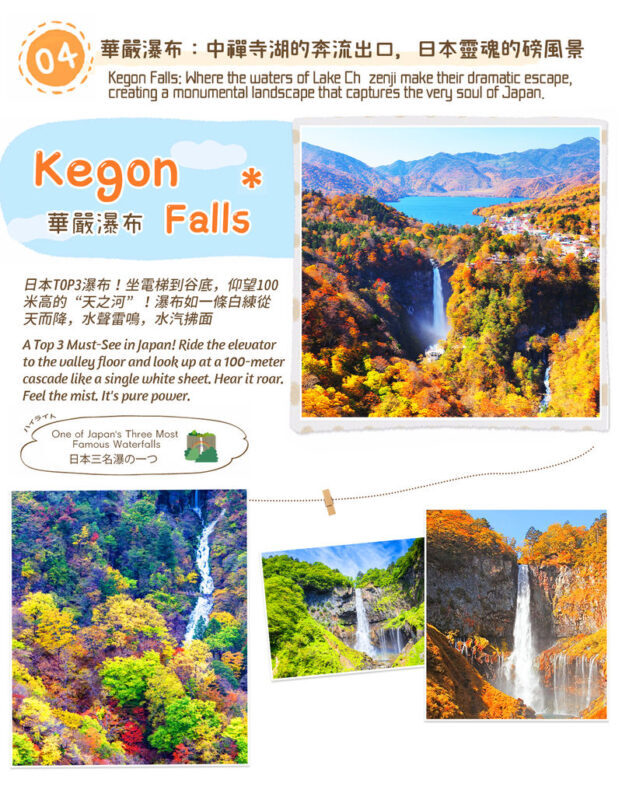
- Kegon Falls: the day’s dramatic finish
- The long ride, guide and group rhythm
- Is this Nikko day trip right for you?
- FAQ
- How long does the tour last?
- What time does the tour leave Tokyo?
- Is admission to Toshogu Shrine included?
- Are meals included?
- Does the tour stop at the Akechidaira Ropeway?
- Is the waterfall observation elevator included?
- Can I bring luggage or a young child?
- The Best Of Nikko!
- More Tours in Nikko
- More Tour Reviews in Nikko
- Not for you? Here's more nearby things to do in Nikko we have reviewed
What to know before you book
 1 / 6
 2 / 6
 3 / 6
 4 / 6
 5 / 6
 6 / 6
- Toshogu is the main event: You have roughly three hours there, including time to find and pay for lunch. Shrine admission costs extra.
- Irohazaka is a drive-through highlight: You see the famous curves from the vehicle, with no scheduled stop to get out.
- Lake time is brief: The stop is about 30 minutes, enough for a short walk and a look at the water, not a full lakeside outing.
- Kegon Falls gets about 50 minutes: The waterfall is 99 meters high. The observation elevator fee is not included.
- Guides vary by departure: Recent tour leaders have included Dale, Yuma, Ko and Jeffrey. Commentary is multilingual, but may be brief, especially if the driver is also guiding.
- Plan for a long, changeable day: The outing lasts about 10.5 hours, with traffic, crowds and weather able to affect the schedule.

👉 See our pick of the 3 Best Historical Tours In Nikko
A Tokyo day trip with a real change of pace
Nikko lies in Tochigi Prefecture, beyond Tokyo’s urban sprawl. This trip pairs a major shrine with mountain scenery, and that variety is its strongest point. You get a concentrated introduction to the area without arranging multiple train and bus legs yourself.
The price starts at $53.69, which can be good value if you want transport to several separated sights in one day. But the ticket price is not the whole cost. Toshogu admission, meals and the waterfall observation elevator are extra, and your free time is limited. Think of the tour as a transport-and-route solution, not an all-inclusive day.
You travel in a shared group, with a stated size range of four to 48. If fewer people join, the operator may use a smaller vehicle, with the driver also acting as guide. That can mean a more flexible pace, but less commentary while you are on the road. The service is multilingual, with Chinese, English and Japanese listed; the guide may speak in two languages or use simpler multilingual explanations.
You can also read our reviews of more tours and experiences in Nikko.

Toshogu Shrine: give the details time
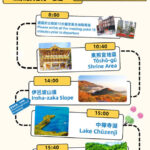
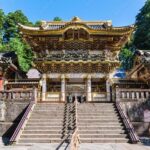
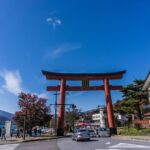
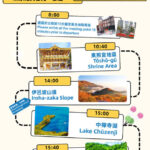
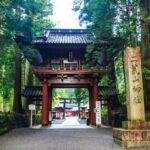
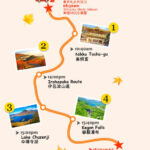
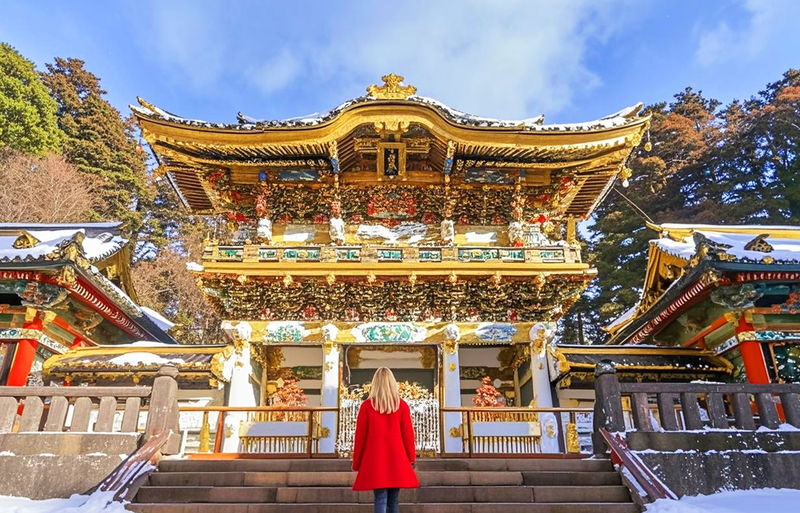
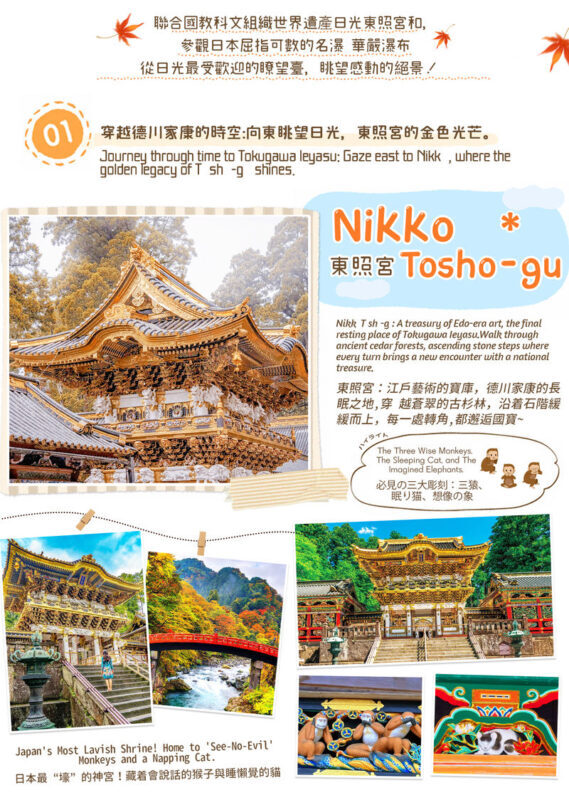
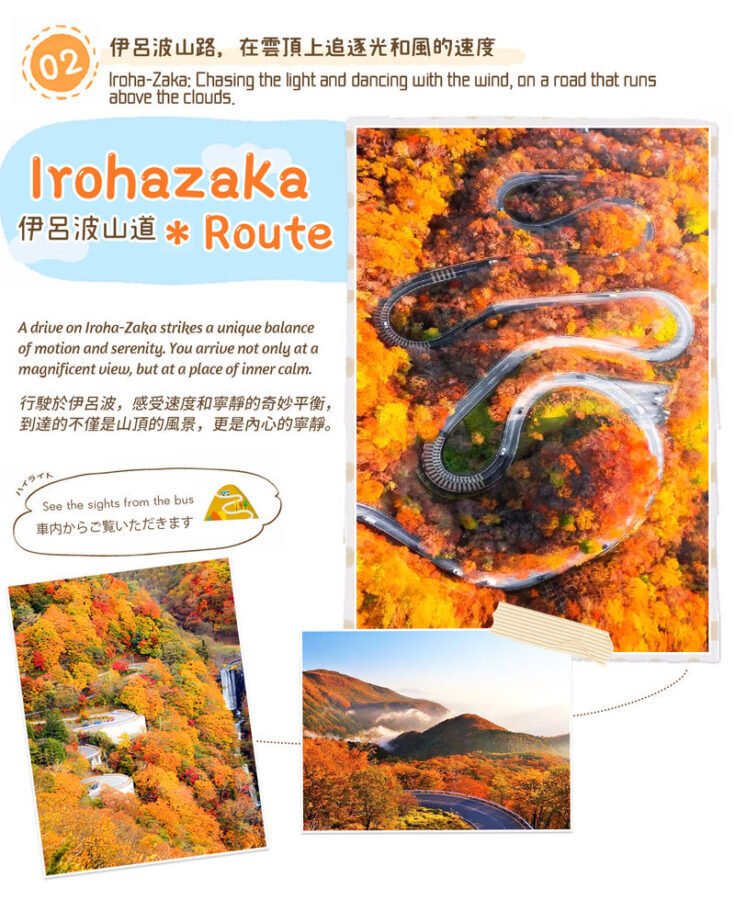
The schedule places you at Toshogu at about 10:40, with around three hours for the shrine and lunch. Built for Tokugawa Ieyasu, the shrine dates to the early 17th century. Its appeal is not just age: the decorative work and layered buildings reward a slow look.
You explore independently, so a little preparation helps. Decide before you enter whether you want to focus on the main shrine grounds, take your time with the carvings and buildings, or include a meal nearby. The admission fee is not included: the stated reference prices are 1,600 yen for adults and 550 yen for junior high and elementary school students.
Three hours sounds generous beside the later stops, but it includes lunch at your own expense. A few people may feel the time is still weighted too heavily toward the shrine, especially if they would rather walk by the lake. Others can happily spend most of the morning tracing details around the grounds. Your best approach is to arrive with a rough plan and leave room for discovery.
The tour guide’s briefing can make the shrine easier to approach. Guides such as Yuma, Dale, Ko and Jeffrey have been praised for clear instructions and historical context, but the amount of commentary is not guaranteed. Once you are at the shrine, you are on your own. If you want a structured visit, note a few features to look for in advance rather than assuming the guide will accompany you through the grounds.
Irohazaka: a scenic road, not a stop
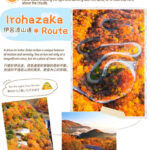
After Toshogu, the tour follows Irohazaka, a winding section of National Route 120 that climbs toward Lake Chuzenji. The road is known for its curves and autumn color. In this itinerary, you view it from the vehicle and do not get out for photos or a walk.
That distinction matters. The drive gives you a sense of the mountain route and its changing scenery, but it is not a dedicated viewpoint visit. If you were expecting a stop at Akechidaira Ropeway, note that the scheduled route provided for this tour does not list a ropeway ride or stop. The overview mentions the ropeway, but the actual stops are Toshogu, Irohazaka viewed from the vehicle, the lake and the falls.
In autumn, the departure is earlier: 07:00 from Tokyo Station Marunouchi North Exit or 07:30 from Tokyo Mode Gakuen, from October 15 through November 30. On other dates, departures are 08:00 and 08:30 respectively. The earlier start is meant to help with the busy season, but it is still wise to expect road delays. The scenery can be especially appealing in fall, though leaf color depends on the season and weather.
Lake Chuzenji: a short pause in the mountains
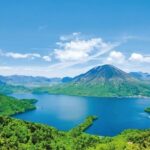
The bus reaches Lake Chuzenji at about 15:00, with around 30 minutes to explore independently. The lake is described as Japan’s highest natural lake and changes character with the seasons: spring azaleas, summer greenery, autumn leaves and winter snow.
Half an hour is enough to step out, take in the view and stretch your legs. It is not enough for an extended walk or a slow meal by the water, so treat this as a scenic pause rather than the day’s main outing. If the lake is the part you are most eager to explore, the schedule may feel tight. One practical choice is to use your shrine time efficiently so you are not trying to squeeze in lunch at the last minute.
Weather has a big effect here. Rain or fog can soften or obscure the mountain views, and the schedule may change when conditions are poor. Bring a rain layer if the forecast calls for it, and keep expectations flexible: a gray day can still make for a pleasant visit, but it may not deliver the clear views you hoped for.
Kegon Falls: the day’s dramatic finish
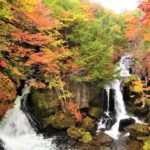
At about 15:40, you get around 50 minutes at Kegon Falls. Water from Lake Chuzenji flows into the Oshiri River and over a 99-meter drop. It is one of Japan’s three great waterfalls, and the combination of falling water and surrounding mountains makes this a strong final stop.
You can use the time for photos and to take in the falls from the available viewing area. An observation elevator fee is not included, so budget separately if you plan to use it. The schedule does not give a price for that fee.
Fog can hide parts of the view, and weather may affect the experience. Still, the falls are a compelling stop even within a short visit. Keep track of the meeting time, since the group continues together and cannot make unscheduled stops along the route.


The long ride, guide and group rhythm
The full day runs roughly from morning departure to an evening return. The return is listed between 18:30 and 20:00, but the actual arrival depends on traffic and how the day unfolds. Avoid booking evening plans that require a fixed arrival time. A delayed return is possible, particularly on holidays or during busy autumn weekends.
A guide can make a big difference on a day with several stops and a shared timetable. Recent departures have been led by people including Dale, Yuma, Ko and Jeffrey. Some have been praised for helpful directions, history and smooth timekeeping. The amount of explanation can vary, though, and some departures have had brief or less clear commentary. Consider the guide a useful source of context, not a substitute for your own planning.
A few practical habits help. Check your email between 16:00 and 22:00 Japan time the day before departure for the latest guide and vehicle details. Arrive at the meeting point at least 10 minutes early; late arrivals are treated as forfeiting the tour without a refund. The meeting points are Tokyo Station’s Marunouchi North Exit and the Shinjuku Mode Gakuen area, with the exact option depending on the package you book. Follow the instructions for your selected pickup point carefully.
There is no lunch included, and some days may leave little time to eat if you use the full shrine stop for sightseeing. Bring a snack for before or after the tour, and plan to buy lunch during your Toshogu visit. Food and drink are not allowed inside the vehicle.
Each person can bring one piece of luggage free. Extra pieces cost 2,000 yen each, payable on site, and should be declared when booking. Child seats are not available. Children aged three and older pay the adult rate; children under three can join free if they do not need their own seat. The tour requires at least four participants, and if that minimum is not met, you can choose another date or request a full refund.
Is this Nikko day trip right for you?
Book it if you want to see Toshogu, Lake Chuzenji and Kegon Falls in one day without working out the transport connections yourself. It suits first-time visitors to Nikko, people on a short Tokyo stay, and anyone happy to trade a slower visit for a broad sampling of the area.
Choose another plan if you want a long walk around the lake, a leisurely shrine visit, a guaranteed ropeway ride or a fully guided tour at every stop. This is a shared bus outing with self-guided sightseeing and a firm timetable. Its value lies in connecting the major sights efficiently, not in giving you unlimited time at each one.
Tokyo to Nikko Day Tour | Tosho-gu Shrine & Irohazaka Slope & Lake Chuzenji & Kegon Falls Day Tour (Departing from Tokyo)
“The tour was amazing. Loved all the sights we got to see. And our guide Dale made sure that we were comfortable and told much about the places that…”
FAQ
How long does the tour last?
The activity is listed as 10.5 hours. The return to Tokyo is expected between 18:30 and 20:00, but traffic and weather can change the actual arrival time.
What time does the tour leave Tokyo?
From October 15 through November 30, departure is at 07:00 from Tokyo Station Marunouchi North Exit or 07:30 from Tokyo Mode Gakuen. On other dates, those times are 08:00 and 08:30.
Is admission to Toshogu Shrine included?
No. The stated reference fee is 1,600 yen for adults and 550 yen for junior high and elementary school students.
Are meals included?
No. Meals and drinks are at your own expense. The Toshogu stop includes time for lunch, but the tour does not provide it.
Does the tour stop at the Akechidaira Ropeway?
The scheduled stops do not include a ropeway visit. Irohazaka is viewed from the vehicle, with no scheduled stop to get out.
Is the waterfall observation elevator included?
No. The observation elevator fee is listed as an extra cost.
Can I bring luggage or a young child?
Each passenger may bring one piece of luggage free of charge. Extra pieces cost 2,000 yen each and should be declared in advance. Children aged zero to two can join free if they do not occupy a separate seat; child seats are not available.