Nikko packs a striking contrast into one long day: the carved splendor of Toshogu Shrine, the rush of Kegon Falls and the quiet edge of Lake Chuzenji. I like that round-trip coach transport takes the strain out of reaching these spread-out sights, and I like having a guide to explain the shrine’s history and help you use your time well.
The main trade-off is the schedule. You’ll spend several hours on the road, and the lake stop is short, so this works best if you want a broad first look at Nikko rather than a slow, independent visit. Also check which Toshogu ticket option you are booking: admission is not included in the lower-priced package.
- Nikko in a day: the highlights
- Leaving Tokyo for Nikko
- Shinkyo Bridge, a glimpse rather than a stop
- Toshogu Shrine, the day’s cultural center
- Kegon Falls, with room for lunch
- Lake Chuzenji, a short pause by the water
- A bilingual guide can add meaning, with one caveat
- What the price covers, and what it does not
- Practical details that make the day easier
- Who should book this Nikko day trip?
- FAQ
- How long is the drive from Tokyo to Nikko?
- Where does the tour depart from?
- Is admission to Toshogu Shrine included?
- Is lunch included?
- What happens at Kegon Falls and Lake Chuzenji in January and February?
- Is the tour wheelchair-accessible?
- The Best Of Nikko!
- More Tours in Nikko
- More Tour Reviews in Nikko
- Not for you? Here's more nearby things to do in Nikko we have reviewed
Nikko in a day: the highlights
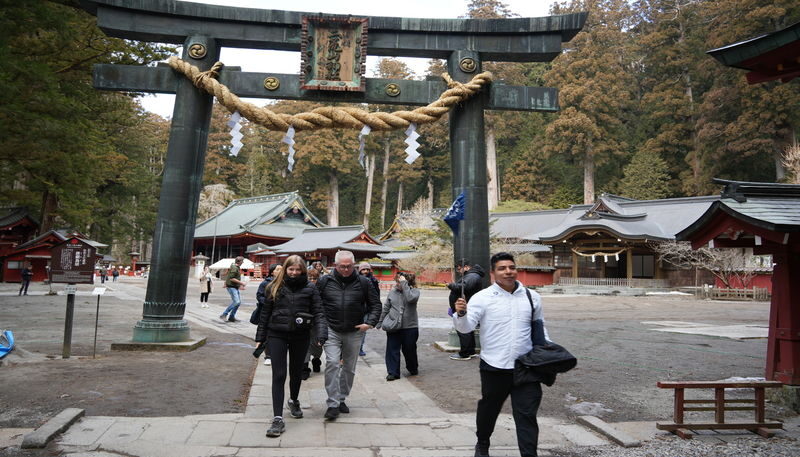
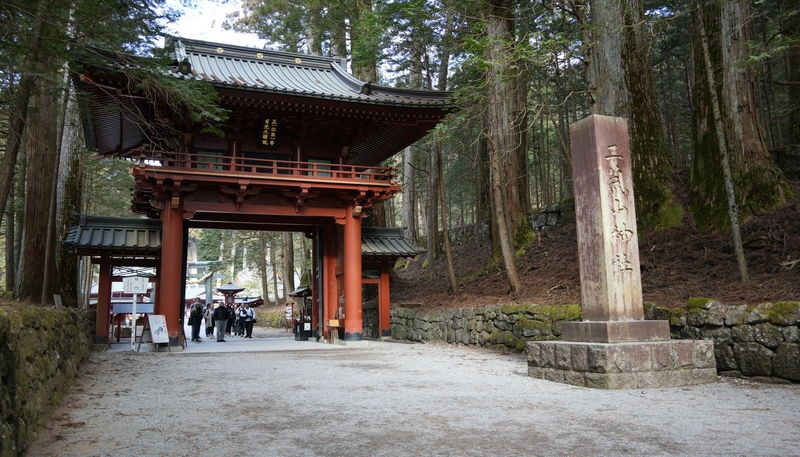
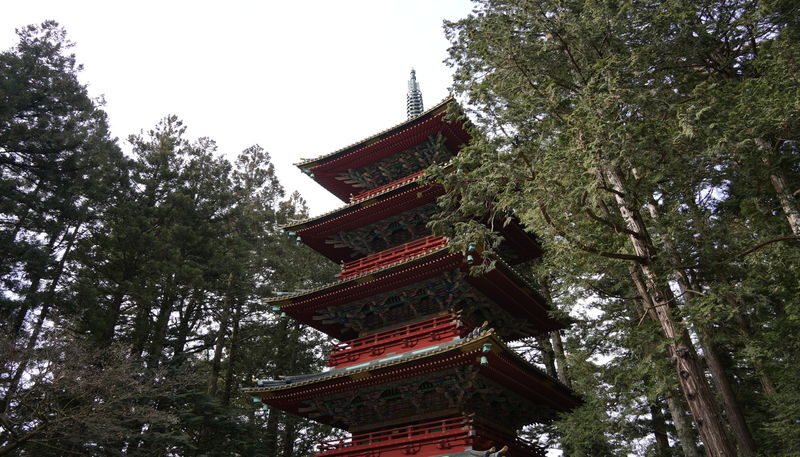
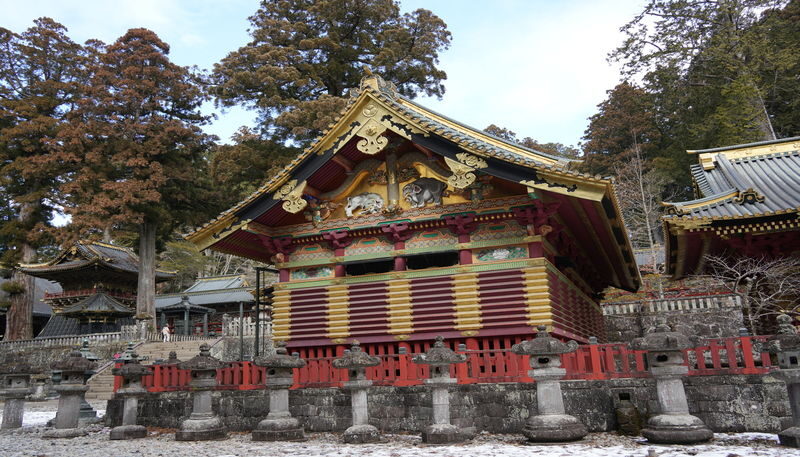
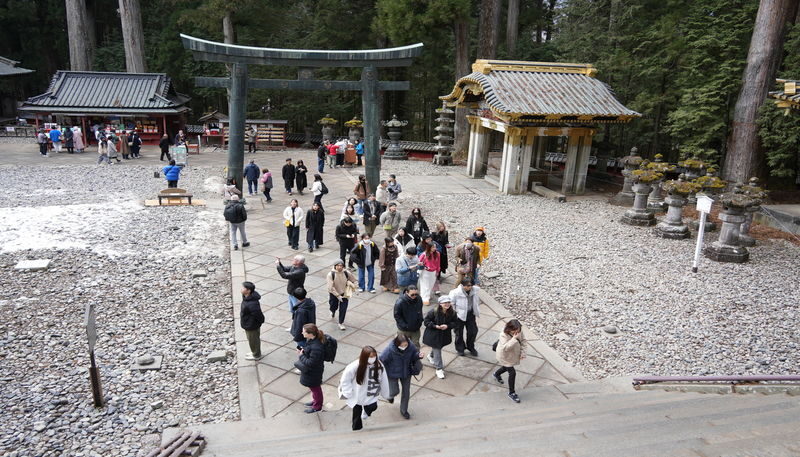
- Toshogu Shrine gets the longest stop: You have about two and a half hours for the guided visit, but admission is included only with the ticket package.
- Shinkyo Bridge is a view from the bus: It is a famous sight, but the schedule does not list a separate stop to walk across or photograph it up close.
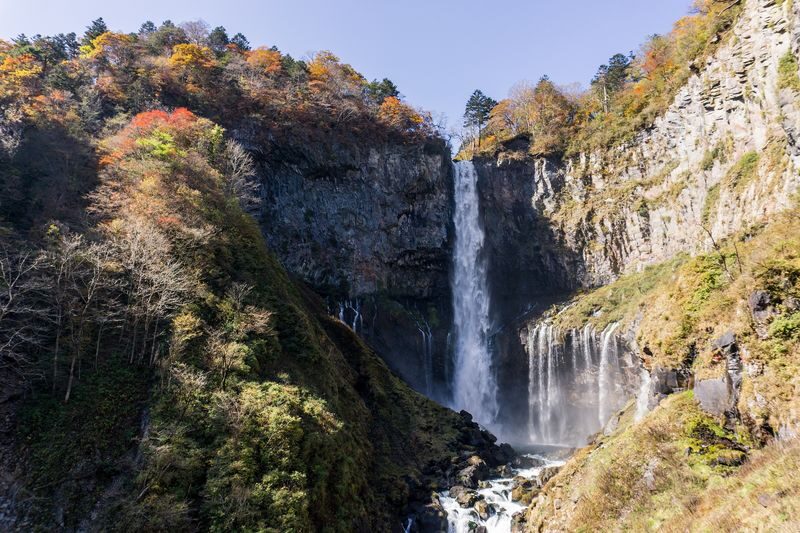
- Kegon Falls comes with time for lunch: The stop lasts about an hour and 25 minutes, with free time to see the falls and eat.
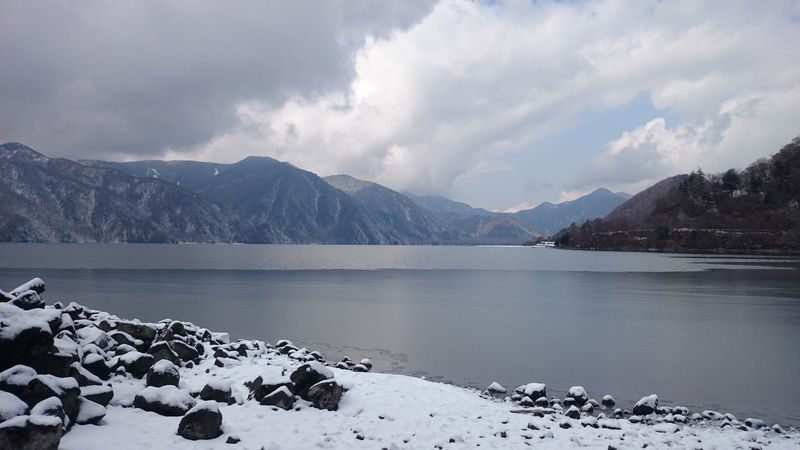
- Lake Chuzenji is a brief breather: Expect around 30 minutes for a lakeside walk and photos, though traffic or weather can change the timing.
- Guides work in English and Spanish: Past guides have included Naomi, Jorge, Jose and Melody. The guide assigned to your date may differ.
- Winter changes the nature stops: In January and February, the falls and lake are replaced by panoramic views of Rinnoji Temple and Futarasan Shrine.

👉 See our pick of the 3 Best Historical Tours In Nikko
Leaving Tokyo for Nikko
This is a full-day outing, not a quick hop beyond the city. The drive to Nikko is listed at about two hours and 45 minutes, and the return journey takes about three hours. That means a fair share of your day passes through the coach window, but you avoid having to plan connections between distant Nikko sights.
Departures are offered at 07:00 or 09:00, with the return time depending on the option you select. An early start can help you reach the first sights sooner, but the day will feel long. Traffic, weather and local events can shift the order and timing, so don’t build a tight evening plan around the scheduled return.
The meeting point is Ginza Inz 2, across the street from Tokyo Hands. Ginza Station Exit C9 and JR Yurakucho Station Central Exit are the stated routes to the meeting area. Arrive at least 10 minutes early and show your ticket to the guide before boarding.
You can also read our reviews of more tours and experiences in Nikko.

Shinkyo Bridge, a glimpse rather than a stop
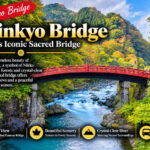
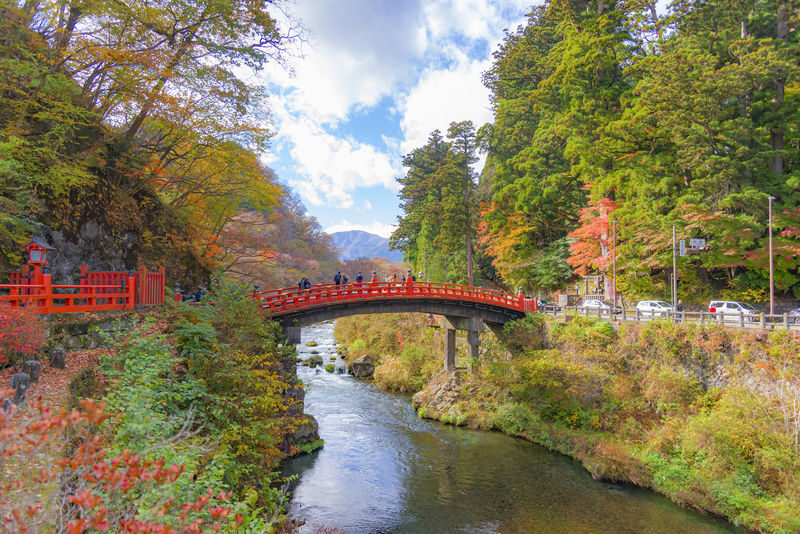
Shinkyo Bridge is one of Nikko’s best-known landmarks, with a dramatic setting that makes it an appealing first introduction to the town. On this tour, though, the itinerary describes a panoramic view from the bus, not a guided walk or a dedicated photo stop.
That distinction matters if the bridge is high on your list. You’ll get a look at it as part of the day, but you may not have time to linger or frame your own close-up pictures. Think of it as a preview, while Toshogu Shrine and the natural sights get the longer visits.
Toshogu Shrine, the day’s cultural center
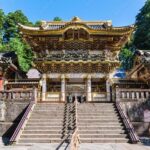
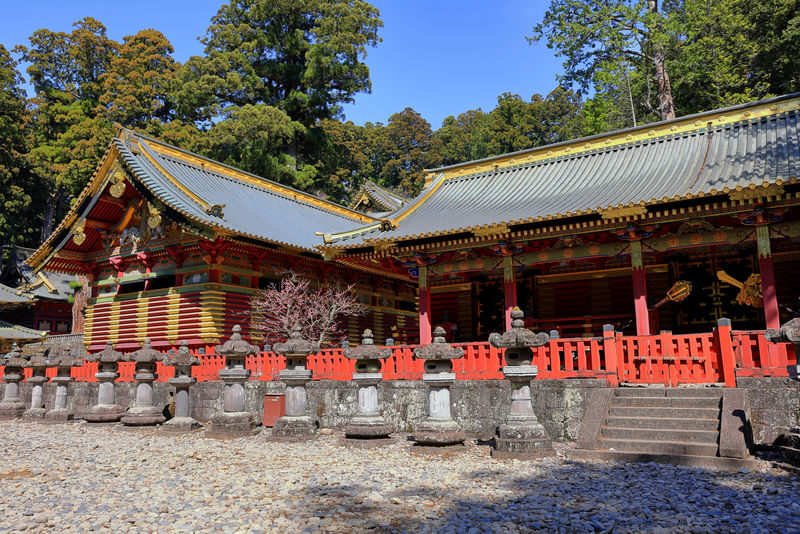
Toshogu is the main historical stop and the part of the tour most likely to reward you for listening closely. The shrine is a UNESCO World Heritage site dedicated to Tokugawa Ieyasu, the founder of the Tokugawa shogunate. Its detailed decoration and architecture are a marked change from the open views at the lake and falls.
You have about two and a half hours here with a guided tour. That is the most substantial stop of the day, and the guide’s explanations can help you make sense of what you are seeing instead of treating the shrine as a series of ornate buildings. Guides such as Naomi, Jorge and Jose have been praised for making Japanese history and culture approachable, though the specific guide varies by departure.
Check the package carefully before paying. The lower-priced option does not include Toshogu admission; a separate package includes the ticket. If you choose the option without admission, the entrance cost is yours to handle. The time allowed at the shrine is useful, but you still need to keep an eye on the group’s meeting instructions so you do not lose time or hold up the coach.
Expect walking around the shrine area. One practical note from past visitors is that Nikko can feel cold even in June, so bring a layer rather than assuming Tokyo’s weather tells the whole story. The tour is not wheelchair-accessible.
Kegon Falls, with room for lunch
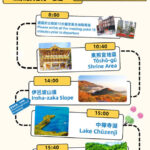
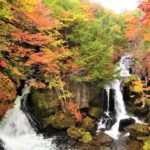
After Toshogu, the coach takes about 30 minutes to reach Kegon Falls. The stop is scheduled for roughly an hour and 25 minutes and is self-guided, giving you time to visit the observation area and fit in lunch. The falls are one of the day’s big natural payoffs, and their scale makes a welcome change after the close-up detail of the shrine.
This is also the day’s most flexible stop. You can divide the available time between the view and a meal, but neither lunch nor drinks are included. Keep your return time in mind: it is easy to spend longer than planned at a scenic spot, especially if the weather clears and the falls come into view.
Conditions can affect what you see. Fog and poor weather have sometimes softened or obscured the view, so the scenery is not guaranteed to look exactly like a clear-day photograph. The schedule may also change because of weather or traffic.
Lake Chuzenji, a short pause by the water
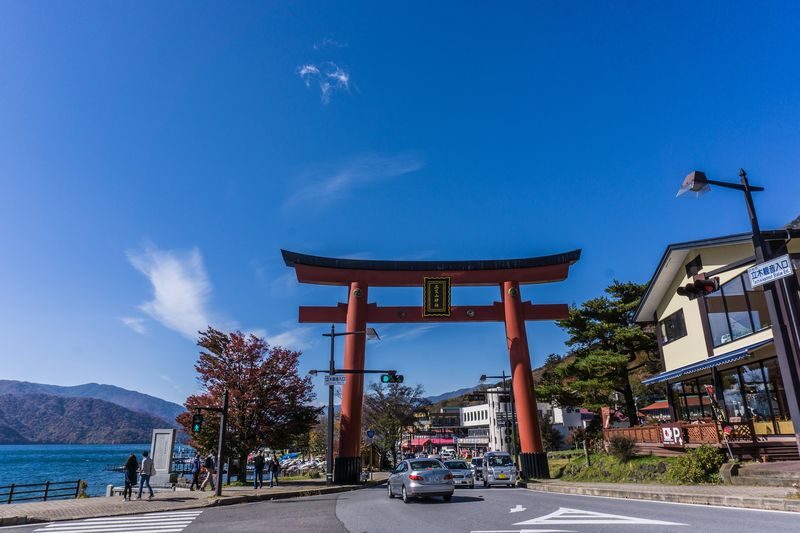
Lake Chuzenji is about a 10-minute drive from Kegon Falls, followed by around 30 minutes of free time. That is enough for a short walk and some photos, not a leisurely lakeside afternoon. If you want to sit by the water or explore at your own pace, this stop may feel brief.
I like the contrast the lake adds to the day. After a busy shrine and a dramatic waterfall, the open water offers a quieter final pause before the return drive. But the stop is best treated as a chance to stretch your legs and take in the surroundings, rather than the main reason to book.
In January and February, the falls and lake visits are replaced with panoramic views of Rinnoji Temple and Futarasan Shrine. If seeing Kegon Falls or Lake Chuzenji is essential to your plans, check your travel dates before booking.


A bilingual guide can add meaning, with one caveat
The guide is central to the value here. You are not simply being driven between sights: the tour includes an English- and Spanish-speaking guide, and guides have shared historical context, cultural details and practical directions during the day. Past guide names include Naomi, Jorge, Jose, Melody, Fran and Sachi, but you should not expect a particular person.
The strongest praise has centered on guides who make the day informative without turning it into a lecture, and who keep the schedule clear. Naomi, Jorge and Jose have each been singled out by name, while other guides have also been appreciated for their energy and help. That kind of guidance can make a difference at a place like Toshogu, where the details are easier to appreciate when you know what you are looking at.
There is one fair qualification: switching between English and Spanish can make explanations harder to hear in crowded or noisy places, especially if the guide is speaking quickly. If clear commentary is important to you, stay close to the guide during the shrine visit and ask for a repeat if you miss something. The bilingual format is a real benefit for many people, but it can affect the pace of explanations for a mixed-language group.
What the price covers, and what it does not
Prices start at $78.49. For that, you get round-trip transfers from Ginza and a professional guide, which is useful when the day involves a long drive and several stops spread across the area. You can relax on the road instead of arranging separate transport and working out how to connect the shrine, waterfall and lake.
The price is not all-inclusive. Meals and drinks are excluded, as are personal expenses, and the lower-priced package does not include Toshogu admission. Compare the two package options before booking and consider the total cost, not just the starting price. The ticket-included option may suit you if you prefer to settle admission in advance; the ticket-excluded option gives you a lower entry price but requires you to handle that part separately.
The value depends on what you want from the day. If you value convenience, a bilingual guide and a set route that reaches both cultural and natural sights, the coach format can be worth paying for. If you prefer long, unhurried stops or want to choose your own pace, the timetable may feel restrictive for the price.
Practical details that make the day easier
Pack a small lunch or plan to buy one during the Kegon Falls stop, since meals and beverages are not included. Bring a layer for Nikko, even if the morning in Tokyo feels mild, and wear shoes you can walk in around the shrine grounds.
The tour is not wheelchair-accessible. Children aged 0 to 2 can join free. Booking confirmation is provided within minutes, and the voucher is valid only for the date and time selected. Free cancellation is available up to 24 hours before the activity, based on local time.
Allow room in your evening schedule for a late return. The listed return options are 18:00 and 20:00, depending on the departure and itinerary selected, but the day’s order and timing can change with traffic, weather or local events. A flexible dinner plan in Tokyo is wiser than a reservation that depends on arriving at an exact time.
Who should book this Nikko day trip?
I’d choose this tour if you have one day to spare from Tokyo and want a guided introduction to Nikko without organizing the transport yourself. It is especially suited to visitors who want both Toshogu’s history and the area’s natural scenery, and to English- or Spanish-speaking visitors who value explanations along the way.
I would think twice if your priority is spending hours at the lake, photographing Shinkyo Bridge up close, or exploring each site at your own pace. The trip covers a lot, but the long coach rides and short lake stop make it a sampler, not a slow visit. For a first Nikko outing, that trade-off is sensible; for a return visit, independent travel may let you focus on fewer places for longer.
Nikko, Kegon Waterfall & Chuzenji Lake from Tokyo
“My first visit to Nikko was such a wonderful experience, and Naomi made it even more special! She was knowledgeable, thoughtful, and incredibly att…”
FAQ
How long is the drive from Tokyo to Nikko?
The outbound bus ride is listed at about two hours and 45 minutes. The return trip is listed at about three hours, and traffic can affect the schedule.
Where does the tour depart from?
The meeting point is Ginza Inz 2, across the street from Tokyo Hands. You can reach it from Ginza Station Exit C9 or JR Yurakucho Station Central Exit.
Is admission to Toshogu Shrine included?
It depends on the package. The tour without the Toshogu ticket does not include admission, while a separate option includes the ticket.
Is lunch included?
No. Meals and beverages are not included. You have time for lunch during the Kegon Falls stop.
What happens at Kegon Falls and Lake Chuzenji in January and February?
The visits to Kegon Falls and Lake Chuzenji are replaced by panoramic views of Rinnoji Temple and Futarasan Shrine.
Is the tour wheelchair-accessible?
No. The activity is listed as not wheelchair-accessible.