Making chopsticks by hand is a pleasing change of pace in Shinjuku, a district better known for shopping and bright nights than quiet craft work. In this one-hour workshop, you choose wood, shape and sand it with hand tools, then oil your finished pair. You leave with something you made yourself, not another souvenir that will sit in a drawer.
I like two things in particular: you can compare more than 10 kinds of wood, and optional Kanji engraving can turn your name into a personal keepsake. Staff guide you through the steps in English or Japanese, and the studio offers views over Shinjuku. One thing to weigh: the standard price covers only standard wood, while premium wood and engraving cost extra. Sessions can also feel crowded when a large group arrives.
- What makes this workshop worth an hour
- A hands-on pause in central Shinjuku
- Choosing wood, then shaping your pair
- Kanji engraving turns a souvenir into yours
- What the one-hour visit looks like
- The view, the setting, and the practical trade-offs
- Is the price good value?
- Who should book this workshop?
- Should you book it?
- FAQ
- How long does the chopstick workshop last?
- Where is the studio?
- What time can I book?
- How early should I arrive?
- Is the workshop suitable for beginners and children?
- Are premium wood and engraving included in the standard price?
- Can I take my chopsticks home after the class?
- What is the cancellation policy?
- The Best Of Tokyo!
- More Workshops & Classes in Tokyo
- More Tours in Tokyo
- More Tour Reviews in Tokyo
- Not for you? Here's more nearby things to do in Tokyo we have reviewed
What makes this workshop worth an hour
 1 / 9
 2 / 9
 3 / 9
 4 / 9
 5 / 9
 6 / 9
 7 / 9
 8 / 9
 9 / 9
- Choose wood by color and grain: More than 10 types are available, though some require an upgrade.
- Learn by making: You shape, sand, and oil your chopsticks with staff guidance.
- Add a personal mark: Optional engraving uses a Kanji dictionary to create a Japanese-character version of your name.
- Take your work home the same day: No need to return later for the finished pair.
- Beginner-friendly, with a caveat: Children and first-time woodworkers can take part, but busy sessions may mean waiting between steps.

👉 See our pick of the 25 Best Guided Tours In Tokyo
A hands-on pause in central Shinjuku
This is a small craft experience, not a long cultural lecture or a full woodworking course. Its appeal is more immediate: you handle the material, learn a few basic techniques, and leave with a useful object shaped by your own hands. The finished chopsticks make a more personal reminder of Tokyo than a mass-produced trinket.
The workshop takes place at Chopsticks Studio Shinjuku, at 1-chome-5-4 Kabukicho, in the Higashi Building on the eighth floor. The activity is listed at a starting price of $8.85, so check the selected package and any extras before you book. The low starting price makes the class an easy activity to fit into a day, but it is not the final cost if you choose premium wood or engraving.
Staff members guide the work in English or Japanese. Instructors named by participants include Miki, Rin, Chihiro, Eliko, and Hitoshi. The emphasis is on patient, step-by-step help, which matters when you are using a hand plane for the first time. You do not need woodworking experience, and the activity has no age limit.
The studio also offers other Japanese experiences, including Kintsugi and calligraphy, and has souvenirs to browse. Those extras may make it tempting to linger, but the chopstick session itself is planned for about an hour.
You can also read our reviews of more tours and experiences in Tokyo


Choosing wood, then shaping your pair
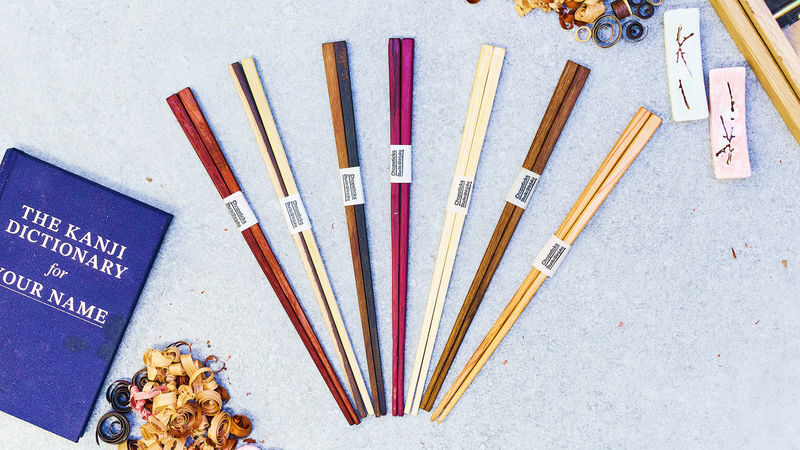
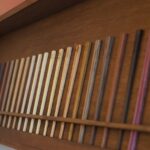
Your first decision is the wood. More than 10 types are available, with differences in color, grain, and character. The standard workshop includes standard wood, while other woods may cost extra. Some participants have found that only a few choices are included in the base price, so ask which options are included before settling on a favorite.
That small price distinction matters. A wood upgrade can be worth it if you have a particular color or grain in mind, but the standard material is enough to take part and make a pair. I would decide in advance how much you want to spend, then choose with your hands and eyes rather than assuming every display option is included.
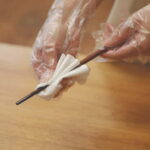
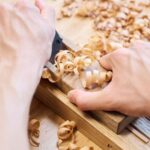
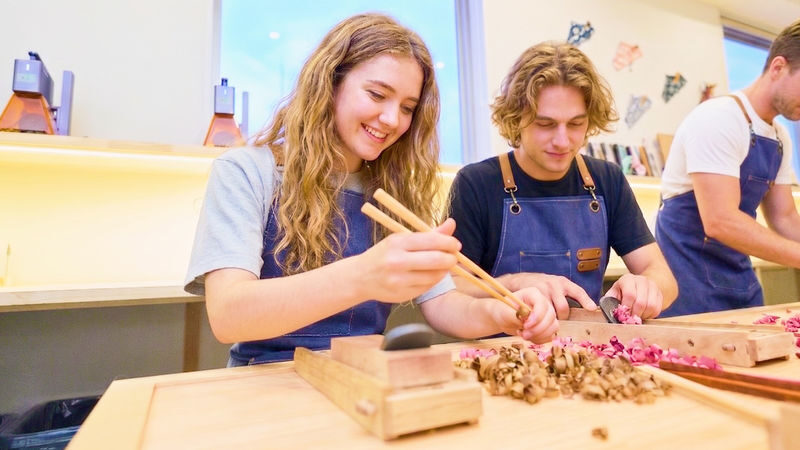
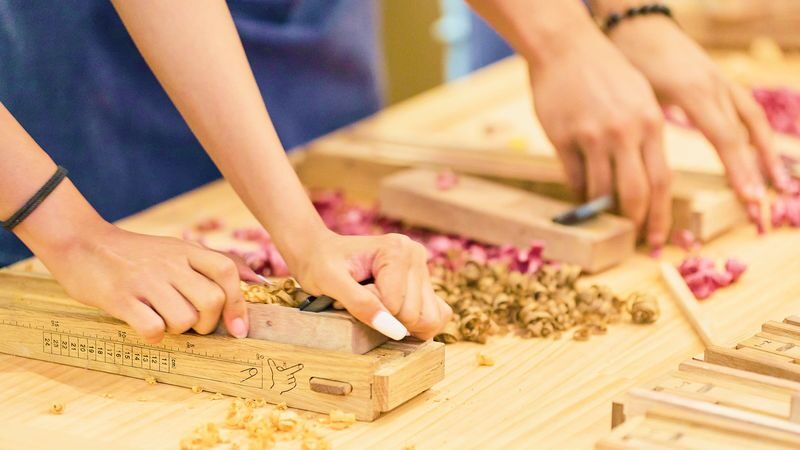
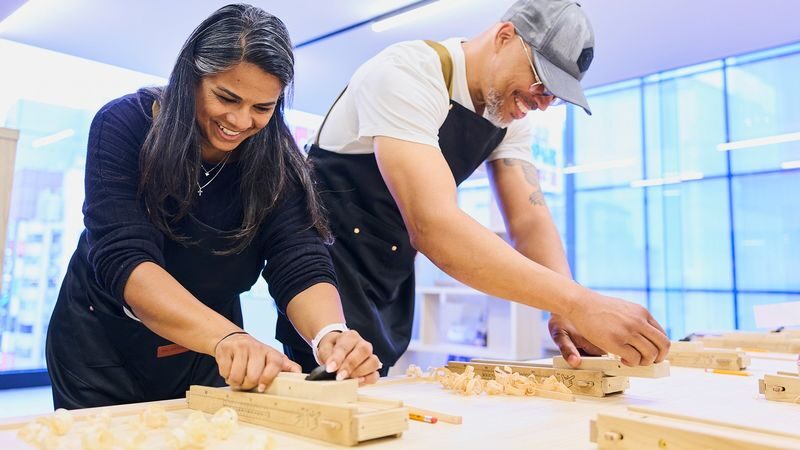
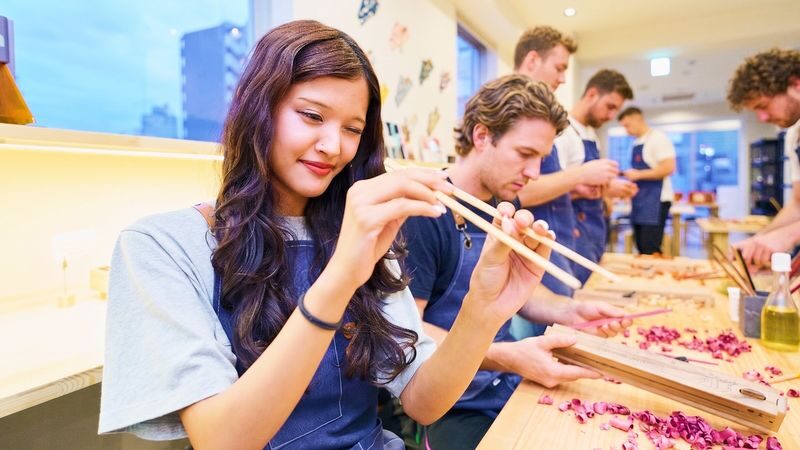
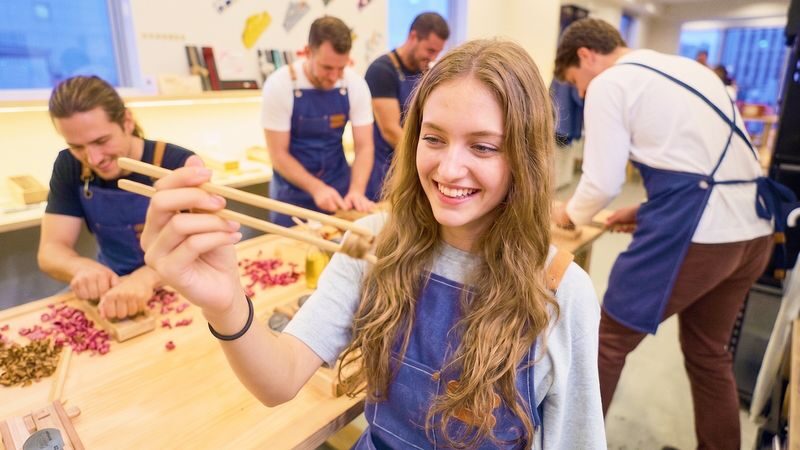
Once you have selected your wood, staff show you how to shape it. The work involves using a hand plane, followed by sanding and oiling. It is more involved than simply decorating a ready-made pair, but the instructor stays close and explains the steps. If you make a mistake, help is available; several participants have found staff patient when they or their children needed extra guidance.
The process gives you a better sense of the care that goes into a familiar everyday object. You are not expected to become a craft expert in an hour. Instead, you learn enough to make a pair that feels personal and functional, while seeing how small choices in shaping and finishing affect the result.
Kanji engraving turns a souvenir into yours
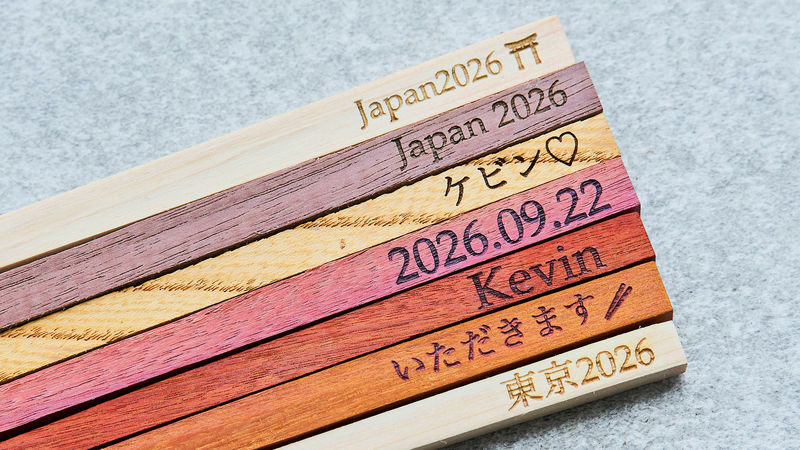
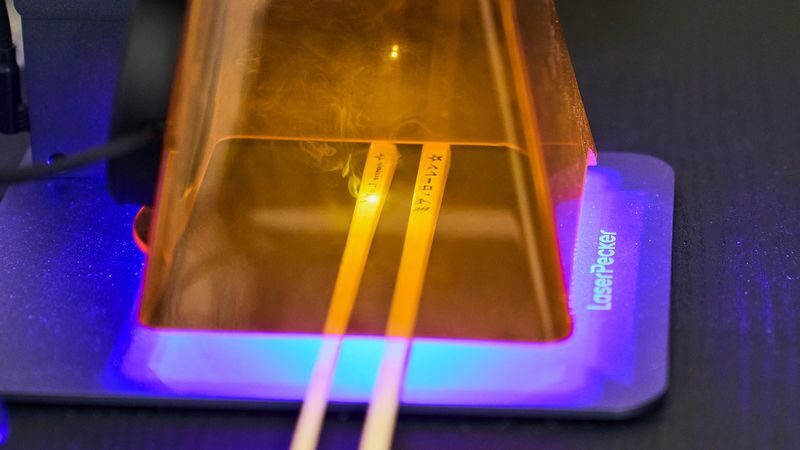
After shaping your chopsticks, you can add optional engraving. The studio’s original Kanji dictionary helps translate a name into Japanese characters, and you can watch the engraving as it is done. It is a simple addition, but it gives the finished pair a clear connection to your trip and makes the souvenir easier to distinguish from anything you could buy in a shop.
Engraving is not included in the standard price. If you know you want it, include the extra cost in your budget rather than treating it as a surprise at the end. The all-inclusive premium plan is another package option. A participant who chose it described the package as covering upgraded wood and engraving, but check the package details at booking so you know exactly what is included.
For a family or couple, engraving can also help make each pair feel distinct. One family left with a set of chopsticks bearing each person’s name. If you are making a gift, it is worth considering whether the name will be more useful in Kanji or another form, and asking the instructor about the available choices.
What the one-hour visit looks like
The workshop is a meet-up activity at the studio, not a tour with transport between stops. Arrive at the eighth-floor address five minutes before your selected start time. Available departures run every half hour from 9:00 a.m. through 6:30 p.m., although the times you can choose depend on the booking options.
The session begins with choosing your wood and hearing how the tools and process work. Then comes the hands-on portion: shaping, sanding, and oiling. Staff offer guidance throughout, and the optional engraving follows as a final personalization step. The schedule allows about an hour in total, and you take your handmade chopsticks home the same day.
That short format is handy if you want to add a craft activity between other plans. It also means the session moves at a purposeful pace. Families may find that children need more time with the hand plane, while adults who enjoy making things may wish the class lasted longer. There is no promise of a lengthy lesson in woodworking technique; the reward is the finished pair and the process of making it.
The studio can accommodate groups, but the experience may vary with the number of people booked into a session. Some large groups have had attentive instruction, while a crowded class has also meant waiting for help at different steps. If you prefer a quieter, more personal class, a less popular time may be worth considering, though the available information does not identify which sessions are quieter.
The view, the setting, and the practical trade-offs
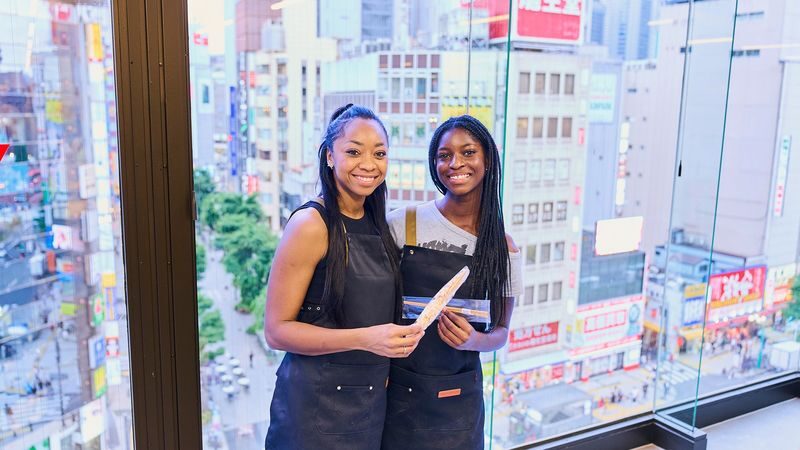
Shinjuku is a convenient place to fit in an indoor activity, particularly if you want a break from walking or have a rainy day to fill. The studio advertises views over Shinjuku, adding a pleasant backdrop while you work. The activity itself remains the main draw: the view is a bonus, not a substitute for the craft.
The central location also makes this an easy add-on to a day in the area. Still, the address can be easy to miss if you rush past the building. Use the full address, including Higashi Building, eighth floor, and arrive early enough to find the studio without eating into your session.
The main drawback is the possibility of a crowded workspace. A busy class can bring some waiting between stages, even when instructors are doing their best to help everyone. If you want uninterrupted one-on-one attention, this may not be the right format. On the other hand, the workshop has worked for families and groups, and the short, guided process keeps the activity approachable.






Is the price good value?
At $8.85 to start, this is an inexpensive way to make a personal souvenir in Tokyo. The price includes standard wood, tools and materials, staff guidance, admission, and the pair you make. For an hour of hands-on activity plus a useful keepsake, the basic plan can be good value, especially if you are happy with the included wood.
The total can rise with premium wood and engraving. That is not a reason to avoid the workshop, but it is worth deciding what matters most before you arrive. If your priority is the craft itself, choose standard wood and enjoy the process. If a particular wood or Kanji name engraving is what makes the souvenir special, allow for the added cost.
The value also depends on what you want from a Tokyo activity. This is not a bargain if you only want the cheapest possible pair of chopsticks. It makes more sense if you want to take part in making them, learn a little through the process, and carry home an object tied to your own visit.
Who should book this workshop?
I would recommend it to first-time woodworkers, families with children, couples, and solo visitors looking for something more hands-on than shopping. Children have taken part, including a 10-year-old who needed extra patience with the hand plane. The staff can guide beginners, and the experience has no age limit.
It also suits anyone who wants a compact indoor activity and a souvenir that can be used at home. If you are short on time, the one-hour duration and wide choice of start times make it easier to plan around other sightseeing. If you dislike group activities, want a long technical lesson, or are set on having the entire wood selection and engraving included in the base price, check the package details carefully before booking.
Should you book it?
Book this workshop if you like the idea of making a practical souvenir and are willing to spend an hour shaping, sanding, and finishing it. The strongest reasons to go are the approachable instruction, the choice of wood, and the chance to personalize your pair with Kanji engraving.
Before you confirm, check which woods are included in your chosen package and whether engraving is covered. Arrive five minutes early, and keep in mind that a busy session may involve a little waiting. With those points in mind, this is a cheerful, low-commitment way to bring a small piece of your Tokyo trip home.
Tokyo Shinjuku Chopstick Making Workshop
“We loved this! We went with our 2 kids 11 and 14. They had a blast and learned a lot. our instructor Miki was really nice and taught us a lot. We b…”
FAQ
How long does the chopstick workshop last?
The guided workshop lasts about one hour.
Where is the studio?
It is at 1-chome-5-4 Kabukicho, Shinjuku City, Tokyo, in the Higashi Building on the eighth floor.
What time can I book?
Departure options run every half hour from 9:00 a.m. to 6:30 p.m. Available times depend on the booking selection.
How early should I arrive?
Arrive five minutes before your selected start time.
Is the workshop suitable for beginners and children?
Yes. The activity has no age limit, and staff guide participants through the process. Children and first-time woodworkers have taken part.
Are premium wood and engraving included in the standard price?
No. The standard plan includes standard wood. Premium wood upgrades and engraving are optional extras.
Can I take my chopsticks home after the class?
Yes. You take your handmade chopsticks home the same day.
What is the cancellation policy?
You can receive a full refund if you cancel at least 24 hours before the activity date, using destination local time.