Making chopsticks by hand gives you a quieter, more personal hour in the middle of Shibuya. You choose wood, shape and smooth it with traditional tools, then take your finished pair home. It’s a simple souvenir with a good story attached.
I like two things here: clear, patient instruction, which makes the process approachable even if you have never worked with wood, and the chance to make something you can actually use. The staff speak English, and instructors including Hiyori, Kelly, Abby, Ati, and Shota have helped lead sessions.
One thing to watch is the price of upgrades. The starting price is low, but premium woods and engraving cost extra, and those additions can raise the bill noticeably. If you are happy with standard wood and no engraving, the basic plan keeps the cost down.
- At a glance: wood, tools, and a one-hour keepsake
- A hands-on pause in central Shibuya
- From a block of wood to a finished pair
- Standard wood or a paid upgrade?
- Friendly instruction, with room to work at your own pace
- One hour, with a firm start time
- What the starting price really buys
- Who will get the most from this workshop?
- Should you book the Shibuya chopstick workshop?
- FAQ
- How long does the workshop last?
- Where is Chopsticks Studio Shibuya?
- What is included in the standard workshop?
- Are premium wood and engraving included?
- Is the workshop suitable for children?
- What happens if I need to cancel?
- The Best Of Tokyo!
- More Tours in Tokyo
- More Tour Reviews in Tokyo
- Not for you? Here's more nearby things to do in Tokyo we have reviewed
At a glance: wood, tools, and a one-hour keepsake
 1 / 8
 2 / 8
 3 / 8
 4 / 8
 5 / 8
 6 / 8
 7 / 8
 8 / 8
- Make a useful souvenir: Shape and finish wooden chopsticks to take home.
- Start with standard wood: The standard workshop includes wood and tools. Three wood choices are available without an extra charge.
- Ask about upgrades first: Premium woods, such as teak and sakura, and engraving are optional extras.
- Get step-by-step help: English- and Japanese-speaking staff guide you through the process.
- Meet in central Shibuya: The studio is on the fourth floor of Kawahara Building, at 1-20-7 Jinnan.
- Plan for about an hour: Sessions run throughout the day, with times offered from 9:00 a.m. to 6:00 p.m.

👉 See our pick of the 25 Best Guided Tours In Tokyo
A hands-on pause in central Shibuya
Shibuya is often best known for its big crossing, shops, and fast pace. This workshop offers a different sort of stop: an hour at a workbench, paying attention to a small object you might otherwise use without a thought. You get to learn about the cultural meaning of chopsticks in Japan while making a pair of your own.
The studio is at Chopsticks Studio Shibuya, on the fourth floor of Kawahara Building in Jinnan. This is a meet-up activity, not a walking tour or a trip with transport. You arrive at the studio, take the elevator up, and stay there for the workshop.
That straightforward setup makes the class easy to fit between other plans in Shibuya. It can also suit a day when you want a break from shopping or sightseeing without committing to a long excursion. The trade-off is that the setting is a workshop, not an outdoor tour: the appeal lies in the craft and the finished object.
You can also read our reviews of more tours and experiences in Tokyo.



From a block of wood to a finished pair
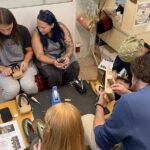
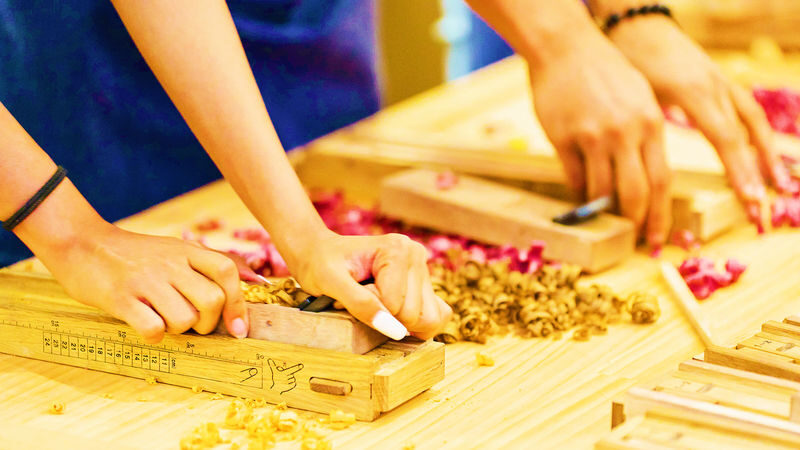
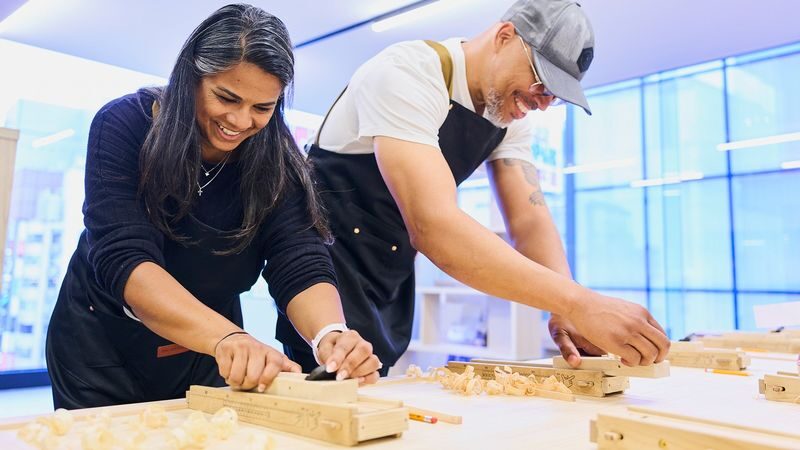
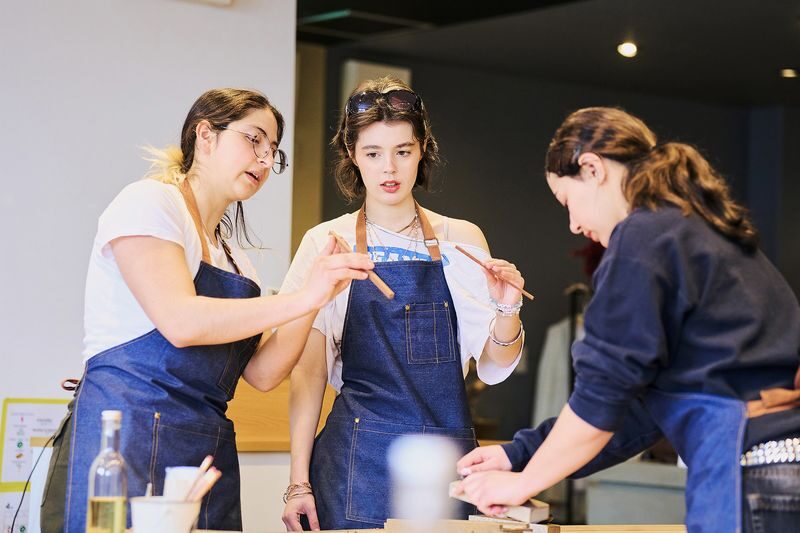
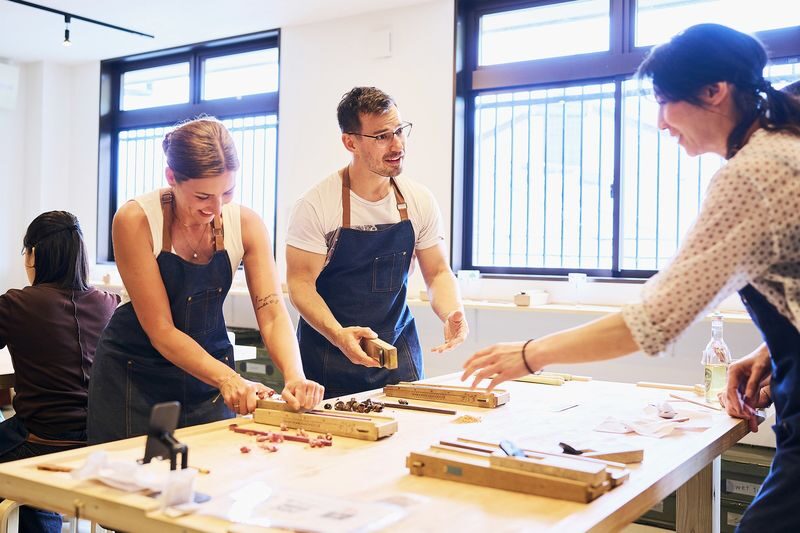
The main work is shaping and finishing your chopsticks. You choose from the available standard woods, then use traditional tools to shape the wood, smooth the surface, and finish the pair. Staff explain each step and stay on hand to help, so you do not need prior craft experience.
The work is practical rather than just demonstrative. You are making the item yourself, with guidance as you go. Several people have found the instructions easy to follow, and families have been able to do the activity together. If you are bringing children, the activity has no age limit, but they will still need to follow the staff’s instructions while using the tools.
The process can involve more effort than you might expect. One participant described the planing as a workout, so do not assume this is simply a decorative activity where you watch a craftsperson work. That hands-on quality is part of its appeal, though it may be less suited to someone who wants a purely restful hour.
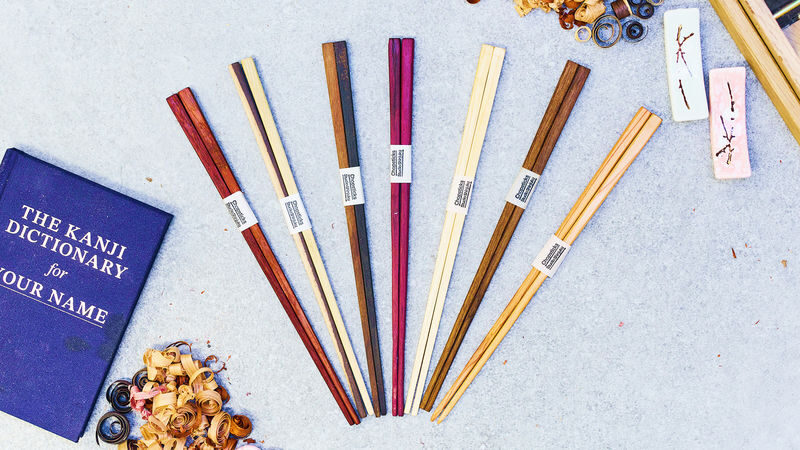
At the end, you take your handmade chopsticks home, wrapped and ready to use or give as a present. A souvenir bought from a shop can be lovely, but this one carries the memory of the making as well as the object itself. That gives it more personal value, especially if you are looking for a gift that feels connected to your time in Japan.
Standard wood or a paid upgrade?
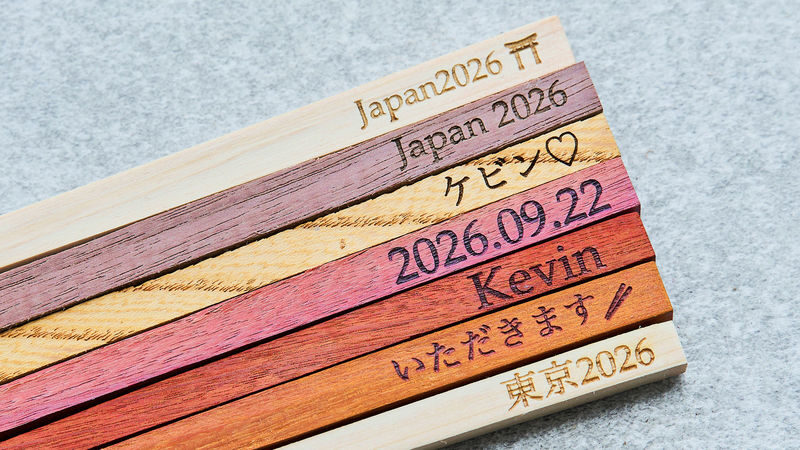
The standard workshop includes a choice of three wood options at no extra cost, according to the experience details. If you want a wider selection, premium choices are available for an additional charge. Examples mentioned by participants include teak, sakura, purple heart, and Yakusugi.
The exact upgrade selection and price can depend on what is available, so ask about the cost before you settle on a premium material. One participant found that choosing more expensive wood and adding engraving raised the total quite a bit above the starting price. That is useful to know if you are booking because the advertised fare looks like a bargain.
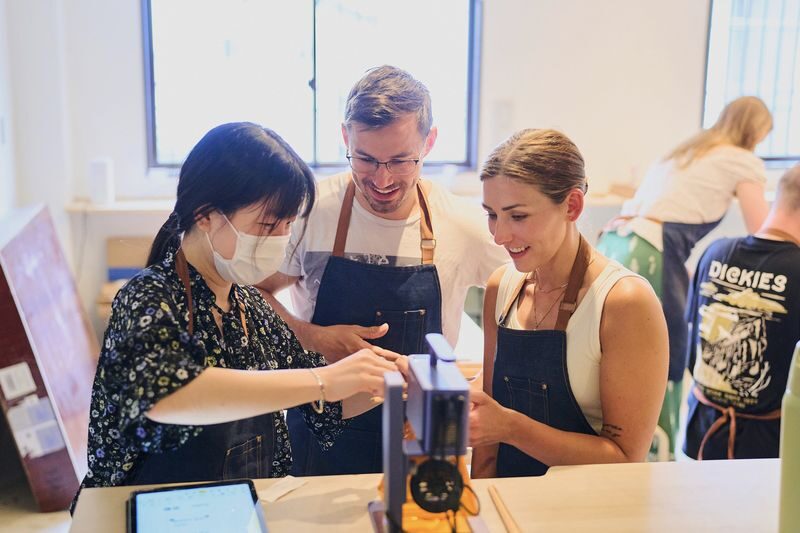
Engraving is also optional and costs extra. It can make the pair more personal, or turn it into a more distinctive gift, but it is not needed to complete the workshop. If keeping to budget matters, stick with one of the included woods and skip the engraving.
The two package options are called Standard Chopstick Making Workshop and All-Inclusive Premium Plan. The details provided specify what comes with the standard plan, but do not spell out every difference in the premium plan. Check the package description and total price before booking rather than assuming which upgrades it covers.
Friendly instruction, with room to work at your own pace
The staff are a major part of what makes this class approachable. English-speaking help is included, alongside Japanese-speaking staff, and the instruction is described as clear and patient. That matters in a hands-on class: you can ask questions as you work instead of trying to interpret a sequence of unfamiliar steps on your own.
Staff members named by participants include Hiyori, Kelly, Abby, Ati, Shota, Sho, and Wendy. You cannot count on being assigned a particular instructor, but the range of names gives a sense of the personal, staff-led nature of the workshop. The team has also offered suggestions for nearby food and places to visit, which can be a welcome bonus when you are planning the rest of your day.
The session can work for solo visitors as well as couples, friends, and families. Making something at your own pace gives a solo visit a clear focus, while a family can share the activity without needing everyone to have the same level of craft skill. The workshop is also short enough to fit into a busy Tokyo itinerary.
One hour, with a firm start time
The workshop lasts about an hour. Available start times run every half hour from 9:00 a.m. through 6:00 p.m., subject to the options offered for your chosen booking. Arrive five minutes before your selected start time at the fourth-floor studio.
This is worth treating as a timed appointment, not a drop-in activity. The voucher is valid for the date and time specified, and the stated policy does not allow refunds for late arrivals or no-shows; arrivals 15 minutes late or more are not eligible for a refund. If your day in Shibuya is tightly scheduled, leave a little breathing room around the class.
The meeting point is Kawahara Building, 4F, 1-20-7 Jinnan, Shibuya-ku, Tokyo 150-0041. Take the elevator to the fourth floor. Your mobile voucher is accepted, and confirmation is normally sent within minutes.






What the starting price really buys
The advertised starting price is $6.35, which makes the basic workshop look like an inexpensive activity. The standard package includes admission, standard wood, use of the tools and materials, staff guidance, and the chopsticks you make. For that price, the value is not only the souvenir; it is also a structured hour of making something yourself.
Still, think of the starting price as the entry point, not necessarily the amount you will pay if you want a particular wood or engraving. Premium choices can add substantially to the total. If you are comparing this with buying chopsticks in a shop, the workshop costs more in time and effort, but you are paying for instruction and the chance to make the object yourself.
The basic option makes the strongest value case if you want to try a Japanese craft and leave with a useful memento without adding extras. If the material or engraving matters to you, budget for the upgrade and confirm its price before committing. The activity has a perfect 5.0 rating from 58 reviews at the time of the supplied figures, but the most useful measure for your decision is whether you want the making process, not just a pair of chopsticks.
Who will get the most from this workshop?
I would choose this class if you want a small-scale cultural activity that is active, personal, and easy to schedule. It suits couples and friends who like making things together, families who want a shared activity, and solo visitors looking for a calm change of pace. The approachable instruction and English-speaking staff are useful if you are new to woodworking or do not speak Japanese.
It may be less appealing if you are short on time, only want the cheapest possible souvenir, or do not want to use tools. The workshop is about taking part, and some of the shaping takes physical effort. You can also keep the cost near the advertised starting point by choosing standard wood and declining extras.
Should you book the Shibuya chopstick workshop?
Book it if you like the idea of spending an hour making a practical souvenir, with staff there to guide you and explain the craft. The combination of hands-on work, cultural context, and an item you can take home gives the class a clear purpose beyond filling time.
If you mainly want an inexpensive pair of chopsticks, buy them elsewhere. If you want the memory of making your own, choose the standard plan for the clearest value, and decide on premium wood or engraving only after checking the added cost.
Tokyo Shibuya: Traditional Chopstick Making Experience
“The staff was very friendly and helpful, and the experience was pretty fun. Being able to take home chopsticks that you make by hand is very memora…”
FAQ
How long does the workshop last?
The workshop lasts about one hour.
Where is Chopsticks Studio Shibuya?
It is on the fourth floor of Kawahara Building, 1-20-7 Jinnan, Shibuya-ku, Tokyo 150-0041. Take the elevator to the fourth floor.
What is included in the standard workshop?
The standard plan includes admission, standard wood, use of tools and materials, guidance from workshop staff, and the handmade chopsticks to take home.
Are premium wood and engraving included?
No. Premium wood and engraving are optional paid upgrades.
Is the workshop suitable for children?
The activity has no age limit. Staff guidance is provided throughout the workshop.
What happens if I need to cancel?
A full refund is available if you cancel at least 24 hours before the activity date, using destination local time. Late arrivals and no-shows are not eligible for refunds.