In the middle of Shibuya, you can trade a little screen time for a pair of wooden chopsticks made by your own hands. At Chopsticks Studio Shibuya, staff guide you through choosing wood, shaping it with traditional tools, and smoothing the finished pair. It is a small-scale craft lesson, not a sightseeing tour, and the result is something useful to carry home.
I like two things about this experience: you get to work with the material yourself, rather than simply watch a demonstration, and the staff explain why chopsticks matter in Japanese daily life. You also leave with a personal souvenir, not a mass-produced trinket. Instructors named in past sessions include Elena, Kaho, Kelly, Hiyori, and Kiho, though you cannot count on a particular teacher being there.
One thing to plan for is the final price. Standard wood and tools are included, but premium wood and engraving cost extra, and engraving charges have caused confusion for at least one participant. Ask for the full price before choosing an upgrade, and leave room in your schedule: the advertised session is one hour, though some families have spent closer to 90 minutes.
- A working craft session: Choose wood, shape it, smooth it, and finish your own chopsticks with staff guidance.
- A central Shibuya address: The studio is on the fourth floor of Kawahara Building at 1-20-7 Jinnan.
- A take-home keepsake: Your handmade chopsticks are included, and the studio wraps them for you.
- A beginner-friendly pace: No prior woodworking experience is required, and there is no age limit.
- A useful cultural lesson: Alongside the hands-on work, you learn about the role of chopsticks in Japan.
- Extras can change the cost: Premium wood and engraving are optional, paid upgrades.
- Making chopsticks in the middle of Shibuya
- Finding the fourth-floor studio
- Choosing wood and shaping a pair
- Learning why chopsticks matter
- What the price includes, and what can add up
- A good fit for families, couples, and solo makers
- Timing, booking, and small practical details
- Should you book the Shibuya chopstick workshop?
- FAQ
- How long does the chopstick workshop take?
- Where is Chopsticks Studio Shibuya?
- What is included in the price?
- Do premium wood and engraving cost extra?
- Is the workshop suitable for children?
- Is English-speaking guidance available?
- Can I bring a pet?
- What is the cancellation policy?
- The Best Of Tokyo!
- More Tours in Tokyo
- More Tour Reviews in Tokyo
- Not for you? Here's more nearby things to do in Tokyo we have reviewed
Making chopsticks in the middle of Shibuya
 1 / 8
 2 / 8
 3 / 8
 4 / 8
 5 / 8
 6 / 8
 7 / 8
 8 / 8
Shibuya is known for its busy streets and bright signs, but this workshop offers a quieter hour with a different sort of Japanese craft. You meet at Chopsticks Studio Shibuya, in the Kawahara Building, and make a pair of wooden chopsticks with tools and materials supplied by the studio. The contrast is part of the appeal: outside is central Tokyo; inside, your attention narrows to the wood in your hands.
The process is meant for beginners. Staff guide you through the steps, from selecting a piece of wood to shaping and smoothing it. You do not need to arrive with a craft background or a plan for how the finished chopsticks should look. If you are careful and patient, the work is satisfying; if you are hoping to produce a factory-perfect pair at speed, this may ask more attention than you expect.
The activity is listed as one hour. Some participants have described spending about 90 minutes, so treat the hour as a guide rather than a reason to book a tight appointment immediately afterward. The workshop is a meet-up activity, not a tour that collects you from a hotel or includes transport around Tokyo.

👉 See our pick of the 25 Best Guided Tours In Tokyo
Finding the fourth-floor studio
The address is Kawahara Building, 4F, 1-20-7 Jinnan, Shibuya-ku, Tokyo 150-0041. The studio name is Chopsticks Studio Shibuya. A past participant found it straightforward to reach and noted that you should go up to the fourth floor, a helpful detail when you arrive at a building with several tenants.
Choose a departure time when booking. Available starts run from 9:00 a.m. through 6:00 p.m. at half-hour intervals, subject to the options shown for your date. Arrive about five minutes early, and use the time you selected. You will need your mobile voucher, which is accepted for entry.
The location makes it easy to fit the class into a day in Shibuya, but the activity itself takes place at the studio. It does not include a guided walk through the neighborhood or time set aside for shopping. Think of it as a focused stop that you can place between other plans, with a little breathing room on either side.
You can also read our reviews of more tours and experiences in Tokyo.



Choosing wood and shaping a pair
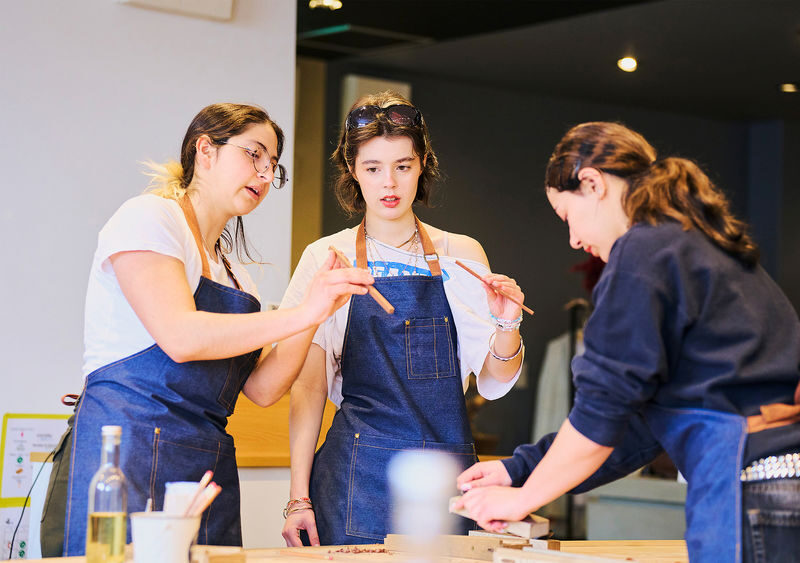
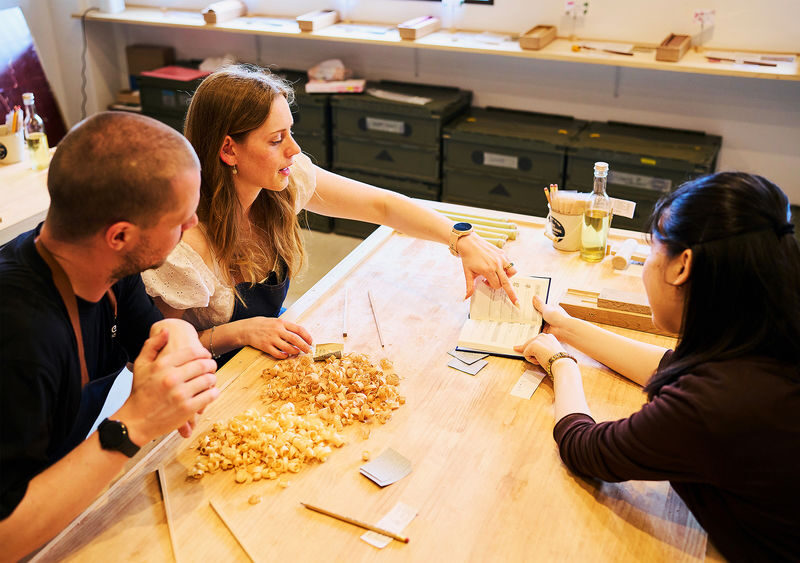
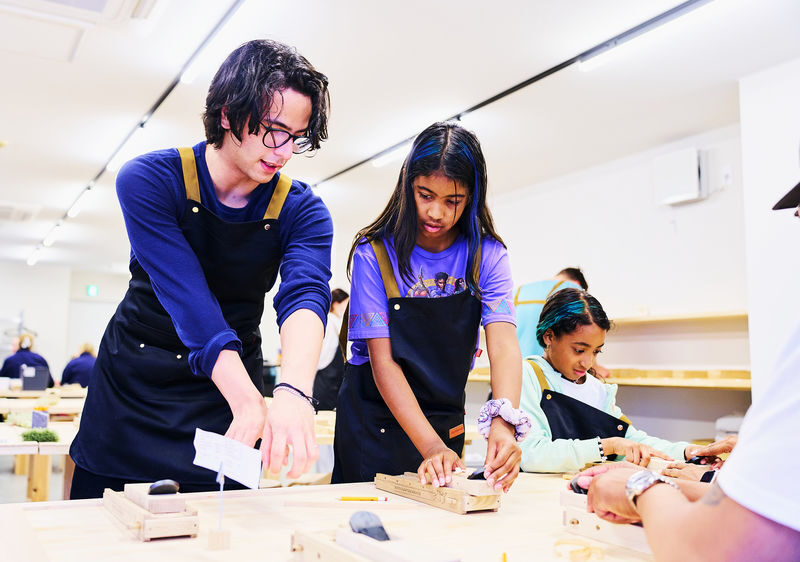
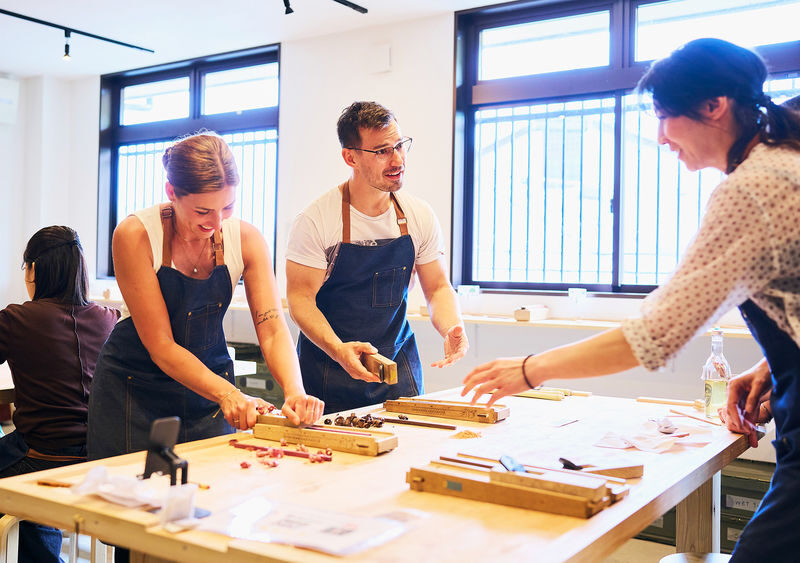
Once the workshop begins, you select your wood and start turning it into chopsticks with traditional tools. Standard wood is included in the base activity. Some past participants appreciated having a choice of wood and hearing about the tree types and where the wood came from. That detail gives the selection more meaning than simply picking the prettiest color, though the exact woods available can vary.
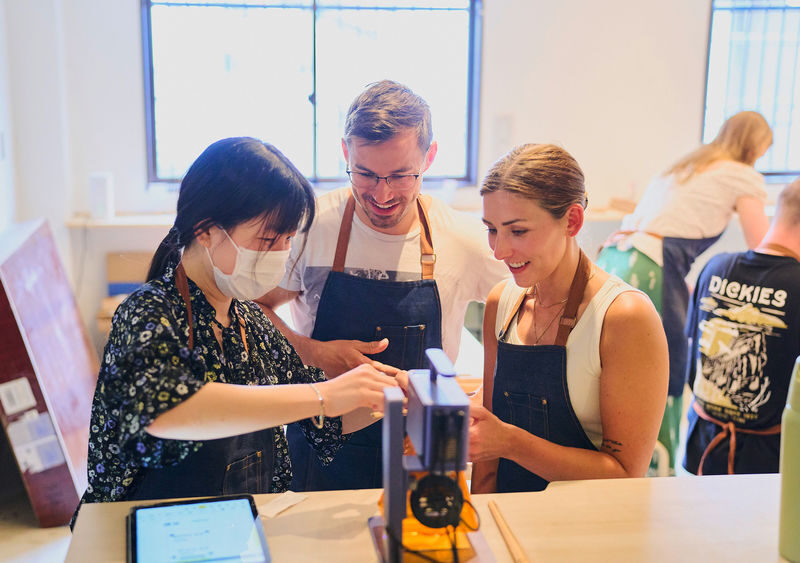
You then shape the wood, smooth the surface, and work toward a finished pair, with staff explaining each step. The instruction is the main value here: you are not expected to know how to handle the tools before you arrive. Families with children as young as five have taken part, and one family described the activity as safe and manageable for children aged seven and eleven. There is no age limit, but an adult should still consider whether a child is comfortable following instructions and working carefully.
This is handwork, so your pair may show the marks of its maker. That is part of the charm, but it is also worth being realistic about the outcome. One participant left unhappy with uneven, unusable chopsticks, while many others described making a pair they were pleased to take home. Pay attention to the guidance, ask for help as you go, and check the shape before you consider the work finished.
Learning why chopsticks matter
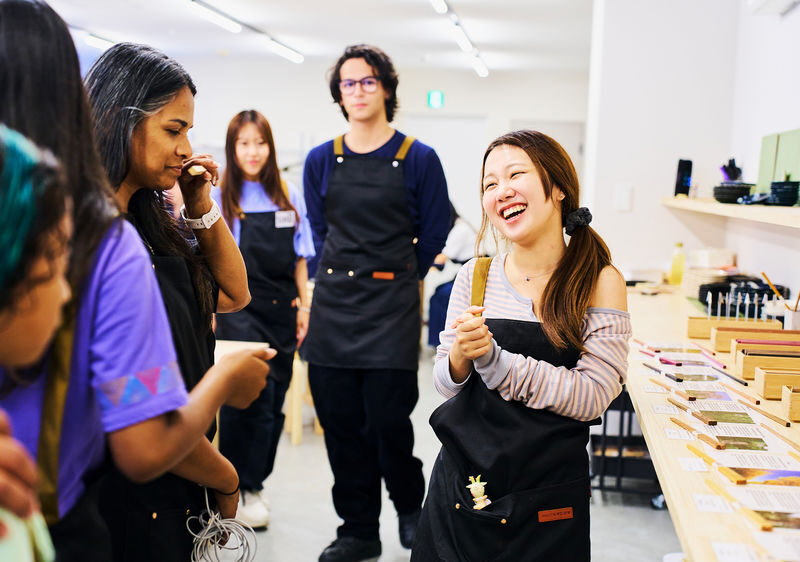
The workshop is not only about making a household tool. Staff also explain the cultural significance of chopsticks in Japan and share information about their use and making. This turns an everyday object into something you can notice more carefully at meals during the rest of your trip.
The cultural component is best understood as an introduction woven into the making process, not a long lecture on Japanese history. If you want a detailed study of craftsmanship or a specialist account of chopstick traditions, this short class may not go far enough. But if you are curious about an object you will use every day in Japan, the practical setting gives the lesson an easy point of entry.
English-speaking guidance is included, along with Japanese-speaking guidance. Many participants have found the English clear and the instructors patient, and the staff are often praised for making the steps easy to follow. One person also encountered German spoken on-site, but that is not a promised language option. Instructor names mentioned in past sessions include Elena, Kaho, Kelly, Hiyori, Kiho, Yumi, Nono, and Wendy. Staffing changes, so book for the activity rather than a particular teacher.
What the price includes, and what can add up
The advertised starting price is $18.95. It includes admission, standard wood, use of tools and materials, staff guidance, and the chopsticks you make. For a hands-on class that gives you both an activity and a useful souvenir, that can be fair value, especially if you enjoy learning by doing.
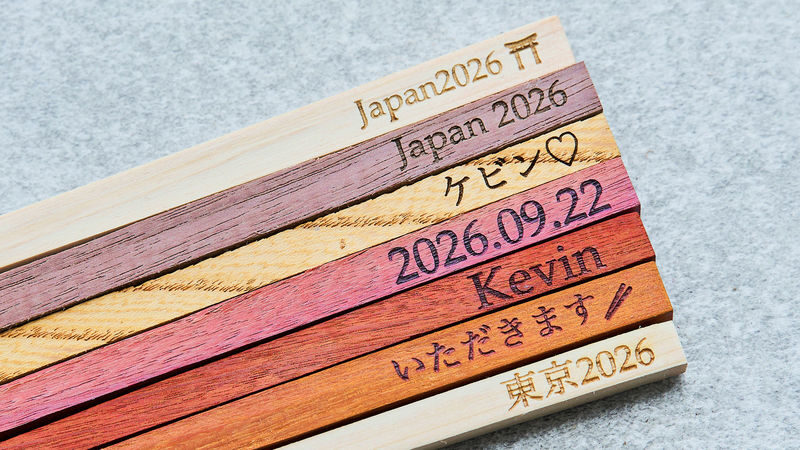
The base price does not cover premium wood or engraving. These are optional, but they can raise the cost. One participant estimated that wood selection and personal engraving brought the total to about $25 per person, while another was unhappy that engraving charges were not clear before the work was done. The reported engraving charge also differed depending on what was engraved on each stick.
My practical advice is simple: decide what you want before you start, and ask the staff to confirm the price for each extra. If the standard wood and unengraved finish are enough for you, the stated inclusions keep the cost easier to predict. If you want a more personal or decorative pair, budget for an additional charge rather than assuming it comes with the base booking.
A good fit for families, couples, and solo makers
This is a flexible activity for a family, a couple, a group of friends, or a solo visitor. You do not need a partner to make the class worthwhile, and the one-hour format is shorter than many craft workshops. It offers a break from sightseeing without asking you to give up most of the day.
Families may find it a welcome change of pace, particularly if children like making things with their hands. The lack of an age limit is useful, and family sessions have included young children. Still, the craft calls for attention and care, so the best fit is a child who can follow step-by-step guidance. The studio prohibits pets.
For solo visitors, the class offers a structured way to try something local and leave with a memento you made yourself. For couples or friends, it is a shared activity without the formality of a full-day class. The finished pairs may not match perfectly, but that is part of the point: each one reflects the person who shaped it.






Timing, booking, and small practical details
You can book for the same day, and confirmation is usually sent within minutes. The voucher is valid only on the date and time you selected, so check those details before you set off. If the confirmation does not arrive, contact customer support.
The stated cancellation terms allow a full refund if you cancel at least 24 hours before the activity date, using destination local time. If severe weather or an unforeseen event leads the operator to cancel, you can reschedule or request a full refund. The workshop takes place indoors, but that policy may matter if the rest of your Tokyo plans change.
Build a little extra time into your day. Although the activity is scheduled for an hour, one family described spending about 90 minutes. That is not a guaranteed duration, but it is a sensible reason not to book a restaurant reservation or timed attraction immediately afterward.
Should you book the Shibuya chopstick workshop?
Book it if you want a hands-on cultural activity with a modest time commitment and a souvenir you can use. The strongest reasons to go are the chance to shape the chopsticks yourself, the patient step-by-step guidance, and the personal connection to an everyday part of Japanese life. The high overall rating of 4.9 out of 5 from 49 ratings is encouraging, though the final result and your satisfaction will depend partly on your own expectations and choices.
Skip it if you want a formal, in-depth history lesson, a guaranteed perfect pair, or a fixed final price that includes every decorative option. The workshop is at its best when you approach it as a relaxed craft session, ask about any extra charges before agreeing to them, and enjoy the process as much as the finished object.
Tokyo Shibuya: Traditional Chopstick Making Experience
“Our family of four had a wonderful experience. We went with our 7-year-old and 11-year-old children, and it was a very fun and safe experience. The…”
FAQ
How long does the chopstick workshop take?
The scheduled duration is one hour. Some participants have spent closer to 90 minutes, so allow extra time if your plans are tight.
Where is Chopsticks Studio Shibuya?
It is on the fourth floor of Kawahara Building, 1-20-7 Jinnan, Shibuya-ku, Tokyo 150-0041, Japan.
What is included in the price?
The activity includes admission, standard wood, use of tools and materials, workshop staff guidance, and the chopsticks you make.
Do premium wood and engraving cost extra?
Yes. Premium wood upgrades and engraving are optional extras and are not included in the base price. Ask the staff to confirm the charge before you choose them.
Is the workshop suitable for children?
The activity has no age limit. Families with young children have taken part, but children should be able to follow the workshop’s step-by-step instructions.
Is English-speaking guidance available?
Yes. English-speaking and Japanese-speaking guidance are included.
Can I bring a pet?
No. Pets are prohibited.
What is the cancellation policy?
You can receive a full refund if you cancel at least 24 hours before the activity date, using destination local time. If the operator cancels because of an unforeseen event or extreme weather, you can reschedule or request a full refund.