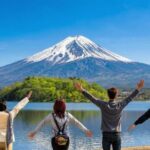
A private car turns the Mount Fuji day trip into your own moving base: you can set the pace, change stops, and skip the train transfers between sights. The classic route pairs Lake Kawaguchiko with Oshino Hakkai, with Gotemba Outlets as a possible final stop.
I like two things here: hotel pickup saves a lot of effort, especially with children, and a custom route lets you adapt when clouds hide Fuji or traffic eats into the day. For groups, sharing one car can also make the price more appealing than booking separate seats on a tour.
The catch is that the advertised starting price is not the whole cost. Tolls and parking are extra, and the exact schedule and service length need checking: the details give both an eight-hour outing and a ten-hour Tokyo charter, while the listed stop-by-stop schedule describes a Tokyo city tour.
- Key points before you choose
- A private ride makes the Fuji region easier to reach
- Kawaguchiko gives you the classic Fuji view
- Oshino Hakkai is a slower, smaller stop
- Gotemba Outlets can be a useful final stop
- Custom does not mean unlimited
- Tokyo city routes are a different product
- Price, tolls, and time need a little arithmetic
- Communication and child seats take advance planning
- Who should book this Fuji charter
- FAQ
- How long is the Mount Fuji charter?
- Where can the Fuji route go?
- Is hotel pickup included?
- Are tolls and parking included in the price?
- Is a tour guide included?
- What languages may the driver speak?
- Can I request a child seat?
- How many people can each vehicle carry?
- What happens if the trip runs overtime?
- Can I cancel for a refund?
- The Best Of Fujiyoshida!
- More Private Tours in Fujiyoshida
- More Tours in Fujiyoshida
- More Tour Reviews in Fujiyoshida
- Not for you? Here's more nearby things to do in Fujiyoshida we have reviewed
Key points before you choose
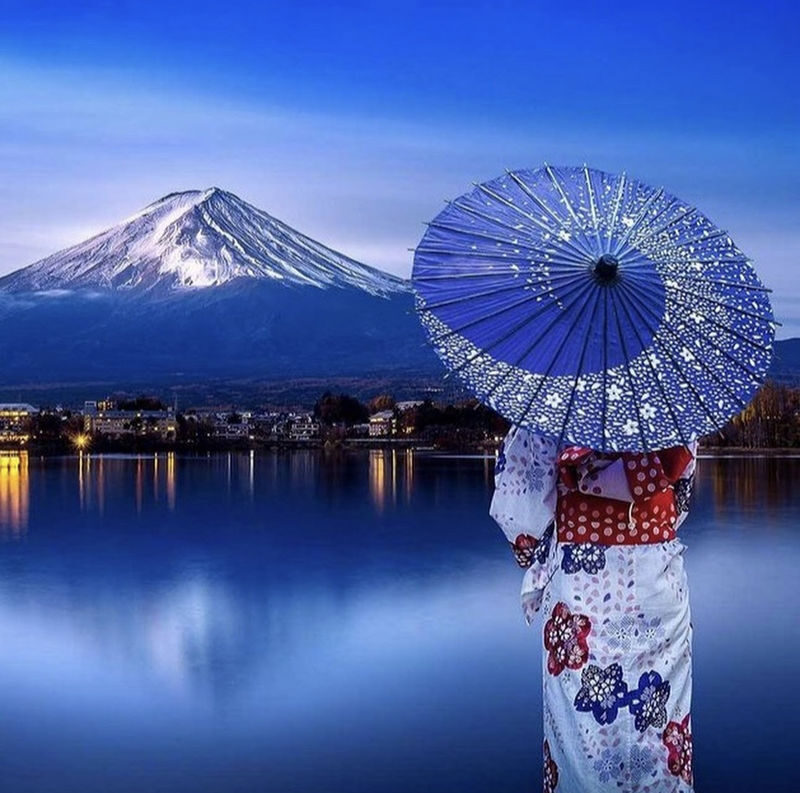
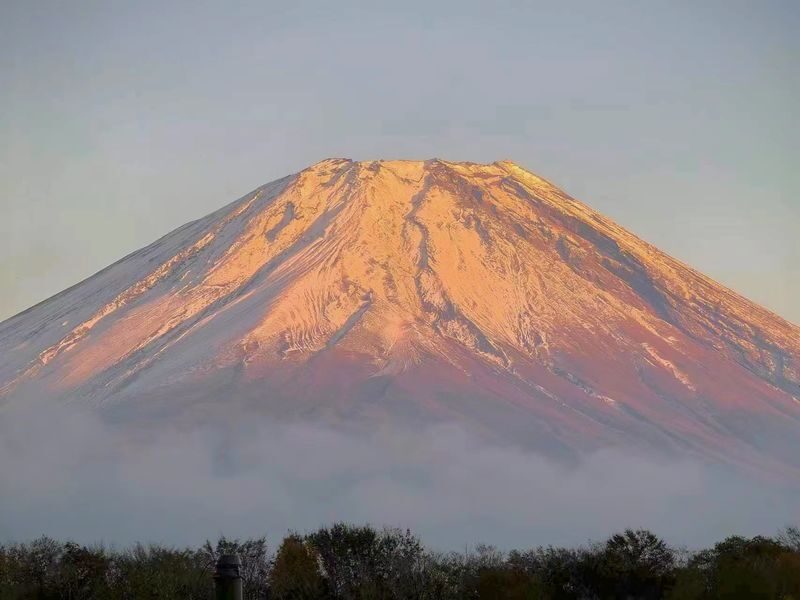
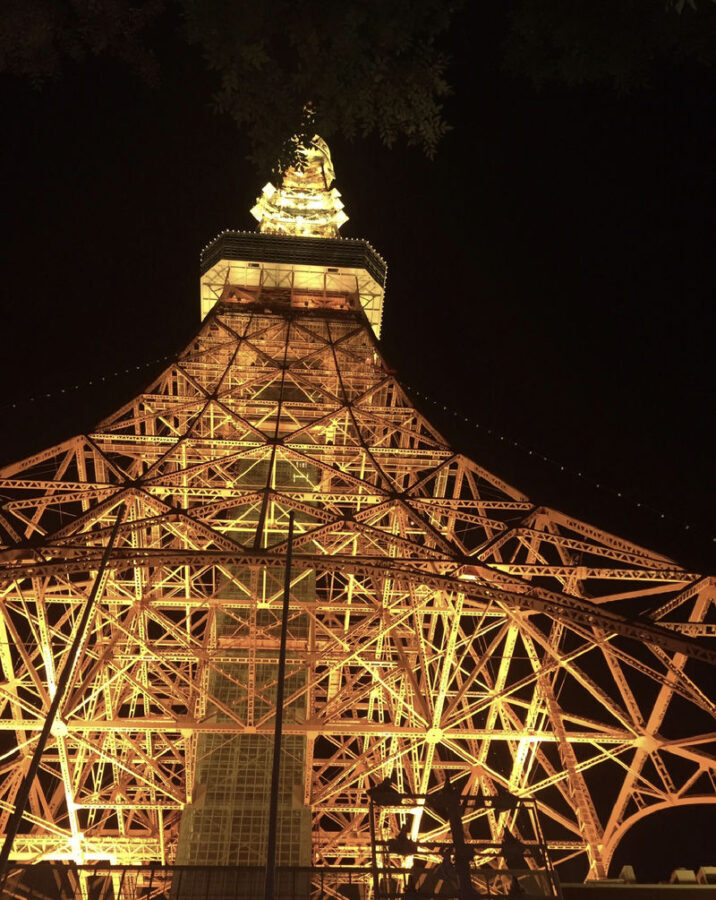
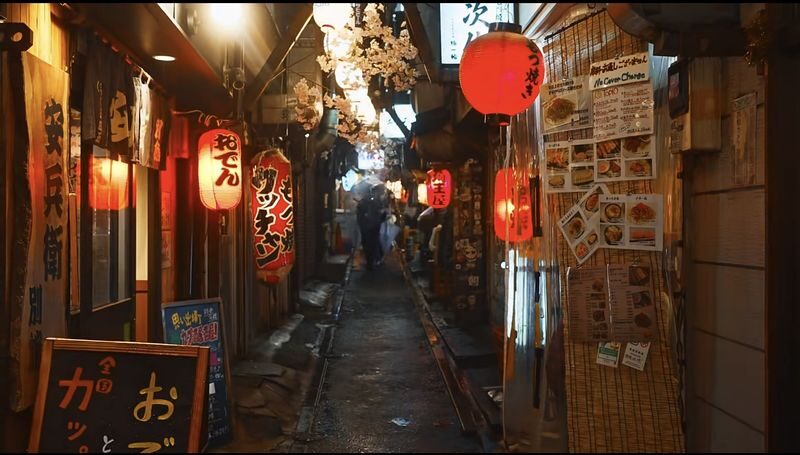
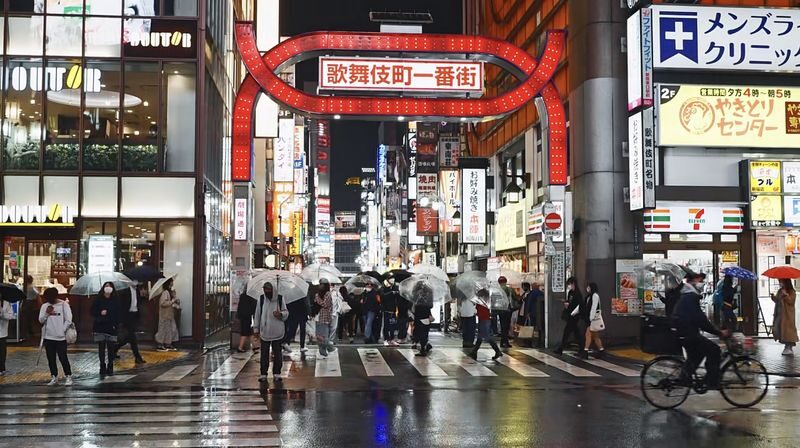
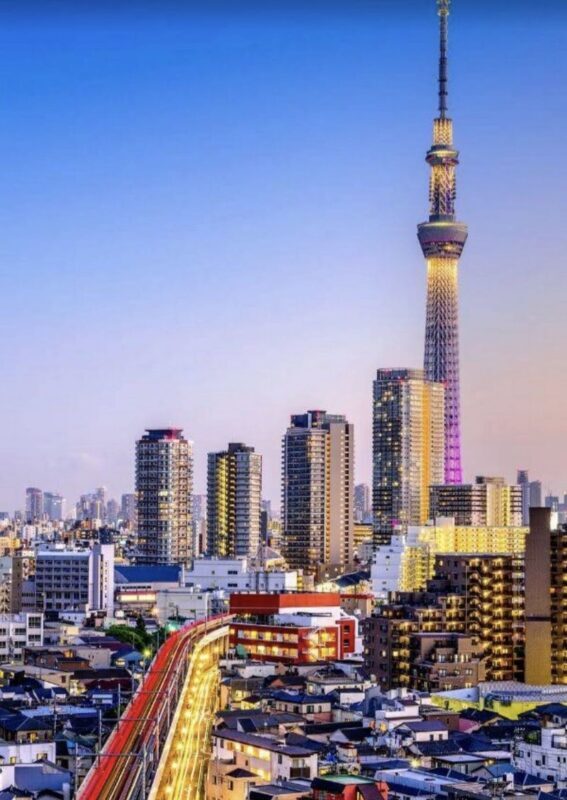
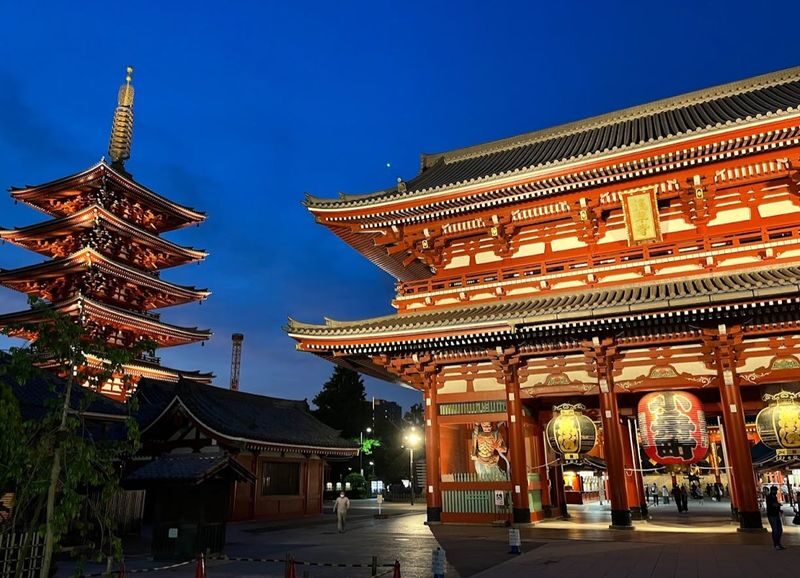
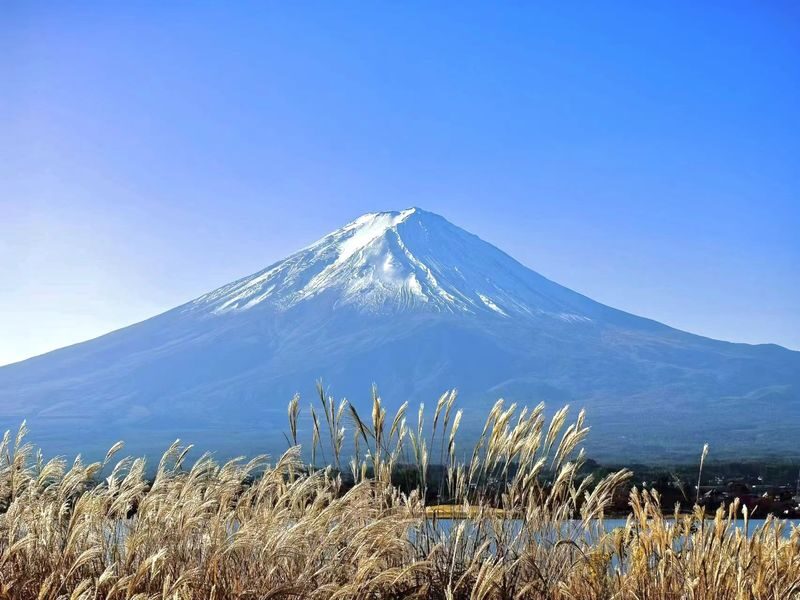
- A custom Fuji route: The suggested Route A links a Fuji viewpoint, Kawaguchiko, Oshino Hakkai, and Gotemba Outlets. Agree on priorities before you go.
- Hotel pickup and drop-off: You avoid public transport transfers and can leave luggage at your accommodation rather than carry it between stations.
- Not a guaranteed guided tour: A driver may offer suggestions, but a separate tour guide and attraction admission are not included.
- Plan for extra charges: Highway tolls and parking are excluded, and peak-season supplements may apply.
- Weather can change the day: Fuji may be hidden by cloud or rain, so have alternate stops in mind.
- Check vehicle capacity carefully: Children count as passengers, and luggage limits vary by vehicle size.

👉 See our pick of the 3 Best Tours In Fujiyoshida
A private ride makes the Fuji region easier to reach
The main benefit is control. Public transport can take you to the Fuji Five Lakes area, but moving among lakeside viewpoints, spring ponds, and shopping stops takes more planning. With a charter, your driver handles the road and you can shape the day around what matters most to your group.
That convenience has real value for families, people carrying bulky bags, and groups of four or more. You can ask for a rest stop, change the order of sights, or spend longer at a place you love. The trade-off is that a private car does not erase distance or traffic. The Fuji area is far enough from Tokyo that a late start or a slow return can squeeze your time at the stops.
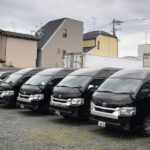
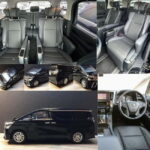
The service has several vehicle sizes: a five-seat car for up to three passengers with two standard suitcases, a seven-seat vehicle for up to five passengers with four suitcases, a ten-seat vehicle for up to nine passengers with eight, and an 18-seat minibus for up to 17 passengers with ten. Those figures include children in the passenger count. Oversized luggage counts as two pieces, and a child seat takes up about one and a half passenger spaces, so choose based on the full load, not just the number of adults.
You can also read our reviews of more private tours in Fujiyoshida
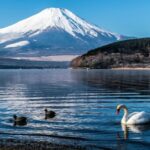

Kawaguchiko gives you the classic Fuji view
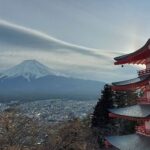
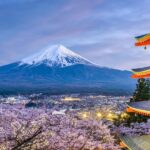
Lake Kawaguchiko is the most accessible of the Fuji Five Lakes and has the longest shoreline. Its low elevation and open lakeside areas make it a natural place to pause, walk, and look for Mount Fuji across the water. On a clear day, the lake and mountain make the kind of view many people came for.
The season changes the appeal of the shore. Cherry blossoms draw people to the lakeside photo spots in spring, while autumn brings color along the foliage corridor. Those popular periods can also mean more people and slower roads, so keep the schedule light rather than trying to fit in every possible viewpoint.
The mountain is not guaranteed to appear. Rain, cloud, and haze can hide it, even when you have made the trip all the way from Tokyo. A flexible driver may suggest a different stop, but you should decide in advance what would still make the day worthwhile if Fuji is obscured. Some itineraries include Oishi Park, a Lawson convenience store viewpoint, or Arakurayama Sengen Shrine and park, but these are not all promised stops. Confirm your choices with the operator before departure.
Oshino Hakkai is a slower, smaller stop
Oshino Hakkai is a cluster of eight clear spring ponds between Lake Yamanakako and Lake Kawaguchiko. Water filtered through Mount Fuji’s volcanic ground feeds the springs, and the ponds are set among traditional buildings and garden-like surroundings. It offers a different feel from a broad lake view: you wander between small pools and take in the water, plants, and mountain when visibility allows.
The setting changes through the year. Irises flower in May, lupines in June, sunflowers in July, and cosmos in August. These seasonal details make the stop more than a quick photo pause, though you may need to keep an eye on the clock if your route also includes multiple lakeside stops and an outlet visit.
Oshino Hakkai is not a place to rush through if you want to look around. Agree on a realistic stop length with your driver. A tight schedule can turn a peaceful walk into a dash back to the car.
Gotemba Outlets can be a useful final stop
Gotemba Premium Outlets has about 210 domestic and international brands, laid out in an open, American-style setting with views of Mount Fuji on clear days. It suits you if shopping is part of the plan, or if your group wants a change of pace after nature stops.
The outlet is also where an ambitious itinerary can start to feel crowded. A day that combines several Fuji viewpoints, Kawaguchiko, Oshino Hakkai, and shopping leaves little room for lingering. One practical tip is to choose your priority: if shopping matters most, go there earlier or trim another stop. If Fuji scenery is the main goal, spend your limited time at the lake and spring village instead.
Custom does not mean unlimited
The Fuji route is described as a hotel-to-viewpoint-to-Kawaguchiko-to-Oshino Hakkai-to-Gotemba itinerary, returning to the hotel. You can discuss changes, and drivers have adjusted plans when weather made the original stops less appealing. But the charter has a travel-distance limit of 300 kilometers, and the route needs to be reasonable, without backtracking.
This is why it pays to name your must-sees before the day. Ask which stops fit together, how long you can spend at each one, and what the driver recommends as a weather alternative. Some drivers have been praised for suggesting photo spots or quieter alternatives; the assigned driver is random, however, so treat that as a possible bonus rather than a guaranteed service.
There is also a basic distinction between driving and guiding. A professional driver is included, but a tour guide and admission fees are not. Some drivers share local suggestions or help with photos, while others mainly drive and answer questions. If detailed commentary is important, ask what language support and guiding you can expect before booking.
You can also read our reviews of more tours and experiences in Fujiyoshida


Tokyo city routes are a different product
The available packages include a Tokyo city charter as well as an outskirts charter for Mount Fuji or Hakone. The city option lists possible stops such as Tsukiji Market, the Imperial Palace, Asakusa and Kaminarimon, Ginza, Tokyo Skytree, Ueno Park, Akihabara, Tokyo Tower, and Odaiba. These are sample route choices, not a sensible promise to cover every place in one outing.
There is an important mismatch in the supplied schedule: it names Kabuki-za, Tokyo Tower, Tokyo’s 23 wards, and Asakusa, even though the product title and one package option are for a Fuji-area trip. The package details identify that schedule as the Tokyo city route. Before paying, make sure you have selected the Fuji package and have the correct stops, duration, pickup point, and return plan confirmed in writing.
Price, tolls, and time need a little arithmetic
The stated starting price is $281.05. For a group, compare it with the total cost of train fares, local transport, and the value of having a car for the day. A family or group of five may find the convenience especially worthwhile, while a couple travelling light may prefer public transport if keeping costs down is the priority.
That starting price does not cover everything. Highway tolls and parking are excluded, and some outings have involved additional payments of roughly ¥9,000 to ¥11,500. Those are not fixed fees stated for every route, so request an estimate for your planned stops and ask how the driver will document any charges. Peak-season differences of ¥10,000 to ¥20,000 may also apply, with the amount confirmed after booking.
Time limits matter just as much as the fare. The service information gives ten hours for a Tokyo city charter, but says an eight-hour service applies when the departure or return point is outside Tokyo. The product is also described as an eight-hour activity, so confirm which rule applies to your selected package. Overtime is charged by vehicle size, from ¥5,000 per hour for five- to seven-seat cars, ¥10,000 for ten seats, and ¥15,000 for vehicles of 14 seats or more. A separate ¥300 per kilometer applies beyond 300 kilometers.
Traffic can make the return trip unpredictable, especially on weekends and in peak periods. The overtime rules say congestion can still incur a charge, so build a buffer into your plan and ask how the operator handles a delay that is outside your control. Do not assume an early departure from a stop guarantees an on-time return.
Communication and child seats take advance planning
Drivers are assigned from Chinese-, Japanese-, or English-speaking staff, with Chinese drivers prioritized in principle. The assigned driver is not guaranteed to speak your preferred language, so provide that preference and confirm it through the operator’s messaging channel. LINE, WhatsApp, and WeChat are listed as the main ways to communicate.
One child seat can be provided free if requested in advance, subject to availability. Additional seats cost ¥2,000 per seat per day, and more than two need to be discussed with customer service. Because a child seat affects space for people and bags, confirm the vehicle size again after adding one.
The driver details are sent before departure, no later than three hours before the vehicle is used. Be ready in the hotel lobby at least ten minutes before pickup. The pickup time and location are arranged with the operator, and the standard booking terms allow free cancellation with at least 72 hours’ notice.
Who should book this Fuji charter
I would consider this for a family with young children, a group that wants several stops in one day, or anyone who would rather pay for direct transport than manage transfers around the Fuji Five Lakes. It is also a good fit if you want the freedom to adjust your route and can accept that weather may obscure the mountain.
It is less compelling if you are travelling solo or as a couple on a tight budget, want a guaranteed expert guide, or dislike uncertain extra charges. It is not a good match for a packed checklist of stops with generous time at every one. The drive is long, the return can be slow, and the schedule has limits.
Book it if convenience and flexibility are worth more to you than a fixed, all-inclusive price. Before you commit, confirm the Fuji route, the correct service duration, expected toll and parking costs, vehicle capacity, and any peak-season supplement. Those few questions can make the difference between a relaxed day out and an expensive race against the clock.
Tokyo Private Car Charter | Mount Fuji-Lake Kawaguchi-Oshino Hakkai | Customizable Itineraries
“We were extremely satisfied with our private car charter experience! The best part was the direct pickup and drop-off service from our accommodatio…”
FAQ
How long is the Mount Fuji charter?
The activity is described as eight hours, while the service details give ten hours for a Tokyo city charter and eight hours when the departure or return point is outside Tokyo. Confirm the duration for your chosen package before booking.
Where can the Fuji route go?
The suggested route runs from your hotel to a Fuji viewpoint, Lake Kawaguchiko, Oshino Hakkai, Gotemba Outlets, and back to your hotel. You can discuss a reasonable custom route with the operator.
Is hotel pickup included?
Round-trip hotel transfers are included. Pickup and drop-off arrangements depend on the address you provide and the selected service area.
Are tolls and parking included in the price?
No. Highway tolls and parking fees are listed as exclusions. Ask the operator for an estimate based on your planned route.
Is a tour guide included?
No separate tour guide is included. A professional driver is provided, and the driver may offer suggestions, but guiding is not guaranteed.
What languages may the driver speak?
Drivers are assigned from Chinese-, Japanese-, or English-speaking staff. Chinese-speaking drivers are prioritized in principle, but the language of your assigned driver is not guaranteed.
Can I request a child seat?
Yes. One child seat can be provided free if requested in advance and subject to availability. Additional seats cost ¥2,000 per seat per day.
How many people can each vehicle carry?
The listed options carry up to three passengers in a five-seat car, five in a seven-seat vehicle, nine in a ten-seat vehicle, or 17 in an 18-seat minibus. Infants and children count as passengers.
What happens if the trip runs overtime?
Overtime charges are paid directly to the driver in cash. The stated rates are ¥5,000 per hour for five- to seven-seat vehicles, ¥10,000 for ten seats, and ¥15,000 for vehicles of 14 seats or more.
Can I cancel for a refund?
A full refund is available if you cancel at least 72 hours before the activity date, using the destination’s local time. Late cancellations and no-shows are not refundable.