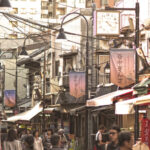
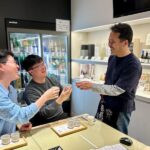
In Asakusa, this class turns sushi from something you order into something you can try making yourself. You learn the basics of nigiri and sushi rolls with an English-speaking instructor, then put on a happi coat and work with ingredients such as tuna and salmon. I like the hands-on format, and I like that it adds a small, practical lesson in Japanese food culture to a day of sightseeing.
One thing to plan around: the class is listed as 90 minutes, but some participants have finished in roughly 45. The studio can also be hard to spot because its sign is small, so allow extra time to find the second-floor entrance.
- Make two styles of sushi: Learn to shape nigiri and roll sushi, then prepare both yourself.
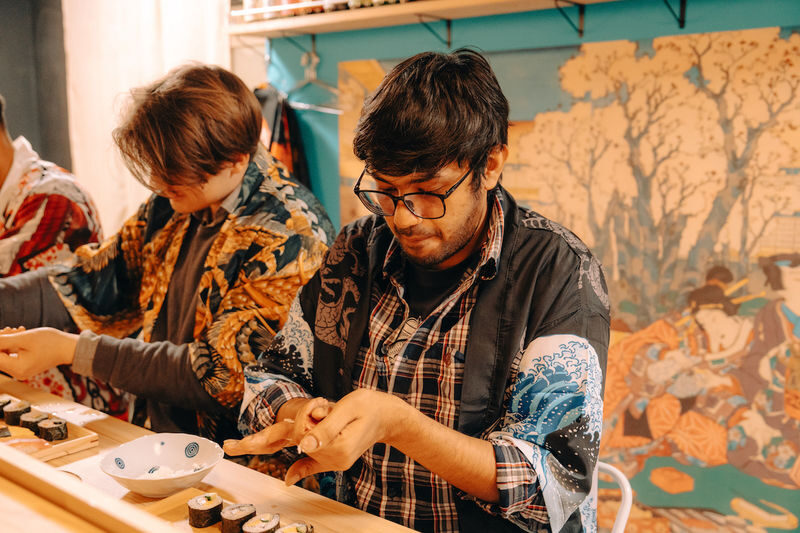
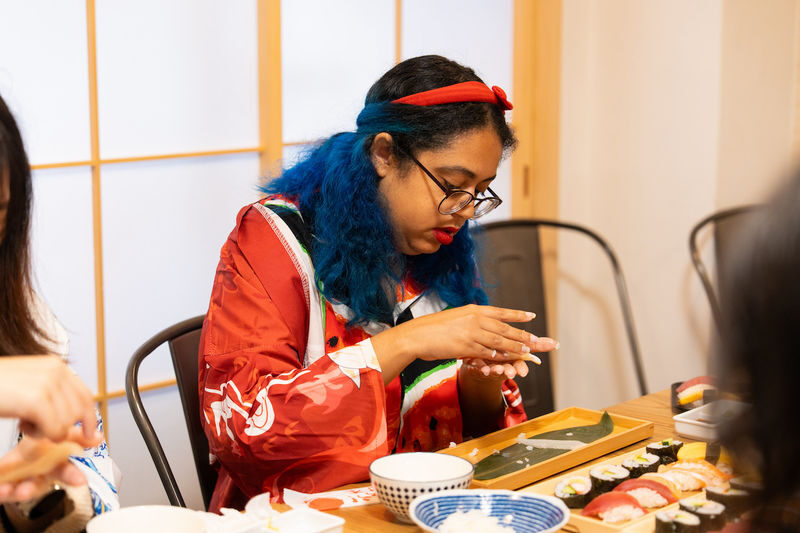
- Wear a happi coat: The traditional-style coat adds a playful touch without turning the class into a costume show.
- Work with fresh seafood: Tuna and salmon are listed ingredients; one participant especially enjoyed making squid nigiri.
- Get English-language instruction: The class is designed for beginners, with clear, guided steps.
- Plan for a shorter session: Although advertised as 90 minutes, some classes have wrapped up after about 45.
- Find the entrance carefully: SUSHI GARYU ASAKUSA is on the second floor of the Endo Building, and the small sign can be easy to miss.
- A hands-on pause in Asakusa
- Start with the chef’s demonstration
- Shape nigiri and roll your own sushi
- The happi coat adds a light cultural touch
- How long to set aside
- Is the price worth it?
- Food needs and practical limits
- Who should book this class
- FAQ
- Where does the sushi class meet?
- How long is the class?
- What will I learn to make?
- Is the class suitable for beginners and children?
- Can the class accommodate dietary needs?
- Are drinks included in the price?
- The Best Of Tokyo!
- More Workshops & Classes in Tokyo
- More Tours in Tokyo
- More Tour Reviews in Tokyo
- Not for you? Here's more nearby things to do in Tokyo we have reviewed
A hands-on pause in Asakusa
 1 / 8
 2 / 8
 3 / 8
 4 / 8
 5 / 8
 6 / 8
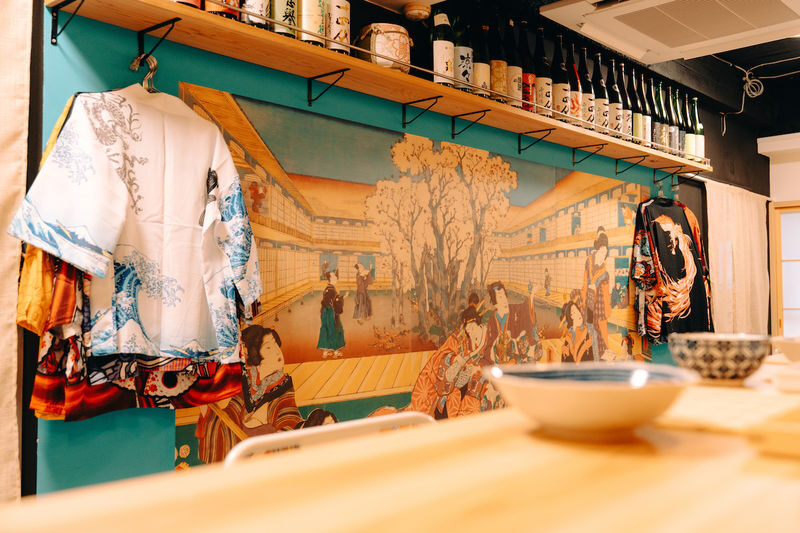 7 / 8
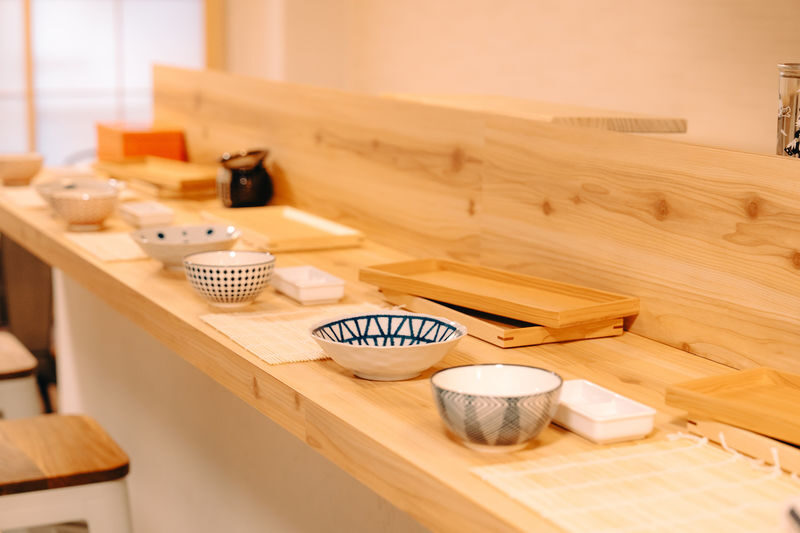 8 / 8
SUSHI GARYU ASAKUSA offers a compact cooking activity in one of Tokyo’s best-known sightseeing districts. Instead of spending the whole day looking at temples, shops, and streets, you get to sit down and learn a basic food skill. That makes this a useful change of pace, especially if you are traveling with children or want something more interactive than another guided walk.
The class is beginner-friendly, so you do not need prior cooking experience. An English-speaking instructor explains the process, then you try making nigiri and a sushi roll yourself. The aim is not to turn you into a sushi chef in one sitting. It is to show you the steps and let you enjoy the difference between watching someone shape sushi and trying to do it with your own hands.
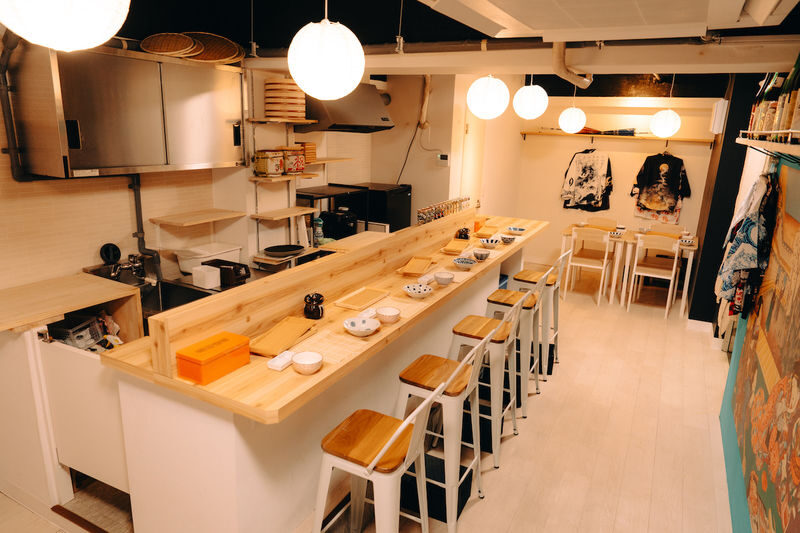
The activity takes place at 遠藤ビル 2F SUSHI GARYU ASAKUSA, at 1-18-3 Asakusa, Taito-ku, Tokyo. You are meeting at the restaurant’s second-floor location, not at a separate tourist office. One practical wrinkle is the small signage. I would save the full address before setting out and keep an eye out for the building rather than expecting a large storefront sign to guide you.

👉 See our pick of the 25 Best Guided Tours In Tokyo
Start with the chef’s demonstration
The class begins with instruction from a sushi chef or instructor. The teaching is aimed at newcomers, with clear steps for preparing nigiri and sushi rolls. The pace and personal attention can vary by session, but the format is meant to let you follow along rather than simply watch a demonstration from across the room.
Instructors named in participant feedback include Hide, Hayato, and Mia. Their teaching was described as friendly and engaging, with explanations in English. Hide was noted for making the class fun and helpful, while Hayato and Mia were praised for being welcoming and for sharing local recommendations. Those names are useful to know, but staffing may vary on your date.
There is also a cultural element alongside the cooking. The lesson can offer a bit of context about sushi, Japanese food, and the restaurant itself. It is not a long culinary lecture, but the added explanation gives the practical work more meaning than a simple recipe demonstration.
You can also read our reviews of more tours and experiences in Tokyo



Shape nigiri and roll your own sushi
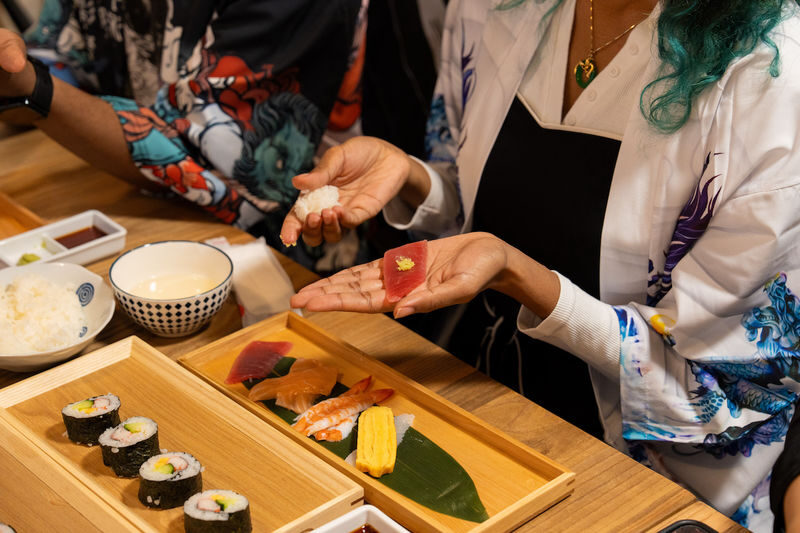
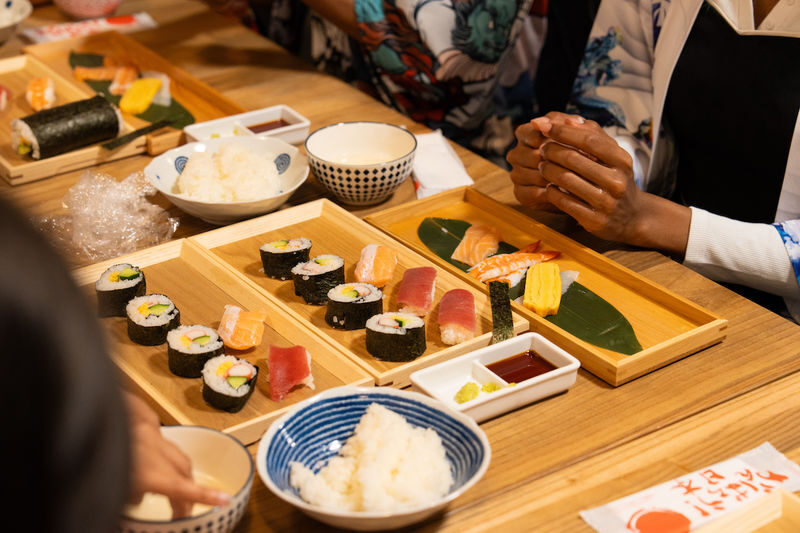
After the instruction, you get to make sushi yourself. Nigiri is the hand-shaped style, with rice and a topping formed together; the roll gives you another technique to try. The listed ingredients include tuna and salmon, and one participant singled out squid nigiri as a favorite. The exact selection may depend on the class, so do not count on a particular topping beyond what is confirmed for your booking.
This is the heart of the activity. Sushi looks simple when an experienced chef makes it, but shaping rice neatly takes practice. You get a chance to try the motions, see where the technique feels awkward, and make something you can eat at the end. The class is less about perfection than about learning by doing.
You should arrive ready to eat what you make. The portions have been described as generous enough to come hungry, and the finished sushi is part of the appeal. If you are hoping for a full meal, keep in mind that the precise quantity and menu are not specified. Outside food and drinks are not allowed, and beverages are not included in the class price. Drinks have been described as costly, so check the menu before ordering.
The happi coat adds a light cultural touch
The happi coat is a Japanese-style coat often associated with work or festivals, and wearing one gives the class a cheerful visual detail. It is a small thing, but it makes the activity feel distinct from a standard cooking lesson. You can take the moment seriously enough to learn the technique while still enjoying the novelty of looking the part.
The coat is not the main event, and it should not be mistaken for an in-depth cultural program. The value is in pairing a simple cultural touch with a hands-on lesson. If you are traveling with children, the outfit may help make the class more engaging; the minimum age is four. Still, the activity is centered on food preparation, so the child needs to be comfortable listening to instructions and taking part.
How long to set aside
The stated class length is 90 minutes, which is a reasonable amount of time to reserve in your plans. However, some participants have found the actual session closer to 45 minutes. That gap matters if you are arranging a meal, meeting someone afterward, or trying to fit several activities into the day.
I would treat 90 minutes as the safe planning window, but not assume that the class will fill every minute. The shorter sessions appear to have included the core instruction and making time, but the exact pace can depend on the group and instructor. If you want an extended, slow-paced cooking workshop, ask about the expected schedule before booking.
The compact format can also be an advantage. You can fit a short sushi lesson into an Asakusa visit without committing half a day. Just avoid building a tight connection around the 45-minute reports. A little breathing room makes the class easier to enjoy.
Is the price worth it?
Prices start at US$62.45 for the 90-minute class. That is not the cheapest way to eat sushi in Tokyo, but the price buys more than a plate of food: you receive English-language instruction, time to practice two sushi styles, the happi coat element, and the chance to taste what you make. For a first-time visitor who values a small, participatory activity, that can be fair value.
The calculation looks less appealing if you mainly want a long cooking lesson or a low-cost lunch. The reported session length of around 45 minutes makes the advertised duration worth checking, and drinks are an extra cost. I would judge the price by whether you want the teaching and the activity, not by comparing it with the price of sushi at a restaurant.
The provider, GARYU Co., Ltd, has a strong overall rating in its wider experience feedback, while this particular class has a 4.9 out of 5 rating from 13 ratings. That is encouraging, though the sample for this specific class is still modest. The most consistently praised elements are the instructors’ warmth, easy-to-follow explanations, fresh ingredients, and the fun of making and eating your own sushi.





Food needs and practical limits
Vegetarian, vegan, and gluten-free options are available, but you need to message the provider at least one day in advance. The same advance notice applies to food allergies. If you wait until the day of the class, the kitchen may not be able to accommodate your needs. Be specific when you send the request, and get confirmation rather than assuming an adjustment has been arranged.
The activity is not recommended for persons with disabilities. That is a broad limitation, and the supplied information does not spell out which access needs are involved. If you have a mobility or other access concern, contact the provider before booking to ask whether the space and activity can work for you.
The minimum age is four, and outside food and drinks are prohibited. The voucher is valid only for the date and time selected. Changes are generally allowed until 24 hours before the activity, subject to listed exceptions, and cancellations at least 24 hours ahead qualify for a full refund. Check the conditions attached to your booking, particularly if using a pass or promotional offer.
Who should book this class
I would choose this class if you want a friendly, low-pressure introduction to sushi making in central Asakusa. It suits curious beginners, couples, families with children aged four or older, and anyone who would rather take part in a local food activity than only watch and photograph. It is also a good fit if you already plan to visit the area and want a short activity to break up sightseeing.
You may want another option if you expect a full 90-minute workshop, need a guaranteed long lesson, or are especially price-conscious about drinks. The short-session reports do not erase the appeal, but they do change what you should expect for the cost. Confirm dietary needs in advance, allow time to find the second-floor studio, and keep your schedule flexible.
My call: Book it for the instruction, the chance to make nigiri and rolls, and the warm, personal style that instructors such as Hide, Hayato, and Mia have brought to classes. Go in expecting a compact activity rather than a full culinary course, and the price makes more sense.
Sushi Making Class in a Happi Coat in Asakusa
“A wonderful 1.5-hour experience with a great chef who expertly taught us sushi preparation techniques. The class concluded with a tasting of our cr…”
FAQ
Where does the sushi class meet?
It meets at SUSHI GARYU ASAKUSA, on the second floor of the Endo Building at 1-18-3 Asakusa, Taito-ku, Tokyo. The sign is small, so allow time to find the entrance.
How long is the class?
The class is listed as 90 minutes. Some sessions have finished in about 45 minutes, so allow up to 90 minutes but do not assume the class will last that long.
What will I learn to make?
You will learn to make nigiri sushi and a sushi roll, with instruction from an English-speaking staff member. Ingredients listed include tuna and salmon.
Is the class suitable for beginners and children?
Yes. It is described as beginner-friendly, and participants must be at least four years old.
Can the class accommodate dietary needs?
Vegetarian, vegan, and gluten-free options are available. You must message at least one day in advance, and you should also give at least one day’s notice for food allergies.
Are drinks included in the price?
No. Beverages are not included, and drinks have been described as quite expensive. Outside food and drinks are not allowed.