Tokyo’s forested Meiji Jingu, Mount Fuji framed by Chureito Pagoda, Kyoto’s red torii gates and Osaka’s castle give this nine-day route a strong first look at Japan. I like the private Fuji day trip and the two free days in Kyoto, which leave space for both famous sights and your own discoveries.
The practical catch: this is not a guide-led trip every hour. You have guides on scheduled sightseeing days, but you’ll handle some station-to-hotel transfers yourself, and lunch and dinner are not included. That makes it a good fit if you want help with the main sights but can manage a few independent stretches.
- What makes this Japan tour worth a closer look
- Tokyo begins with shrines, gardens and a crowded shopping lane
- Mount Fuji day trip: scenic payoff, long hours
- The Shinkansen makes the move to Kyoto part of the trip
- Kyoto’s Golden Pavilion, castle and torii gates
- A free Kyoto day rewards a little planning
- Osaka’s castle, old streets and rooftop view
- What the price includes, and what it leaves to you
- Should you book this Tokyo-to-Osaka route?
- FAQ
- Are airport transfers included?
- Are the train tickets between cities included?
- Are meals included?
- Which hotels are planned?
- Is the Mount Fuji excursion private?
- Are guides with you throughout all nine days?
- The Best Of Tokyo!
- More Tours in Tokyo
- More Tour Reviews in Tokyo
- Not for you? Here's more nearby things to do in Tokyo we have reviewed
What makes this Japan tour worth a closer look
 1 / 9
 2 / 9
 3 / 9
 4 / 9
 5 / 9
 6 / 9
 7 / 9
 8 / 9
 9 / 9
- Chureito Pagoda and Mount Fuji: A private, roughly 10-hour day includes Oshino Hakkai and a choice of a Lake Kawaguchiko cruise or the Mt. Fuji Panoramic Ropeway.
- Three distinct city stays: Spend three nights in Tokyo, three in Kyoto and two in Osaka, with Shinkansen rides linking the cities.
- Guided sightseeing, not constant escort: English-speaking guides lead the listed city tours, while free mornings and full days let you set your own pace.
- Four-star hotels: Shibuya Excel Hotel Tokyu, Kyoto Tokyu Hotel and Osaka Excel Hotel Tokyu are the scheduled stays, subject to availability.
- A strong first-timer route: Major temples, shrines, a castle, a reconstructed old-town setting and modern city views make for a varied introduction.
- Budget for extras: The from-price is $3,736, but meals beyond breakfast, accommodation taxes, gratuities and personal expenses are not included.

👉 See our pick of the 25 Best Guided Tours In Tokyo
Tokyo begins with shrines, gardens and a crowded shopping lane
Your first day is deliberately simple. A private driver meets you at the airport and takes you to Shibuya Excel Hotel Tokyu, where you can settle in after the flight. There are no scheduled activities, so avoid planning a major outing before you know how tired you feel.
Day two brings a guided introduction to older Tokyo, using public transportation. At Meiji Jingu, a Shinto shrine dedicated to Emperor Meiji and Empress Shoken, the wooded setting offers a quiet contrast to the city streets beyond its gates. The East Gardens of the Imperial Palace add landscaped grounds and an exterior view of the palace, though this is not a visit inside the Imperial residence.
Senso-ji, Tokyo’s oldest and most significant Buddhist temple, shifts the mood again. Its grand entrance and spiritual setting are followed by Nakamise-Dori, a 250-meter shopping street lined with traditional shops and food stalls. It is a useful place to browse for small souvenirs or try a snack, but it can feel busy; treat it as part of the temple visit, not a peaceful stroll.
The day includes an eight-hour English-speaking guide, listed admissions and public transport fares for the tour. The guide’s presence can help make the sites more legible, especially if this is your first time navigating Tokyo. One practical tip: the pace on guided city days may feel brisk, so tell your guide if you need a slower walk or a short pause.
You can also read our reviews of more tours and experiences in Tokyo.

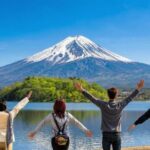
Mount Fuji day trip: scenic payoff, long hours
Day three is a full excursion from Tokyo to Kawaguchiko, about 130 kilometers southwest. A private vehicle and guide spare you the need to piece together local transport, but allow for a long day: the drive is described as about two and a half hours each way, before time at the stops.
At Oshino Hakkai, clear ponds fed by Mount Fuji’s spring water are the attraction. The village gives you a close-up look at water and mountain culture, rather than just another distant Fuji viewpoint. Arakurayama Sengen Shrine leads to the famous Chureito Pagoda view, with Mount Fuji behind it. The stairs and walking involved are worth keeping in mind, even though the tour’s overall physical rating is low.
For the afternoon, you choose one of two options: a cruise on Lake Kawaguchiko or a ride on the Mt. Fuji Panoramic Ropeway. The boat keeps you on the water; the ropeway offers a higher viewpoint. You do not get both as part of the stated plan, so choose based on the kind of view you want.
This day includes a 10-hour English-speaking guide, private transport and admission to listed attractions. It is one of the tour’s strongest inclusions: a private car makes a multi-stop day simpler than arranging each connection yourself. After the return drive, you sleep in Tokyo again, rather than changing hotels for one night.
The Shinkansen makes the move to Kyoto part of the trip
Day four starts with a free morning in Tokyo, then you make your own way to Tokyo Station for the Shinkansen ride to Kyoto. The journey takes about two hours, and the train ticket is included. On arrival, you are responsible for getting to Kyoto Tokyu Hotel, so leave time and budget for that transfer.
The rest of the day is open. You can keep it easy after the train or head out to see a temple, walk through older streets or find dinner. Breakfast is included each morning, but lunch and dinner are your choice and expense. That freedom is useful, though it means you should have a rough plan for meals and transport rather than expect a guide to meet you.
The tour gives you a second free morning in Kyoto on day seven before the train to Osaka. Again, the Shinkansen ticket is included, but you arrange your own transfer from the station to Osaka Excel Hotel Tokyu. The short train hop is easy; moving bags through stations and to the hotels is the less glamorous part. No luggage transfer service is listed, so pack with those independent connections in mind.
Kyoto’s Golden Pavilion, castle and torii gates
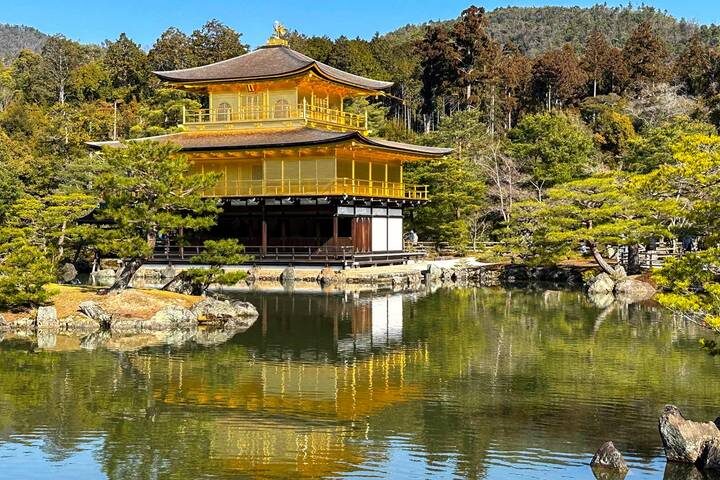
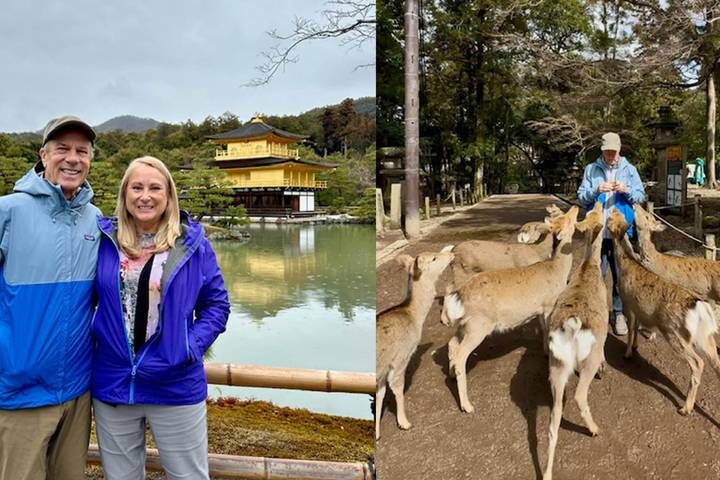
Day five is Kyoto’s principal guided sightseeing day. Kinkaku-ji, the Golden Pavilion, is known for its gold-leaf exterior reflected in a pond. It is an iconic stop, and its fame means you should expect to share the view rather than have the grounds to yourself.
Nijo Castle adds a different kind of history. It was a residence of the first shogun of the Edo Period, and its architecture and preserved interiors help explain the power behind the city’s temples and courtly image. The tour includes admission and public transport, with an eight-hour English-speaking guide.
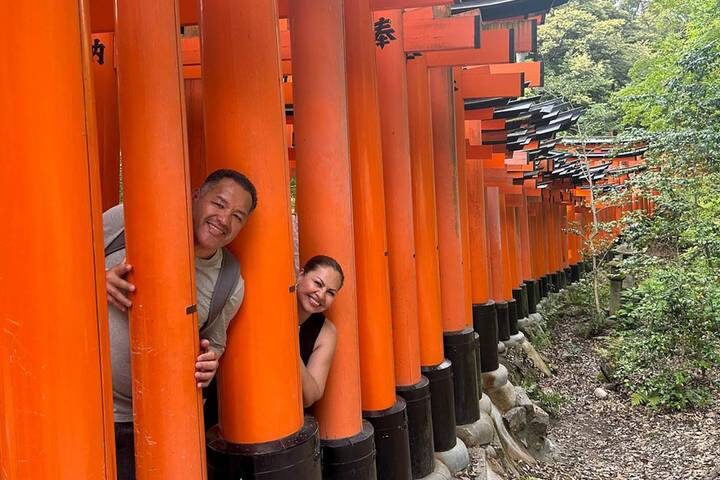
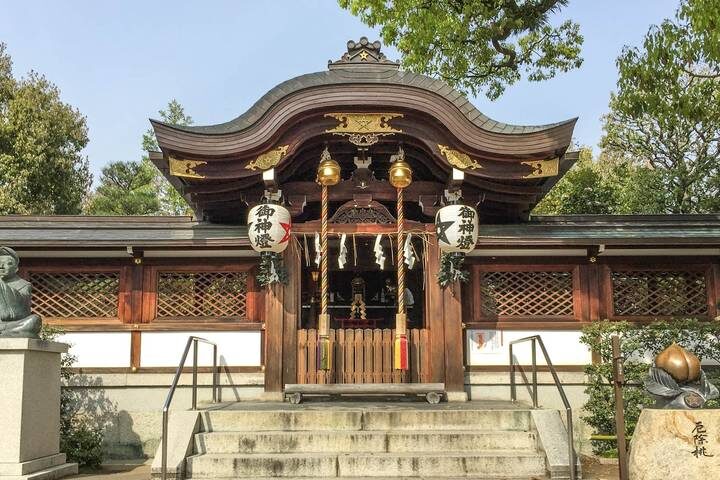
Fushimi Inari Shrine is the day’s most memorable walk for many people: thousands of vermilion torii gates climb Mount Inari. You can take in the lower paths without attempting a long uphill walk, or go farther if time and energy allow. Gion closes the day with traditional streets and the chance, not a promise, of seeing geishas in formal dress.
A traditional tea ceremony with a geisha is offered as an optional extra. It may appeal if you want a more structured cultural activity, but it costs extra and is not part of the base price. Ask about its timing before booking if it is a priority, so you know how it fits with the guided day.
A free Kyoto day rewards a little planning
Day six is completely open, giving you time to choose a side of Kyoto that the guided tour does not cover. Arashiyama Bamboo Forest is an option for a nature-focused outing; the Philosopher’s Path suits a long walk; local markets and teahouses make a slower day. These are suggestions, not included guided activities, so you arrange your own transport and any admissions.
I like this pause in the schedule. Kyoto’s major sights are spread out, and one guided day cannot do justice to every neighborhood. A free day lets you linger, rest or follow an interest without racing to the next stop. On the other hand, it is worth deciding on one main area in advance, rather than spending your best hours crossing town repeatedly.
Breakfast is provided at the hotel, while other meals are on your own. Vegetarian, vegan, halal and kosher food options can be requested from Odynovo. If you have dietary needs, share them before departure rather than waiting until you are hungry and standing outside a restaurant.






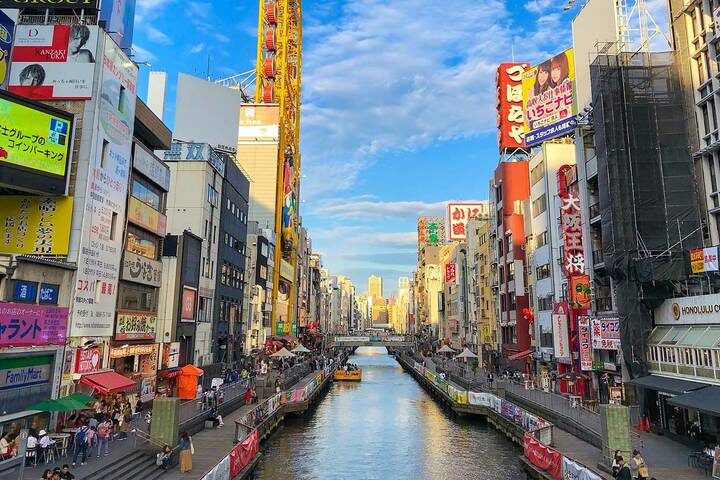
Osaka’s castle, old streets and rooftop view
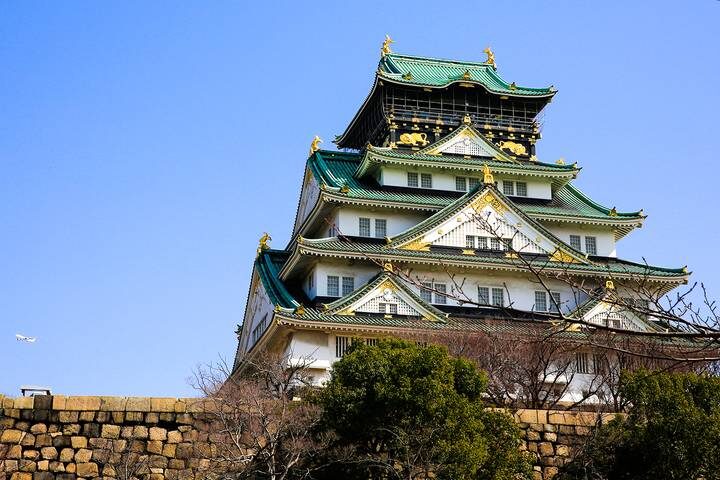
Day eight is a guided full day using public transportation. Osaka Castle sits among broad park grounds, stone walls and moats. The setting gives the visit room to breathe, and the castle is a good counterpoint to Kyoto’s temples. Admission is included.
At the Osaka Museum of Housing and Living, reconstructed streets and old townhouses show how city life looked in earlier periods. This is a useful change from viewing grand buildings: it focuses on ordinary homes and streets. The final stop is Umeda Sky Building, where the Aerial Garden Observatory offers a high view over the city.
An eight-hour English-speaking guide, public transport fares and listed admissions are included. Public transport makes the day feel more like a local city outing than a private-car circuit, though it also means walking between stations and attractions. The overall tour is rated low intensity, but wear comfortable shoes for the guided days.
Day seven is mostly free after you reach Osaka. A separate three-hour walking tour is available at extra cost, with Shinsekai backstreets, street stalls and dinner at a traditional izakaya. It is a way to add food and neighborhood time, but it is optional, and the base tour does not include dinner.
Day nine is an unstructured morning followed by a private transfer to the airport. The international flight itself is not included. Check your departure airport and flight details when planning, since the package describes an Osaka airport transfer without naming a specific airport in the daily schedule.
What the price includes, and what it leaves to you
The starting price is $3,736 for a nine-day private tour, based on the cheapest room option. Value depends on how much you want someone else to arrange: airport transfers, four-star hotels, several guided sightseeing days, admissions listed in the plan, local transport on guided days and two intercity Shinkansen tickets are included. The private Mount Fuji excursion is another major part of the package.
You are paying for coordination and guided access, not an all-inclusive holiday. Only eight breakfasts are included. Lunches, dinners, gratuities, international flights, visa costs, personal spending and optional activities are extra. Accommodation tax is also paid directly to hotels, and peak-season or last-minute prices can change.
The listed Tokyo hotels are in a city where rooms can be compact. The tour information gives a typical range of 14 to 18 square meters for three- and four-star Tokyo rooms. Confirm whether you need twin beds: the normal arrangement is one large bed for two, and requests should be made in advance. Hotel details are subject to availability when payment is received.
The overall tour scores are strongest for the operator and guides, with itinerary, transport, accommodation and food also rated well. The broad picture is encouraging, but guide experiences can differ: some guests have found city guides friendly and helpful, while one account described a Tokyo guide who spoke little and walked too fast. If pace or detailed commentary matters to you, raise that with Odynovo before travel and make your preferences clear to each guide.
The operator’s wider record and stated support may reassure you, but do not confuse that with a guide accompanying you at all times. The schedule has free days and independent station transfers. Final hotel and itinerary details are sent about three days before travel, so check them promptly and confirm transfer arrangements, room setup and any requested changes.
Should you book this Tokyo-to-Osaka route?
Book it if you want a first Japan trip with the major sights organized, a private Fuji day, four-star hotels and English-speaking guides for key city visits, while keeping some time to yourself. Families and couples who value door-to-door airport transfers and a clear route may find the price worthwhile.
Think twice if you want a guide beside you every day, included meals, luggage handling between hotels or a slower, highly flexible pace. You can save money by arranging trains, hotels and guides yourself, but you will take on more planning. Before paying, check the final hotel availability, twin-bed request, independent transfers and peak-season pricing. Those details will tell you whether the convenience is worth the cost for your style of travel.
Best of Japan: Tokyo to Osaka by Odynovo – 9-Day Tour
“Very educational but maybe too many repettitive history items.”
FAQ
Are airport transfers included?
Yes. The tour includes a private driver for the arrival transfer in Tokyo and the departure transfer from the hotel to the airport in Osaka.
Are the train tickets between cities included?
Yes. The Shinkansen ticket from Tokyo to Kyoto and the ticket from Kyoto to Osaka are included. You make your own way between each arrival station and hotel.
Are meals included?
Eight breakfasts are included. Lunch and dinner are at your own expense. Vegetarian, vegan, halal and kosher options can be requested.
Which hotels are planned?
The scheduled hotels are Shibuya Excel Hotel Tokyu in Tokyo, Kyoto Tokyu Hotel in Kyoto and Osaka Excel Hotel Tokyu in Osaka. All are listed as four-star hotels, and actual availability is subject to confirmation.
Is the Mount Fuji excursion private?
Yes. The Kawaguchiko day includes private transport with a local driver and a 10-hour English-speaking guide. You choose either a Lake Kawaguchiko cruise or the Mt. Fuji Panoramic Ropeway.
Are guides with you throughout all nine days?
No. English-speaking guides are included for the listed sightseeing tours in Tokyo, around Mount Fuji, in Kyoto and in Osaka. Free days and some station-to-hotel transfers are independent.