Sushi is more fun when you make it yourself. In this Namba class, you’ll learn to shape rice and pair it with ingredients to make 12 pieces of nigiri and gunkan, then sit down to eat what you made. Along the way, the instructors share some context about sushi and Japanese culture.
What I like most is the hands-on instruction, which gives beginners a clear way into sushi-making, and the choice of vegetarian, vegan, and halal menus, a useful option for mixed-diet groups. Instructors such as Mako, Yumiko, and Yui are named by participants, though the teaching team can vary.
One thing to plan around: the advertised duration is inconsistent. The summary says one hour, but the detailed schedule and class accounts point to about 90 minutes. Give yourself room for the longer visit, and check your booked session time before setting out.
- At a glance: rice, sushi, and a little Osaka culture
- Making sushi instead of just ordering it
- From the first rice shape to the last bite
- Cost and value at .20
- Costume photos and small keepsakes
- A good fit for families and first-time sushi makers
- The timing and meeting point deserve a double-check
- Food needs, drinks, and what is not included
- Should you book the Osaka Sushi Making Class?
- FAQ
- How long does the Osaka Sushi Making Class take?
- How many pieces of sushi will I make?
- Where is the meeting point?
- What languages are used during the class?
- Are vegetarian, vegan, and halal menus available?
- Can I cancel and receive a refund?
- The Best Of Osaka!
- More Workshops & Classes in Osaka
- More Tours in Osaka
- More Tour Reviews in Osaka
- Not for you? Here's more nearby things to do in Osaka we have reviewed
At a glance: rice, sushi, and a little Osaka culture
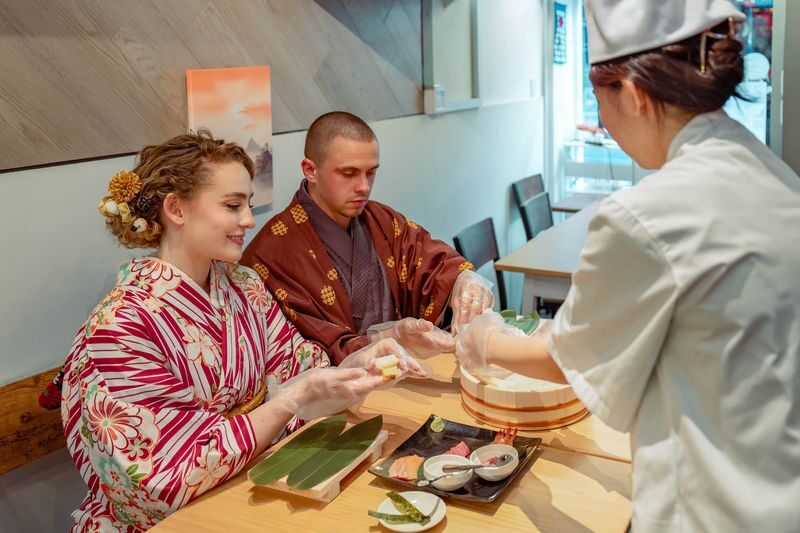
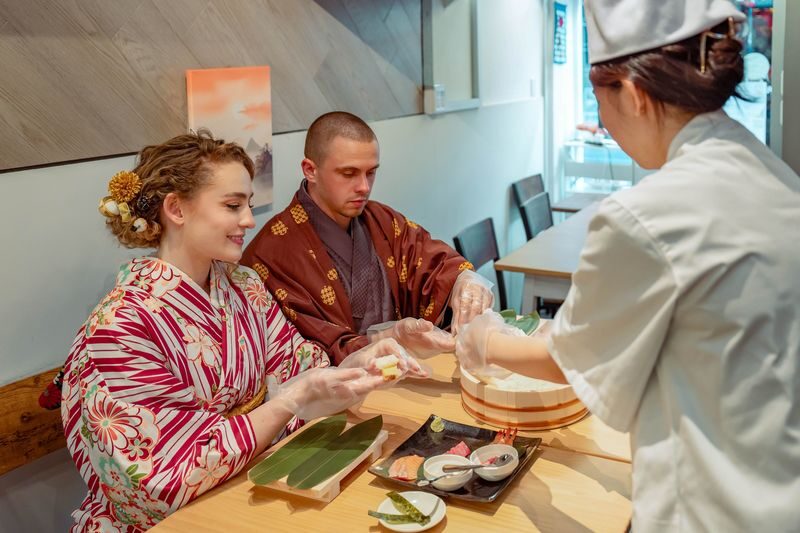
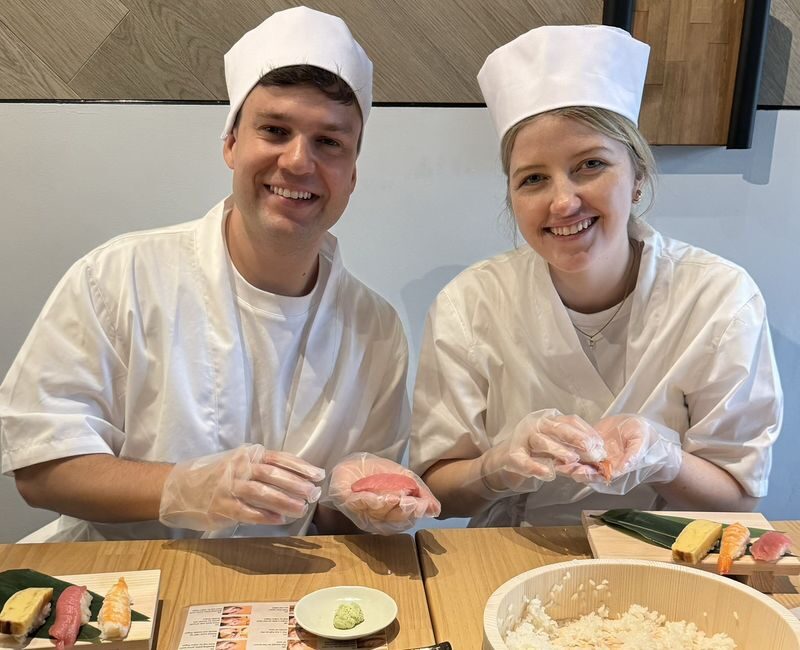
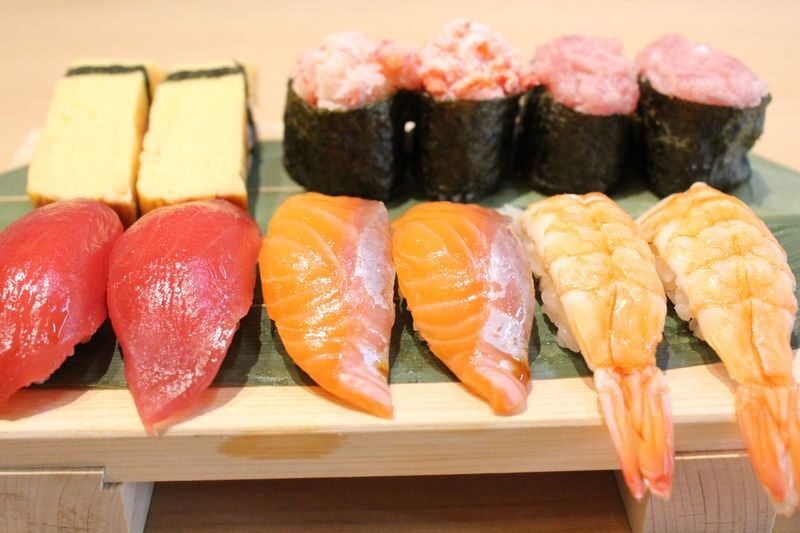
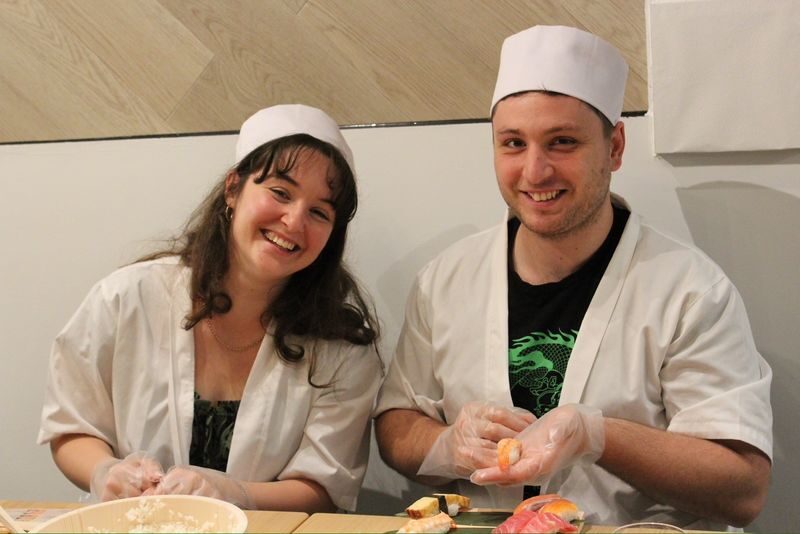
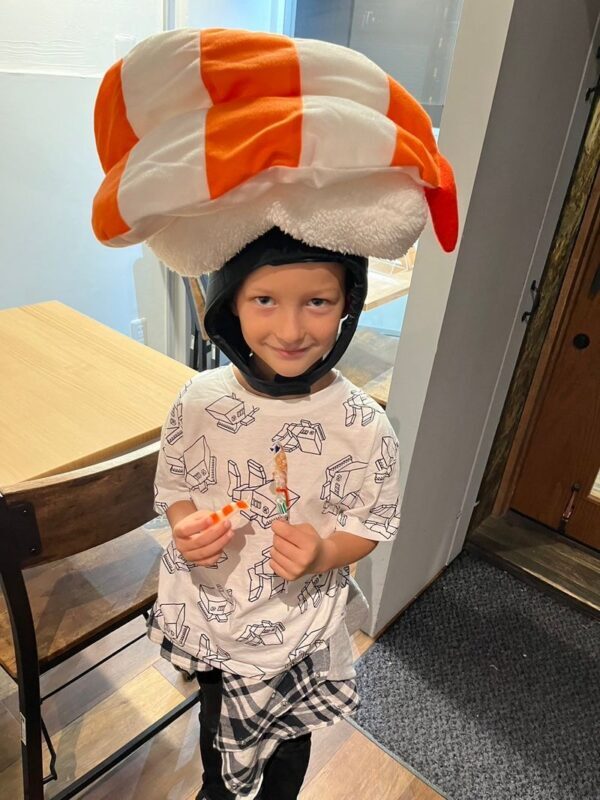
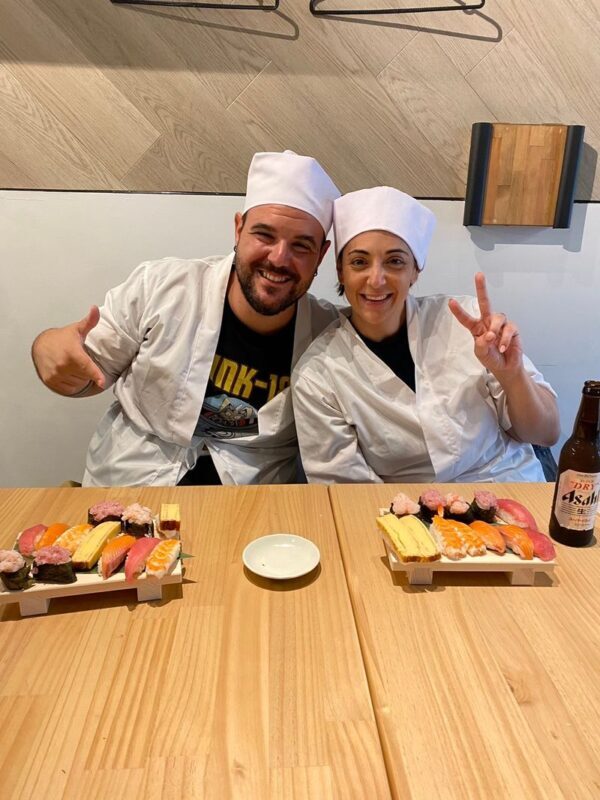
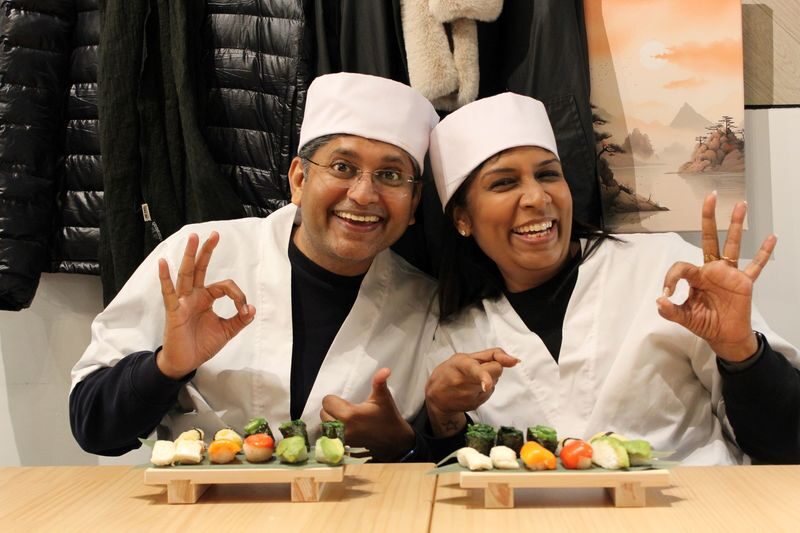
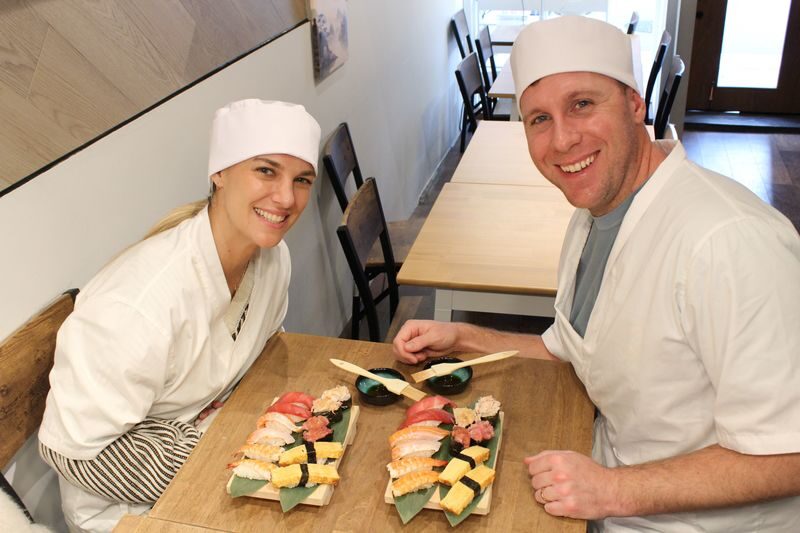
- Make 12 pieces yourself: The core class covers nigiri and gunkan sushi, from preparing the rice to shaping each piece.
- Get step-by-step help: Staff teach in English, Chinese, and Korean, and the activity is designed for beginners.
- Choose a dietary menu: Vegetarian, vegan, and halal options are available. Ask for the option you need when booking.
- Add a costume and photos: You can try a sushi-chef costume and take part in a photo session.
- Find it near Namba: The meeting address is a three-minute walk from Namba Station, Exit 25.
- Leave time for the meal: You eat the sushi you make, and optional Japanese sake or beer is available.
👉 See our pick of the 24 Best Workshops And Classes In Osaka
Making sushi instead of just ordering it
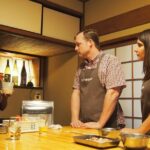
Osaka is a good place to put sushi-making on your itinerary, and this class offers a welcome change from restaurant hopping. You aren’t just watching a chef at work. You handle the rice and ingredients, then practice forming the sushi yourself, with an instructor close by to explain each step.
That practical format matters if you’ve never made sushi before. The instructors break the process into manageable actions: prepare the rice, combine it with the toppings, and shape the pieces. You don’t need prior experience, and the class is aimed at helping you make the food rather than expecting you to arrive with cooking skills.
The main lesson is making 12 pieces of sushi, including nigiri and gunkan. Nigiri pairs rice with a topping, while gunkan has a shaped rice base with ingredients held in place around it. Making two styles gives you a small but useful introduction to how sushi can take different forms.
The class also puts sushi in a cultural frame. You’ll hear explanations about sushi and Japanese culture as you work, and some instruction may touch on historical context. This is not a long food-history lecture; the learning happens alongside the cooking, which keeps the hour or so active and approachable.
You can also read our reviews of more tours and experiences in Osaka

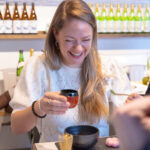

From the first rice shape to the last bite
Expect to meet at the Sushi Making Experience Namba address and join a guided class on site. The activity is listed as a meet-up, not a hotel pick-up tour, so you’ll need to arrange your own way there. From Namba Station, the venue is about a three-minute walk from Exit 25.
Once inside, staff guide you through the process. The atmosphere is described as casual, with clear demonstrations and patient help as you try each step. You can ask questions while you work, and the instructors can correct your technique as you go. That personal guidance is especially useful when rice shaping feels unfamiliar or your first attempt looks more like a small rice ball than a neat piece of sushi.
The class is offered in English, Chinese, and Korean. English-speaking staff are also specified, and people who took the class with children describe the instruction as easy to follow. If you’re traveling with a child or someone who learns best by watching and copying, the demonstration-led approach should suit you.
After shaping the sushi, you eat your own work. That meal is part of the appeal: it gives the activity a satisfying finish and makes the food lesson more memorable than a demonstration alone. The amount is described as plentiful by some participants, but appetite and the exact menu will vary. It’s sensible not to arrive after a large meal if you want to enjoy what you make.
The menu can change with the season and availability of ingredients. That flexibility is normal for a food activity, but it means you shouldn’t count on one particular fish or topping. If you have dietary needs, choose the vegetarian, vegan, or halal option offered for the class rather than assuming that a standard menu can be adjusted on the spot.
Cost and value at $44.20
At a starting price of $44.20, this is more than a quick cooking demonstration. You get guided instruction, the chance to make 12 pieces, and a meal made from your own work. The price makes best sense if you value a participatory activity and a cultural introduction, not if you’re looking only for the cheapest sushi lunch in Namba.
The class can also fill a useful gap in an Osaka schedule. It’s a compact indoor activity, and the sessions run at several times across the day, from 11:00 through 18:30. That gives you a way to build a food experience into a busy sightseeing day without needing to travel far from central Namba.
Sake and beer are mentioned as available, with sake specifically described as optional. Treat them as extras rather than a guaranteed part of the experience. The included-items information is broad, but the clearest food promise is that you make and eat sushi. If a particular drink or meal arrangement matters to you, confirm it before booking.
The class can be a good value for families, couples, friends, or solo visitors. A family of four has described having a small space to themselves, and solo participants have also taken the class. But a private session is not guaranteed, so don’t book expecting the room to be reserved for your party.
Costume photos and small keepsakes
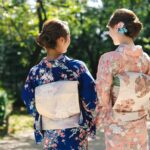
The sushi-chef costume and photo session add a playful note. They’re not the main reason to book, but they can give families or friends a lighthearted souvenir of a hands-on activity. The photos also make the class feel different from a standard food tour, where you usually eat what someone else has prepared.
A special gift is mentioned as part of the experience. One participant also received a certificate with their name represented in Chinese characters and an explanation of the characters’ meaning. That is a thoughtful touch, but certificates and the exact form of any parting gift are not stated as a fixed inclusion, so consider them a possible extra rather than something to count on.
The emphasis remains on making sushi, not dressing up. If costume photos aren’t your thing, you can still focus on the food and instruction. The class doesn’t require you to perform or pose to take part.
A good fit for families and first-time sushi makers
The activity has no age limit, and children appear to be welcome. Its step-by-step format gives younger participants something concrete to do, and making the sushi can encourage a child to try ingredients they might usually pass over. Still, this is a food-preparation class, so parents should decide whether their children will enjoy following instructions and handling the ingredients.
It also works for adults who want a relaxed, social activity. The instructors’ warm, lively manner is a recurring feature of the class, and named staff include Mako, Yumiko, Yui, and others. The team may differ by session, so don’t assume a particular instructor will be leading your class.
For a solo visitor, the activity has the advantage of being structured. You can concentrate on the steps, ask questions, and enjoy the meal without needing to organize a group. Larger groups have also taken part, including a party of 15, with both vegetarian and fish options. As with any group booking, check availability for your preferred time.
People with disabilities have also found the staff accommodating, but the available information does not set out specific access features. If you need a particular form of assistance, contact the activity in advance and explain what would help.



The timing and meeting point deserve a double-check
The address is 1A, 2 Chome-6-11 Nishishinsaibashi, Chuo Ward, Osaka, near Namba Station Exit 25. The directions give a three-minute walk from the station. The activity requires you to meet at the venue, and hotel pick-up, transport, and accommodation are not included.
Choose from session times listed at 11:00, 12:30, 14:00, 15:30, 17:00, and 18:30. Not every return time is available for every departure, and the booking time is the time you need to attend. Arrive five minutes early. Late arrivals and no-shows are not refundable, so allow a little extra time to find the address.
There is a confusing duration difference in the information: the summary says one hour, while the scheduled class is described as 1 hour 30 minutes and participants describe a 90-minute experience. I’d plan for about 90 minutes rather than scheduling a tight connection or meal immediately afterward.
The address appears in both English and Japanese, which can help if you need to show it to a taxi driver or ask for directions. Use the exact address in your map app, and check that it points to the Nishishinsaibashi location rather than another sushi class in Osaka.
Food needs, drinks, and what is not included
Vegetarian, vegan, and halal menus are available, which makes this class easier to consider for groups with different diets. A vegan version has included plant-based sushi, and the menu can change depending on ingredients and season. Confirm the option you need when you book, especially if avoiding particular ingredients is important.
The activity includes the sushi-making course and the food you prepare. Sake and beer are mentioned, but the sake is optional and the information does not establish that drinks are included in the price. Transport, hotel pick-up and drop-off, accommodation, personal expenses, tips, and insurance are excluded.
The broad inclusion list also names breakfast, lunch, dinner, and refreshments. That wording does not mean you should expect three separate meals during a short class. For practical planning, treat the experience as a sushi-making session with food to eat at the end, and ask the operator if you need certainty about drinks or meal details.
Should you book the Osaka Sushi Making Class?
Book this class if you want more than another meal out and would enjoy learning a simple, hands-on skill. It suits first-time sushi makers, families with children, couples, groups of friends, and solo visitors who want an easy cultural activity close to Namba. Dietary options and instruction in three languages widen its appeal.
Look elsewhere if your priority is a long, technical sushi course, a guaranteed private session, or a specific menu item. This is a short introductory class, and the ingredients may change. Also make sure you can arrive on time and set aside up to 90 minutes.
For a modest price, you get instruction, a cultural context, and 12 pieces to make and eat. If that sounds more rewarding than simply ordering a sushi set, this is a practical and enjoyable addition to an Osaka visit.
Osaka Sushi Making Class
“We had a great time learning about the history of sushi and how to prepare simple sushi from Misa and Mako. Instructions were easy to understand an…”
FAQ
How long does the Osaka Sushi Making Class take?
The summary gives a duration of one hour, while the detailed schedule describes 1 hour 30 minutes. Plan for about 90 minutes.
How many pieces of sushi will I make?
You’ll make 12 pieces, including nigiri and gunkan sushi.
Where is the meeting point?
The class meets at 1A, 2 Chome-6-11 Nishishinsaibashi, Chuo Ward, Osaka. It is about a three-minute walk from Namba Station Exit 25.
What languages are used during the class?
Guidance is available in English, Chinese, and Korean. English-speaking staff are also specified.
Are vegetarian, vegan, and halal menus available?
Yes. Vegetarian, vegan, and halal menu options are available. Ingredients may change with the season and availability.
Can I cancel and receive a refund?
You can receive a full refund if you cancel at least 24 hours before the activity date, using the destination’s local time.