Solaniwa Onsen turns a city spa visit into a small outing: you trade your street clothes for a yukata, soak in mineral-rich spring water, then step into a rooftop garden with seasonal plants and a foot bath. The choice is yours: keep it simple or add dining, games, treatments, and private bathing.
I like two things in particular: the natural hot spring water, drawn from about 1,000 meters underground, and the easy train access, just a short walk from Bentencho Station. The garden and baths make a welcome pause after a day on your feet.
One thing to weigh: this is a large, themed leisure complex, not a quiet country inn. The game area, dining room, and live entertainment can feel lively, and the building layout may take a little figuring out.
- Natural spring water: Weakly alkaline, mineral-rich water is used in several bath types, including an open-air bath.
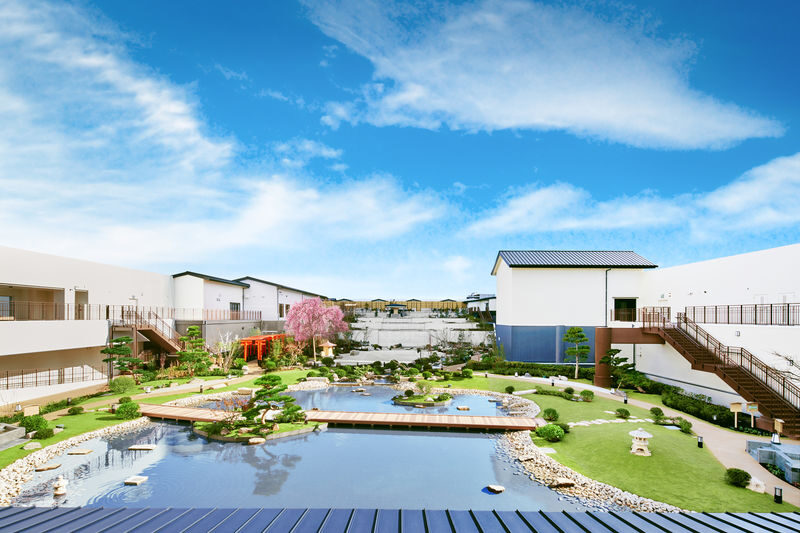
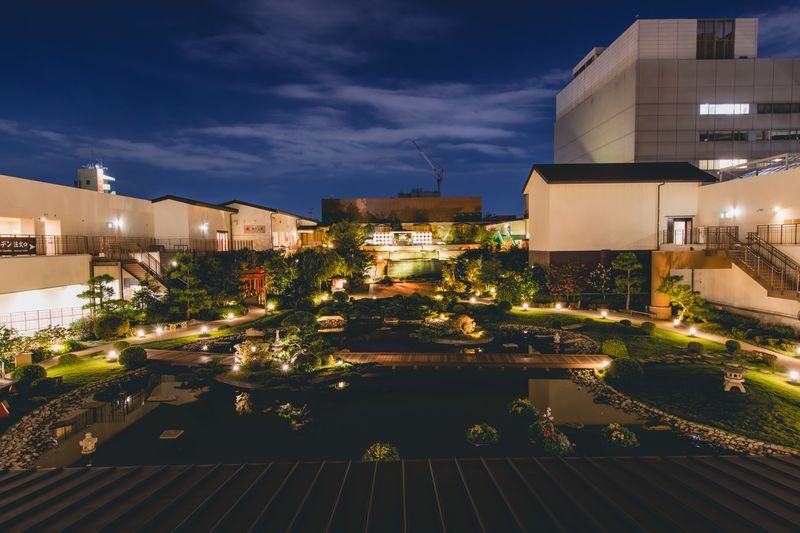
- A 3,000-square-meter rooftop garden: Wear a yukata outdoors, enjoy the foot bath, and take in seasonal flowers and trees.
- Private outdoor bathing: Book a Japanese-style or Western-style room with a 90-minute open-air bath if you want privacy.
- More than a soak: Add a stone sauna, dining, festival games, or a 15-minute fish therapy session, depending on your ticket.
- Convenient location: Solaniwa is at Osaka Bay Tower, about a one-minute walk from JR or Osaka Metro Bentencho Station.
- A lively spa setting: Rest areas and treatments sit alongside games, restaurants, and entertainment, so quiet is not guaranteed everywhere.
- A city onsen with room to make the day your own
- Start with the ticket that matches your day
- Choose a yukata, then find your way around
- The baths: a warm, practical reset
- The rooftop garden is more than a photo stop
- Stone sauna, treatments, and places to rest
- Meals, festival games, and fish therapy
- Private rooms for couples, families, and tattooed bathers
- Getting there and planning the visit
- Who should book Solaniwa Onsen?
- FAQ
- How long should I plan for Solaniwa Onsen?
- How do I get to Solaniwa Onsen by train?
- Are private baths available?
- Can I use the shared baths if I have tattoos?
- What does the admission ticket include?
- Do I need to bring a towel or yukata?
- The Best Of Osaka!
- More Tickets in Osaka
- More Tours in Osaka
- More Tour Reviews in Osaka
- Not for you? Here's more nearby things to do in Osaka we have reviewed
A city onsen with room to make the day your own
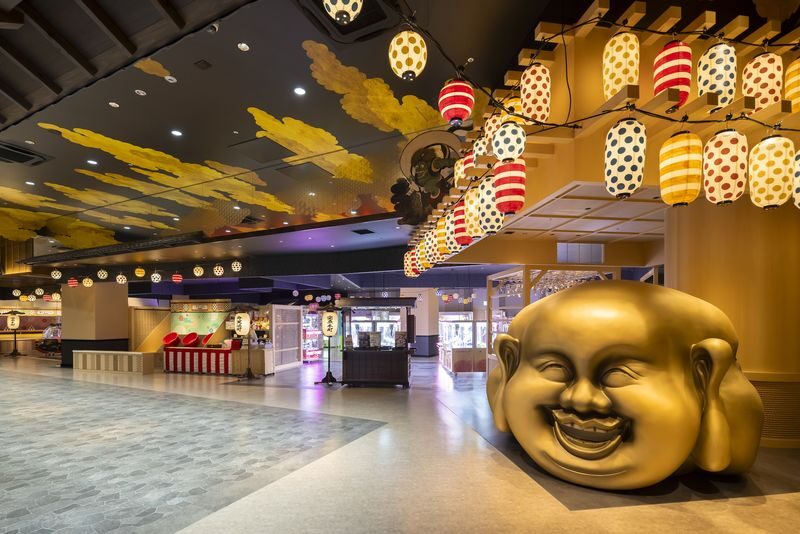
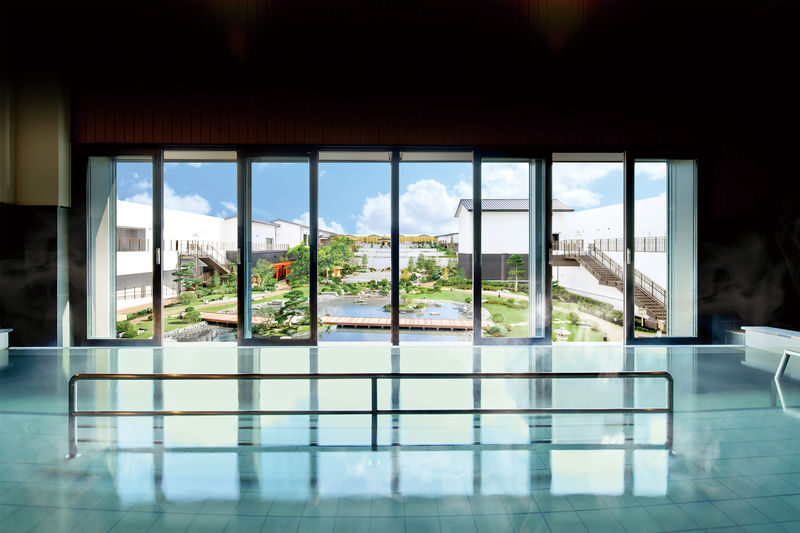
Solaniwa Onsen is in Osaka Bay Tower in Minato Ward, close to Bentencho Station. It calls itself the largest onsen theme park in western Japan, and the scale shows in the range of things to do: public baths, garden space, rest areas, dining, treatments, and activities for families.
The idea is straightforward. You arrive, exchange your voucher for a physical ticket, and use the facilities included in your chosen package. A wristband is used to add purchases to your bill, which you settle when you leave. That setup means you do not need to carry cash from bath to restaurant, but keep an eye on optional spending as you go.
Plan on two to four hours for a satisfying visit. You can spend less time if you only want a bath, or stay longer to eat, rest, walk through the garden, or add a treatment. Opening hours are 11 a.m. to 11 p.m., with last entry at 10 p.m. Hours and closures can change, so check the venue’s current schedule before setting out.
👉 See our pick of the 24 Best Workshops And Classes In Osaka
Start with the ticket that matches your day
Admission starts at $14.39, though prices vary by package and date. Basic admission is the best fit if you mainly want the baths, rooftop garden, and rest areas. It is also the flexible choice if you would rather decide on food or treatments after you arrive.
Some tickets bundle in extras. Options include admission with an izakaya meal, festival games, fish therapy, or a Japanese-style stone sauna and drink. One package combines a meal set, three game coins, and a 15-minute fish therapy session. Another includes five rounds of festival games. These bundles can make sense if you know you want those activities, but compare what is included before paying for an add-on you may not use.
Private rooms with 90-minute open-air baths are a separate choice for groups of up to four or six, depending on room type. There is also a Western-style option for two to six people that combines an open-air bath with a tent sauna. The private room is useful if shared bathing does not suit you, or if you want to bathe with family. It costs more than standard entry, and availability should be checked ahead of time.
A bathing tax of ¥150 applies to adults aged 13 and over and is paid on site. The bedrock sauna is not included in standard admission. A second yukata, set of indoor wear, or towel costs ¥220 each, so take care with what is included in your chosen ticket.
You can also read our reviews of more tours and experiences in Osaka


Choose a yukata, then find your way around
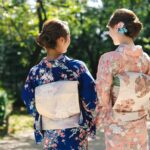
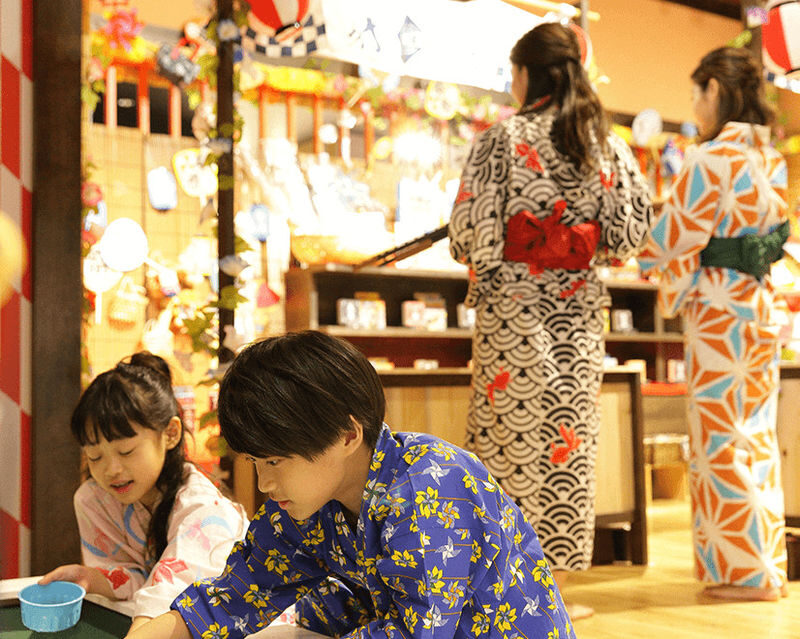
A central pleasure of the visit is changing into a yukata and wearing it through the complex. It gives the outing a Japanese touch without requiring you to know much about onsen etiquette in advance. One set of yukata, indoor wear, and towel is included according to the ticket details, with extra sets charged separately.
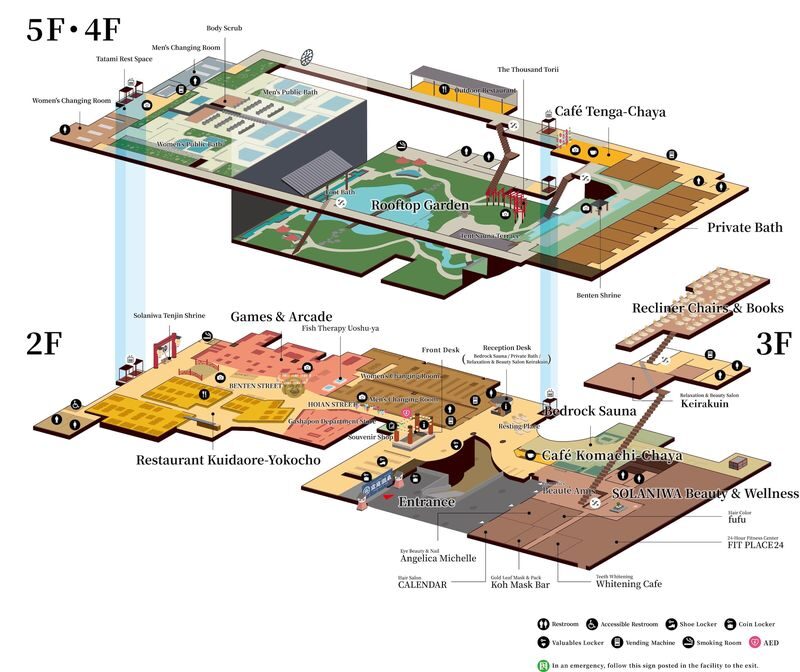
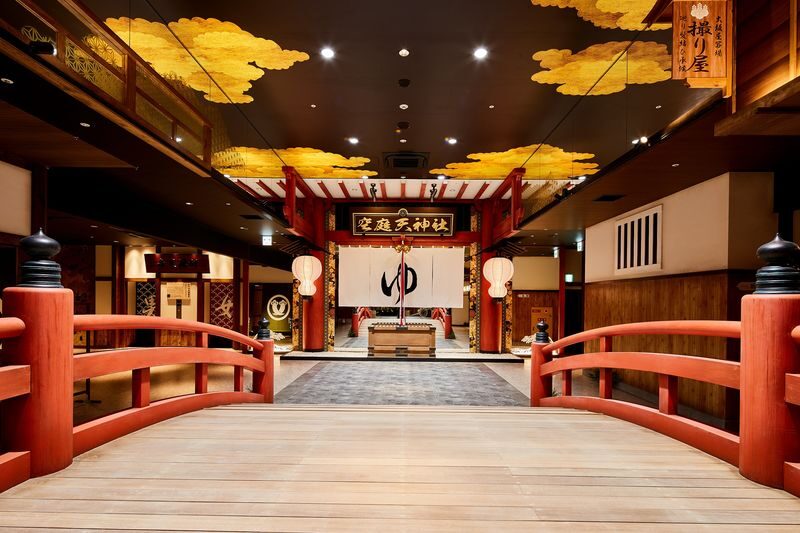
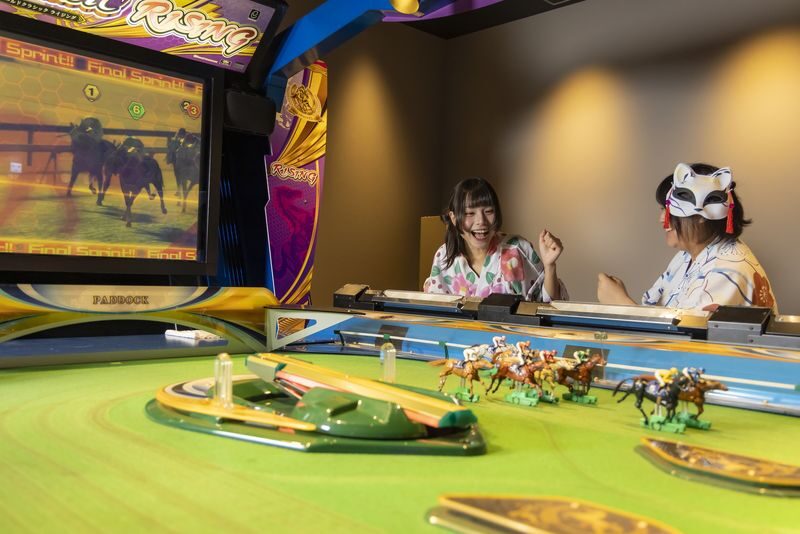
The venue has more than one kind of space, and the layout can be confusing at first. Take a moment to orient yourself before heading off, especially if you have booked a private room or a particular treatment. The complex includes an arcade and gachapon area, restaurants, relaxation spaces, and the baths, so it is not laid out like a simple neighborhood sento.
The wristband payment system is handy for moving around without a wallet, but it can also make add-ons feel less immediate. If you are keeping to a budget, decide in advance which extras matter to you. The admission price is only the starting point if you add treatments, food, or private facilities.
The baths: a warm, practical reset
The main reason to come is the bathing. Solaniwa uses natural spring water pumped from around 1,000 meters below ground. The water is described as weakly alkaline, hypotonic, and mineral-rich, and is known as the Clear Skin Bath. The wellness claims should be taken as traditional marketing, not a medical promise, but a soak is a welcome way to rest tired legs and shoulders.
There are nine types of bath, including a source spring bath and an open-air bath. The public bathing areas are separated for men and women. This is traditional onsen practice, so expect to bathe without a swimsuit in the shared areas. If that is not comfortable for you, or you want to bathe with family members, consider a private room.
The facilities provide towels and toiletries such as shampoo, conditioner, facial cleanser, toner, lotion, and hair dryers. That makes the visit easy to fit into a day out without packing a full bath kit. Cameras are generally not allowed in bathing areas because of privacy; use them only in permitted parts of the venue, such as designated garden areas.
The complex is family-friendly in some respects, with children’s facilities mentioned in the venue information, and children aged three and under can enter free. Still, shared bathing has rules and may not suit every family. If you are travelling with young children, a private bath can offer more control over the pace and setting.
The rooftop garden is more than a photo stop
The rooftop garden covers more than 3,000 square meters. Its main draw is the chance to step outside in a yukata and enjoy a slower, greener pause between baths. Seasonal trees and flowers give the setting some variety through the year, while a foot bath lets you enjoy the garden without committing to another full soak.
This area is one of the more distinctive reasons to choose Solaniwa over a basic bathhouse. It gives you space to stroll, sit, and take photos in designated areas. Rain can limit the pleasure of being outdoors, so do not make the garden your only reason to visit if the forecast is poor.
The broader complex has good photo opportunities, but the bathing areas are private spaces and not suitable for photography. Keep your phone away in the baths and follow posted rules elsewhere. That small bit of care helps preserve the relaxed atmosphere for everyone.
Stone sauna, treatments, and places to rest
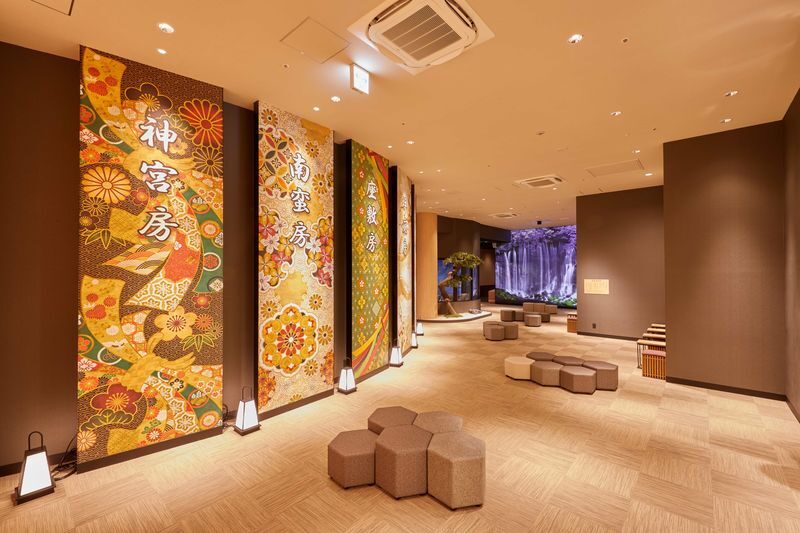
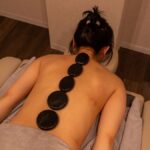
The stone sauna is a separate paid option, not part of standard admission. The wellness area includes recliners and more than 30 possible treatments, from Japanese body care to beauty services. Some packages pair sauna access with a refreshing drink, while other ticket options include services such as a head massage or facial treatment.
The sauna and treatments make the venue more than a quick dip. If you have spent a long day walking around Osaka, a massage or a rest in the recliner area may be the best use of your time. But the extra services are optional, and the bill can rise quickly if you add several.
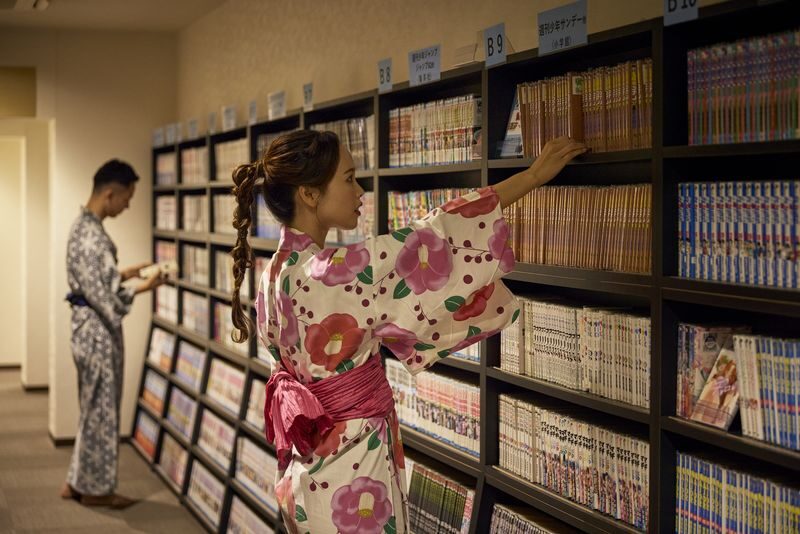
The relaxation areas are a practical feature, especially if you want to rest after bathing rather than rush back onto the train. The venue also has live entertainment at times, which adds energy but may be at odds with a quiet spa mood. If you want calm, choose your resting spot carefully and avoid expecting the entire complex to be silent.
You can also read our reviews of more tours and experiences in Osaka



Meals, festival games, and fish therapy
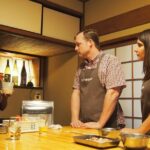
Solaniwa’s dining area is a good reason to stay past your bath. An included meal set, when you select a package that offers it, gives you a choice of pork cutlet, tempura with zaru soba or udon, tendon, or a children’s meal. Nawamoren serves izakaya-style dishes, and Kakuchi has a standing sake bar. The meal is convenient, though the pork cutlet may not be the highlight for every diner.
The game area adds a different mood. Included game packages offer coins for activities such as shooting, ring toss, and goldfish scooping. It is an easy family activity and a nice contrast to the baths, though the games are a light amusement rather than a major attraction.
Fish therapy is another optional extra, or part of a specific bundle. Small fish gently nibble at the feet for 15 minutes. The sensation can be intensely ticklish, and some people find the novelty fun; others may not enjoy it. It is not essential to the onsen experience, so choose it only if you are curious.
Private rooms for couples, families, and tattooed bathers
The private room option is Solaniwa’s clearest answer for anyone who wants more privacy. You get a room with an open-air bath for a 90-minute session. Japanese-style rooms include a tatami retreat, while a Western-style option includes a tent sauna. Some private rooms have a small garden setting, a bathroom, and a sitting area.
This can be a strong choice for couples, families, or people who prefer not to use a shared bath. It also suits visitors with tattoos. Tattoos can be used in shared baths only if fully covered with stickers, available at the front desk; private baths do not require tattoo covering. Check the venue’s full tattoo rules before you go, especially if your tattoos are large.
A private room does not mean the entire venue is silent or secluded. The rooms may be close enough that neighboring conversations can carry, so do not book expecting complete soundproofing. Check the room photos and package details carefully, and confirm any additional fees tied to your time slot before purchase.
Getting there and planning the visit
Solaniwa Onsen is at 1-2-3 Benten, Minato Ward, inside Osaka Bay Tower. From JR Bentencho Station, exit through the North Gate, take the stairs on your right, and walk about one minute. From Osaka Metro’s Chuo Line station, use the West Gate and Exit 2A, then walk about a minute.
The location is a real plus. You do not need to set aside a long journey to reach it, and the short station walk makes it easy to add to an Osaka itinerary. Because re-entry is not allowed, plan to eat and use the facilities before leaving rather than treating the ticket as an all-day pass you can come and go from.
Book for the date you want, and remember that the voucher is valid only on the selected date and time, if a time is specified. To change booking details, the stated policy is to cancel and make a new booking. Strollers should be left in the cloakroom, where storage is free; wheelchairs are available at the venue. The activity is not recommended for people with certain medical conditions, pregnant people, or seniors, so check the venue’s terms if any health concern applies.
Who should book Solaniwa Onsen?
I would put Solaniwa on the list if you want an easy-to-reach bath experience with more to do than soak. It works particularly well after a day of sightseeing or a visit to Universal Studios Japan, when tired legs and a slow afternoon sound appealing. Families can mix bathing with games and food, while couples can opt for a private open-air bath.
It is less suited to someone seeking a silent, traditional retreat. This is a themed complex with dining, games, entertainment, and a broad range of add-ons. For the best value, choose a ticket based on your actual plans: basic admission for baths and garden, a meal bundle if you want to eat there, or a private room if shared bathing is not right for you.
Solaniwa Onsen Ticket in Osaka
“Experience: We came on a family trip. I recommend getting even the family members who don't like hot springs to go in at least once.”
FAQ
How long should I plan for Solaniwa Onsen?
Plan for two to four hours for a visit, though you can stay longer to use the dining, rest areas, garden, and optional treatments. The venue is open from 11 a.m. to 11 p.m., with last entry at 10 p.m.
How do I get to Solaniwa Onsen by train?
From JR Bentencho Station, use the North Gate, take the stairs immediately on your right, and walk about one minute. From Osaka Metro Bentencho Station on the Chuo Line, use the West Gate and Exit 2A, then walk about one minute.
Are private baths available?
Yes. You can book a private room with a 90-minute open-air bath. Options include Japanese-style rooms for up to four or six people and a Western-style room with a tent sauna for two to six people.
Can I use the shared baths if I have tattoos?
Yes, provided your tattoos are fully covered with stickers, which are available at the front desk. Tattoo covering is not required in private baths. Check the venue’s full rules before visiting.
What does the admission ticket include?
Admission includes access to the onsen baths, rooftop garden, and resting areas. Other inclusions depend on the package. Meal sets, festival games, fish therapy, and stone sauna access are offered in selected packages or as options.
Do I need to bring a towel or yukata?
One set of yukata, indoor wear, and towel is included according to the ticket details. A second set of any of these items costs ¥220. Toiletries and hair dryers are also provided.