Sushi is easy to order in Osaka and more interesting to make yourself. In this roughly 1.5-hour class, you learn a little sushi history, practice shaping your own pieces, and finish by eating what you’ve made in the city’s food-loving central districts.
Two things I like about this experience: the practical, hands-on format gives you more than a cooking demonstration, and the English-speaking instructors help beginners follow each step. The class also offers several menu choices, including vegetarian and halal options.
One consideration: this is a friendly introduction, not professional chef training. You’ll leave with a better feel for the work behind sushi, but the exact menu and ingredients can vary by package, so check your selection before booking.
- What to know before you book
- A hands-on class, not a sushi counter lesson
- The quiz gives the food a little context
- Making sushi is the main event
- The sample meal turns your work into lunch
- Menu choices need a close look
- A central address makes it easy to pair with Osaka
- Who will get the most from it
- Is .20 a fair price?
- Small practical details worth checking
- Should you book the Osaka sushi class?
- FAQ
- Where is Sushi Making Osaka?
- How long does the class take?
- Do I need sushi-making experience?
- What food is included?
- Are vegetarian, vegan, halal, and allergy menus available?
- Can children take part?
- Is Japanese sake or hotel transport included?
- The Best Of Osaka!
- More Workshops & Classes in Osaka
- More Tours in Osaka
- More Tour Reviews in Osaka
- Not for you? Here's more nearby things to do in Osaka we have reviewed
What to know before you book
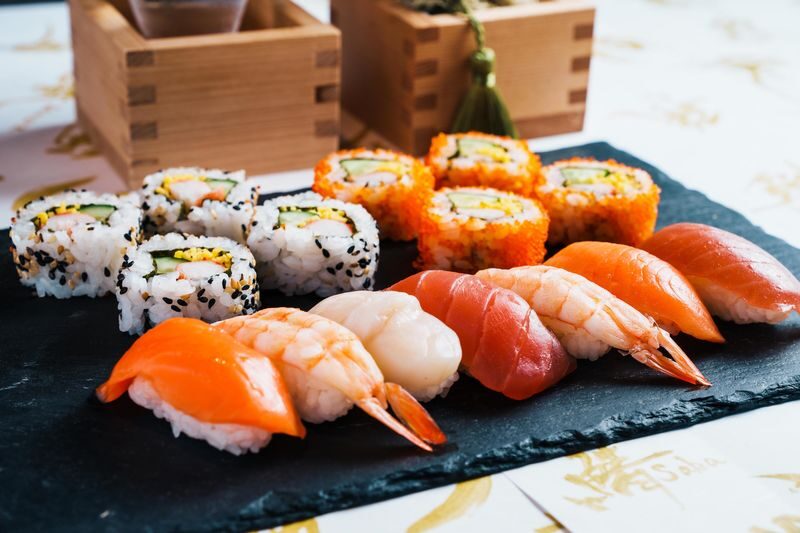
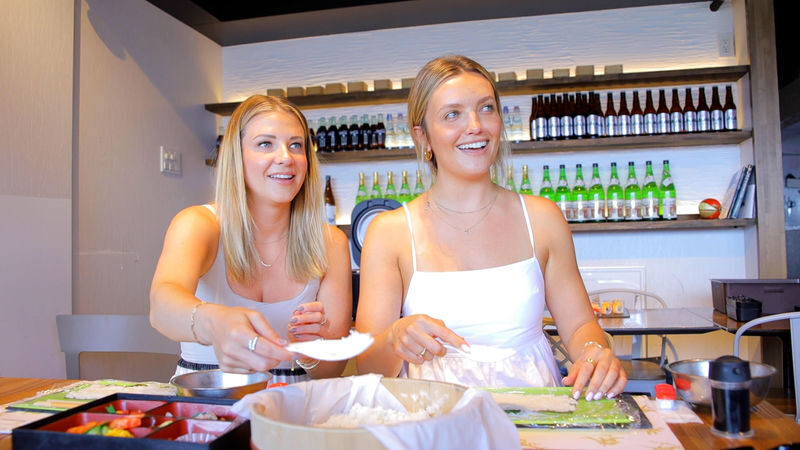
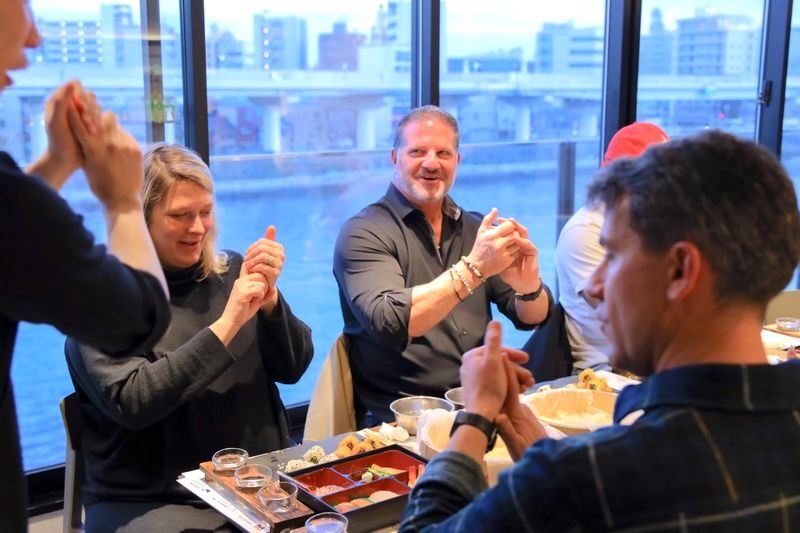

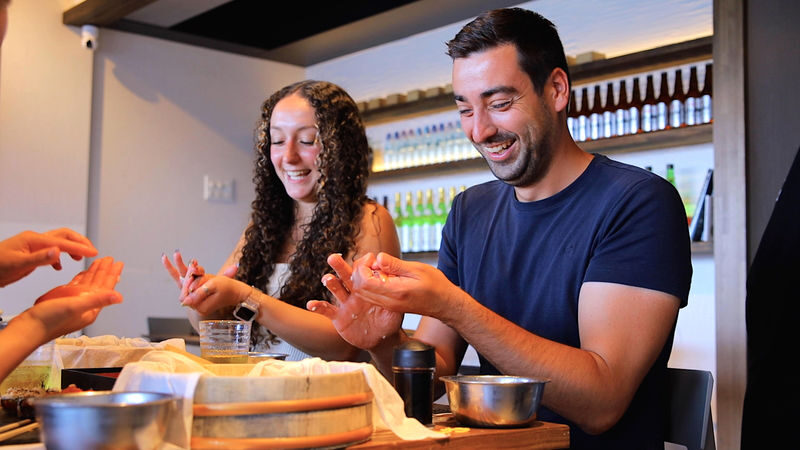
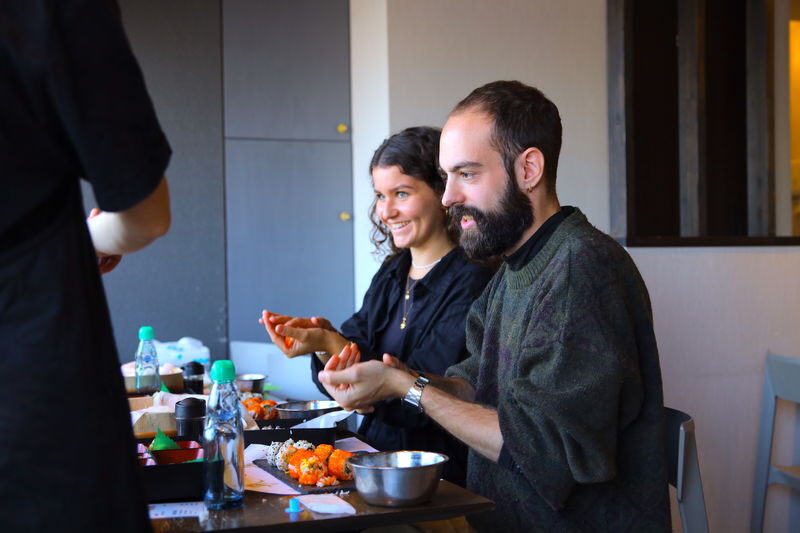
- You make and eat your own sushi: The class includes ingredients and instruction, with a sample standard menu of nine temari sushi pieces, miso soup made from a miso ball, and pickled turnip and carrot.
- Beginners are welcome: No prior sushi-making experience is needed. Instructors guide the process in English, and past classes have been led by Futa, Momo, Shota, Reika, and others.
- The session takes about 1.5 hours: That makes it a manageable activity to fit between sightseeing and a meal, though your own pace may affect the feel of the class.
- The venue is in central Osaka: Find Sushi Making Osaka on the third floor of the Galleria Acca Building in Higashi-Shinsaibashi, near Dotonbori and Shinsaibashi.
- There are several menu packages: Standard or gluten-free, vegan or vegetarian, halal, and allergies menus are offered. Check the details that apply to your dietary needs.
- The starting price is $44.20: Ingredients and the class are included. Sake and hotel transfers are not.
👉 See our pick of the 24 Best Workshops And Classes In Osaka
A hands-on class, not a sushi counter lesson
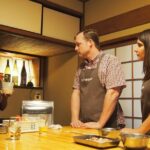
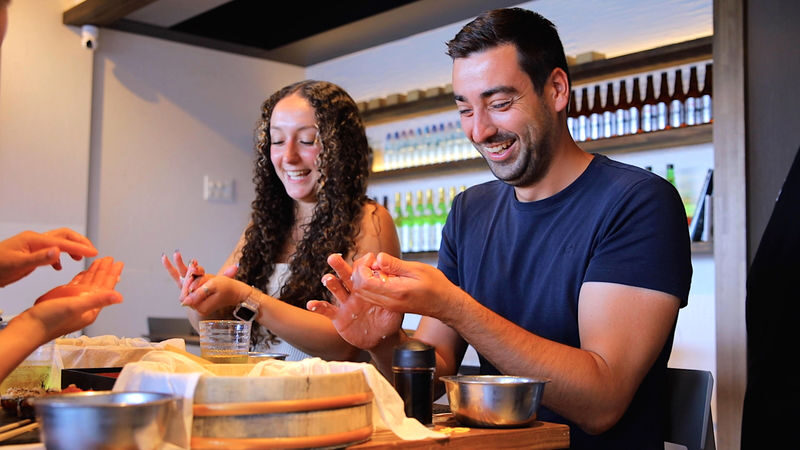
This experience is built around making sushi, rather than watching someone else prepare it. You take part in a short, interactive quiz about sushi history, then move on to the practical work with an instructor guiding you in English.
The class is intended for first-timers as well as sushi fans. That matters because sushi can look simple on the plate while requiring careful handling and shaping. You’ll get a chance to see that difference for yourself, without needing to arrive with knife skills or cooking experience.
The session is described as teaching both roll sushi and authentic Japanese sushi. Past participants describe learning maki and nigiri techniques, while the sample standard menu lists nine pieces of temari sushi. Those details suggest a varied, hands-on introduction, but the exact forms you make can depend on your selected package and the class menu.
A series of instructors, including Futa, Momo, Shota, Reika, Mayo, and others, have led classes. The recurring strengths are clear explanations, patience with beginners, and an upbeat teaching style. If you are nervous about getting the rice or shaping wrong, that supportive approach is part of the value.
You can also read our reviews of more tours and experiences in Osaka



The quiz gives the food a little context
Before the sushi-making starts, you take part in a lighthearted quiz about sushi history. It is a simple way to add context to the meal and get everyone involved, rather than beginning with a list of instructions.
The history element is brief, not a full lecture. That suits the format: you get enough background to connect the food to Japanese culture, then spend most of your time doing something with your hands. If you want a detailed food-history class, this may feel short. If you want a small cultural note alongside a fun activity, it should be about right.
Making sushi is the main event
Once the instruction turns practical, you work through the steps with help from the English-speaking staff. The guidance is aimed at newcomers, and instructors use explanations and demonstrations to make the techniques easier to follow. You can ask for help as you go, rather than trying to copy a finished plate without knowing how it was made.
The class introduces different sushi forms, including rolls and Japanese-style sushi. Participants have described learning tips for maki and nigiri, and the standard menu’s temari sushi offers another form to shape. The precise combination is worth confirming when you book, especially if you have your heart set on a particular style.
The value here is not that you will become a sushi master in an afternoon. It is that you get to try the technique, see where it takes practice, and understand why a skilled sushi chef’s work can be harder than it looks. The class gives you a small taste of that craft without making the experience intimidating.
The sample meal turns your work into lunch
After the making comes the best test: eating what you prepared. The sample standard menu includes nine temari sushi pieces with ingredients such as tuna, salmon, and scallop, along with miso soup made from a miso ball and asazuke, or pickled turnip and carrot.
That makes the class more than a brief demonstration. It can serve as a light meal, and one participant described using it as lunch before heading out to walk and shop. The experience includes ingredients, but Japanese sake is not included, so don’t count on drinks being part of the package.
Food quality is a practical part of the decision, not an afterthought. Participants have praised the fresh fish and the taste of the sushi they made. Still, ingredients and portions may differ by package, so use the sample menu as a guide rather than a guarantee of every item on your plate.
Menu choices need a close look
The package options include standard or gluten-free, vegan or vegetarian, halal, and allergies menus. That range makes the class easier to consider if your group has different food preferences, but you should select the right option at booking rather than assume every menu can be changed on the day.
The listed standard-menu ingredients include tuna, salmon, scallops, shrimp, flying fish roe, cucumber, egg, ginger, and sesame. The allergies-menu notes say crab, meat, nuts, fruit, and dairy products are not used. This is useful information, but it is not a guarantee that a dish is free from every allergen or from cross-contact. If you have a serious allergy, contact the provider to check what can be accommodated before booking.
The class also has vegan and vegetarian and halal packages. The supplied details do not spell out every ingredient in those versions, so check the selected package for specifics. The standard sample menu includes seafood and egg, so it is not a suitable choice for a vegetarian diet.





A central address makes it easy to pair with Osaka
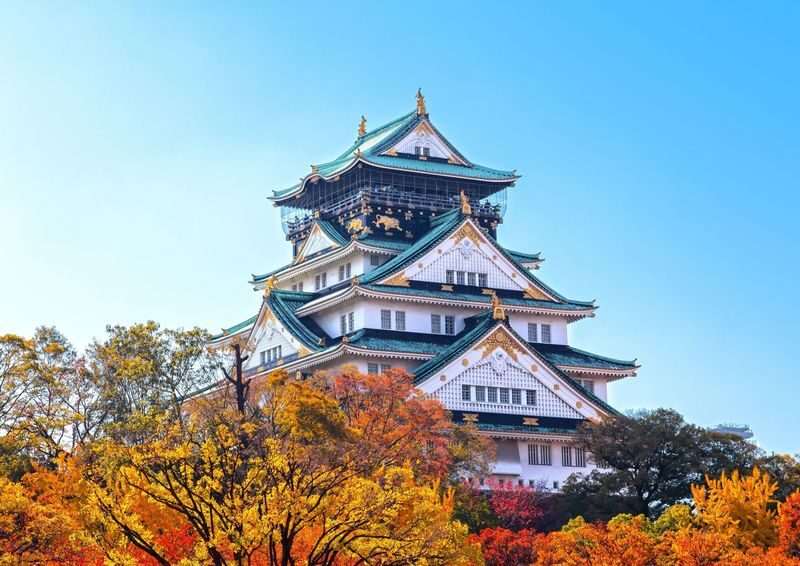
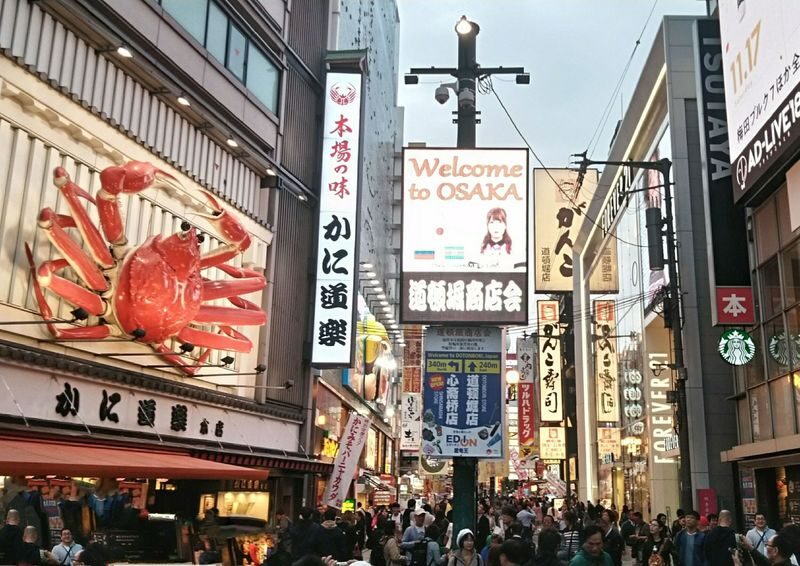
Sushi Making Osaka is at 3rd floor, Galleria Acca Building, 1-16-20 Higashi-Shinsaibashi, Chuo-ku. The venue is near Dotonbori and Shinsaibashi, two central areas known for food and shopping, so you can build the class into a day in the city without making it a separate excursion.
The location is especially useful if you want a hands-on activity between other plans. You can make sushi, eat your work, then continue exploring the area. The class does not include hotel pickup or drop-off, so plan your own route to the meeting point and check the map before setting out.
If you are booking for a group and need a particular schedule, contact the merchant before booking to discuss timing. That is a sensible step for families or groups trying to fit the class around a larger Osaka itinerary.
Who will get the most from it
This is a good fit for sushi lovers who want to go beyond ordering a plate and learn how a few familiar forms come together. It also works well for couples, friends, and solo visitors: solo participants are welcome, and the group setting gives you a shared activity without requiring you to arrive with company.
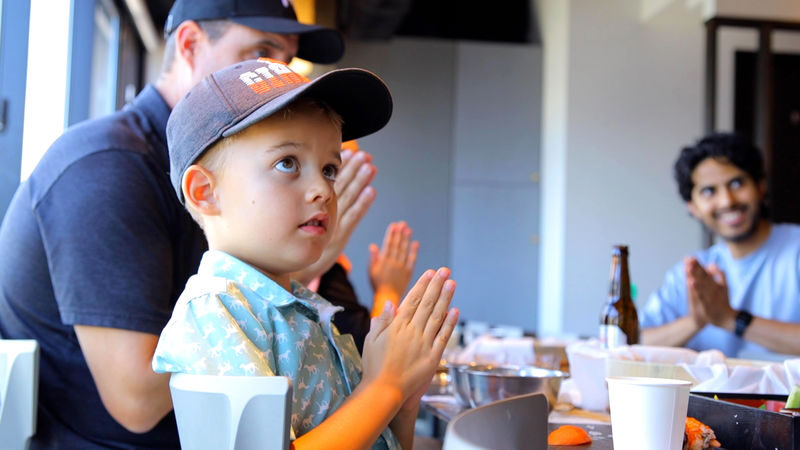
Families can consider it too. Children must be at least four years old, and children aged four and up pay the same rate as adults. Parents should weigh the price against how much their child enjoys hands-on food activities, since the class involves making and eating sushi rather than simply watching a demonstration.
The activity also suits people who like short cultural experiences with a clear result. You get a touch of history, guided instruction, and a meal at the end. If your main goal is a long, advanced cooking course or an in-depth study of Japanese cuisine, this is not that. Its strength is an accessible introduction with enough substance to make the food feel less mysterious.
Is $44.20 a fair price?
The listed starting price is $44.20, with the final cost depending on the package and booking details. Ingredients and instruction are included, so you are paying for both a meal and a guided activity, not just a short talk. At roughly 1.5 hours, it also takes up less of the day than a long cooking course.
I’d judge the price by whether you want the experience as well as the food. If you only want sushi for lunch, a restaurant is the simpler choice. If you want to learn the basic motions, ask questions, and enjoy a meal you helped make, the class offers more than the cost of the ingredients alone.
Sake and hotel transfers are extra, so leave room in your plans for those if they matter to you. The class has a reported rating of 5.0 from 583 reviews, and its provider, Food Activity Japan Inc., has 3,194 reviews with a 99 percent good-review rate. Those figures are encouraging, though they cannot tell you whether a particular menu or teaching style will suit your group.
Small practical details worth checking
The activity is open to participants aged four and older. Children pay the same rate as adults, so include that cost when comparing the class with other family activities.
Your voucher is valid only for the date and time specified, and you can present it on your phone to enter the venue. The stated cancellation terms offer a full refund if you cancel at least 24 hours before the activity date, using destination local time.
The class includes English-speaking staff, but language comfort can still vary from person to person. The activity is designed for English guidance, and participants have described the instructions as easy to follow. If someone in your party is more comfortable with another language, consider that before booking.
Should you book the Osaka sushi class?
Book it if you want an easygoing, hands-on food activity in central Osaka, especially if you are curious about how maki, nigiri, or temari sushi take shape. The combination of simple history, patient instruction, and a meal you make yourself gives the class a clear purpose, and the choice of dietary packages is helpful for mixed groups.
Skip it if you want advanced chef training, a long cooking course, or a meal with drinks and transport included. Before paying, check the exact menu for your package and contact the provider about allergies or group scheduling. For a first sushi class, though, this looks like a practical way to add a little skill and a memorable lunch to an Osaka visit.
Sushi Making Osaka Roll and Authentic Japanese Sushi Class
“staff are very friendly and helpful.. we enjoy making shushi so much”
FAQ
Where is Sushi Making Osaka?
It is on the third floor of the Galleria Acca Building, 1-16-20 Higashi-Shinsaibashi, Chuo-ku, Osaka, near Dotonbori and Shinsaibashi.
How long does the class take?
The experience is about 1.5 hours.
Do I need sushi-making experience?
No. The class is designed for beginners, and English-speaking staff guide you through the activity.
What food is included?
Ingredients and the sushi-making class are included. The sample standard menu has nine temari sushi pieces, miso soup made from a miso ball, and pickled turnip and carrot.
Are vegetarian, vegan, halal, and allergy menus available?
Yes. The package choices include vegan or vegetarian, halal, and allergies menus, as well as standard or gluten-free. Check the ingredients for your selected package before booking.
Can children take part?
Yes, children aged four and older can participate. They are charged the same rate as adults.
Is Japanese sake or hotel transport included?
No. Japanese sake and hotel pickup and drop-off are not included.