Osaka Castle is a striking landmark, but the best reason to go inside is the mix of history and city views: exhibits trace the castle’s past, then the top-floor deck puts modern Osaka in full view. I like that the ticket covers both the main tower and Toyotomi Ishigaki Museum, and that you can use a voucher instead of lining up at the ticket counter.
I also like the room to set your own pace. You can spend time with the exhibits, climb to the observation deck, and continue into the park without following a group or keeping to a guide’s schedule. The trade-off is that the castle can get crowded, and the ticket choices are easy to confuse: a Nishinomaru Garden ticket is not admission to the main tower.
- At a glance: what the Osaka Castle ticket covers
- A castle built for power, rebuilt for a new age
- The main tower: eight floors of exhibits and a high-up view
- Toyotomi Ishigaki Museum: a useful second stop
- Osaka Castle Park: the grounds are part of the visit
- How to get there, and how much time to allow
- Timing, rules, and small practical details
- Who should buy the Osaka Castle Museum Ticket?
- FAQ
- What does the Osaka Castle Museum Ticket include?
- How long should I plan for Osaka Castle?
- Can I buy a ticket online and enter with a voucher?
- How long is the voucher valid?
- What are Osaka Castle’s opening hours?
- Is Osaka Castle closed on Mondays?
- How do I get to Osaka Castle by train?
- Is Nishinomaru Garden admission the same as castle admission?
- Do children need a ticket?
- Is Osaka Castle accessible to wheelchairs and strollers?
- The Best Of Osaka!
- More Tickets in Osaka
- More Tours in Osaka
- More Tour Reviews in Osaka
- Not for you? Here's more nearby things to do in Osaka we have reviewed
At a glance: what the Osaka Castle ticket covers
 1 / 6
 2 / 6
 3 / 6
 4 / 6
 5 / 6
 6 / 6
- Main tower entry: The ticket includes admission to Osaka Castle’s eight-floor main tower and its museum.
- Stone-wall history: Entry also covers Toyotomi Ishigaki Museum, a compact stop about the castle’s stonework and construction.
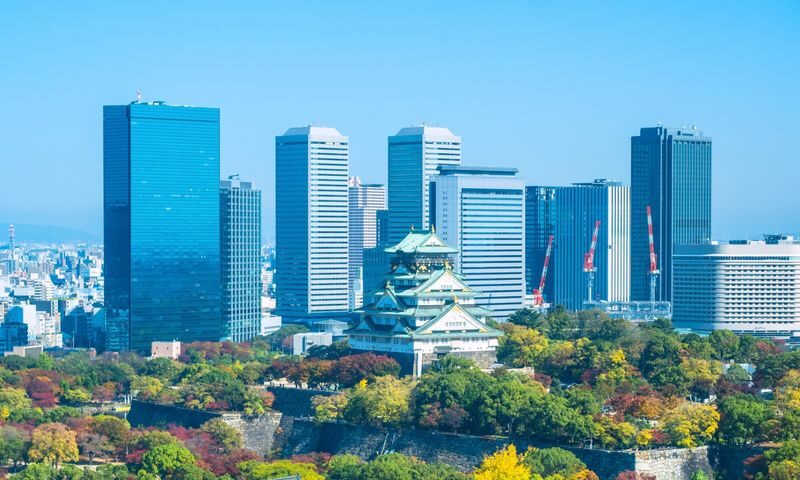
- Views from above: The top-floor observation deck offers a 360-degree look over Osaka, with landmarks such as Umeda Sky Building and Osaka Bay visible on clear days.
- Use within 30 days: Your voucher is valid for 30 days from booking confirmation, so you do not need to visit on the day you purchase it.
- Plan for crowds and walking: The grounds are extensive, and queues can form for tickets, elevators, and popular areas.
- Choose the right product: The main tower ticket, Nishinomaru Garden admission, and Osaka Amazing Pass bundle are separate options with different inclusions.

👉 See our pick of the 24 Best Workshops And Classes In Osaka
A castle built for power, rebuilt for a new age
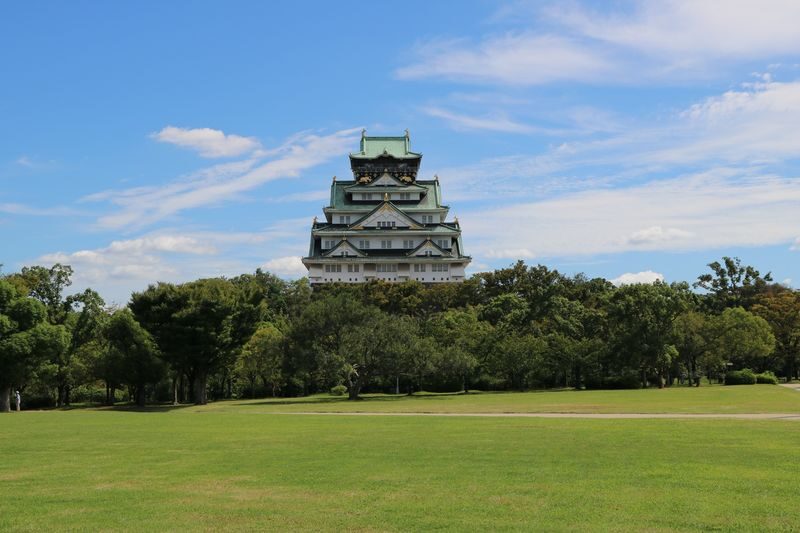
Toyotomi Hideyoshi began building Osaka Castle in 1583 as part of his campaign to unite Japan. Its scale was a statement of authority: imposing stone walls, moats, and a commanding central tower made the castle a powerful seat of government.
The building you see today is not Hideyoshi’s original keep. The castle survived conflict and was rebuilt in 1928. That distinction matters once you step inside: the main tower is a modern museum in a castle-shaped landmark, not a preserved medieval interior. The displays and the surrounding fortifications together tell the story.
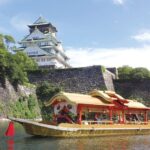
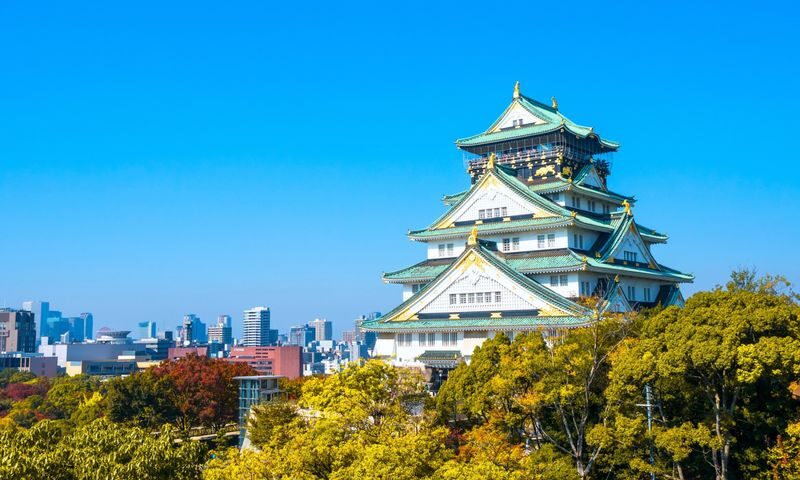
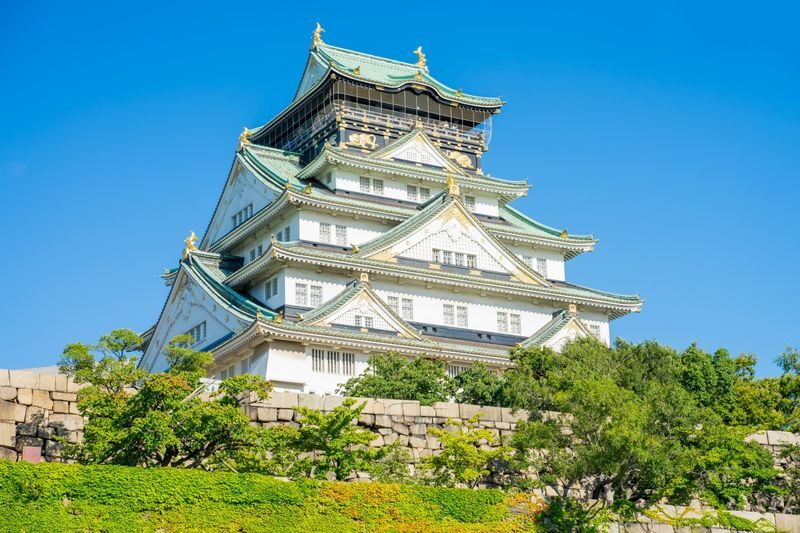
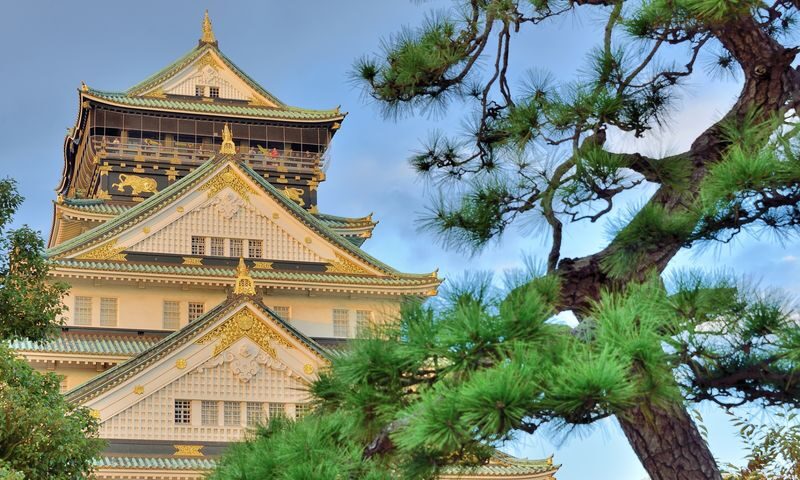
The setting does much of the work before you even reach the entrance. Moats and large stone walls give the grounds a sense of scale, while the tower’s white walls, green roof details, and gold accents make it easy to spot from a distance. Leave time for the approach. Reaching the tower means walking through the grounds, not stepping straight off the train onto its doorstep.
You can also read our reviews of more tours and experiences in Osaka


The main tower: eight floors of exhibits and a high-up view
Inside, the museum spreads across all eight floors. Its collection includes more than 10,000 historical objects, such as samurai armor, weapons, and personal items connected with the Toyotomi era. The exhibits help put the castle’s ambition and political role into context, rather than leaving you with only a handsome exterior and a few photos.
You can also see a replica of Hideyoshi’s golden-horned helmet. It is a vivid detail that gives the museum a human scale: behind the grand plans and military history was a leader who knew how to make an impression. Exhibits can change focus, so the material on display may not be identical on every visit.
The museum is arranged over several floors, so expect a lot of walking and some time spent moving between exhibits. An audio guide is available downstairs, which can help if you want more context than the display labels provide. Check the current rules inside, too. Photography is not allowed on some floors according to visitor information, while flash photography is prohibited throughout the venue.
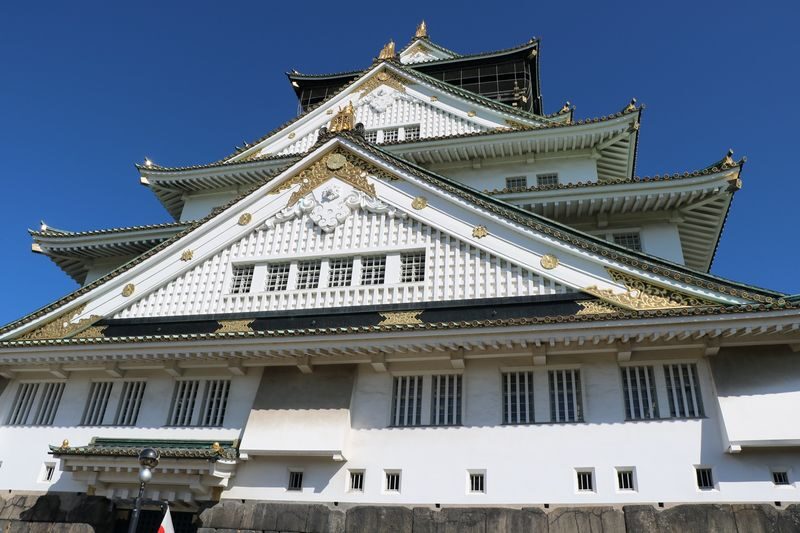
At the top, the observation deck is the payoff. From here, you can look over Osaka in every direction and pick out landmarks including Umeda Sky Building and Osaka Bay. The roofline’s golden shachi, a mythical tiger-carp creature, is traditionally associated with protection from fire. Look back at the castle’s roof details before turning to the city below.
There is an elevator, but it goes up, not down, and queues can build. If stairs are manageable for you, they may save time on the return. If you need the elevator, plan for a wait, especially during busy periods. The castle is wheelchair and stroller accessible, though strollers may have to be stored at the tourist center when crowds are heavy.
Toyotomi Ishigaki Museum: a useful second stop
The included Toyotomi Ishigaki Museum focuses on the castle’s stone walls and their construction. It is a smaller, quieter stop than the main tower, but it adds a useful layer to what you have just seen outdoors. Stonework can look like background scenery until you learn how much skill and labor went into building those defenses.
The museum also explains differences between stone-wall styles from the Toyotomi and Tokugawa periods. Because the space is compact, you do not need to set aside a long visit. I would make time for it rather than treating it as an optional extra: it connects the castle’s enormous walls to the people and periods that shaped them.
Osaka Castle Park: the grounds are part of the visit
The castle sits inside a large park of moats, stone walls, paths, and planted areas. You can use the walk to slow down after the indoor museum, or to see the tower from different angles. The grounds are especially appealing during plum blossom and cherry blossom seasons, when the trees add seasonal color to the historic setting.
Spring, especially late March to early April, is a popular time for cherry blossoms. That beauty comes with a practical cost: more people, fuller paths, and longer waits. If blossom viewing is your priority, arrive early and allow extra time. Weekends may also bring taiko drum performances and food stalls, though schedules and availability can vary.
Nishinomaru Garden is a separate paid option. It is known for castle views and seasonal blossoms, but it is not the main tower and does not provide access to the castle museum. Some people will value the garden as a place to pause and photograph the keep; others may find it a simple green space rather than a must-see attraction. Check the package name carefully before paying. A garden ticket alone is not a substitute for the Osaka Castle Museum Ticket.
The garden’s opening schedule may differ from the main tower, and Nishinomaru Garden is listed as closed on Mondays, or the following day when Monday is a national holiday. If you are going for blossoms or a specific view, confirm the garden’s hours before setting out.
How to get there, and how much time to allow
The address is 1-1 Osakajo, Chuo-ku, Osaka. From JR Osaka Jokoen Station, the walk to the castle takes about 15 minutes. Morinomiya Station on the Chuo Line is also about a 15-minute walk away. The grounds are broad, so your walk from the station is only the start of the visit.
Allow two to three hours for the tower, both museums, the observation deck, and a walk through part of the park. One hour can work if you move quickly and focus on the tower, but it leaves little room for a leisurely look at the exhibits or grounds. During blossom season or busy weekends, add extra time.
The ticket is listed from $1.89, but the final cost depends on which package you choose. The main tower ticket includes the tower and Toyotomi Ishigaki Museum. Nishinomaru Garden admission is a different product, while the Osaka Amazing Pass bundle combines Osaka Castle access with other facilities and Osaka City Subway access. The pass can be good value if you plan to use several included attractions and transport options; it is less compelling if the castle is your only paid stop.
Advance purchase can save you from waiting at the ticket counter. It does not remove every possible queue: you may still encounter crowds inside or at the elevator. On a quiet or rainy day, the ticket line may be short, so the main benefit is convenience and certainty rather than guaranteed time saved.



Timing, rules, and small practical details
The opening-hours information provided for this ticket is inconsistent. One section lists daily hours of 09:00 to 18:00, with last admission at 17:30. Another gives regular hours as Tuesday to Sunday, 09:00 to 17:00, with last admission at 16:30, and winter hours from November to February as Tuesday to Sunday, 09:00 to 16:30, with last admission at 16:00. It also says the main tower closes on Mondays, except when a national holiday shifts the closure to the following day.
Because those details conflict, check the official Osaka Castle website before you go. The castle is also listed as closed from December 28 to January 1 for the New Year holiday. Do not leave the visit until late in the day without confirming the current schedule.
The voucher is valid for 30 days from booking confirmation and expires at 23:59 on its last valid day. Entry is by voucher, and the ticket cannot be cancelled or refunded. Children aged 0 to 15 can enter free, with overseas children asked to show a passport. High school and college students aged 16 to 22 may qualify for a student rate, with student ID required; overseas students should bring an ISIC card.
Large luggage, sharp metal objects, food, and drinks other than water are not allowed inside. Pets are prohibited except service animals with valid identification. Smoking and drinking are not allowed in the venue, flash photography is prohibited, and re-entry is not permitted after you leave. Keep your visit simple: carry water, leave bulky bags elsewhere, and finish anything you need before entering.
Who should buy the Osaka Castle Museum Ticket?
Choose the main tower ticket if you want the museum, the observation deck, and the Toyotomi Ishigaki Museum in one visit. It suits first-time visitors who want both the familiar castle view and the story behind the walls. It is also a sensible choice if you prefer to explore independently rather than join a guided tour, since no guide is included.
The castle is a strong fit for history-minded visitors, families with school-age children, and anyone who enjoys city views. Children under 16 enter free, which can make a family visit easier to budget. Just remember that the museum involves stairs and walking, and the site can feel hot or crowded during peak periods.
If you mainly want a photograph of the castle from outside, you may not need a tower ticket. If you are considering Nishinomaru Garden, buy it for the garden itself and its views, not as a way into the main tower. And if you plan to visit several attractions and use Osaka’s subway, compare the Amazing Pass bundle with the separate ticket before deciding.
My call: Book the Osaka Castle Museum Ticket if you want to go inside and have a flexible visit date. Arrive early to avoid the worst queues, leave time for the stone-wall museum, and check the day’s hours before you travel. Skip the garden-only option unless its grounds and seasonal views are part of what you specifically want.
Osaka Castle Ticket
“This pass is great value for money. Would recommend to anyone visiting Osaka.”
FAQ
What does the Osaka Castle Museum Ticket include?
It includes admission to Osaka Castle Main Tower and Toyotomi Ishigaki Museum. It does not include a tour guide or personal expenses.
How long should I plan for Osaka Castle?
Plan for two to three hours to visit the museum, see the observation deck, and walk through some of Osaka Castle Park. Allow extra time during peak seasons.
Can I buy a ticket online and enter with a voucher?
Yes. The ticket information says you can enter directly with your voucher, without first queuing at the ticket counter.
How long is the voucher valid?
It is valid for 30 days from the booking confirmation date and expires at 23:59 on the final day. Check the expiration date printed on your ticket.
What are Osaka Castle’s opening hours?
The supplied hours conflict. One section lists 09:00 to 18:00 daily, while another lists Tuesday to Sunday hours and Monday closures, with shorter winter hours. Check the official website before visiting.
Is Osaka Castle closed on Mondays?
The detailed schedule says the main tower is closed on Mondays, unless Monday is a national holiday, in which case it closes the following day. Since another hours section lists daily opening, confirm the current schedule before you go.
How do I get to Osaka Castle by train?
From JR Osaka Jokoen Station, walk about 15 minutes. From Morinomiya Station on the Chuo Line, the walk is also about 15 minutes.
Is Nishinomaru Garden admission the same as castle admission?
No. Nishinomaru Garden is a separate ticket option. Choose the Osaka Castle Museum Ticket if you want admission to the main tower and museum.
Do children need a ticket?
Children aged 0 to 15 can enter free. Overseas children may be asked to show a passport as proof of age.
Is Osaka Castle accessible to wheelchairs and strollers?
The castle is listed as wheelchair and stroller accessible. During crowded periods, strollers may not be allowed inside and may need to be left at the tourist center.