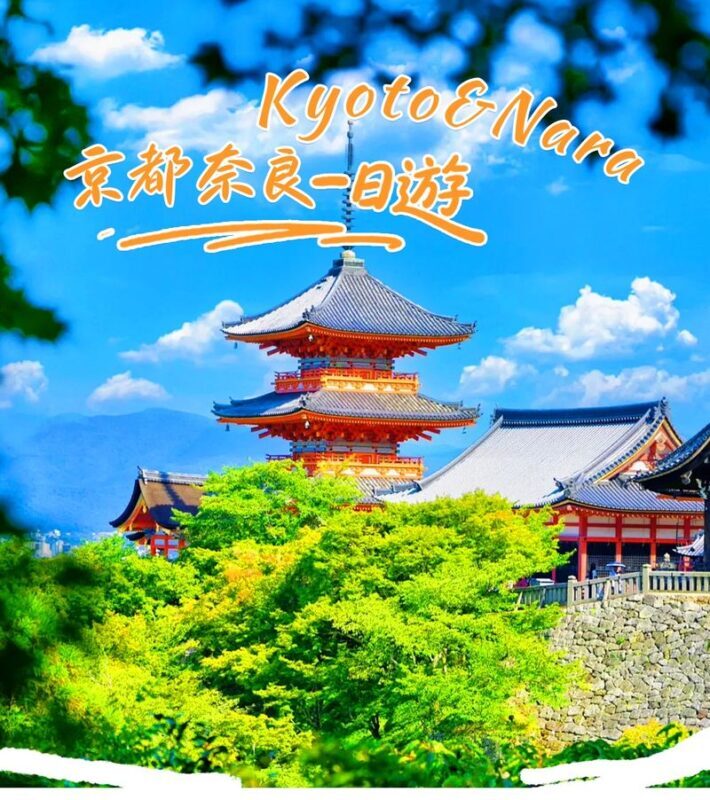
Kyoto’s old lanes, Fushimi Inari’s rows of red gates and Nara’s free-roaming deer make a memorable trio, but they sit across a lot of ground. This shared bus tour links them in one day, with independent time at each stop and a guide to help manage the transfers and schedule.
I like two things here: you can cover major sights without piecing together several train journeys, and the Kyoto stop gives you time for more than the temple alone. The walk can include Sannenzaka, Ninenzaka, Gion and Yasaka Shrine, depending on the day’s arrangements.
The trade-off is a packed schedule, with plenty of walking and little room to linger. And take note before booking: the Kyoto pickup option still returns to Osaka, not Kyoto.
- The useful details at a glance
- A day built for seeing more, not seeing everything
- Kiyomizu-dera and the lanes below it
- Lunch is a short pause, not a long meal
- Fushimi Inari’s torii corridor
- Nara Park, deer and Todai-ji
- What the guide adds, and what the guide does not
- Is the price good value?
- The Osaka return is the booking detail to check twice
- Who should book this Kyoto and Nara day trip?
- FAQ
- How long is the tour?
- Does the tour return to Kyoto?
- Where can I join the tour?
- What is included in the price?
- How much are the temple admissions?
- Is lunch included?
- Do I have to stay with a guide at each attraction?
- What languages are available?
- Can young children join?
- The Best Of Kyoto!
- More 1-Day Tours in Kyoto
- More Tours in Kyoto
- More Tour Reviews in Kyoto
- Not for you? Here's more nearby things to do in Kyoto we have reviewed
The useful details at a glance
 1 / 10
 2 / 10
 3 / 10
 4 / 10
 5 / 10
 6 / 10
 7 / 10
 8 / 10
 9 / 10
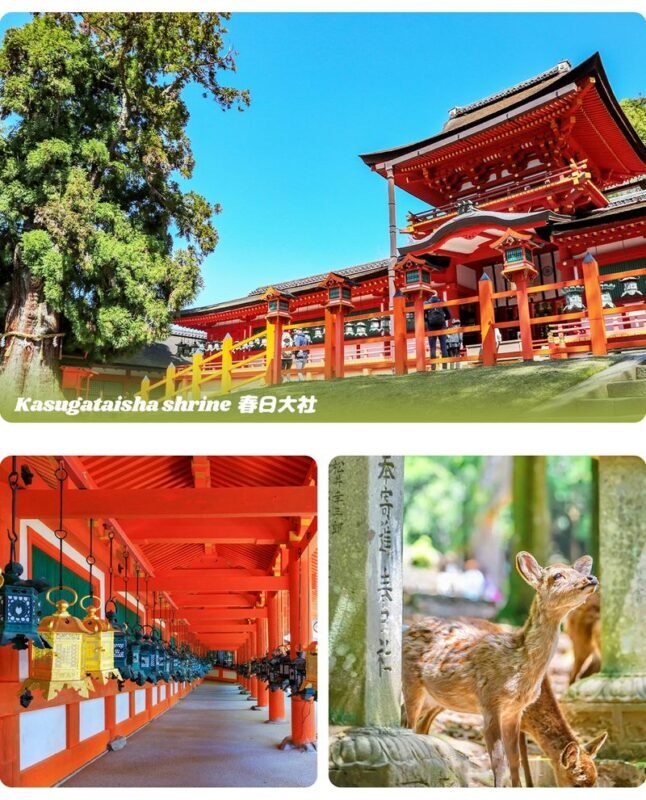 10 / 10
- Three distinct stops: Kiyomizu-dera and Kyoto’s old streets, Fushimi Inari-taisha, then Nara Park and the Great Buddha Hall at Todai-ji.
- Independent exploring: Your time at the temples and shrines is self-guided, so plan your own priorities and keep an eye on the meeting time.
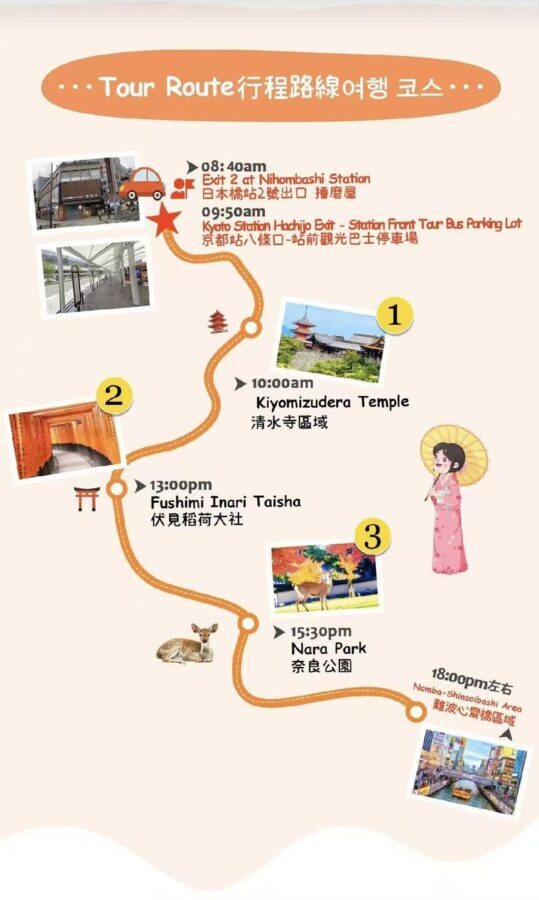
- A long bus day: The schedule starts at 08:40 in Osaka or 09:50 at Kyoto Station, with the return to Osaka estimated between 17:45 and 18:15.
- Extra costs: The starting price is $44.89, but temple admission, food and drinks are separate.
- Guide language matters: Chinese, English and Korean guide options are offered. Specific guides such as Shine and Oh Seok-bong are praised, but you cannot count on a particular guide being assigned.

👉 See our pick of the 25 Best Workshops And Classes In Kyoto
A day built for seeing more, not seeing everything
This is a sampler of two historic cities, not a slow tour of either one. The bus takes the strain out of navigating between Osaka, Kyoto and Nara, and gives you a practical way to see several famous places in one day. In exchange, each stop has a firm time limit.
The itinerary allows about two hours around Kiyomizu-dera, 70 minutes at Fushimi Inari and 90 minutes in Nara. Lunch is listed as 30 minutes, though the actual timing may shift. Traffic, weather and group delays can affect the order and length of stops.
At each sight, you explore on your own. Your guide handles the group’s timing and may share background, local advice and directions on the bus or before you set off. That balance suits you if you want help with transport but prefer to choose your own route once you arrive.
The group can range from one to 48 people, and the vehicle depends on the number booked. This is a shared ride, so the pace and seat arrangements are not fully in your hands. The strongest practical advice is simple: be ready to move when it is time to return to the bus.
You can also read our reviews of more tours and experiences in Kyoto

Kiyomizu-dera and the lanes below it
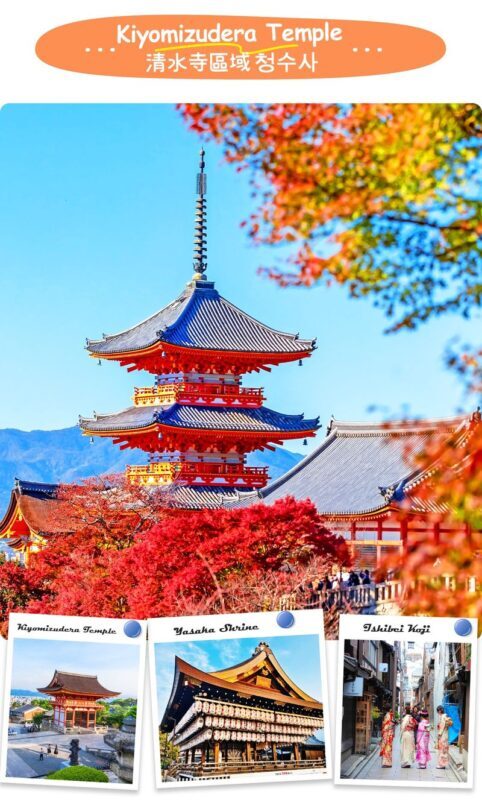
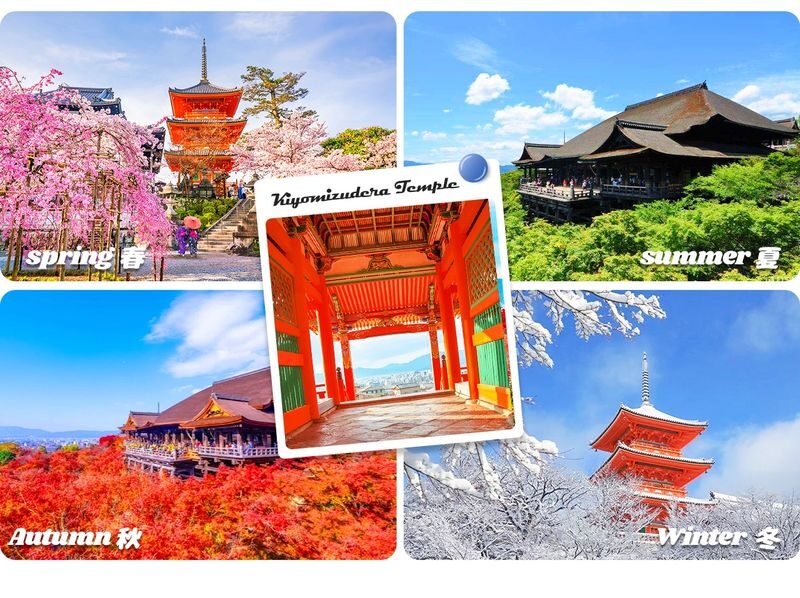
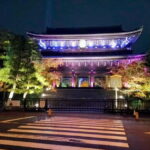
The first major stop is the Kiyomizu-dera area, with about two hours to explore. Founded in 778, Kiyomizu-dera is described as Kyoto’s oldest temple and is recognized as a World Heritage site. Admission costs 500 yen for adults and 200 yen for elementary and junior high school students, paid separately in cash.
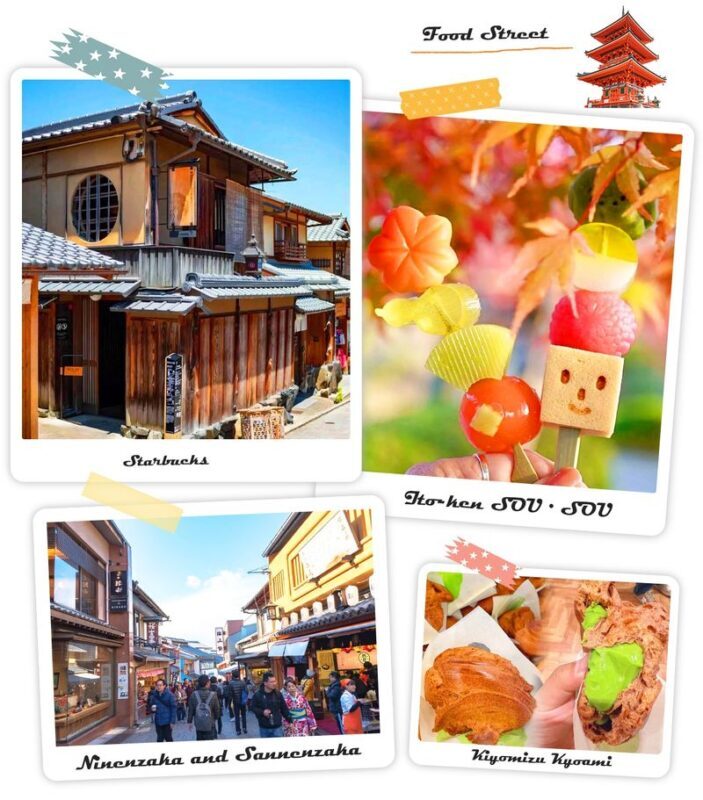
The temple is only part of the appeal. Sannenzaka and Ninenzaka are historic shopping lanes lined with traditional buildings and small shops. Ishibei-koji offers a quieter contrast, while Gion’s Hanamikoji is associated with teahouses and geisha culture. Yasaka Shrine is another possible stop, known here for its heart-shaped ema, wooden plaques on which visitors write wishes.
That is a generous list for a two-hour window, so choose your priorities instead of trying to tick every name off. Walking between the bus drop-off and the sights takes time, and the lanes can be crowded. If the temple is your main reason for booking, go there first, then use any remaining minutes for the streets or shrine.
Jishu Shrine is included in the description of the Kiyomizu area, but the schedule does not give it a separate time slot. The operator also notes that capacity or weather may force changes to some stops. Treat the area as a flexible walking visit rather than a promise that you will see every named corner.
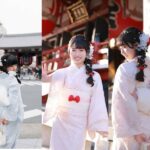
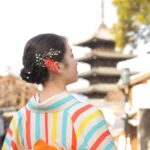
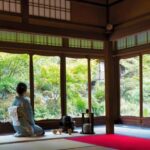
You may see visitors in kimono among the old wooden facades, making this a particularly photogenic stretch of the day. Still, photos take time. Decide whether you would rather pause for pictures, browse the shops or spend longer at the temple. A little restraint makes this stop more enjoyable than rushing through it all.
Lunch is a short pause, not a long meal
Lunch is scheduled around noon for about 30 minutes. The guide may recommend restaurants, but you choose where to eat and pay for your own meal. Recommendations or a group reservation can save time, but neither a particular restaurant nor a meal is included in the price.
Half an hour is not much time to search for somewhere to sit, order and eat, especially if the group is large. If you are hungry early or have dietary needs, bring a plan. The tour information says meals and drinks are not included, and one participant found the day too tight for a proper meal. Eating is not allowed on the bus, so do not count on catching up there.
I would treat the lunch stop as a quick refuel, not a chance for a leisurely Kyoto meal. Follow the guide’s timing closely, and confirm the meeting point before wandering off.
Fushimi Inari’s torii corridor
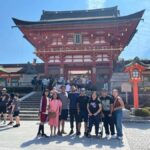
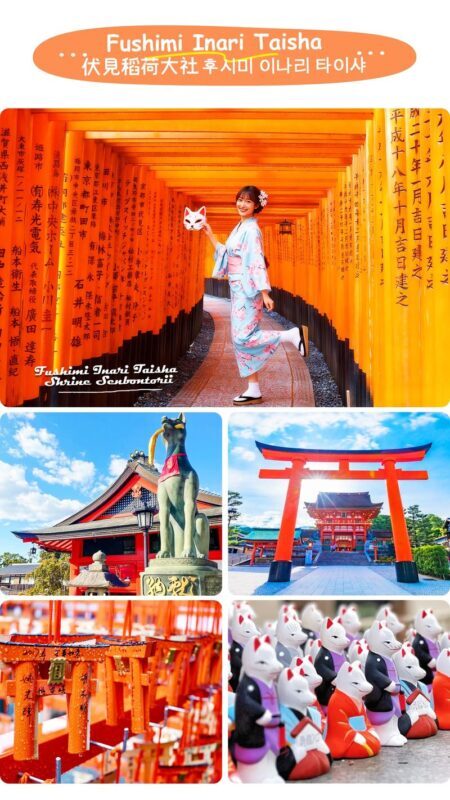
The next stop is Fushimi Inari-taisha, with about 70 minutes on site. The shrine is famous for its Senbon Torii, a striking sequence of red gates that makes a passage through the grounds feel almost theatrical. Fox imagery is another distinctive feature, including fox-shaped ema where you can write a wish.
Seventy minutes gives you time to walk through part of the gate-lined route, take photos and visit the shrine area. It is not a lot of time for an extended walk. The torii path continues well beyond the first section, so you will need to turn back when your schedule requires it.
The practical challenge is not simply the distance. You will be sharing a popular site with many other people, and photo stops can slow your progress. Keep the bus return time in mind from the moment you arrive. If a long, quiet walk through the gates is high on your list, consider visiting separately on another day.
Nara Park, deer and Todai-ji
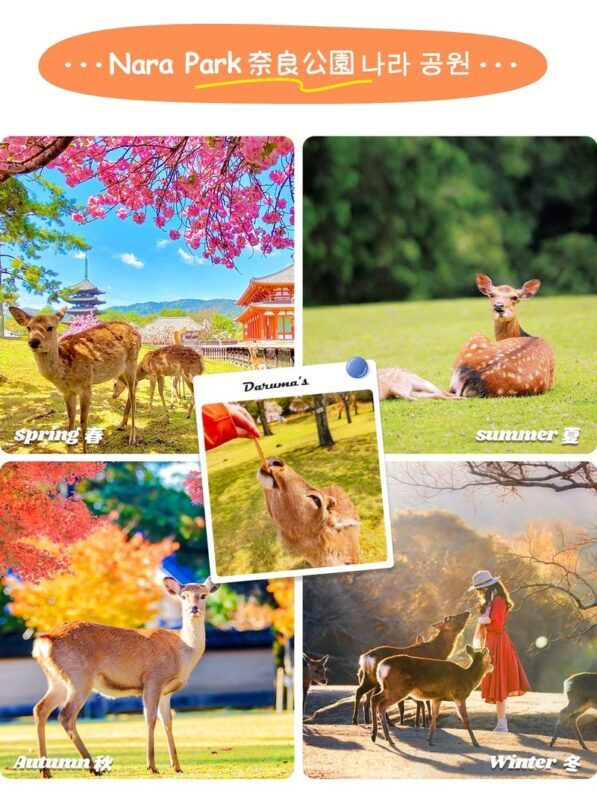
The afternoon brings you to Nara, with about 90 minutes for Nara Park and Todai-ji. The park’s free-roaming deer are the obvious draw, and getting close to them can be a delight, particularly for children. They are animals, though, not park decorations. Follow the guide’s instructions for interacting with them and keep your belongings close.
Todai-ji’s Great Buddha Hall is the other major reason to make this stop. The adult admission is 800 yen for the hall, or 1,200 yen for the hall and museum. Children pay 400 or 600 yen, respectively. These fees are not part of the tour price.
Ninety minutes is a useful introduction, but not enough to explore every corner of Nara Park at an unhurried pace. You may need to choose between time with the deer, the Great Buddha Hall and a longer walk around the grounds. The schedule also names Todai-ji’s Central Gate, but the paid admission information specifically applies to the Great Buddha Hall and museum.
This stop can be the day’s most appealing change of scene: after city streets and shrine grounds, the park opens up and deer wander through it. But it is still a timed visit. If you want to spend a long stretch at Todai-ji or explore more of Nara, a separate day gives you room to do that.


What the guide adds, and what the guide does not
The guide’s most useful role is practical: getting everyone to the right place, explaining how much time is available and sharing context along the way. The tour offers language options, including English, Chinese and Korean. The selected package determines the guide language, so check it carefully when booking.
Names that come up often in connection with this experience include Shine, also known as Liu Shuai, and Oh Seok-bong. Seo Geum-bong is another guide praised for cultural explanations and photo tips. Their names are not a guarantee of who will lead your departure. Guide assignments can vary.
The strongest accounts of the experience describe guides who explain local culture during the drive, give clear meeting instructions and suggest restaurants or photo spots. That can turn bus time into useful orientation rather than dead time. Some guides also share information through a group chat, but you should not assume every departure uses the same method.
Keep expectations grounded: this is not a private guide walking beside you at every monument. The listed stop times are self-guided, and you are responsible for getting back to the vehicle promptly. One report of poor communication and a driver-only experience is a reminder to confirm the guide and vehicle details sent the evening before. Check your spam folder, too.
Is the price good value?
At a starting price of $44.89, the main value is the transport between three major stops. You avoid working out the connections among Osaka, Kyoto and Nara yourself, and you gain a guide who can help keep the day moving. For a first visit or a short stay, that convenience can be worth more than the ticket price alone.
Budget for admissions and food on top of the fare. Kiyomizu-dera costs 500 yen for adults, and Todai-ji costs 800 yen for the Great Buddha Hall or 1,200 yen with the museum. Meals, drinks and personal purchases are also extra. The total cost is still easy to estimate, but it is not an all-inclusive day.
The tour makes particular sense for families or people traveling with older relatives who would rather avoid multiple transit changes. You still need stamina for walking, standing and keeping to a group schedule. Children aged three and up pay the adult rate; children aged zero to two can join free if they do not need a separate seat.
The Osaka return is the booking detail to check twice
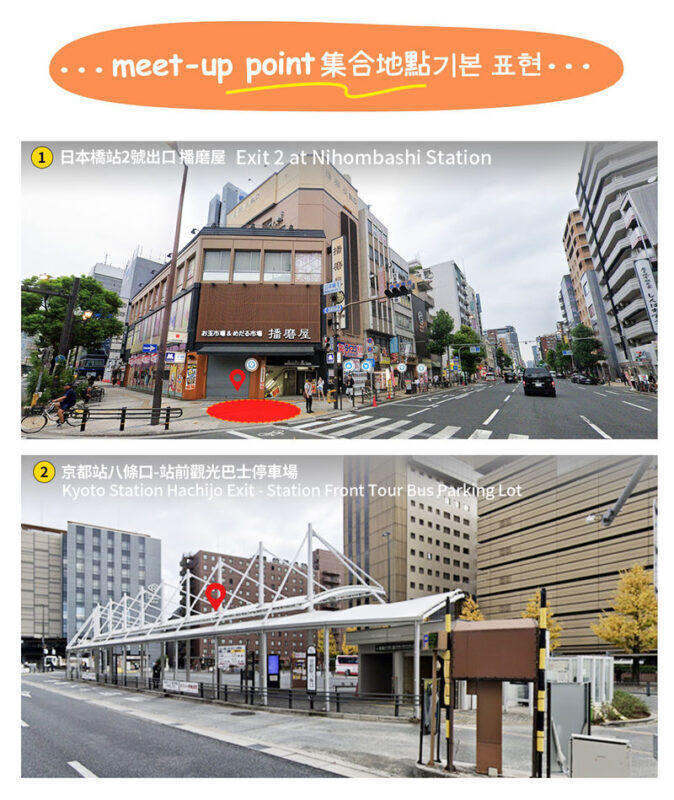
There are meeting points in Osaka and at Kyoto Station’s Hachijo Exit. The listed departure times are 08:40 in Osaka and 09:50 in Kyoto. Yet the return is to Osaka Kintetsu Nippombashi, estimated for 17:45 to 18:15. The tour does not return to Kyoto.
That mismatch matters if you are staying in Kyoto or have evening plans. A Kyoto pickup does not mean a Kyoto drop-off, and the return time is an estimate affected by traffic and weather. Do not schedule a tight connection or a paid activity afterward.
Arrive at your meeting point at least ten minutes early. Late arrivals and no-shows are not refunded, and the operator says not to change meeting points at the last minute. The guide and vehicle details are due by email between 20:00 and 21:00 the night before, though that message may be delayed in busy periods.
Who should book this Kyoto and Nara day trip?
Book it if you have limited time, want to see Kyoto and Nara in one day, and value a bus transfer over arranging several journeys yourself. It is also a reasonable choice if you want a guide’s orientation but are happy exploring the sights independently.
Skip it if you prefer long temple visits, a relaxed lunch or the freedom to leave when you like. The schedule is efficient, but the pace is real. For a deeper visit to Kyoto or Nara, spend a full day in each city instead.
My practical call: choose this tour for breadth and convenience, not depth. Check the guide language, add admission and meal costs to your budget, and be absolutely sure the Osaka return works for your plans.
Kyoto Nara Day Trip | Kiyomizu-dera Temple + Fushimi Inari-taisha Shrine + Nara Park (Departing from Osaka/Kyoto)
“You explained the descriptions and important notes about the tourist spots in such an easy-to-understand way that we made wonderful memories with t…”
FAQ
How long is the tour?
The activity is listed as a nine-hour tour. The schedule starts at 08:40 in Osaka or 09:50 in Kyoto, with the return to Osaka estimated between 17:45 and 18:15.
Does the tour return to Kyoto?
No. The return trip goes to Osaka Kintetsu Nippombashi and does not pass through Kyoto.
Where can I join the tour?
The listed meeting points are Nipponbashi Exit 2 in Osaka and Kyoto Station’s Hachijo Exit. Check the email sent the evening before for the exact meeting instructions.
What is included in the price?
The package includes round-trip transfers from the meeting point and a guide. Temple admissions, meals, drinks and personal expenses are not included.
How much are the temple admissions?
Kiyomizu-dera costs 500 yen for adults and 200 yen for elementary and junior high school students. Todai-ji’s Great Buddha Hall costs 800 yen for adults and 400 yen for children; the hall and museum together cost 1,200 yen for adults and 600 yen for children.
Is lunch included?
No. Lunch and drinks are at your own expense. The schedule allows about 30 minutes, and the guide may recommend restaurants.
Do I have to stay with a guide at each attraction?
The main sightseeing stops are self-guided. You explore on your own and need to return to the bus at the agreed time.
What languages are available?
Packages list Chinese, English and Korean guide options. Check the selected package when booking, since the guide language depends on the option chosen.
Can young children join?
Children aged three and up are charged the adult rate. Children aged zero to two can join free if they do not occupy a separate seat.