Harajuku is a lively place to add a quieter, more traditional note to your Tokyo day. At SHIBUI, you choose a kimono or yukata, get help putting it on, and then step out to explore nearby sights in your own time. It is a rental, not a guided tour, so you set the pace once you are dressed.
I like two things here: the English-speaking staff can help first-timers choose an outfit, and the shop’s location makes it practical to pair your rental with Meiji Shrine and Harajuku. The range includes baby sizes, too, so this can be a family activity rather than a solo photo stop.
One point needs attention before you book: the experience is advertised as one hour, but its schedule also describes 90 minutes outside in kimono. The shop is also on the fourth floor, and finding the entrance can take extra effort, so arrive early and confirm your return time.
- The useful details at a glance
- Dressing for a Harajuku day
- From outfit choice to the first steps outside
- Make the location work for you
- What the rental costs, and what it buys
- A family activity with a few trade-offs
- Who will get the most from SHIBUI
- Should you book this kimono rental?
- FAQ
- How much does the kimono or yukata rental cost?
- How long does the experience take?
- What departure times can I choose?
- Where is the shop?
- How do I get to the shop?
- What is included in the rental?
- Is hair styling included?
- Can babies and children take part?
- Is English-speaking assistance available?
- Is transport included?
- The Best Of Tokyo!
- More Shopping Tours in Tokyo
- More Tours in Tokyo
- More Tour Reviews in Tokyo
- Not for you? Here's more nearby things to do in Tokyo we have reviewed
The useful details at a glance
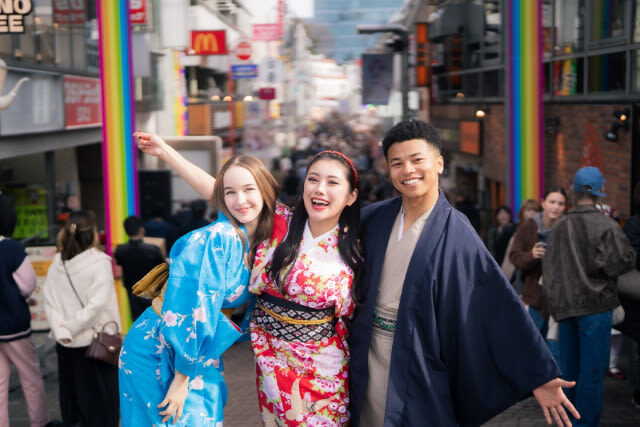
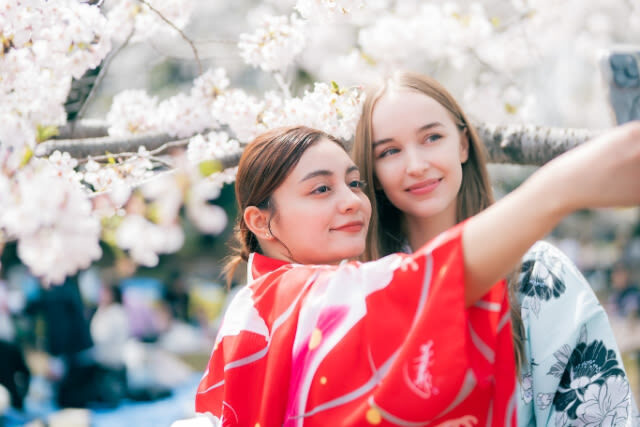
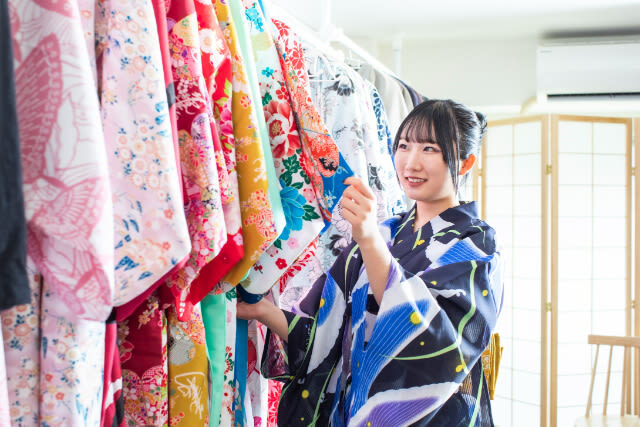
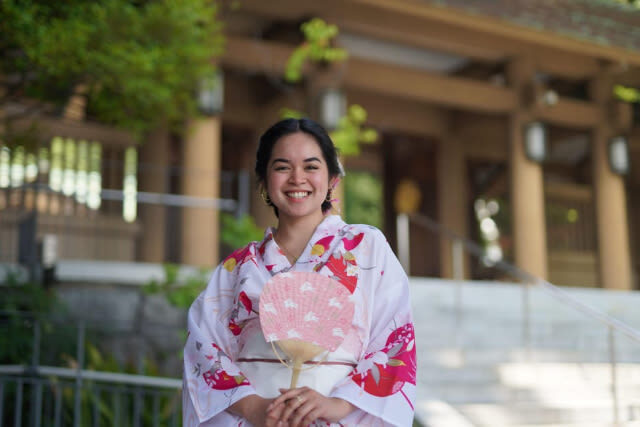
- Three minutes from two stations: Harajuku and Meiji-Jingumae stations are both close to the shop.
- A choice of kimono or yukata: Staff can help you select an outfit and accessories, including geta sandals and a bag.
- English support is available: You can ask for help choosing and getting dressed.
- Baby sizes are offered: The rental has options for babies from birth, with a range of sizes for families.
- Hair styling costs extra: It is not included, but can be added for ¥2,000.
- Check the timing carefully: The stated one-hour duration does not match the 90 minutes of outdoor time described in the schedule.

👉 See our pick of the 25 Best Guided Tours In Tokyo
Dressing for a Harajuku day
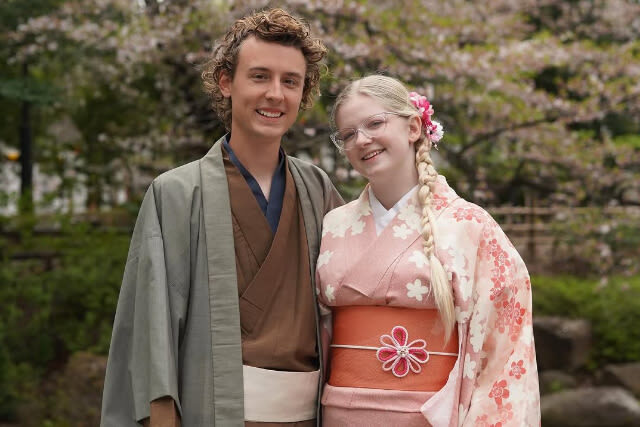
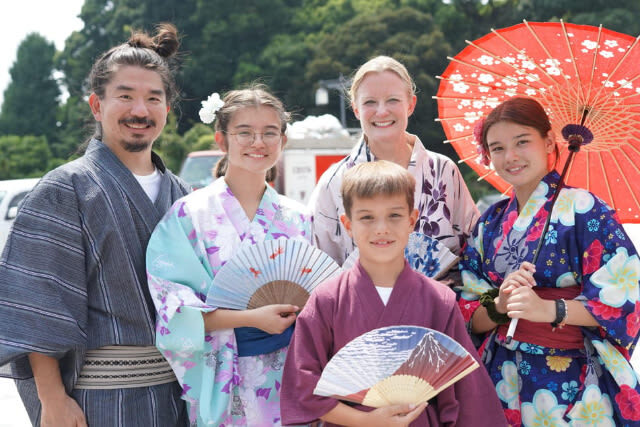
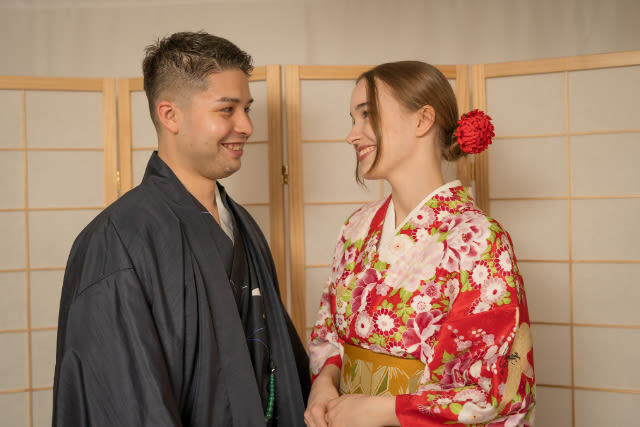
The appeal of this experience is simple: you get to wear traditional Japanese clothing while walking through one of Tokyo’s best-known districts. SHIBUI provides a kimono or yukata, plus geta sandals, a bag, accessories, and small items such as an umbrella or folding fan. The outfit and the walk are part of the same activity, so you do not need to plan a separate cultural stop.
For a first rental, staff assistance matters. Choosing a color and style can be fun, but getting dressed in layered clothing is not quite like pulling on a jacket. English-speaking staff are available to help you choose and dress, which makes the process more approachable if you have never worn kimono before. Japanese-speaking staff are available as well.
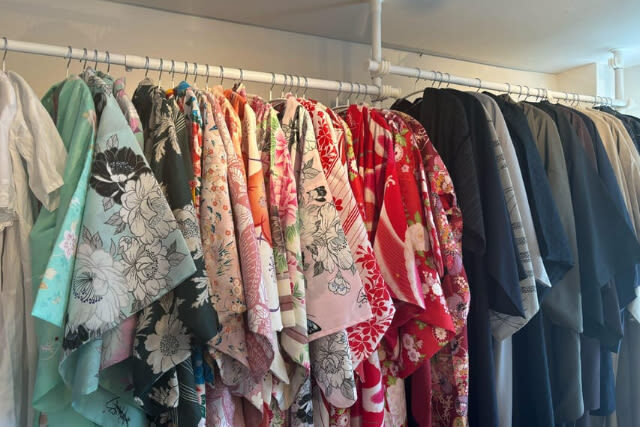
The shop describes its selection as colorful and offers a range of sizes. Still, the range may not feel equally broad for every body type. One customer with a larger bust and hips found it challenging to find an outfit that both fit and felt like the right choice. If fit is a concern for you, contact the shop before booking and ask about available sizes and styles. That is more useful than arriving with a fixed idea of one particular look.
You can choose a kimono or yukata. The supplied details do not spell out which garments are available in each season, so ask if you have a preference. The distinction matters in practical terms because a layered outfit can feel warm. One customer specifically recommended spring, noting that multiple kimono layers can become hot. On a warm day, consider how much time you want to spend walking outdoors in formal clothing.
You can also read our reviews of more shopping tours in Tokyo



From outfit choice to the first steps outside
The experience begins at the shop, where you check in and choose your outfit. The advertised departure slots run hourly from 10:00 through 16:00. You need to book a specific time and arrive five minutes early. Do not cut it close: late arrivals and no-shows are not refundable.
Next comes professional dressing. The shop’s support is a real part of the value, especially for first-timers who may not know how the garment should sit or what accessories go with it. The supplied information does not give a set amount of time for choosing and dressing, so leave room in your day rather than scheduling another activity immediately after your booking.
Hair styling is not included. If you want it, the listed extra charge is ¥2,000. One customer received complimentary styling after having trouble locating the shop, but treat that as an exception, not something to expect. If hair is important to your plan or photos, ask the shop about the service before you arrive.
Once dressed, you head out for free time. The schedule describes 90 minutes outside before returning to the shop, while the overall experience is also listed as one hour. Those details do not align. Confirm the actual time you will have in kimono and the return time for your chosen departure slot before paying, especially if you are coordinating the rental with a meal, shrine visit, or family plans.
Make the location work for you
SHIBUI is at Room 413, fourth floor, Harajuku Corp Annex, 1-10-34 Jingumae, Shibuya-ku. It is a three-minute walk from Harajuku Station or Meiji-Jingumae Station. The location is handy for a day that includes Harajuku and Meiji Shrine, and the activity information puts Shibuya 16 minutes away. Transport to and from the shop is not included.
The address is specific, but the building can still be easy to miss. One customer spent 15 to 20 minutes looking for the business and arrived late, recommending clearer directions to the fourth floor and room number. Keep the full address handy, including Room 413, and do not assume the street-level entrance will make the shop obvious. Arriving early gives you a buffer for finding the building.
There is another practical issue for anyone with limited mobility. A customer noted that there are many stairs before reaching the building’s lift. The lift may help with the upper floors, but the stairs before it can be a problem for older visitors or anyone who finds stairs difficult. Contact the shop in advance if access is a concern.
Staff are described as friendly and accommodating, and they can suggest nearby sights and activities. That local advice can help you make a simple route after dressing. Meiji Shrine is an obvious nearby pairing, while Harajuku itself gives you a contrast between traditional clothing and a modern shopping district. Keep your plans flexible, though: the activity does not include a guide or transport.
What the rental costs, and what it buys
The package starts at US$56.75 for a kimono or yukata rental. That covers the garment, dressing assistance, geta sandals, a bag, accessories, small items, tax, and English- and Japanese-speaking staff. For a short experience, the price is easiest to justify if you value the outfit, the help getting dressed, and the chance to explore in it, rather than treating it as just a clothing hire.
Hair and makeup are not included, and hair styling is listed at an additional ¥2,000. Transport and personal expenses are also extra. If you are comparing prices with another rental shop, check exactly what its base package includes, especially dressing help and accessories. The starting price is not the whole cost if you plan to add styling.
A small but useful picture of the experience comes from the five customer ratings supplied for this activity, which average 4.6 out of 5. The most consistent positive points are kind, helpful staff and enjoyment of wearing the outfits for photos at shrines and gardens. That is encouraging, but five ratings are a limited sample, so I would weigh the practical details, particularly timing, fit, and directions, just as heavily.
A family activity with a few trade-offs
There is no age limit, and baby kimonos are available from birth. Children aged 15 and older pay the adult rate. That makes the rental unusually flexible for families hoping to dress together, though you will want to ask about specific sizes if you are booking for a baby or child with particular fit needs.
Think about comfort as well as photographs. A small child may enjoy choosing an outfit, but the experience involves getting dressed and then spending time outdoors in the clothing. The information does not specify stroller arrangements or child-specific timing, so ask the shop directly if either matters to your plans.
For older family members, factor in the stairs before the building’s lift. That access note is worth taking seriously: the shop’s nearby station access does not remove the steps at the building. If someone in your group has difficulty climbing stairs, confirm the route and any available help before booking.






Who will get the most from SHIBUI
I would choose this rental if you want a short, hands-on cultural activity that fits naturally into a Harajuku or Meiji Shrine day. It suits first-timers who want help choosing and dressing, families interested in matching the occasion across ages, and anyone who values having time to walk and take photos rather than spending the day on a formal guided program.
It is less suitable if you need a fully guided outing, guaranteed hair and makeup, or a precise one-hour schedule without any ambiguity. The mismatch between the stated duration and the 90-minute outdoor period needs clearing up. It may also disappoint if you need a very particular size or outfit style and have not checked availability in advance.
The staff’s reported kindness is a good reason to feel comfortable asking questions, but practical preparation will make the experience smoother. Save the full address, arrive early, confirm your return time, and ask about fit and hair styling beforehand. Then you can focus on enjoying the outfit instead of trying to solve logistics in geta sandals.
Should you book this kimono rental?
Book SHIBUI if wearing kimono or yukata around Harajuku sounds like a memorable part of your Tokyo visit, and you are happy to handle your own sightseeing after the dressing session. Its station access, staff assistance, accessories, and baby options make it a useful choice for beginners and families.
Before you commit, get clear answers about the actual rental duration, your return time, and the sizes available for your group. If you are comfortable with those details and can manage the stairs at the building, the rental offers a straightforward way to add a traditional outfit to a day in modern Tokyo.
Tokyo Kimono Rental SHIBUI Harajuku Store
“⭐️⭐️⭐️⭐️ Overall, a great experience once I found the location! The biggest issue was the lack of directions on Klook. I walked around for 15-20 mi…”
FAQ
How much does the kimono or yukata rental cost?
The package starts at US$56.75. Hair styling is available for an additional ¥2,000.
How long does the experience take?
The experience is listed as one hour, but the schedule also describes 90 minutes of outdoor free time. Confirm the actual duration and return time when booking.
What departure times can I choose?
The listed departure times are 10:00, 11:00, 12:00, 13:00, 14:00, 15:00, and 16:00. You need to attend at the time selected during booking.
Where is the shop?
It is in Room 413, Harajuku Corp Annex, 1-10-34 Jingumae, Shibuya-ku, Tokyo 150-0001.
How do I get to the shop?
The shop is a three-minute walk from Harajuku Station or Meiji-Jingumae Station. Keep Room 413 and the fourth-floor location in mind when finding the entrance.
What is included in the rental?
The package includes a kimono or yukata, geta sandals, a bag, accessories, small items such as umbrellas and folding fans, tax, and English- and Japanese-speaking staff.
Is hair styling included?
No. Hair styling is available for an extra ¥2,000. Hair and makeup are not included in the package.
Can babies and children take part?
Yes. There is no age limit, and baby kimonos are available from birth. Children aged 15 and older are charged the adult rate.
Is English-speaking assistance available?
Yes. English-speaking staff are available to help with the experience, alongside Japanese-speaking staff.
Is transport included?
No. Transport and other personal expenses are not included.