Nishijin-ori can look like a painting from across the room. Step closer and you see the image built from silk, and sometimes gold or silver thread, woven into the cloth. This small museum in Osaka gives you an unusually direct look at a Kyoto textile tradition that has been passed down for more than 1,200 years.
I like two things here: the chance to see textile versions of works by Van Gogh, Monet, and Korin, and the option to pair the exhibits with a seated tea ceremony or a bridal uchikake photo experience. One consideration: the museum is compact, and the cultural experiences cost extra or require a different package, so check exactly what your ticket includes.
At a glance
- Look closely at the weaving: Silk and metallic threads form intricate images and patterns.
- Spot art in an unexpected medium: The exhibits include Nishijin-ori versions of works by Van Gogh, Monet, and Korin.
- Add a cultural activity: Choose an uchikake dressing experience or a tea ceremony, with seated participation available for tea.
- Plan a short museum stop: The gallery is small; allow extra time if you want to browse the shop or add an experience.
- Find it inside a hotel: The museum is on the first floor of RIHGA Royal Hotel Osaka, with access from Nakanoshima Station and a free shuttle from JR Osaka Station.
👉 See our pick of the 24 Best Workshops And Classes In Osaka
- At a glance
- A textile museum with a painter’s eye
- Take your time with the woven details
- Add an uchikake photo experience
- Make matcha without sitting seiza
- A short stop that fits Nakanoshima
- What the price gets you
- Who should make time for this museum?
- Should you book it?
- FAQ
- How much does admission cost?
- Where is the Nishijin-ori Asagi Museum?
- How do I get to the museum?
- What are the museum’s opening hours?
- When is the museum closed?
- Is the tea ceremony included with basic admission?
- Can I take part in the tea ceremony without sitting on the floor?
- Are children allowed?
- How long is my voucher valid, and can I get a refund?
- The Best Of Osaka!
- More Museum Experiences in Osaka
- More Tours in Osaka
- More Tour Reviews in Osaka
- Not for you? Here's more nearby things to do in Osaka we have reviewed
A textile museum with a painter’s eye
 1 / 8
 2 / 8
 3 / 8
 4 / 8
 5 / 8
 6 / 8
 7 / 8
 8 / 8
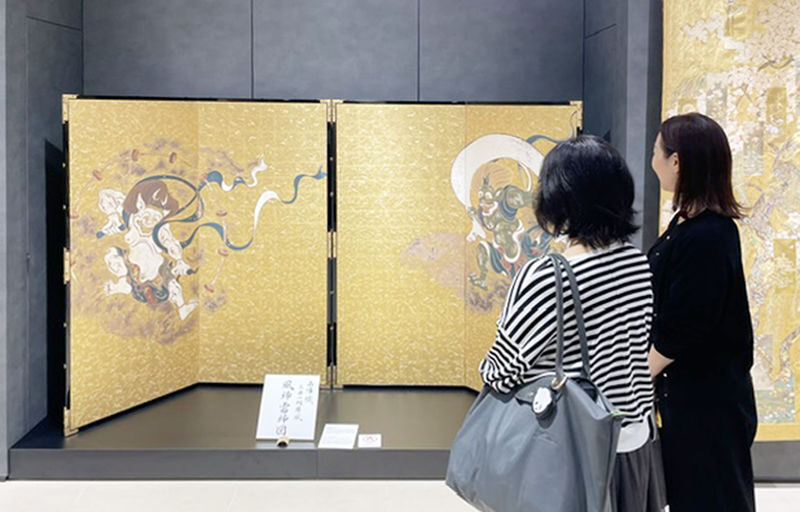
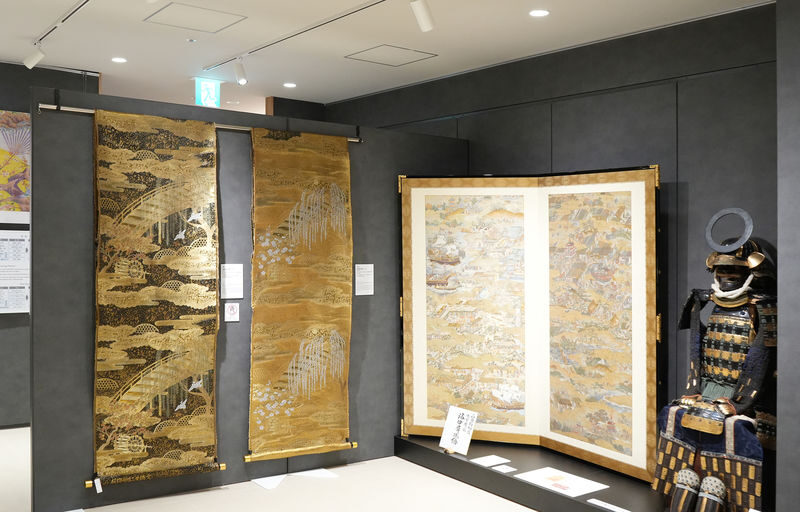
Nishijin-ori is a traditional Kyoto textile known for complex patterns woven with fine, colored silk threads and, in some pieces, gold and silver threads. The craft is used for kimono and obi, but the museum’s appeal is broader than clothing. Here, woven cloth becomes an art surface in its own right.
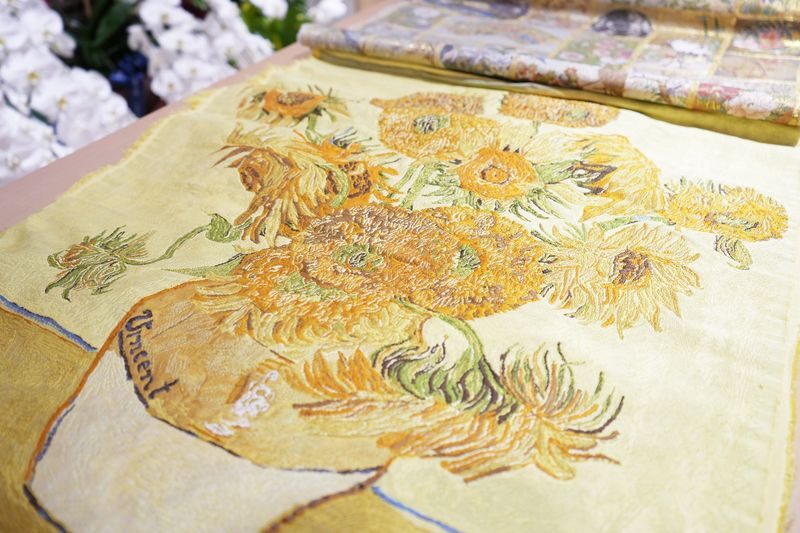
That shift in perspective is the reason I’d make time for this stop. From a few paces away, a textile artwork may read like a painting. Up close, the image breaks into threads, color, and tiny changes in texture. You can see how the material itself makes the image, rather than simply decorating it.
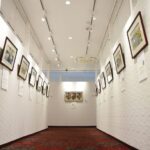
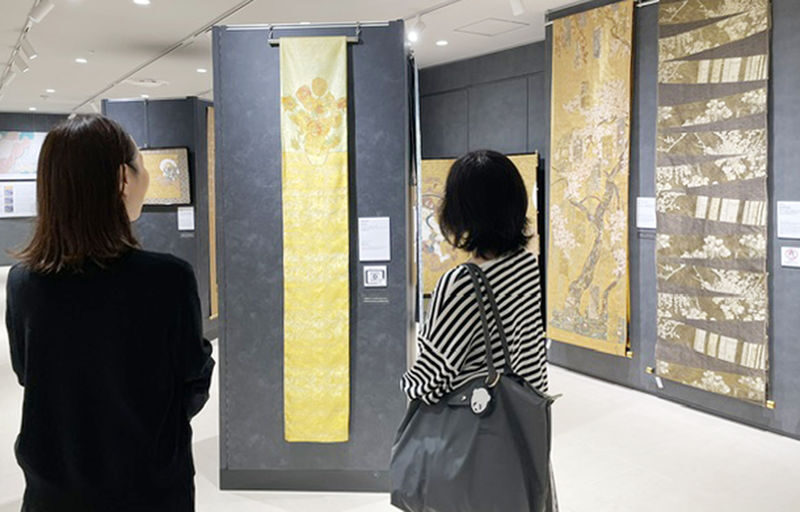
The collection includes textile interpretations of paintings by Van Gogh, Monet, and the Japanese artist Korin. The subjects will feel familiar to many visitors, but the technique changes how you see them. Brush marks become woven lines; color is made from thread rather than pigment. Some exhibits use gold thread, and a visitor described seeing pieces made with pure gold. Displays can change, so don’t assume every work will be on view during your visit.
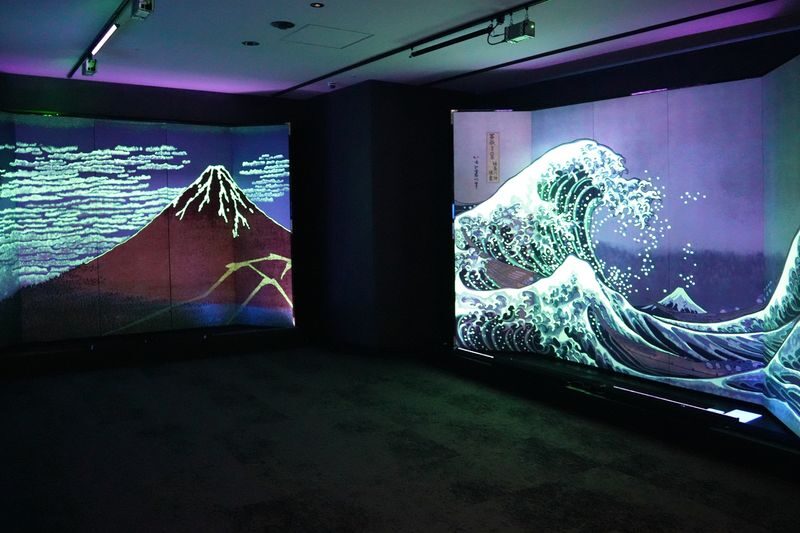
There are also pieces that glow in the dark, adding a different effect to a visit that might otherwise be all about close inspection. The museum’s scale is modest, but that works in its favor if you want a focused stop rather than a long gallery day. It also means you can take your time with the detail without needing to set aside half a day.
You can also read our reviews of more museum experiences in Osaka

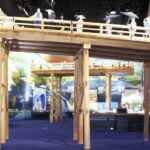

Take your time with the woven details
A straightforward look around may take about 30 minutes. That is enough for a quick circuit, but I’d give yourself longer if textile art interests you. The real pleasure is moving between a work’s overall image and its finer structure: first see the composition, then look for the threads and metallic glints that create it.
An audio guide is included, and English-speaking staff are available. The staff can help explain what you’re seeing, which is useful if Nishijin-ori is new to you. A textile can be beautiful without being self-explanatory; a little context makes it easier to understand the skill behind the pattern and why the material has such a long history.
The museum also has a gift shop. It may extend your visit beyond the galleries, especially if you enjoy browsing craft-related items. If you’re fitting the museum between other plans, allow an hour rather than planning a tight 30-minute stop. The exhibition is small, but the shop and any added experience can change the pace.
One practical point: this is an exhibition focused on textiles, not a hands-on weaving workshop. The cultural activities are the way to take part, while the displays let you study the craft. If you want to make something yourself, this may not be the right stop.
Add an uchikake photo experience
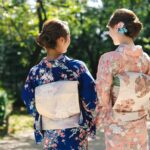
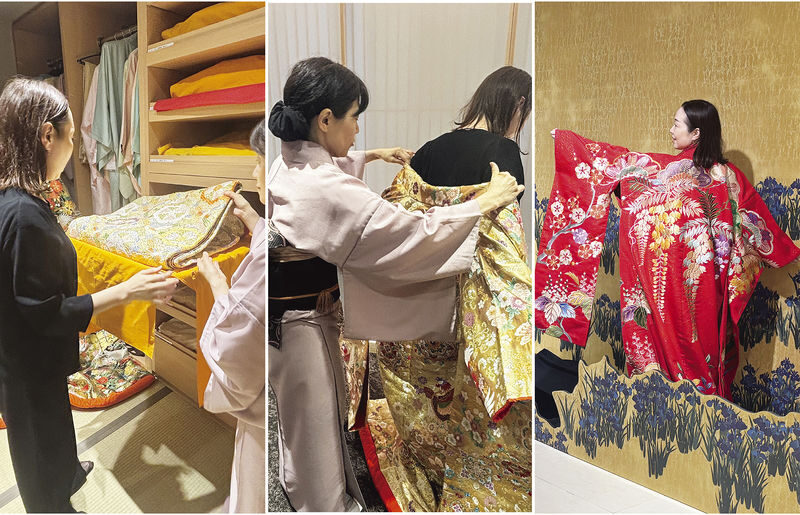
The uchikake option gives you the chance to dress in a traditional bridal kimono and take photos inside the museum. An uchikake is a formal outer kimono associated with Japanese bridal dress. It is an especially striking choice if you want a visual keepsake from Osaka that connects directly to the textile displays.
The experience is listed with museum admission at a starting price of $47.95, compared with $6.30 for the admission-only ticket. That is a substantial jump, so choose it because the dressing and photos appeal to you, not simply because you want more time in the museum. The admission ticket is the better-value choice if your main aim is to see the exhibits.
A hand-embroidered uchikake was on view during one visit, described as exceptionally detailed and colorful. That gives you an idea of the workmanship you might encounter, but the garment available for the experience and the displays may vary. If you have a particular expectation about the robe or the photo setup, check with the museum before booking.
The listing does not give the dressing experience’s duration or explain how many photos are included. Keep that in mind if you have a fixed schedule. It also lists the same uchikake package twice, so focus on the package name and what is included rather than assuming the repeated entry represents two different versions.
Make matcha without sitting seiza
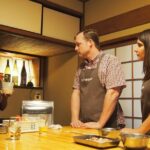
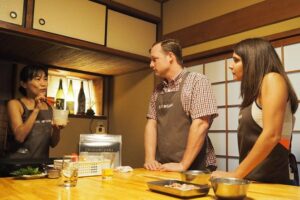
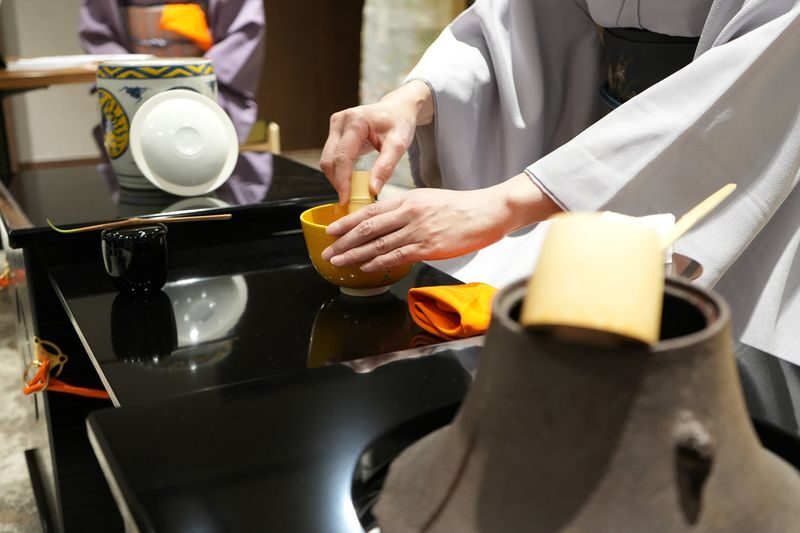
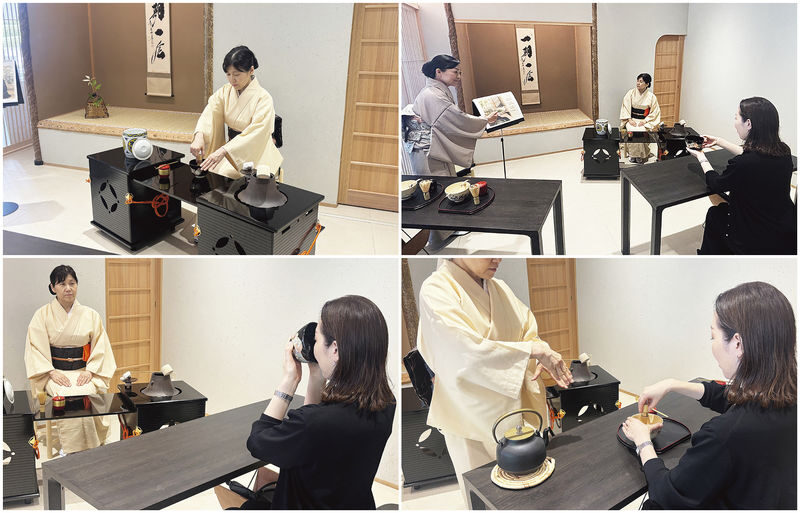
The tea ceremony option offers a gentler introduction to a formal Japanese custom. You can participate while seated in a chair, rather than having to sit in the traditional seiza position on the floor. You can also try making your own matcha, which makes this more active than simply watching someone prepare tea.
That seating detail matters if kneeling is uncomfortable or you’re unsure how long you could sit on the floor. The experience is designed to be accessible in that practical sense, while still giving you a chance to take part in the ritual and preparation.
The available package prices list admission and an uchikake experience, but do not show a separate tea ceremony price. Don’t assume the tea activity is included with the $6.30 admission ticket. Confirm the price, availability, and package details before you book, especially if tea is the main reason for your visit.
A short stop that fits Nakanoshima
The museum is inside Osaka Nakanoshima Hall on the first floor of RIHGA Royal Hotel Osaka, at 5-3-68 Nakanoshima, Kita-ku. It’s a useful stop if you are already exploring the Nakanoshima area. One visitor paired it with a visit to the Nakanoshima Museum of Art, making the textile gallery a manageable addition to a museum-focused day.
You can reach the hotel directly underground from Nakanoshima Station on the Keihan Nakanoshima Line. A free shuttle bus also runs from JR Osaka Station to RIHGA Royal Hotel Osaka. Those options make it easier to visit without building your day around a long cross-city trip.
The activity details also list round-trip transfers to and from the meet-up location, but don’t spell out a route or timetable. If transport is important to your booking decision, confirm what applies to your selected package rather than treating the hotel shuttle and the listed transfer as the same service.
Opening hours are 10 a.m. to 8 p.m., with last admission at 7:30 p.m. The museum is closed every Tuesday, or Wednesday when Tuesday is a public holiday, and it also closes during exhibition changeovers. Check the date before setting out, since a closed day or changeover could disrupt a carefully planned museum visit.




What the price gets you
At $6.30, admission is an inexpensive way to see a specialized collection and spend a calm half-hour or so with an art form that’s easy to miss elsewhere. The audio guide and access to English-speaking staff add useful context without requiring you to book a longer guided tour.
The higher-priced uchikake option, from $47.95, is better understood as an activity package rather than a more complete museum ticket. It suits you if dressing up and taking photos are part of the appeal. If you only want the gallery, the basic ticket keeps the cost down.
The tea ceremony is another reason to visit, but its price is not specified in the package information provided. Check the final booking details carefully so you know whether you’re selecting admission alone or adding an experience. The museum’s small size means the basic ticket can still feel worthwhile, but its value depends on your interest in textiles and Japanese craft.
Who should make time for this museum?
I’d recommend this stop to anyone curious about Japanese textiles, decorative arts, or how familiar images change when made with a different material. It is also a good fit if you want a quiet indoor activity in Nakanoshima, particularly alongside the area’s other museums.
Families can visit too: children aged 0 to 15 are free, but infants and children must still be included in the passenger headcount. There is no age limit for the activity. For a family visit, the compact galleries may be easier to fit into the day than a large museum, though the experience is most rewarding for anyone willing to pause and look closely.
If you’re mainly after a large collection, a long guided tour, or a hands-on textile workshop, this may not match your plans. It is a focused museum visit with optional cultural experiences, not a full-day attraction. Go for the unusual woven artworks and consider adding tea or the uchikake if those activities matter to you.
Should you book it?
Book the admission ticket if you want an affordable, compact look at Nishijin-ori and its intricate threadwork. Choose the uchikake package if dressing in a bridal kimono and taking photos are a priority, and confirm the tea ceremony’s price and availability if you want to make matcha.
The museum is most worthwhile when you give the exhibits more than a cursory glance. A quick visit can work, but an hour leaves room for the audio guide, close looking, and the shop. Check opening days and exhibition closures before you go, and make sure your chosen package includes the experience you expect.
Osaka:Nishijin Museum Tea ceremony & Kimono Experience
“I visited this museum as part of a museum tour. I only knew the name 'Nishijin-ori,' but the staff explained so much to me, and seeing the real pie…”
FAQ
How much does admission cost?
The museum admission ticket starts at $6.30. The uchikake dressing experience with admission starts at $47.95. The tea ceremony price is not specified in the package details provided, so check before booking.
Where is the Nishijin-ori Asagi Museum?
It is on the first floor of RIHGA Royal Hotel Osaka, 5-3-68 Nakanoshima, Kita-ku, Osaka 530-0005, Japan.
How do I get to the museum?
The museum is directly connected underground to Nakanoshima Station on the Keihan Nakanoshima Line. A free shuttle bus runs from JR Osaka Station to RIHGA Royal Hotel Osaka.
What are the museum’s opening hours?
It is open from 10 a.m. to 8 p.m. Last admission is at 7:30 p.m.
When is the museum closed?
It is closed every Tuesday, or the following Wednesday if Tuesday is a public holiday. It also closes during exhibition changeover periods.
Is the tea ceremony included with basic admission?
The tea ceremony is offered as a cultural experience, but the package details do not say that it is included with the $6.30 admission ticket. Confirm the price and package inclusions before booking.
Can I take part in the tea ceremony without sitting on the floor?
Yes. The tea ceremony can be done while seated in a chair, and you can try making your own matcha.
Are children allowed?
Yes. The activity has no age limit, and children aged 0 to 15 are free. Infants and children must still be included in the passenger headcount.
How long is my voucher valid, and can I get a refund?
The voucher is valid for 30 days from the booking confirmation date and time, subject to listed unavailable dates. A full refund is available as long as you have not redeemed the voucher; lost, stolen, or damaged tickets cannot be refunded.