Original Edo-period woodblock prints by Hokusai, Hiroshige, and Kuniyoshi make this small museum a worthwhile pause in central Osaka. I like the chance to see real prints up close, and the quiet galleries offer a welcome change from the shops and nightlife nearby.
I also like that the exhibits pair traditional art with digital displays and information in several languages, so you can get more from the work than a quick look. The main trade-off is scale: this is a compact museum, not a full afternoon institution, and it is on the third floor with stairs and no elevator.
What to know before you go
- Original prints by major artists: See ukiyo-e works by Hokusai, Hiroshige, Kuniyoshi, and others.
- A compact visit: Most people should plan for one to two hours, with the exact time depending on how long they spend examining the prints.
- Digital interpretation: Projection mapping and interactive displays add context to the art and its techniques.
- A calm stop in Dotonbori: The museum sits amid one of Osaka’s best-known shopping and nightlife districts.
- Easy to reach on foot: It is about five minutes from Shinsaibashi Station’s Exit 6 and seven minutes from Namba Station.
- A few firm limits: The museum closes at 5 p.m., admits visitors until 4:30 p.m., and has no elevator or re-entry.
👉 See our pick of the 24 Best Workshops And Classes In Osaka
- What to know before you go
- A small museum with art worth slowing down for
- Finding the museum above Shinsaibashi-suji
- Looking closely at Hokusai, Hiroshige, and Kuniyoshi
- Digital displays add context, not extra gallery space
- A quiet break from Dotonbori
- What admission covers, and what it costs
- Practical details that can shape your visit
- Who will get the most from this visit
- Should you book the Osaka Ukiyo-e Museum?
- FAQ
- How long should I allow for the museum?
- What are the opening hours?
- Where is the Osaka Ukiyo-e Museum?
- How do I get there from a station?
- Are the exhibits described in English?
- Can I take photographs inside?
- Is the museum accessible without stairs?
- Can I cancel the ticket or return after leaving?
- The Best Of Osaka!
- More Tickets in Osaka
- More Tours in Osaka
- More Tour Reviews in Osaka
- Not for you? Here's more nearby things to do in Osaka we have reviewed
A small museum with art worth slowing down for
 1 / 5
 2 / 5
 3 / 5
 4 / 5
 5 / 5
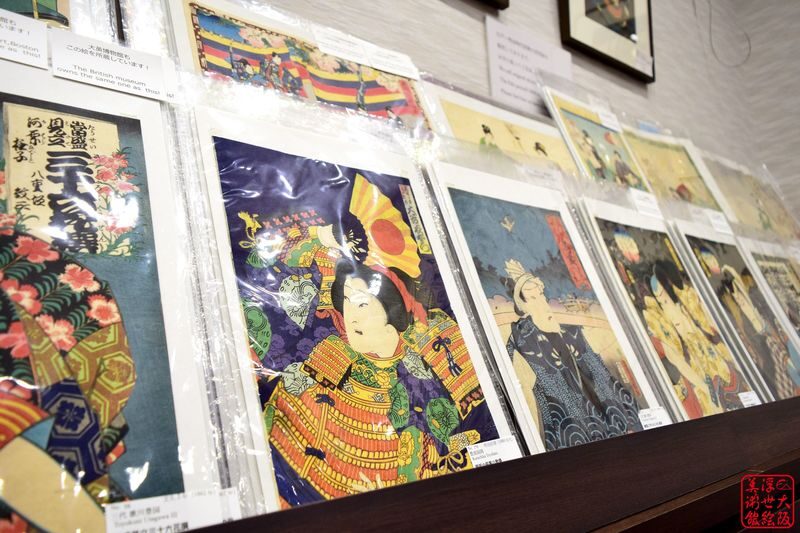
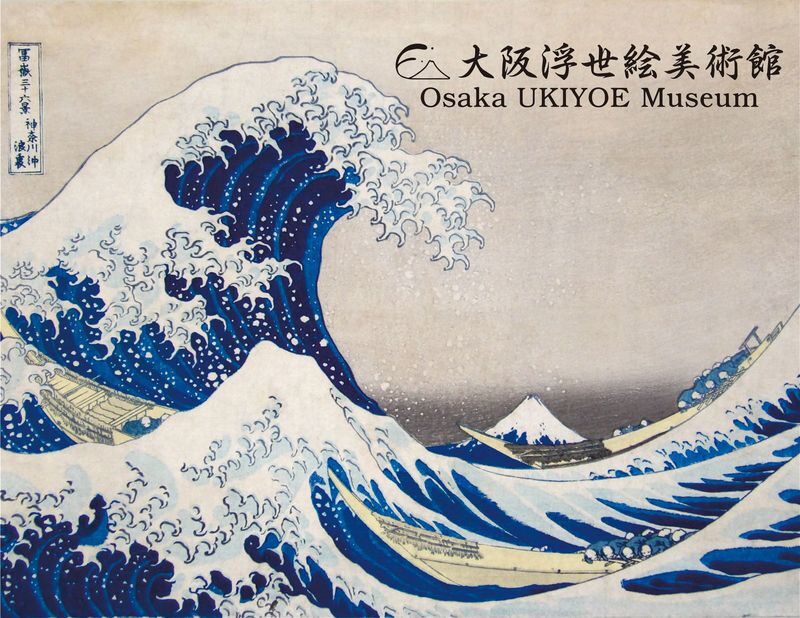
Ukiyo-e, or Japanese woodblock prints, are easy to recognize even if you do not know the artists’ names. Their clear lines, striking compositions, and scenes of daily life, famous places, and popular culture made them an influential art form during the Edo period.
The Osaka Ukiyo-e Museum gives you a chance to look at authentic prints rather than reproductions in a book or on a screen. That matters most when you take your time: the fine marks, layered colors, and small details reward close attention.
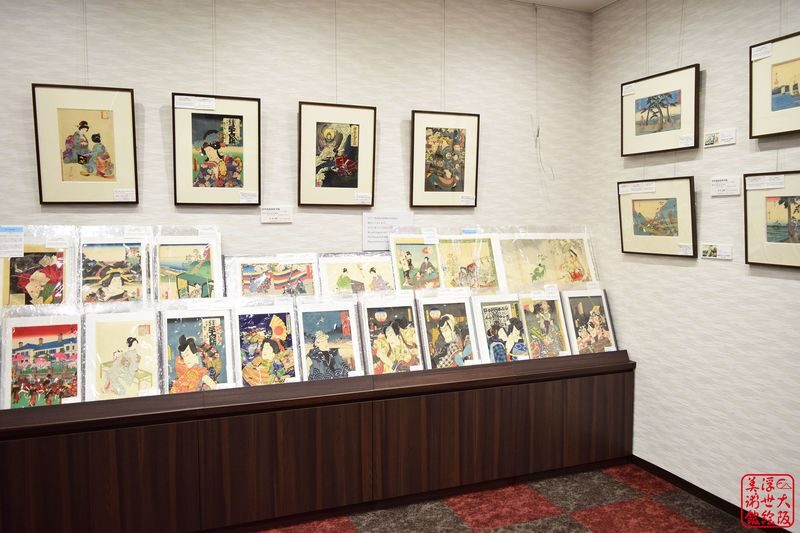
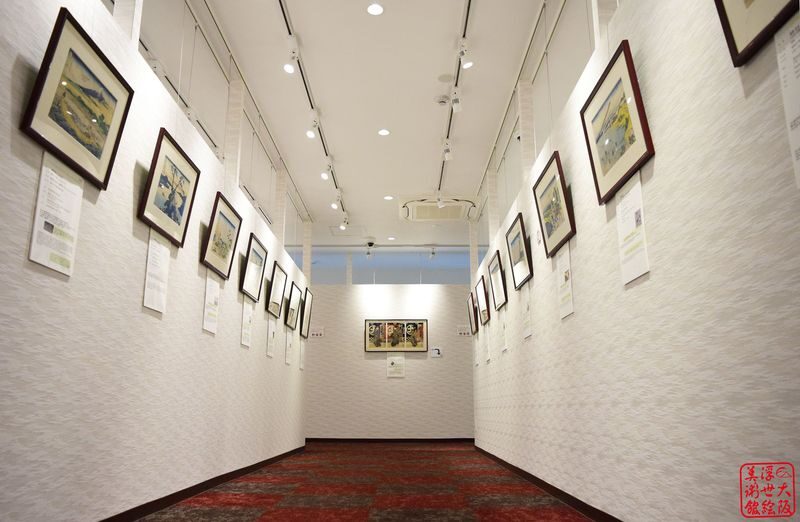
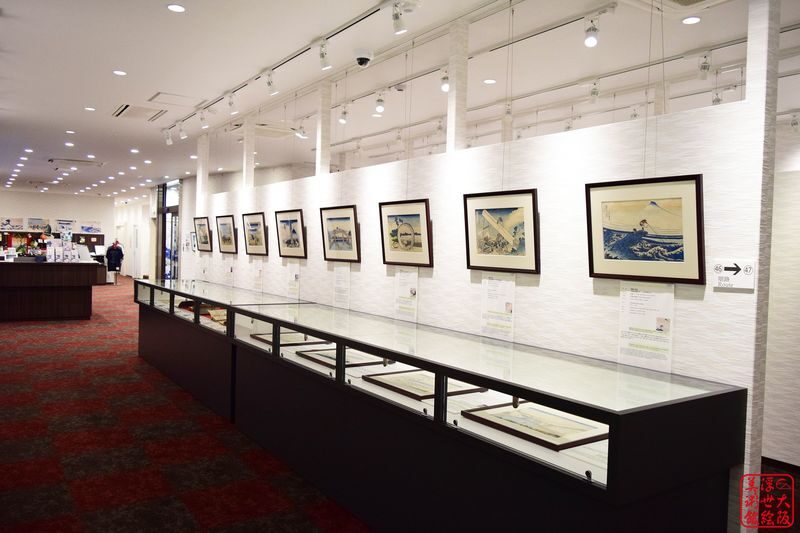
Expect an intimate space rather than a grand museum with room after room. Its limited size is a plus if you want a focused cultural stop between other Osaka plans, but a drawback if you are hoping for a large collection or a long, varied museum visit.
The displays change regularly, so the exact works on view may differ from one visit to another. Hokusai, Hiroshige, and Kuniyoshi are among the artists featured, but do not assume that a particular print will be on display on your chosen day.
You can also read our reviews of more tours and experiences in Osaka


Finding the museum above Shinsaibashi-suji
The museum is at Fujiya Shinsaibashi Building, 3F, 2-2-23 Shinsaibashi-suji, Chuo Ward. It is within walking distance of both Shinsaibashi Station and Namba Station, making it easy to fit into a day around central Osaka.
The directions give two useful landmarks: allow about five minutes on foot from Exit 6 of Osaka Metro Shinsaibashi Station, or about seven minutes from Namba Station. The museum’s setting can feel unexpected, since you reach it through a commercial building in a busy shopping district rather than a separate museum campus.
Give yourself a little extra time to locate the entrance and reach the third floor, especially if you are unfamiliar with the area. The building has no elevator, escalator, ramp, or other assistive device, so you must be able to use the stairs.
Looking closely at Hokusai, Hiroshige, and Kuniyoshi
Once inside, the central attraction is the art itself. The museum presents original ukiyo-e prints by well-known masters, giving you an opportunity to see how artists translated people, places, and everyday subjects into carefully composed images.
Do not rush from one work to the next just to cover the room. Prints are made up of details that can disappear at a glance, and a magnifying glass may be available to borrow for closer viewing. It can help you notice the fine work that is difficult to appreciate from a normal viewing distance.
The compact layout makes it easier to focus, but it also means you may finish sooner than you expect. If you are passionate about Japanese prints, take your time with each piece and read the accompanying information. If you are visiting with someone who is less interested in art, one to two hours is still a manageable commitment.
The display list is included with admission, and an English translation is available. Exhibit information is also offered in English, Chinese, and Japanese, a useful feature when you want context without relying on Japanese-language descriptions alone.
Digital displays add context, not extra gallery space
Projection mapping and interactive displays provide another way into the subject. They help explain how the prints were made and what stories or techniques sit behind them, adding movement and interpretation to an art form that can otherwise seem quiet at first glance.
Think of these features as support for the prints, not a separate attraction that will fill hours. The museum remains small, and the original works are the main reason to visit. Digital presentation can make the experience more approachable if you are new to ukiyo-e, while seasoned print enthusiasts may prefer to spend most of their time looking closely at the originals.
Because exhibitions change, the balance between prints and digital material may vary. The museum is best approached as a compact, focused introduction rather than a fixed, extensive exhibition with a predictable route.
A quiet break from Dotonbori
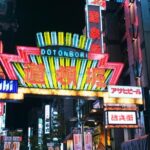
Dotonbori is known for its food, shops, and night-time energy. This museum offers a different pace just a short walk from the action, making it a practical choice when you want to add art to a day of sightseeing without travelling across town.
I would pair it with a nearby meal or shopping stop rather than plan an entire day around it. Its central location is a real strength: you can step away from the streets for a calmer hour or two, then return to your plans on foot.
That contrast is part of the appeal, but it is also worth setting expectations. The museum does not replace a larger art museum if you want many galleries or a broad survey of Japanese art. It works best as a small, specific stop for people curious about woodblock prints.
You can also read our reviews of more museum experiences in Osaka



What admission covers, and what it costs
Admission starts at $6.30, though the price may vary by date or package. For that amount, you get entry to the museum and an exhibition list with an English translation. Personal expenses and tips are not included.
The value depends on your interest. If original ukiyo-e prints are high on your Osaka wish list, the chance to examine works by major artists in person makes a modest ticket price appealing. If you are looking for a large-scale museum experience, the short visit may feel limited, even at this price.
The visit is also efficient. With a one-to-two-hour window, you can give the art proper attention without setting aside half a day. That makes the museum a particularly sensible option for a spare block of time near Namba or Shinsaibashi.
Practical details that can shape your visit
The museum is open from 10 a.m. to 5 p.m., with last admission 30 minutes before closing. Aim to arrive well before 4:30 p.m. if you want enough time to see the displays without rushing.
Photography rules need care. Photography is restricted to designated photo spots; flash is prohibited, and video recording, commercial photography, and live broadcasting are not allowed. Follow the signs and staff instructions rather than assuming you can photograph the prints freely.
Food and drinks from outside are not allowed inside, and re-entry is not permitted once you leave. Smoking and drinking are prohibited in the venue, and anyone who appears intoxicated may be refused entry without a refund.
The ticket is non-refundable. Its voucher is described as valid for seven days from the participation date, expiring at 11:59 p.m. on the final day, so check the specific voucher details before you book and plan your visit. The museum is closed on July 14 and during the New Year period from December 31 to January 2.
Student tickets are available to anyone with a student ID, regardless of age. If you plan to use one, bring the ID with you.
Who will get the most from this visit
This museum is a good fit if you enjoy Japanese art, want to see original prints, or are curious about ukiyo-e but do not want a long museum commitment. It also suits visitors who appreciate a quieter cultural stop in the middle of a busy Osaka itinerary.
First-time visitors can get a useful introduction from the multilingual information and digital displays. Art lovers can spend longer studying the works, though the small scale means the visit will still be focused rather than expansive.
It is less suited to anyone who needs step-free access, since reaching the third floor requires stairs and there is no lift or ramp. It may also disappoint if you expect a large collection, guaranteed access to a particular print, or permission to photograph freely throughout the museum.
Should you book the Osaka Ukiyo-e Museum?
Book it if you want to see original ukiyo-e works and can spare an hour or two near Shinsaibashi or Namba. The intimate scale, central location, and digital explanations make it a tidy cultural addition to an Osaka day.
Skip it if stairs are a barrier, you have little interest in prints, or you want a large museum with a long route through many galleries. If you do go, arrive with enough time before closing, check the current exhibition details, and give the prints a slower look than their compact setting might suggest.
Osaka Ukiyo-e Museum Admission Ticket
“Although the art museum is small, it was a wonderful and rewarding time to view the artwork.”
FAQ
How long should I allow for the museum?
Plan for one to two hours. The museum is small, but you can spend longer looking closely at the prints and reading the exhibition information.
What are the opening hours?
The museum is open from 10 a.m. to 5 p.m. Last admission is 30 minutes before closing.
Where is the Osaka Ukiyo-e Museum?
It is on the third floor of Fujiya Shinsaibashi Building, 2-2-23 Shinsaibashi-suji, Chuo Ward, Osaka.
How do I get there from a station?
It is about a five-minute walk from Exit 6 of Osaka Metro Shinsaibashi Station and about a seven-minute walk from Namba Station.
Are the exhibits described in English?
Yes. Exhibit information is available in English, Chinese, and Japanese, and an English translation of the exhibition list is included.
Can I take photographs inside?
Photography is allowed only at designated photo spots. Flash photography, video recording, commercial photography, and live broadcasting are prohibited.
Is the museum accessible without stairs?
No. The museum is on the third floor and has no elevator, escalator, ramp, or other assistive device. You must take the stairs.
Can I cancel the ticket or return after leaving?
The ticket cannot be cancelled or refunded, and re-entry is not allowed after you leave the venue.