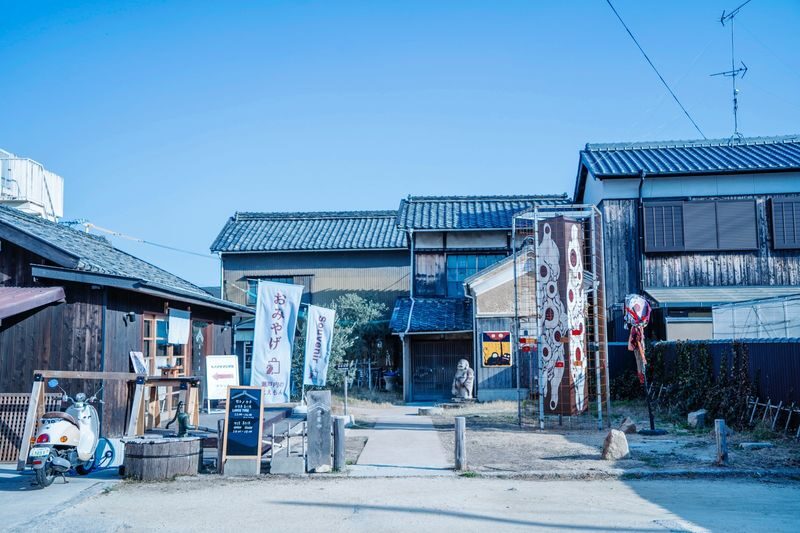
Shodoshima’s Yokai Art Museum spreads its exhibits across four separate halls in Tonosho’s old-town maze. Instead of one large gallery, you follow signs from building to building, moving through a collection of more than 800 yokai, Japan’s supernatural beings. The format makes the visit part exhibition, part town walk.
I like two things here: the audio guide gives context to figures you may not recognize, and the varied old buildings add a sense of discovery between halls. The combo ticket also brings in Naoki Onogawa’s striking works made with more than 3,000 origami cranes.
One consideration: the museum is compact, and you may feel the admission price is high if monster folklore is not your thing. Plan for a roughly one-hour visit, and check transport times before building the rest of your day around it.
- Key points to know before you go
- Four halls, one yokai trail through Tonosho
- Follow the route at your own pace
- What the yokai exhibits help you see
- Add Naoki Onogawa’s paper-crane art
- Choose your timing around island plans
- Price, access, and practical details
- Who will enjoy this visit most
- Should you book the Yokai Art Museum?
- FAQ
- How long should I allow for the museum?
- Does admission include an audio guide?
- Can I visit at a different time from the selected timeslot?
- What are the museum’s opening hours?
- Is the Naoki Onogawa Museum included?
- Is the museum accessible, and can I store luggage there?
- More Tours in Shozu
- More Tour Reviews in Shozu
- Not for you? Here's more nearby things to do in Shozu we have reviewed
Key points to know before you go
- Four halls make this a town-walking museum: Exhibits sit in separate nearby buildings, so follow the signs and allow time to move between them.
- The collection spans eras: More than 800 yokai show how ideas about monsters have changed from older spiritual beliefs to modern art and popular culture.
- The audio guide adds useful context: It is included with admission and helps explain the figures and their cultural background.
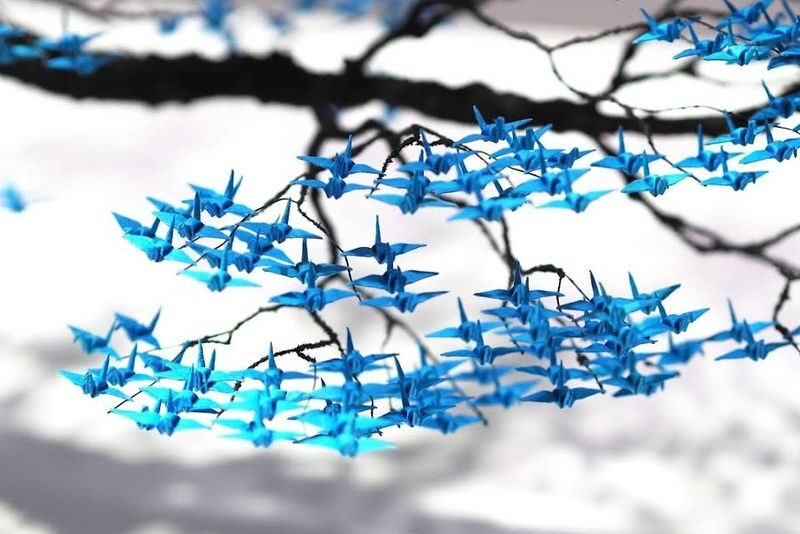
- The combo adds a different kind of art: Naoki Onogawa’s museum features works made with more than 3,000 folded paper cranes.
- Late hours can help with island planning: The museum is open until 21:00 on Monday, Tuesday, Friday, Saturday, and Sunday, subject to schedule changes.
- The night event is seasonal: A 2025 festival listing included a giant Tsurube Otoshi display, a stamp rally, and lantern rental after 17:00. Check current dates before planning around it.
Four halls, one yokai trail through Tonosho
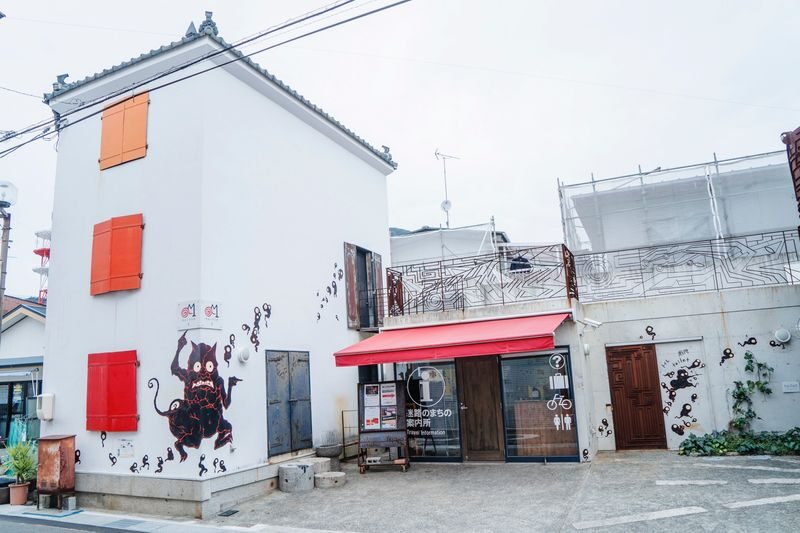
The Yokai Art Museum is not housed in a single grand building. Its galleries occupy several small structures in Tonosho, and the route sends you between them through the town. That choice gives the visit a local feel, but it also means you should pay attention to directions rather than expect a straight walk from one room to the next.
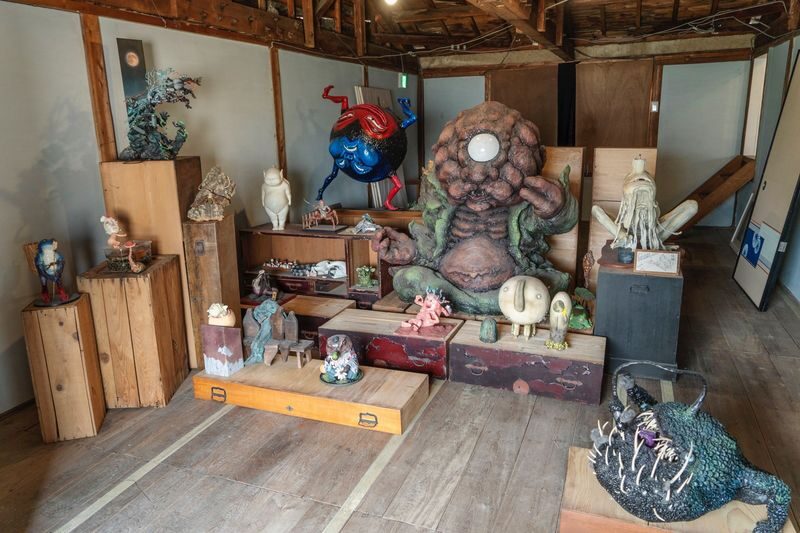
Inside, the museum brings together more than 800 depictions of yokai, the spirits, monsters, and strange beings that have long appeared in Japanese stories and art. The exhibits connect older beliefs with more recent interpretations, showing how a frightening creature can also become a figure of humor, comfort, or imagination.
You are not simply looking at a row of objects. The halls use lighting and different settings to give the works character, and some rooms lean into a spooky atmosphere. A few sections may feel genuinely unsettling, especially if you are visiting with younger children or you do not enjoy haunted-house effects.
The collection’s appeal depends on your curiosity. If you like folklore, unusual sculpture, or the way popular culture reworks old stories, the subject offers plenty to follow. If you expect a large, highly interactive attraction, the museum may feel smaller and more focused than the title suggests.
You can also read our reviews of more tours and experiences in Shozu.
Follow the route at your own pace
At the entrance, you can use the included audio guide to help interpret the exhibits. The self-guided format lets you pause where a creature catches your eye, rather than keeping pace with a group or a named guide. No guide’s name is provided for this activity.
The route connects the halls with short walks through Tonosho. Signs and directions help, but the change of buildings can interrupt the flow if you prefer a conventional museum layout. Take a moment to check the map and get your bearings before setting off. Once you understand the pattern, the movement between spaces becomes part of the visit.
Language support is worth checking before you arrive. The audio guide has been noted in Chinese, and the experience has also been used with Mandarin audio. The available language options may depend on the guide or app setup, so do not assume every language is offered on every visit. Some visitors have had trouble connecting to an app even when Wi-Fi was available. If the guide matters to you, make sure your phone can access the required URL and bring mobile data as a backup.
The exhibit count and route make this a relatively short stop. One hour is a sensible starting estimate for seeing the halls, though your pace and interest in the audio explanations will shape the timing. There is no stated time limit while the venue is open, but seasonal schedules and individual facilities can change.
What the yokai exhibits help you see
Yokai are more than monsters designed to frighten. The museum’s broad story follows the shift from older spiritual views to the more playful and creative versions that appear in later periods. That context helps make the collection more than a series of strange faces and figures.
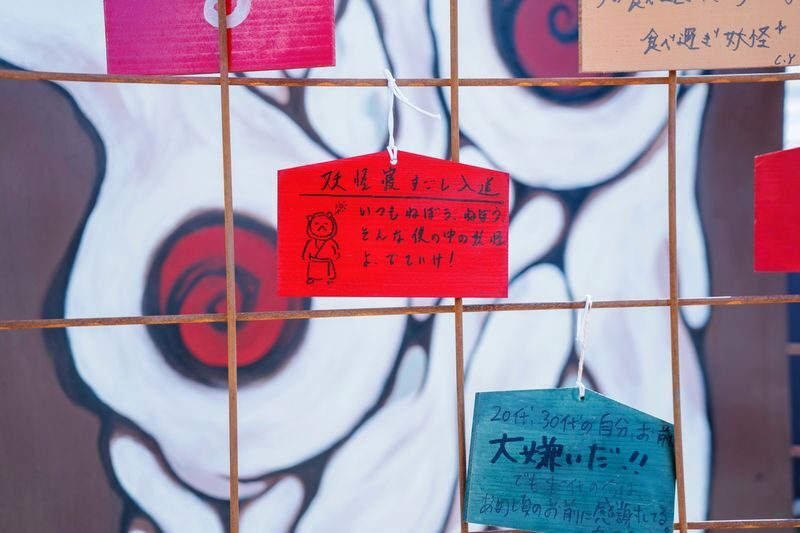
Look for how the works use sculpture, color, lighting, and setting to give each being a distinct mood. Some are eerie, others amusing or beautiful. The contrast is part of the point: these creatures can reflect fears and everyday concerns, but they can also become characters people enjoy drawing, collecting, and retelling.
The exhibits may be most rewarding if you arrive with a little curiosity rather than a checklist. You do not need to be an expert in folklore, but knowing that yokai have many forms and meanings makes the visit easier to appreciate. The audio guide is useful here, since a creature’s appearance alone may not explain why it matters.
For children, the visual variety can be a draw, and the air-conditioned interiors offer a break from summer heat. Still, the atmosphere is not uniformly gentle. Some exhibits are intentionally scary, and some parts have a dark, flashlight-like feel. If you are bringing a sensitive child, prepare them for a spooky museum rather than promising a play zone.
Add Naoki Onogawa’s paper-crane art
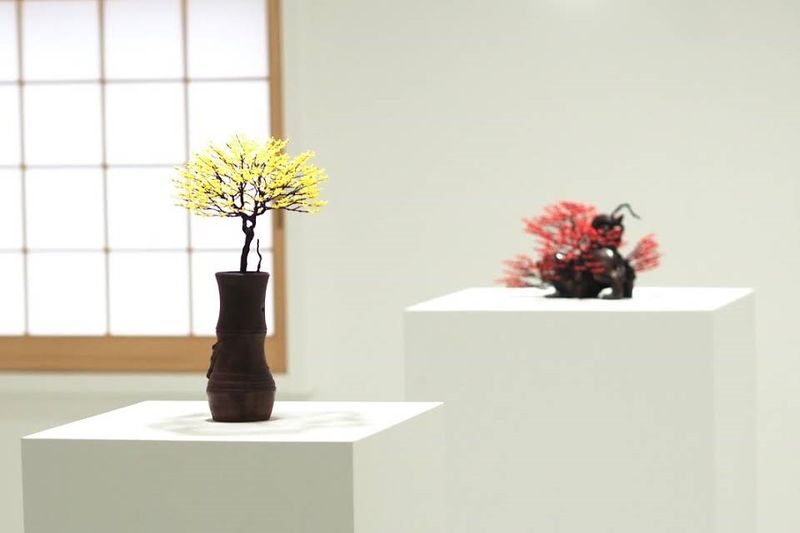
The combo admission pairs the Yokai Art Museum with the Naoki Onogawa Museum. Its focus is quite different: works made with more than 3,000 origami cranes. One visitor described the space as a small exhibition hall with eight especially notable works, so think of it as a compact companion visit, not another large museum.
The contrast is a good reason to consider the combo. Yokai art draws on folklore and imaginative creatures; the crane works shift attention to repetition, form, and the care involved in arranging many small folded pieces. If you like seeing two distinct artistic approaches in one outing, the extra stop can round out the visit.
The combo may also be a better value than purchasing the admissions separately, but prices and offers can change. Compare the current options when booking. If your time is short or you are not interested in paper art, the standard Yokai admission keeps the visit more focused.
Choose your timing around island plans
Opening hours vary by day. The listed schedule is 09:00 to 21:00 on Monday, Tuesday, Friday, Saturday, and Sunday, and 09:00 to 17:00 on Wednesday and Thursday. Hours on Wednesday and Thursday may extend on public holidays and during the Setouchi Triennale. Weather and seasonal conditions can also affect operating times, so check the current calendar before setting out.
The ticket’s booked time slot does not restrict your arrival to that exact hour. You can enter at any time during admission hours on the selected date. That flexibility is useful if you are linking the museum with other sights, but it does not mean you can use the voucher on a different day.
The listed 2025 Yokai Kimodameshi Festival ran from July 19 to August 31. After 17:00, its special features included a giant Tsurube Otoshi exhibition, a stamp rally, and lantern rental. Those details are tied to that dated event, not a standing nightly offer. Check for a current event before planning an evening visit around them.
Late opening on several days can leave daylight for other island stops, but Shodoshima transport requires planning. Tonosho Honmachi bus stop is listed as a one-minute walk from the museum. Walking estimates from Tonosho Port differ in the supplied directions: one gives five minutes and another gives 15 minutes. Treat that as an approximate route, check a map, and leave extra time if you are walking with children or luggage.
Price, access, and practical details
Admission starts at $15.80, though the final price can depend on the selected package and current offer. For that cost, you get access to a multi-building exhibition and an audio guide. The value is strongest if you will take time with the folklore and visual details; if you are only looking for a brief novelty stop, the price may feel steep.
Children aged 0 to 12 can enter free, according to the supplied admission information. The venue is listed as stroller- and wheelchair-accessible. There is no luggage storage, so plan to keep bags with you or make other arrangements before arriving.
You can enter with the mobile voucher. The URL certificate needs a phone with internet access, and tablets may not open it reliably. Let facility staff operate the ticket; if you mark it as used yourself, it will no longer be valid. Admission does not include fast entry, so follow staff instructions at the venue.
The ticket is valid only for the selected date. The listed unavailable dates are September 1 to 5, 2025, and January 5 to 9, 2026. The operator may cancel in extreme weather or unforeseen circumstances, with a choice to reschedule or request a refund. Lost, stolen, or damaged tickets are not refundable. Check the current terms when booking, since schedules and conditions can change.
Who will enjoy this visit most
I would put the museum high on the list for folklore fans, families with children who enjoy spooky stories, and anyone who likes art that takes an unusual subject seriously. The four-hall layout also suits visitors who enjoy small discoveries and do not mind walking between buildings.
It is less of a must for someone with limited time on the island who is not curious about yokai. The exhibitions are focused, not sprawling, and the experience does not hinge on rides or extensive game elements. If you are choosing among several stops, weigh the museum against your interest in the subject and the local bus schedule.
Should you book the Yokai Art Museum?
Book if Japanese folklore, imaginative sculpture, or the unusual four-building format sounds appealing. The audio guide gives the collection helpful context, and the optional crane-art museum adds a distinct second stop. For families, the free entry for children aged 0 to 12 and the sheltered indoor galleries are practical advantages, though some displays can be scary.
Skip it if you need a long, activity-packed attraction or have no interest in monster culture. If you do go, use the map, check the language options and current opening calendar, and consider the combo only if the origami-crane works interest you. That small amount of planning can turn a short visit into a worthwhile Tonosho stop.
Yokai Art Museum Admission in Shodoshima
“Great! 😊 I think the design is excellent, and there's also a Chinese audio guide. It's especially wonderful, and I believe it's quite suitable for…”
FAQ
How long should I allow for the museum?
Plan for about an hour to see the four Yokai Art Museum halls. Your visit may take more or less time depending on how closely you follow the audio guide.
Does admission include an audio guide?
Yes. One audio guide is included with the Yokai Art Museum admission ticket.
Can I visit at a different time from the selected timeslot?
Yes. The stated information says you may enter anytime during admission hours, regardless of the timeslot booked. Your voucher is still valid only on the selected date.
What are the museum’s opening hours?
The listed hours are 09:00 to 21:00 on Monday, Tuesday, Friday, Saturday, and Sunday, and 09:00 to 17:00 on Wednesday and Thursday. Hours may change, and Wednesday and Thursday may run later on public holidays or during the Setouchi Triennale.
Is the Naoki Onogawa Museum included?
Only with the Yokai Art Museum and Naoki Onogawa Museum combo package. The Naoki Onogawa Museum features art made with more than 3,000 origami cranes.
Is the museum accessible, and can I store luggage there?
The activity is listed as stroller- and wheelchair-accessible, but the venue has no luggage storage facility.