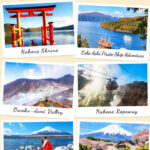
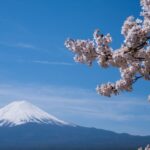
Mount Fuji’s views are the prize, but this trip gives you more than one chance to find them: lake reflections at Oishi Park, the famous pagoda viewpoint at Arakurayama, and, when conditions allow, the mountain’s 5th Station. I like that round-trip transport from Shinjuku joins these far-flung stops into one manageable day, and that the route includes both scenic viewpoints and Oshino Hakkai’s clear spring-fed ponds.
The main trade-off is time. You have roughly 30 to 70 minutes at most stops, so this is a sampler, not a slow visit. Fuji can also hide behind cloud, and weather or traffic may change the plan.
- The day at a glance
- Why this route makes sense from Tokyo
- Oishi Park: a lakeside first look
- Arakurayama: Fuji behind the Chureito Pagoda
- Oshino Hakkai: spring water and a slower pause
- The 5th Station: closer to the mountain, weather permitting
- The conductor and the bus matter
- Timing, weather and the value of a group tour
- Meeting in Shinjuku and booking details
- Should you book this Mount Fuji day trip?
- FAQ
- Where does the Shinjuku tour depart from?
- What time should I arrive, and when does the bus leave?
- What time does the tour return to Shinjuku?
- Which stops are included?
- What languages does the conductor speak?
- Are meals and drinks included?
- Can I bring a suitcase on the bus?
- What are the child fare rules?
- Can I cancel, and what happens if the tour does not run?
- The Best Of Fujiyoshida!
- More 1-Day Tours in Fujiyoshida
- More Tours in Fujiyoshida
- More Tour Reviews in Fujiyoshida
- Not for you? Here's more nearby things to do in Fujiyoshida we have reviewed
The day at a glance
 1 / 10
 2 / 10
 3 / 10
 4 / 10
 5 / 10
 6 / 10
 7 / 10
 8 / 10
 9 / 10
 10 / 10
- Four distinct Fuji-area stops: Oishi Park, Arakurayama Sengen Park, Oshino Hakkai and the Fuji Subaru Line 5th Station.
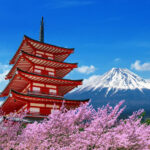
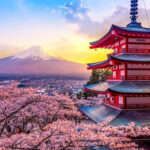
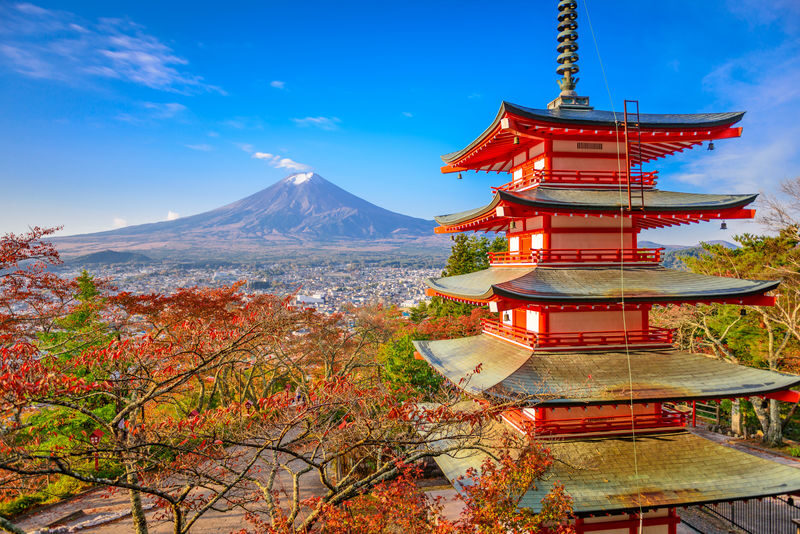
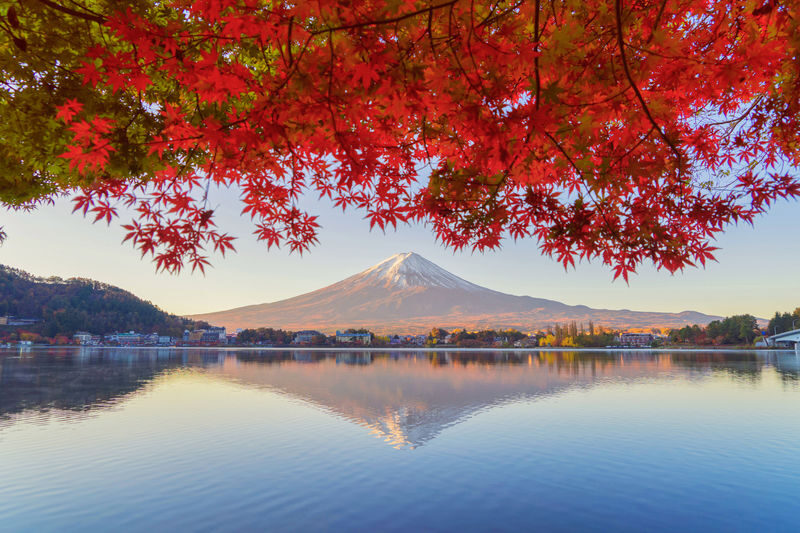
- A classic photo angle: Arakurayama pairs Mount Fuji with the five-story Chureito Pagoda, while Oishi Park offers a lakeside view and, on a calm day, a reflection.
- Time to explore on your own: The stops at Oshino Hakkai and the 5th Station are self-guided, so you can set your own pace within the allotted time.
- A multilingual trip conductor: The conductor speaks English, Chinese or Cantonese and gives information about Mount Fuji and the stops.
- A long day made simpler: Round-trip bus transport leaves Shinjuku at 8:00 and returns around 18:00, though traffic can affect the timing.
- Weather can rewrite the plan: If the 5th Station is closed in winter, the tour substitutes Yamanakako Flower Park.

👉 See our pick of the 3 Best Tours In Fujiyoshida
Why this route makes sense from Tokyo
The Fuji area is close enough to tempt you into planning a day trip on your own, but reaching several separate viewpoints in one day takes coordination. This coach tour handles the transfers between Tokyo and the stops, then between the stops themselves. That convenience is the heart of its value: you can see a range of places without renting a car or working out each connection.
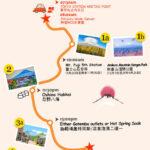
The tour lasts about 10.5 hours. Expect an early start, a substantial ride each way and a steady sequence of short visits. The published schedule allows about 30 minutes at Oishi Park, one hour at Arakurayama Sengen Park, 70 minutes at Oshino Hakkai and 40 minutes at the 5th Station. You are not paying for long stays at any one place. You are paying for an efficient route through several of the area’s familiar sights.
The advertised starting price is $49.29. At that price, round-trip transport and a multilingual conductor make the trip an appealing option if you want an organized overview. Meals, drinks and personal expenses are extra, so bring money for food and anything you might want to buy along the way. The price can vary by package: the standard Shinjuku day tour is described here, with separate Tokyo departure and premium sake-and-cruise options also offered.
You can also read our reviews of more tours and experiences in Fujiyoshida

Oishi Park: a lakeside first look
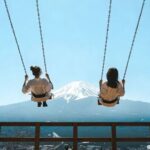
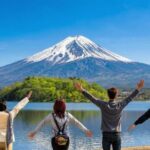
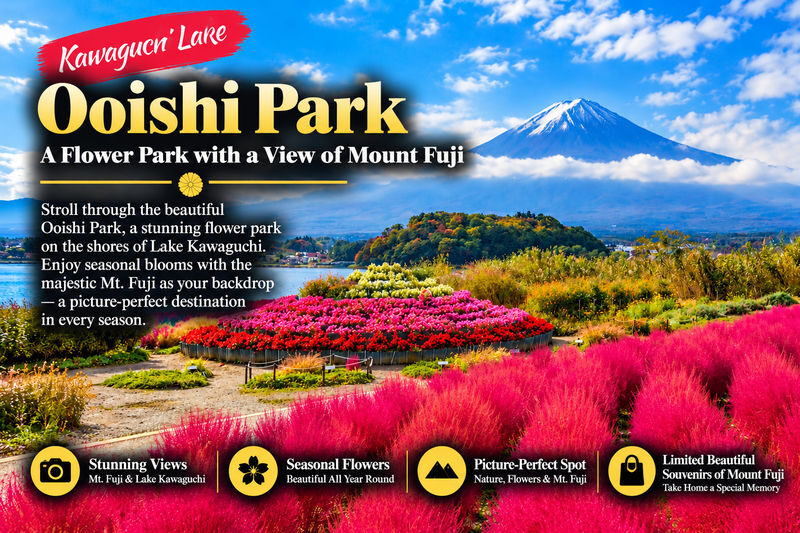
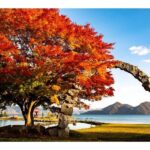
The first scheduled stop is Oishi Park, beside Lake Kawaguchi. You have about 30 minutes to take in the view, walk around and look for Mount Fuji reflected in the water. That reflection depends on visibility and conditions, of course. Clouds can cover the mountain, and ripples can spoil the mirror effect, so treat it as a possibility rather than a promise.
Oishi Park is a useful opening stop because it gives you a broad, open view rather than a tightly framed photo angle. It is also a quick visit. If you want a particular photo, have your camera ready and avoid spending too long deciding where to stand. On days when Fuji is visible, the view can make the early departure feel worthwhile. On cloudy days, the park is still a lakeside stop, but the mountain may be missing from the picture.
Arakurayama: Fuji behind the Chureito Pagoda
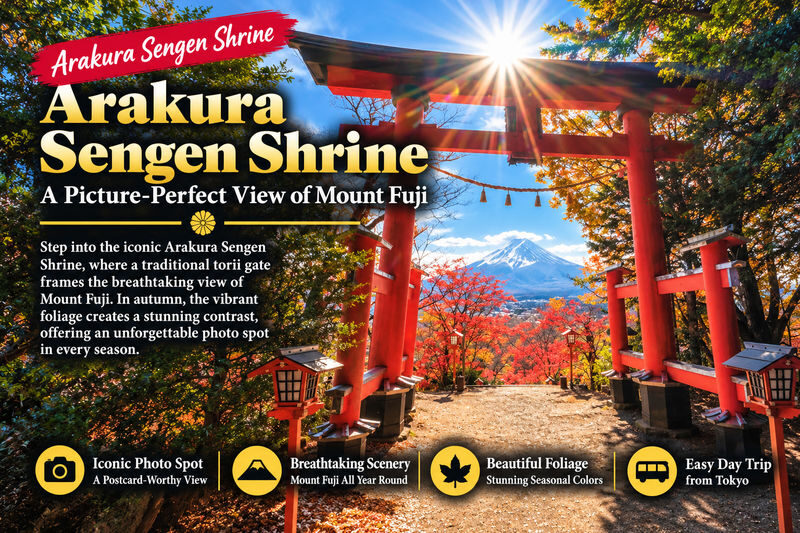
Next comes Arakurayama Sengen Park, with about an hour on site. This is the stop for the familiar view of Mount Fuji rising behind the five-story Chureito Pagoda. It is a striking pairing of mountain and landmark, and it gives you a different composition from the lakeside view at Oishi Park.
An hour offers time to see the viewpoint and take photos, but it is still a limited visit. Keep the group’s return time in mind rather than assuming you can wander as long as you like. The view depends on the same weather that shapes the rest of the day: if Fuji is clouded over, the pagoda remains, but the signature backdrop may not appear.
The tour conductor gives instructions, but the sightseeing at the stops is largely independent. That suits you if you prefer to explore and photograph at your own pace instead of following a guide from one point to another. Clear directions matter here, so listen carefully before leaving the bus and note where and when to meet again.
Oshino Hakkai: spring water and a slower pause
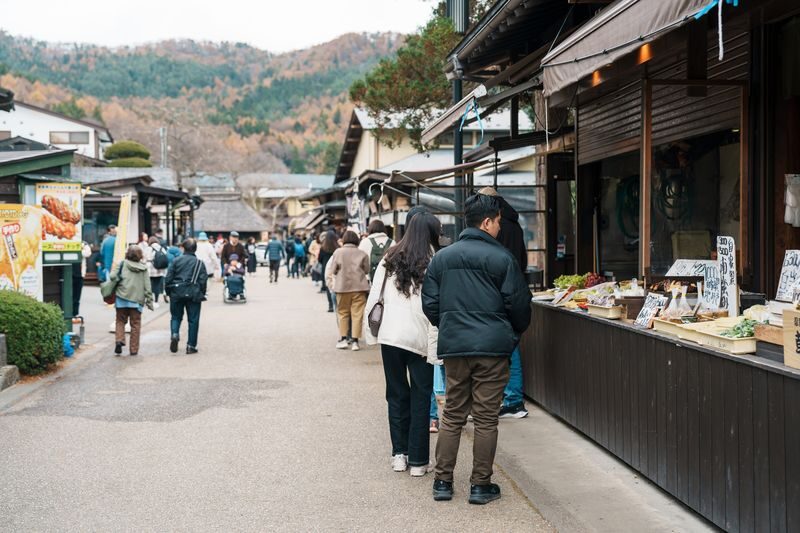
At Oshino Hakkai, the tour allows about 70 minutes for self-guided sightseeing. The village is known for its eight sacred ponds, formed by snowmelt from Mount Fuji. The water and the setting offer a change of pace after the two major viewpoints, and this is the stop where you can spend a little longer looking around rather than racing straight to a single photo spot.
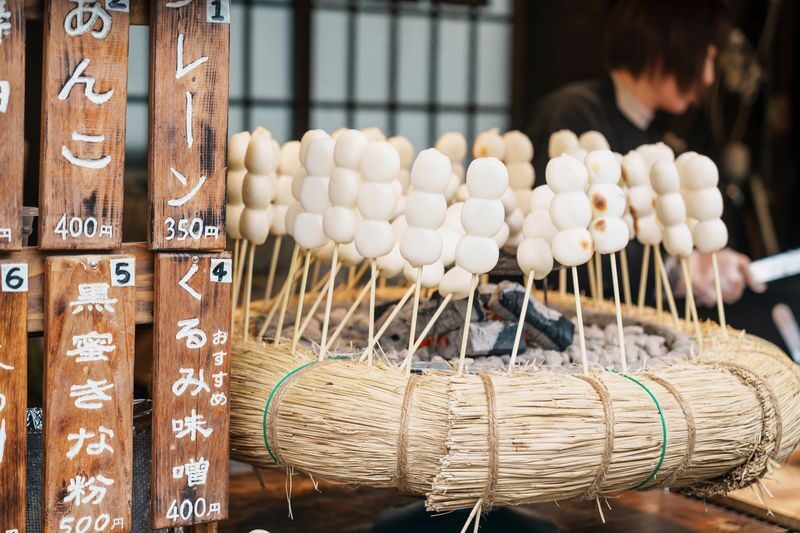
The visit is not a guided walk, so you choose how to use the time. You might focus on the ponds, take a break or look for something to eat, but meals are not included. Keep an eye on the clock; 70 minutes can pass quickly if you want to see all eight ponds and pause along the way.
This stop also gives the day some variety. The tour is not only a sequence of mountain photographs. Oshino Hakkai adds a closer look at the water associated with Fuji’s snowmelt and a village stop between the park viewpoints and the mountain itself.
The 5th Station: closer to the mountain, weather permitting
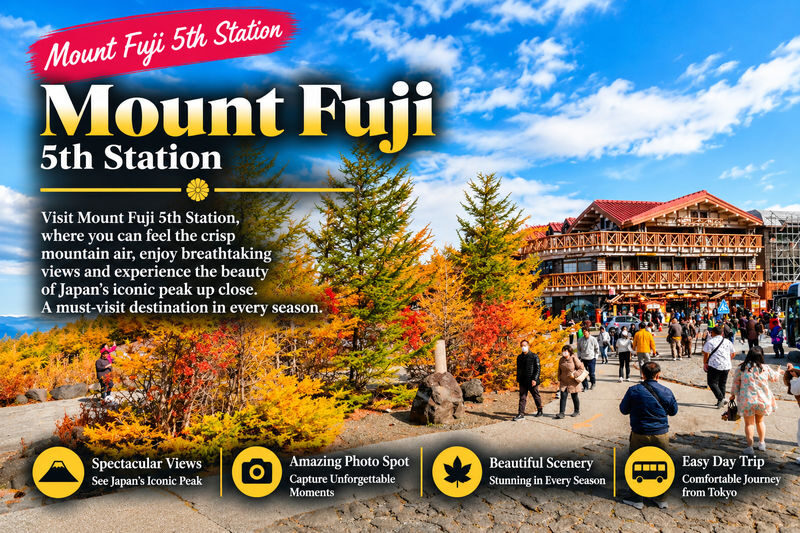
The Fuji Subaru Line 5th Station is scheduled for about 40 minutes, with time to explore independently. It is the highest stop on the standard route and offers a different perspective from the distant views around the lake and pagoda. On a clear day, getting closer to Mount Fuji can be a highlight in its own right.
Access is not guaranteed. The road or station can close because of winter conditions, and the itinerary may then switch to Yamanakako Flower Park. Weather can also affect visibility even when the stop goes ahead. In other words, don’t book this trip on the assumption that you will reach the 5th Station or see an unobstructed summit.
Conditions can be cold at the mountain, even when Tokyo feels mild. Bring layers and protection from the wind, especially in winter. One winter visit was reported at minus 6°C, a useful reminder that the temperature at the 5th Station can feel very different from the city. Check the forecast, but pack for a colder stop than you might expect.


The conductor and the bus matter
A good conductor can make a compressed sightseeing day easier to manage. The conductor speaks English, Chinese or Cantonese and provides information about Mount Fuji’s history, along with practical instructions for each stop. Past conductors have included Sofie, Zoe, Evita, Jax and Itsuki, but you should not expect a particular person on your departure.
The strongest part of the guided setup is its clear structure: you get dropped near the sights, hear where to go and when to return, then explore on your own. Several visitors have found this arrangement comfortable, especially when the conductor gives direct instructions and keeps the group moving. If you need help in a particular language, remember that the tour language may depend on the group and the conductor on the day.
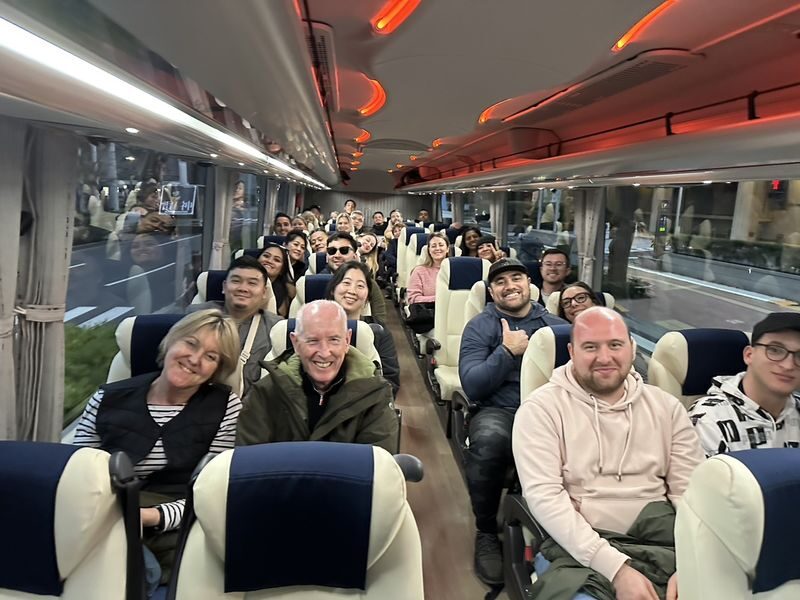
The bus takes care of the long stretches between Tokyo and the Fuji area, plus the local transfers. The ride can be a chance to rest, but it is still a lot of time seated in one day. Reports describe clean, comfortable buses and safe driving, though comfort can vary. Bring a small item to keep warm or cool as needed, and don’t plan to use the bus as suitcase storage: only one piece of carry-on luggage is allowed per person.
Timing, weather and the value of a group tour
The schedule is ambitious. Leaving Shinjuku around 8:00, you reach the first stop at roughly 10:00 and continue through four visits before the return journey. The planned return is about 18:00, with around two and a half hours on the bus after the 5th Station. Traffic and weather may shift the sequence or the return time, so avoid scheduling a tight evening commitment.
This pace is a fair exchange for seeing several highlights in one day, but it will not suit everyone. If you want to linger, shop at length, or spend hours at one viewpoint, independent travel or a slower itinerary may be more satisfying. If you would rather leave the routing to someone else and see the main sights in a single outing, the bus format saves effort.
Visibility is the wild card. Winter can bring clearer views, but it can also mean snow, cold and road closures. Summer can be warm, yet cloud may obscure the summit. No season guarantees a clear Fuji. A flexible attitude helps: judge the day by the range of places you see, not only by whether the mountain appears in every photograph.
Meeting in Shinjuku and booking details
The Shinjuku departure meets at the ground floor of the SMBC Bank Shinjuku Nishiguchi Branch, at 1 Chome-7-1 Nishishinjuku. Look for the location by the left side of the Shinjuku L Tower Starbucks; JR West Gate and Metro West Gate are the nearest exits. The meeting point can take a moment to find, so arrive 15 minutes early. The meeting time is 7:45, with departure at 8:00, and late arrivals or no-shows are not refunded.
You’ll receive a mobile voucher to present on the day. Booking confirmation is usually issued within minutes. Children aged 0 to 2 ride free, with a limit of one infant per adult; children aged 3 to 5 must be with a paying adult, and children 6 and older pay the adult rate. The tour requires at least 10 participants. If that minimum is not met, you can choose another date or request a full refund.
You can cancel for a full refund up to 24 hours before the activity date, based on local time. If extreme weather or another unforeseen event leads the operator to cancel, you can reschedule or request a full refund. If you leave partway through or skip the return bus, tell the conductor in the morning; there is no refund for leaving early.
Should you book this Mount Fuji day trip?
Book it if you want to visit Oishi Park, Arakurayama, Oshino Hakkai and the 5th Station in one day without arranging the transport yourself. It is especially useful for a first Fuji-area visit, for a short Tokyo stay, or for anyone who values a clear plan and a conductor who can explain the stops in several languages.
Choose another approach if you want unhurried time at each site, or if your plans depend on a guaranteed view of Mount Fuji. The combination of viewpoints, ponds and bus transport is good value for the starting price, but the quick stops and uncertain visibility are real limits. Go for the variety and convenience, pack for changing weather, and let the day be more than a test of whether Fuji shows its summit.
Mount Fuji Full Sightseeing Day Trip from Tokyo or Shinjuku
“Guide was amazing at explaining all the places we visited. Just the view from station 5 on Mt. Fuji made the trip worth it.”
FAQ
Where does the Shinjuku tour depart from?
Meet at the SMBC Bank Shinjuku Nishiguchi Branch, on the ground floor near the left-hand side of Shinjuku L Tower Starbucks. JR West Gate and Metro West Gate are the nearest exits.
What time should I arrive, and when does the bus leave?
Meet at 7:45 and arrive 15 minutes early. The bus departs at 8:00. Late arrivals and no-shows are not eligible for a refund.
What time does the tour return to Shinjuku?
The planned return is around 18:00 at the same Shinjuku meeting point. Traffic or weather can change the schedule.
Which stops are included?
The standard Shinjuku tour visits Oishi Park, Arakurayama Sengen Park, Oshino Hakkai and the Fuji Subaru Line 5th Station. If the 5th Station is closed in winter, the itinerary changes to Yamanakako Flower Park.
What languages does the conductor speak?
The conductor speaks English, Chinese or Cantonese. The language or languages used on a particular departure may vary.
Are meals and drinks included?
No. Meals, beverages and personal expenses are not included.
Can I bring a suitcase on the bus?
Only one piece of carry-on luggage is allowed per person. Store larger bags, such as suitcases, at your hotel or in lockers at a nearby train station.
What are the child fare rules?
Children aged 0 to 2 can join for free, with a limit of one infant per adult. Children aged 3 to 5 must be accompanied by a paying adult. Children aged 6 or older pay the adult rate.
Can I cancel, and what happens if the tour does not run?
You can receive a full refund if you cancel at least 24 hours before the activity date, using local time. If the operator cancels because of extreme weather or another unforeseen event, you can reschedule or request a full refund.