Lake Ashi’s red Peace Torii, a pirate ship on the water, sulfur vents at Owakudani and spring-fed pools near Mount Fuji: this is a big day built around very different sights. I like the variety and the convenience of having transport and a guide connect places that would take more work to visit independently. I also like that the Hakone Ropeway ticket is included, so one of the day’s signature rides is covered in the advertised starting price.
The trade-off is time. With several stops, a long drive from Tokyo and a group to keep together, some visits may feel brief, and heavy traffic can squeeze the schedule further. The pirate ship is optional and costs extra, and Mount Fuji can hide behind cloud, so book for the range of experiences rather than a guaranteed Fuji view.
- The route crosses two distinct regions: You get Hakone’s lake and volcanic sights, then head toward Lake Yamanaka and Oshino Hakkai in the Fuji area.
- The ropeway ticket is included: The Lake Ashi cruise is not, so budget separately if you want to ride the pirate ship.
- The Peace Torii is not always reachable up close: Access may be controlled, leaving a view from a distance.
- Oshino Hakkai is a short stop: The schedule allows about 40 minutes to see its clear spring pools.
- It is a full, traffic-sensitive day: Expect an early meet-up and a return to Tokyo around 18:30 to 19:00, sometimes later.
- Guide and vehicle arrangements can vary: The tour runs in multiple languages, and a smaller vehicle may be used for a smaller group.
- One day, two very different sides of Mount Fuji
- The Peace Torii and Lake Ashi
- Riding the ropeway to Owakudani
- Lake Yamanaka, swans and Oshino Hakkai
- A quick lunch and a day that can shift
- Guides, group size and the ride from Tokyo
- What the price does, and does not, cover
- Who should book this Fuji and Hakone trip?
- The booking decision
- FAQ
- Is the Lake Ashi pirate ship included in the price?
- Is the Hakone Ropeway included?
- Will I be able to take a close-up photo of the Peace Torii?
- Is a view of Mount Fuji guaranteed?
- How long is the tour, and when does it return?
- Which package includes Lake Yamanaka and Oshino Hakkai?
- Can I bring luggage, and are child seats available?
- The Best Of Fujiyoshida!
- More 1-Day Tours in Fujiyoshida
- More Tours in Fujiyoshida
- More Tour Reviews in Fujiyoshida
- Not for you? Here's more nearby things to do in Fujiyoshida we have reviewed
One day, two very different sides of Mount Fuji
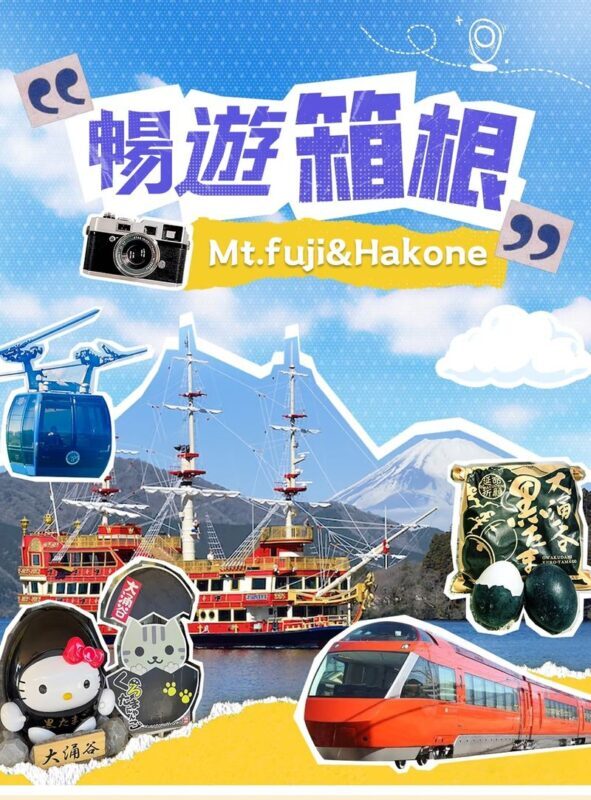
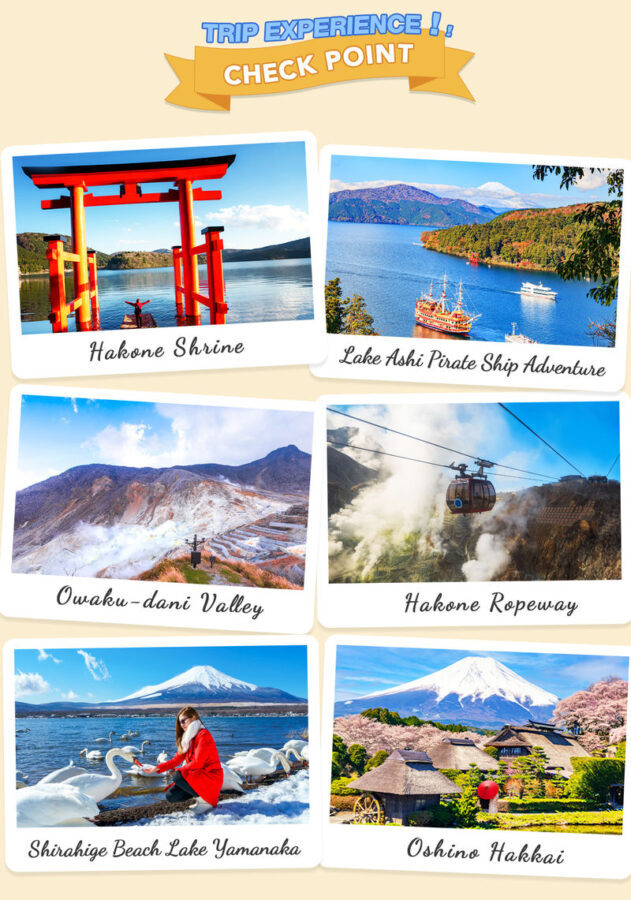
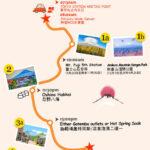
This tour tries to combine a Hakone day with a Fuji-area outing, rather than asking you to choose just one. In Hakone, the focus is Lake Ashi, the shrine torii, a ropeway ride and Owakudani’s active volcanic features. Later, the route shifts to Lake Yamanaka and Oshino Hakkai, where the appeal is open water, swans and clear spring-fed pools.
That variety is the main reason to consider the trip. You can see several of the region’s best-known sights without planning separate train and bus connections, and a guide keeps the group moving between them. For a first visit to the area, or a Tokyo stay with only one spare day, that can be a good exchange: less time working out transport, more time seeing places.
But this is not a slow, single-area excursion. The itinerary gives you roughly 20 to 50 minutes at several stops, and there is a long drive back to Tokyo. Think of it as a sampler, not a leisurely exploration. If you want time for shrine grounds, shopping, a long lunch and unhurried photographs at every stop, this schedule may feel tight.

👉 See our pick of the 3 Best Tours In Fujiyoshida
The Peace Torii and Lake Ashi
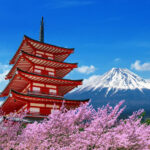
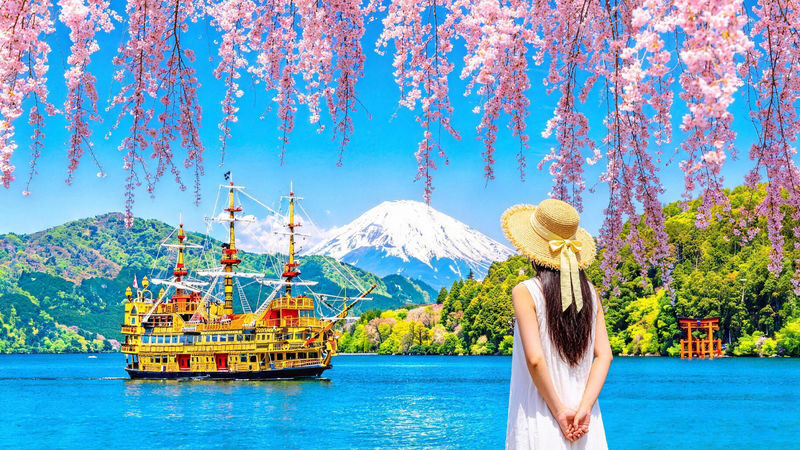
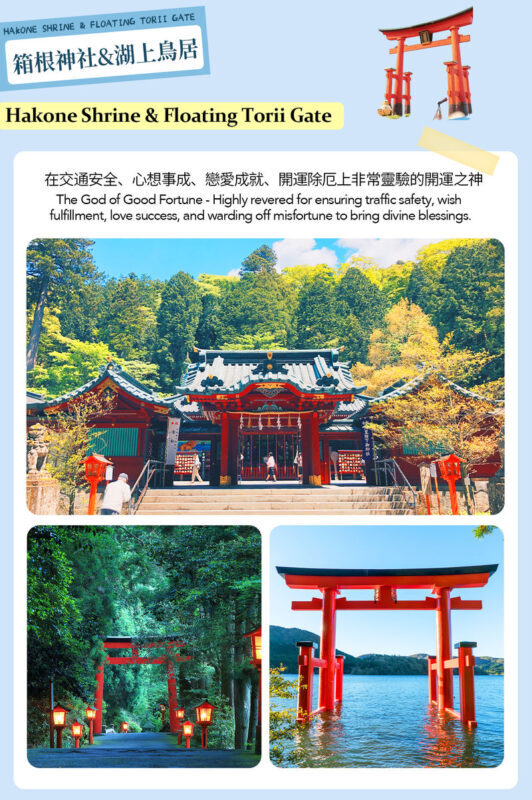
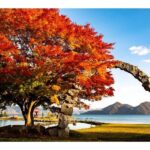
The day’s Hakone portion starts at Hakone Shrine and the Peace Torii on Lake Ashi. The bright red gate against the water is an instantly recognisable scene, but access can be restricted to prevent crowding. If the gate is closed to close-up visits, you can still see it from a distance, but you should not count on standing beside it for a photograph.
The schedule allows about an hour at the shrine area, though the guide may adjust the order or shorten a stop to account for traffic, weather and crowds. Keep an eye on the meeting time and leave room to walk back to the bus. It is easy to spend longer than planned waiting for a photo or exploring the grounds.
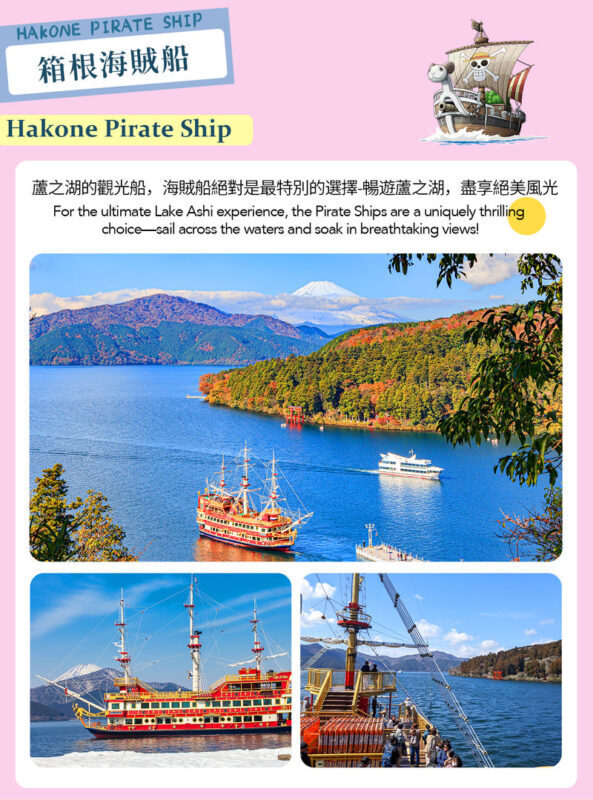
The next possible highlight is a Lake Ashi pirate ship, a roughly 30-minute one-way cruise from Moto-Hakone Port to Togendai Port. The boat is a separate expense, not part of the included ropeway ticket. If you would rather skip the cruise, the tour can take you by bus to the Togendai Ropeway Station instead. That choice matters: include the ticket cost in your budget, and decide in advance whether the water crossing is worth the extra spend to you.
You can also read our reviews of more tours and experiences in Fujiyoshida

Riding the ropeway to Owakudani
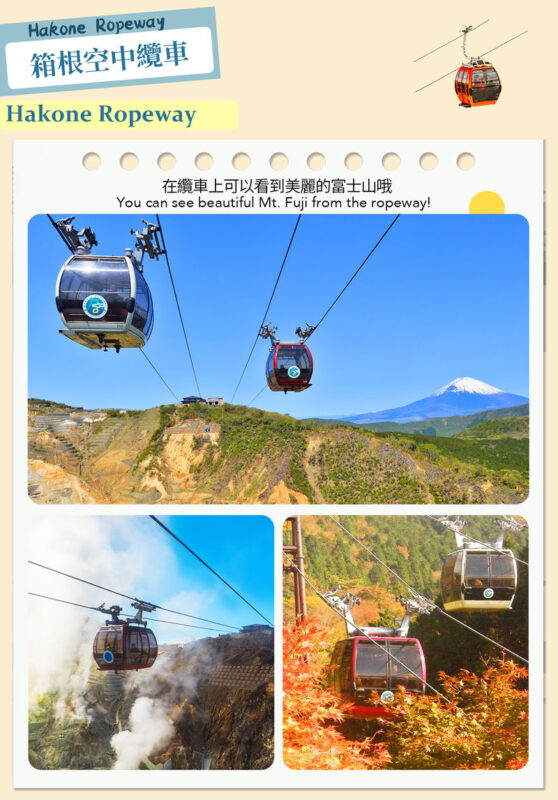
The Hakone Ropeway is included, and it provides an aerial view as the route climbs toward Owakudani. The usual section may change if an operating segment is suspended. If the section between Owakudani and Togendai is officially closed, the tour may use the Sounzan to Owakudani section instead.
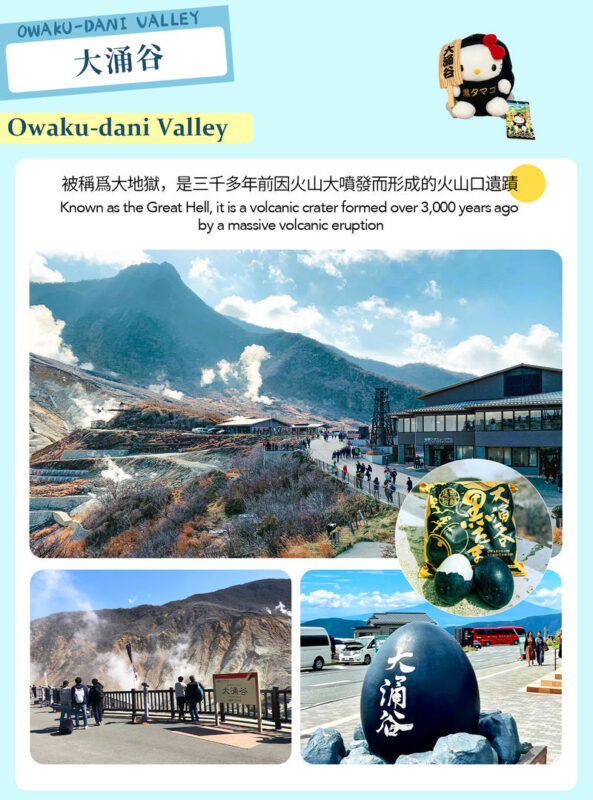
Owakudani is a volcanic area, not a manicured garden. Steam rises from the ground, the air can smell of sulfur, and the terrain gives you a close look at the region’s volcanic activity. The stop is scheduled for about 50 minutes, enough to see the main sights and try kuro-tamago, the local black hot spring eggs, if you wish. Bring a layer for changing conditions, and be ready for the smell: it is part of the place, not a hint that lunch is burning.
The ropeway and boat are subject to operating conditions. If weather or an operational change prevents one of these rides, the tour notes that there is no refund for the missed experience. That makes the flexibility useful, but it also means you should treat the rides as planned features rather than guarantees.
Lake Yamanaka, swans and Oshino Hakkai
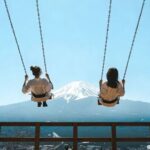
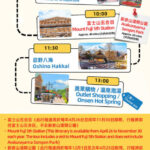
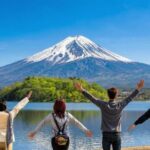
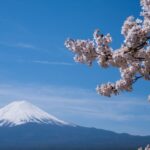
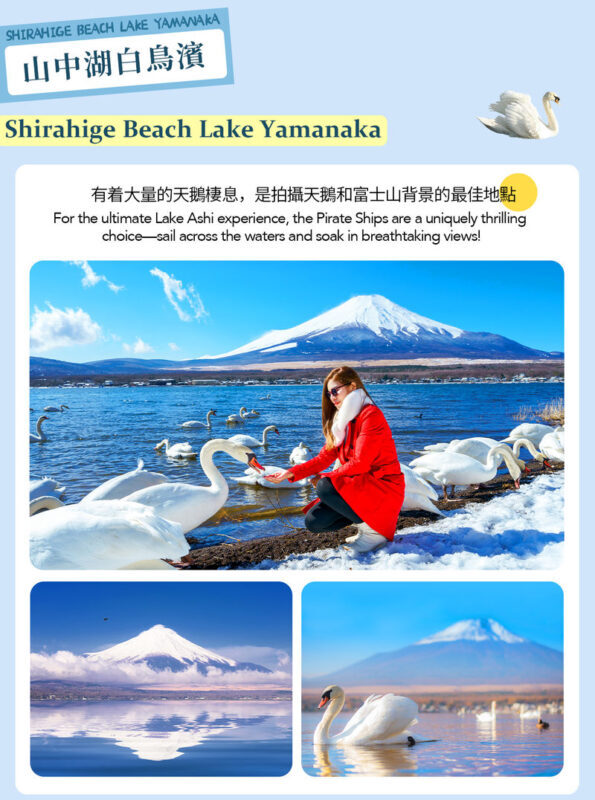
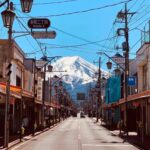
After Hakone, the route heads toward the Fuji area. One stop is Shiratori Beach at Lake Yamanaka, scheduled for about 20 minutes. It is a spot for looking for swans and, when conditions cooperate, photographing them with Mount Fuji behind them. The mountain is famously weather-dependent; cloud can cover it even when the rest of the day is pleasant. Treat a clear view as a bonus, not the sole reason to book.
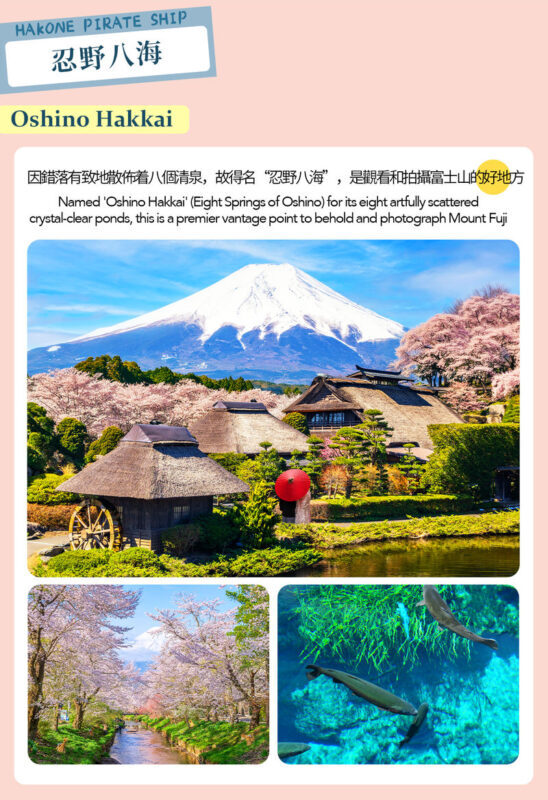
Oshino Hakkai follows, with about 40 minutes to see its eight clear springs. The pools are fed by water that has filtered through Mount Fuji’s volcanic ground, and their clarity is the central attraction. The village setting makes a welcome change from the wide lake views and the exposed volcanic terrain of Owakudani.
Forty minutes is not a long visit. You will need to choose between lingering by the water, walking around the area and browsing for food or souvenirs. Keep track of the time and know where the bus is parked. On a tightly timed group day, even a short queue can eat into your stop.
A quick lunch and a day that can shift
Lunch is scheduled for about 50 minutes, but the time and place may change with road conditions and the day’s route. Dining is optional, and the guide can offer suggestions. You are not required to take a set meal, so ask what choices are available before committing. One practical lesson from the trip’s varied experiences is to keep lunch flexible: a prearranged meal can save time, but choosing independently may suit you better if you have firm preferences.
The itinerary order is also flexible. Traffic, weather, crowd control and the operating status of attractions can lead the guide to rearrange stops, shorten visits or, if time becomes too tight, remove a stop. The stated priority is getting the group back safely. That is sensible on a long outing, but it means you should not plan the day around a precise sequence or assume every stop will get its full scheduled time.
Guides, group size and the ride from Tokyo
The tour departs from Tokyo, with a stated meet-up time of 07:30 or 08:00 depending on the departure details. Arrive at least 10 minutes early. Guide and vehicle details are sent by email between 16:00 and 22:00 Japan time on the day before departure, and the guide does not contact participants in advance. Check your latest message and confirm the correct meeting point before setting out.
Groups can range from one to 48 people. Depending on the number booked, the operator may use a smaller vehicle, with the driver also acting as guide. That can change the amount of spoken commentary, so think of the tour primarily as a transport-and-sightseeing service rather than a guaranteed full-length guided talk at every stop.
Guides vary by departure and language. Names associated with trips include Erik, Jack, Evita, Kousei, Wonyang and Yuan Yang, but you cannot select a particular guide from those names. The strongest descriptions of the day focus on clear instructions, useful explanations and calm schedule management. Those qualities matter when the stops are short and the route is busy.
The return is listed for around 18:30 to 19:00, at the Shin-Marunouchi Building by Tokyo Station or Shinjuku MODE Gakuen, depending on the departure arrangement. The actual arrival time depends on road conditions. Avoid booking an evening activity that you cannot miss; a smooth day may bring you back earlier, while holiday traffic can turn the return drive into a long one.


What the price does, and does not, cover
Prices start at $49.29, though the price depends on the selected package and date. At that entry point, the value comes from round-trip transfers, tolls, parking, a multilingual guide and the Hakone Ropeway ticket. Covering so many distant stops independently would take careful planning and several connections. A guided coach day is especially useful if you want to see both Hakone and the Fuji area without spending your limited sightseeing time navigating.
The headline price does not include the Lake Ashi cruise, personal expenses or meals. Add the boat fare if you want to sail from Moto-Hakone to Togendai, and keep money aside for food and any purchases. The different package names also matter: the Mount Fuji and Hakone version includes Lake Yamanaka and Oshino Hakkai, while the Hakone and Enoshima option does not. Check the package details before booking so you do not choose the wrong route.
This is good value if convenience and breadth matter more than lingering. It is weaker value for someone who wants to explore Hakone at their own pace, spend a long time at Oshino Hakkai or make the pirate ship a must-do without factoring in its extra cost.
Who should book this Fuji and Hakone trip?
I would consider this tour if you have one day free in Tokyo, want to see both Hakone and Fuji-area sights, and are comfortable following a group schedule. It can also suit families with children who are happy with a full day on the move; children aged three and older pay the adult rate, while children aged zero to two can join free if they do not need their own seat.
It is less suited to anyone who needs an unhurried pace, has a firm dinner booking in Tokyo or would be disappointed by a cloudy Mount Fuji. The route is not recommended for people with serious medical conditions, and child seats are not available. Participants aged 70 or older need to present a medical certificate, and those aged over 70 and pregnant participants are asked to request and sign a waiver in advance.
One piece of luggage per person is allowed at no charge. Extra luggage costs ¥2,000 per piece, and it must be declared when booking. Arriving late or missing the meet-up means you cannot join later in the day and no refund is provided. These are small details worth settling before your travel morning, when there is little room to improvise.
The booking decision
Book this trip for the range: a lakeside shrine, an optional pirate ship, an included ropeway, volcanic Owakudani, Lake Yamanaka and Oshino Hakkai in one outing. Its value lies in the transport and the number of places linked together, not in long visits at each one.
Before you pay, confirm that you have chosen the Fuji and Hakone package, budget for the optional cruise, and leave your evening open for a traffic-delayed return. If that compact, well-covered day sounds appealing, it is a practical way to reach several far-flung sights from Tokyo. If you prefer slow walks and unscheduled time, split the route across separate days.
Mount Fuji Hakone Day Trip: Owakudani & Lake Ashi Pirate Ship & Lake Yamanaka & Oshino Hakkai & Ropeway Experience Tour (From Tokyo)
“It was a wonderful and enriching 11 hours with our guide, Wonyang, from 8 AM to 7 PM. Since September, it had been raining continuously for 31 or 3…”
FAQ
Is the Lake Ashi pirate ship included in the price?
No. The Lake Ashi sightseeing cruise from Moto-Hakone Port to Togendai Port is an extra expense. You can instead travel by bus to the Togendai Ropeway Station.
Is the Hakone Ropeway included?
Yes. The ropeway ticket is included. The boarding section may change if part of the route is officially suspended.
Will I be able to take a close-up photo of the Peace Torii?
Not always. If access to the torii is temporarily restricted, it can only be viewed from a distance.
Is a view of Mount Fuji guaranteed?
No. The schedule includes stops at Lake Yamanaka and Oshino Hakkai in the Fuji area, but a clear view of Mount Fuji depends on the weather.
How long is the tour, and when does it return?
The tour is listed as about 11 hours, with departure around 07:30 or 08:00 and a return to Tokyo around 18:30 to 19:00. Traffic can change the arrival time.
Which package includes Lake Yamanaka and Oshino Hakkai?
The Mount Fuji and Hakone day trip includes those stops, with timing arranged according to the day’s route. The Hakone and Enoshima option does not include Lake Yamanaka or Oshino Hakkai.
Can I bring luggage, and are child seats available?
Each person can bring one piece of luggage free. Additional pieces cost ¥2,000 each and should be declared when booking. Child seats are not available.