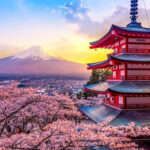
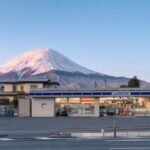
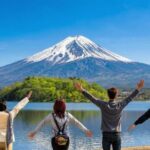
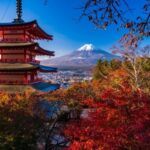
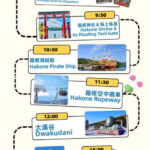
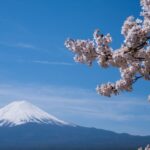
Mount Fuji from 2,300 meters, a boat crossing on Lake Ashi, and a ropeway ride above Hakone make this a big day out of Tokyo. I like the variety packed into one trip and the chance to hear a traditional wadaiko drum performance at lunch. The trade-off is time: a 13-hour schedule leaves only short visits at some stops, and clouds or road closures can change the plan.
I also like having an English-speaking guide and transport arranged for the whole route. Guides such as Marie, Sky, and Yuki have been singled out for clear explanations, humor, and thoughtful help. Fuji views are never guaranteed, though, and the tour still runs when the mountain is hidden.
- The day’s best reasons to go
- One long loop from Tokyo
- Fuji’s 5th Station: high views, short visit
- Lunch, with drums and a few caveats
- Lake Ashi by boat
- Komagatake Ropeway and the mountaintop shrine
- The ride home and choosing your package
- Who will enjoy this tour most?
- Should you book it?
- FAQ
- How long is the Mt. Fuji and Hakone day trip?
- Is lunch included?
- Will I definitely visit Fuji’s 5th Station?
- What happens if the cruise or ropeway is closed?
- How cold is it at Mount Fuji?
- Where does the tour depart and return?
- Can young children join?
- The Best Of Fujiyoshida!
- More Boat Tours & Cruises in Fujiyoshida
- More Tours in Fujiyoshida
- More Tour Reviews in Fujiyoshida
- Not for you? Here's more nearby things to do in Fujiyoshida we have reviewed
The day’s best reasons to go
 1 / 9
 2 / 9
 3 / 9
 4 / 9
 5 / 9
 6 / 9
 7 / 9
 8 / 9
 9 / 9
- Fuji’s 5th Station sits about 2,300 meters above sea level, with wide views when the weather clears.
- Lake Ashi adds a change of pace, with a cruise across a scenic Hakone lake rather than another bus-only stop.
- The Komagatake Ropeway climbs toward a mountaintop shrine, with a roughly seven-minute ride and time to walk at the top.
- Wadaiko drums bring a cultural note to lunch, although the performance may be canceled or missed if the schedule runs late.
- Meal and return-trip choices vary by booking option, including Indian thali and Shinkansen return packages.
- Weather and seasonal closures can replace headline stops, so flexibility matters more here than on a city tour.

👉 See our pick of the 3 Best Tours In Fujiyoshida
One long loop from Tokyo
This tour makes sense if you want to see several parts of the Fuji-Hakone area without planning a chain of trains, buses, boats, and tickets yourself. The package described here departs from Shinjuku at 8:10 a.m. and returns near Shinjuku Station West Exit at about 9 p.m. That is a full day, not a quick excursion.
The route combines a high-altitude stop on Mount Fuji with Hakone’s lake and mountain scenery. Those are distinct experiences, and the change of scenery helps the day feel less repetitive. The cost is pace: you spend many hours in transit, and sightseeing stops are brief by design.
The departure point is the JTB Sunrise Tours Sales Office on the third floor of the Keio Plaza Hotel Tokyo Main Tower. It is about a 10-minute walk from Shinjuku Station’s West Exit or five minutes from Tochomae Station Exit B1. Arrive early; late arrivals and no-shows are not refundable.
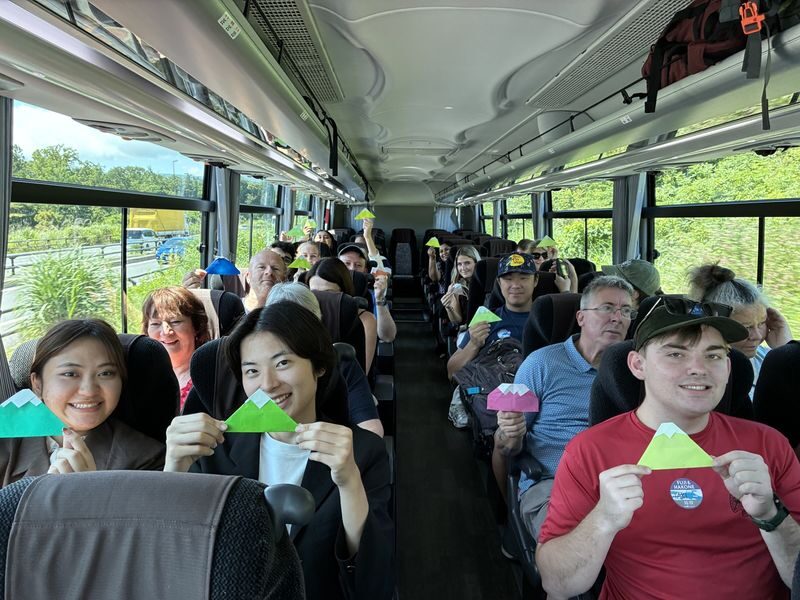
Groups can range from one to 44 people. Depending on the number booked, transport may be a large bus, smaller bus, or hired car. The vehicle is air-conditioned and heated, a welcome detail on a day that can swing from Tokyo warmth to cold mountain air.
You can also read our reviews of more boat tours in Fujiyoshida


Fuji’s 5th Station: high views, short visit
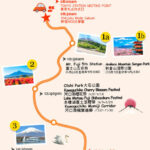
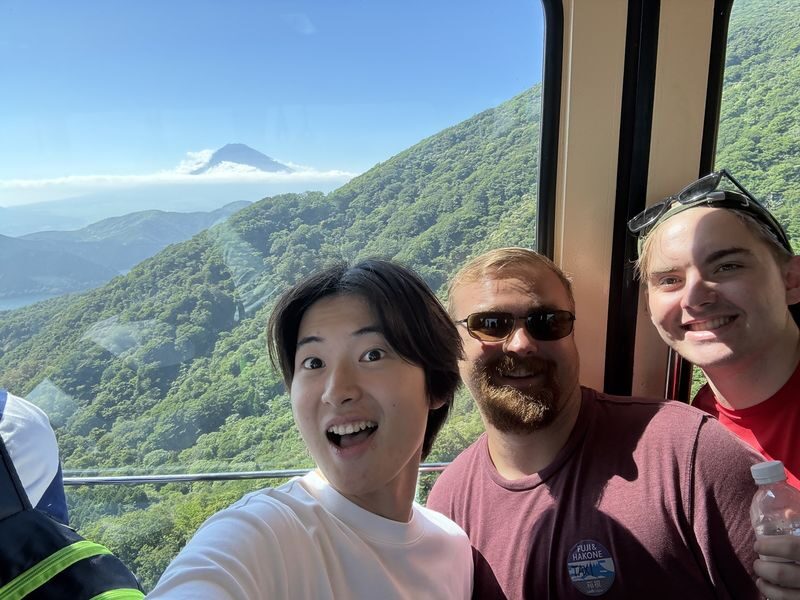
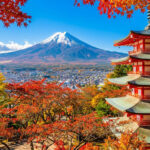
The first major stop is Fuji Subaru Line 5th Station, also called Sky Palace, at roughly 2,300 meters. It is the highest point on Mount Fuji accessible by road when the route is open. On a clear day, the height gives you a striking view over the surrounding area, and Fuji itself feels close enough to study rather than admire from far away.
You have about 30 minutes here, enough for photos, a look around, and a quick visit to the shops. It is not enough for a leisurely wander. If you have a particular souvenir in mind, or want time to take in the view, use the stop efficiently rather than spending the first ten minutes deciding where to go.
The altitude changes the practical side of the visit. The Fuji area can be 10 to 15 degrees Celsius colder than Tokyo, and even summer daytime temperatures may fall to around 14 degrees. Bring a warm layer, especially from autumn through spring, and carry water for the long day.
The station is not available year-round. In a typical year, the road may be open from late April to November, while snow and icy roads often close it from December to early April. Poor weather can also keep the bus from reaching the 4th or 5th Station, or leave Fuji hidden even from lower elevations. The tour continues in these cases, with a replacement stop such as Lake Kawaguchi’s Oishi Park, the Fujisan World Heritage Center, Oshino Hakkai, or a museum.
That uncertainty is the main caution for anyone booking primarily to see Fuji. You may get a crisp view and memorable photographs, or clouds may cover the mountain. The operator does not cancel or refund the tour simply because Fuji is not visible.
Lunch, with drums and a few caveats
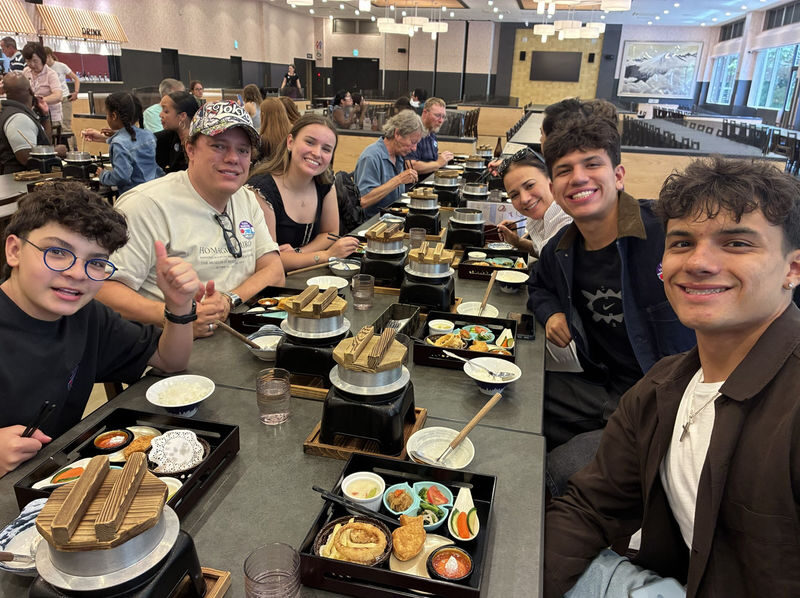
The lunch break lasts about 50 minutes. In the package described here, meals and drinks are not included, and you should bring or arrange food before departure. There are no cafes or restaurants near the lunch break area, so do not count on finding something at the last minute.
Other package choices offer meal options such as Japanese-style dishes, vegetarian meals, Muslim-friendly meals, and Indian thali. Check the exact option before booking: meal inclusion is not automatic, and the meal choices can vary. If you have a dietary request, state it when booking and confirm it with the operator rather than assuming it has been recorded.
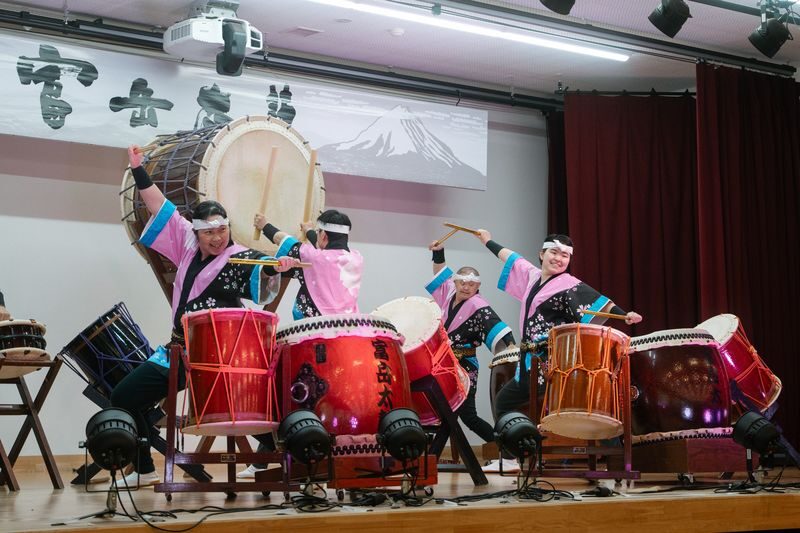
A wadaiko performance by the Social Welfare Corporation Fugakukai is scheduled during the lunch stop. The group’s work combines performance with social independence training and artistic activity, which gives this short show a more meaningful context than a generic entertainment break. It can be a lively change of pace after the mountain visit.
There are limits. The performance may be canceled without notice, or you may miss it if traffic delays the bus or the group cannot reach the planned lunch venue. From May 25 to June 20, 2026, facility arrangements mean the regular lunch venue and menu change, and the drum performance is suspended. No refund is provided for the suspended performance.
Food quality is less predictable than the transport and sightseeing. If lunch matters to you, choose a meal package carefully and bring a snack as backup. The lunch stop is functional, not a destination in itself.
Lake Ashi by boat
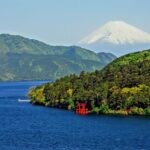
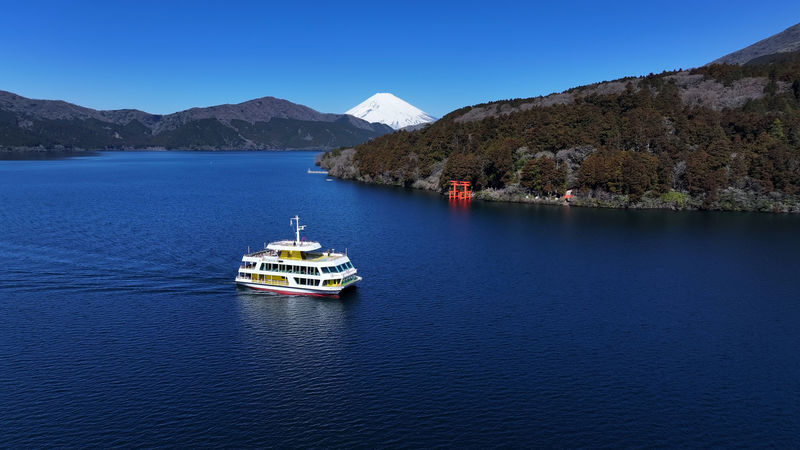
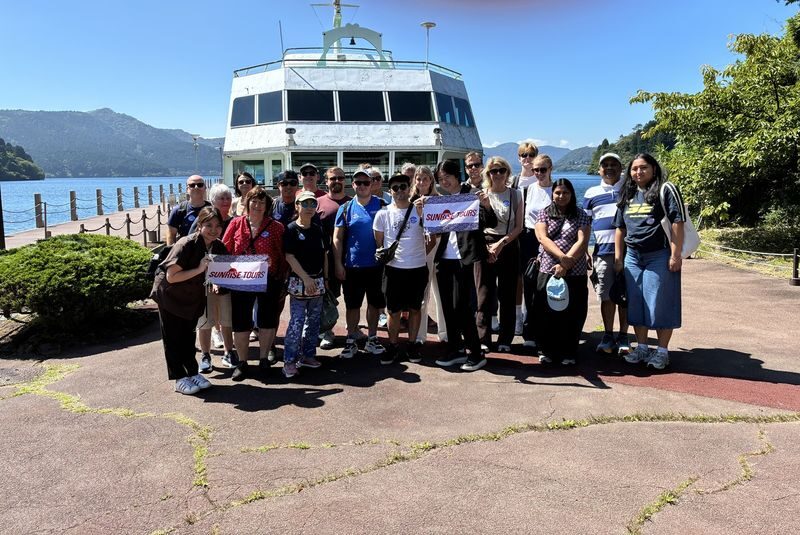
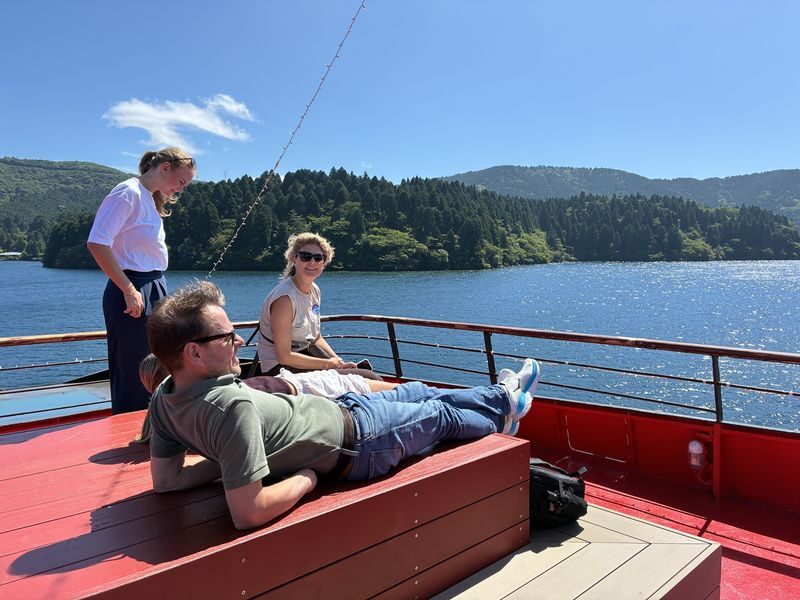
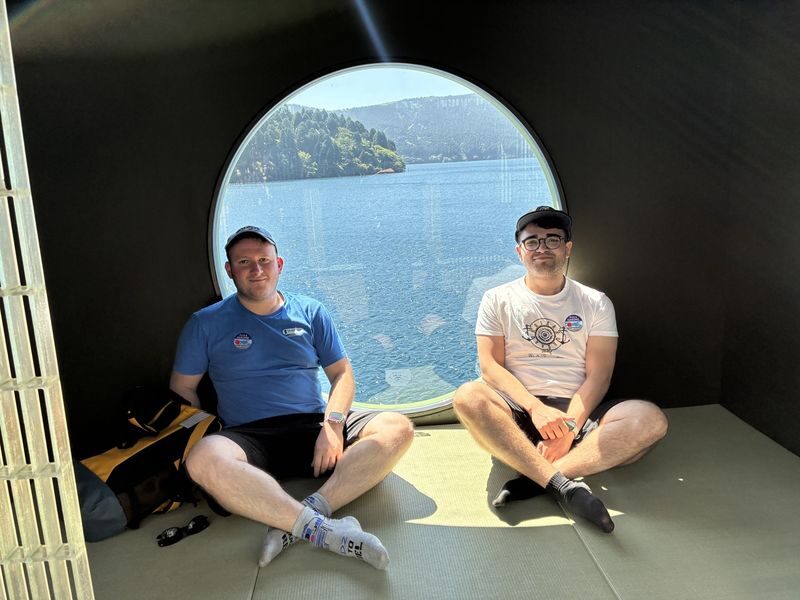
After Fuji, the tour heads to Hakone and Lake Ashi, where you board the Sorakaze sightseeing cruise when conditions allow. The lake is framed by mountains, and on a clear day Fuji may appear beyond the water. After the altitude and bus ride, being on the lake gives the day a welcome pause.
The scheduled stop is short, so treat this as a scenic introduction rather than a long boat outing. The cruise is one of the tour’s most appealing contrasts: you leave the road for a while and see Hakone from the water. If the weather or operating conditions prevent the Sorakaze cruise, another boat or a different attraction may be substituted.
The replacement is not necessarily the same experience. Options can include another lake cruise, a ropeway, a shrine, a museum, or a historic site. The operator does not cancel or refund the tour when a boat is unavailable, so book with the understanding that the broad regional outing is more certain than any single ride.
Komagatake Ropeway and the mountaintop shrine
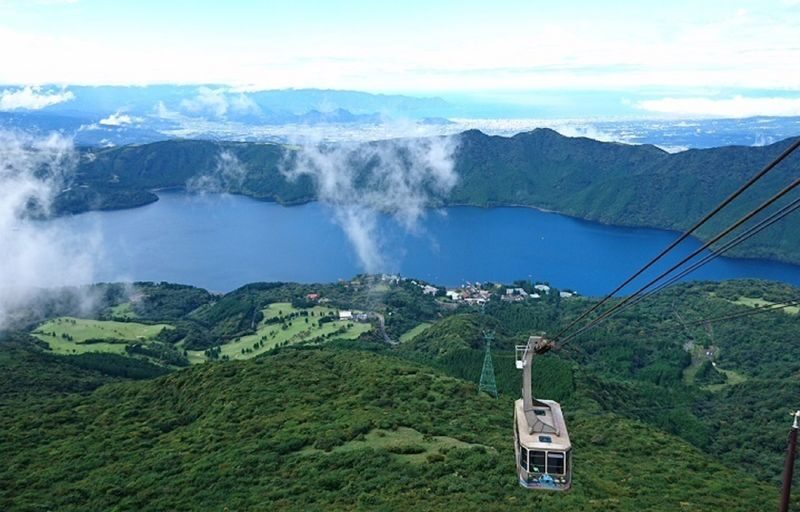
The final major scenic stop is the Hakone Komagatake Ropeway. The ride takes about seven minutes, and the full stop is around 50 minutes. At the top, you can walk toward Hakone Shrine Mototsumiya, which sits on the Komagatake summit.
This is the most rewarding stop for broad views when visibility is good. The height opens up the surrounding mountains and, in favorable weather, the lake and Fuji. Take a jacket even if Tokyo feels warm; wind and cooler temperatures at the top can make a short walk feel much colder than expected.
The trade-off is again the clock. You have time for the ascent, a look around, and a brief walk, not an extended mountain visit. The ropeway can close in poor weather, and an alternative such as another ropeway, cable car, museum, shrine, or Owakudani may replace it. A closure can be disappointing if the cable car was your main reason for booking.


The ride home and choosing your package
The bus is scheduled to leave the sightseeing area around 4 p.m., with an Odawara Station stop around 5 p.m. for people who have requested to disembark there. The bus return to Tokyo is expected around 9 p.m., but traffic can shift the arrival time. Avoid making dinner plans or booking an evening activity that depends on a punctual return.
Some package options include a return by Shinkansen instead of bus. The faster train can make the end of the day more comfortable and is a notable extra, but it is not part of every fare. You can also choose departure points at Shinjuku or Tokyo Station, and options with meals or no meal. Compare the exact package details rather than assuming all versions include the same transport or food.
At a starting price of $148.45, the value depends on what is included in your selected package. The base option covers transport, an English-speaking guide, and attraction admissions, while meals are extra. If you add lunch or a Shinkansen return, the price rises, but those choices can reduce the hassle of arranging food and getting back to Tokyo after a very long day.
The tour’s real value is convenience. You avoid organizing several separate connections and can cover Fuji and Hakone in one day. If you prefer to linger at each place, travel at your own pace, or have full control over your meal and route, an independent trip may suit you better.
Who will enjoy this tour most?
I would choose this trip if I had limited time in Tokyo and wanted a guided overview of both Mount Fuji and Hakone. It is especially useful if the thought of coordinating mountain transport, a lake boat, and a ropeway sounds like more work than fun. A good guide can also make the bus hours more rewarding with stories about the region and Japanese culture.
The tour can work for solo visitors, couples, and families who are comfortable with a long day and a structured schedule. Children aged 0 to 5 can ride free if they do not need their own bus seat; book a child-rate seat if they do. Children under 12 must be accompanied by a paying adult, and participants under 18 need written parental permission. Anyone under 15 or not yet in middle school must travel with a parent or guardian.
I would think twice if you need guaranteed Fuji views, dislike early starts, or want long, unhurried time at each stop. Weather can affect the signature sights, and traffic can compress the schedule. Bring warm clothes, water, and food if your package does not include lunch. The tour is carbon offset, with part of the booking charge spent on renewable energy.
Should you book it?
Book this trip if you want a convenient, guided day that links Fuji’s 5th Station, Lake Ashi, and Hakone’s ropeway without managing each transfer yourself. Its strongest points are the range of scenery, the guides’ cultural commentary, and the chance to fit several headline sights into one outing.
Skip it if your ideal Fuji visit requires clear skies, generous time at every stop, or certainty that each ride will operate. Before paying, check whether your chosen package includes lunch, which station it departs from, and whether it returns by bus or Shinkansen. Then pack for colder weather and keep the evening free.
Mt Fuji & Hakone Day Trip, Drum Show, Cruise, Ropeway from Tokyo
“Hakone Ropeway service suspended due to weather conditions.”
FAQ
How long is the Mt. Fuji and Hakone day trip?
The scheduled day runs from about 8:10 a.m. to 9 p.m., or roughly 13 hours. Traffic and weather can change the timing.
Is lunch included?
Not in the package described here. Other options include meals such as Japanese-style food, vegetarian dishes, Muslim-friendly meals, or Indian thali, so check your selected package.
Will I definitely visit Fuji’s 5th Station?
No. The Subaru Line may be closed in winter or due to weather, and the tour may use an alternative facility. Fuji may also be hidden by clouds.
What happens if the cruise or ropeway is closed?
The tour may substitute another attraction or ride. The tour is not canceled and refunds are not issued solely because these activities cannot operate.
How cold is it at Mount Fuji?
The Fuji area is typically 10 to 15 degrees Celsius colder than Tokyo. The information provided notes that daytime temperatures can fall to around 14 degrees in summer and minus 5 degrees in winter.
Where does the tour depart and return?
The package described here departs from the JTB Sunrise Tours Sales Office at Keio Plaza Hotel Tokyo in Shinjuku and returns near Shinjuku Station West Exit. Other package options may depart from Tokyo Station.
Can young children join?
Children aged 0 to 5 can join without charge if they do not occupy a separate bus seat. If they need a seat, book a child-rate place. Children under 12 must be accompanied by a paying adult.