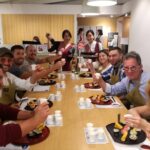
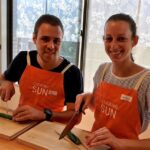
Rolled sushi is the center of this Tokyo cooking class, but the appeal is learning a few dishes you can make again at home. You’ll cook at Selva Kitchen Studio in Osaki, then sit down to eat what you’ve prepared.
I like the small group, capped at eight, and the mix of demonstration and hands-on cooking. I also like that the meal goes beyond sushi: the listed menu includes savory egg custard, miso soup, white sesame pudding, and soup stock.
One thing to plan for: the class takes two and a half hours, not 20 minutes. The short time refers to the approximate preparation time for each dish, so this is a sit-down activity rather than a quick sushi-making stop.
- At a glance
- A home kitchen lesson, not a sushi bar show
- What you’ll cook, and why the menu matters
- How the 11:00 class unfolds
- The small-group format is part of the value
- Is .69 a fair price?
- Getting to Selva Kitchen Studio
- Dietary needs and booking details
- Who should book this class?
- FAQ
- How long does the cooking class last?
- What dishes are included?
- Where does the class meet?
- How many people can join?
- Is the class taught in English?
- Can the class accommodate dietary requirements?
- What is included in the price?
- Is the price different for children?
- The Best Of Tokyo!
- More Cooking Classes in Tokyo
- More Tours in Tokyo
- More Tour Reviews in Tokyo
- Not for you? Here's more nearby things to do in Tokyo we have reviewed
At a glance
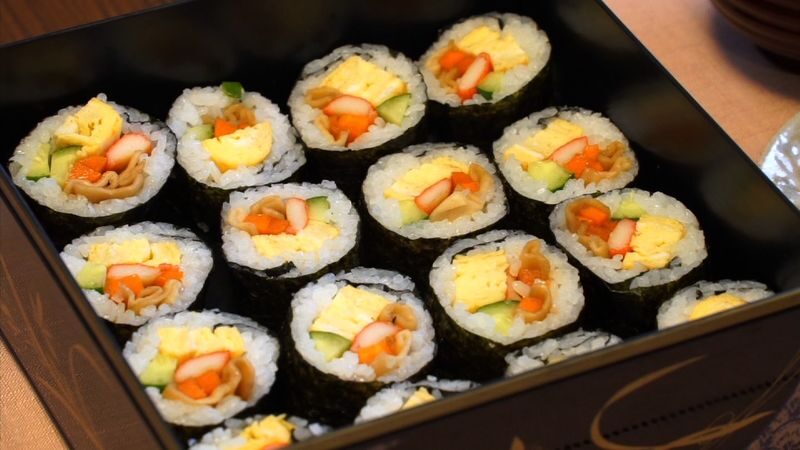
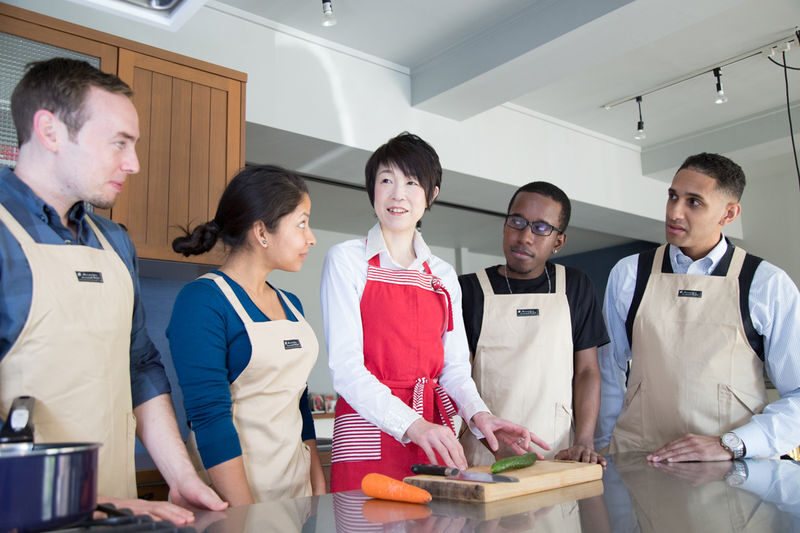
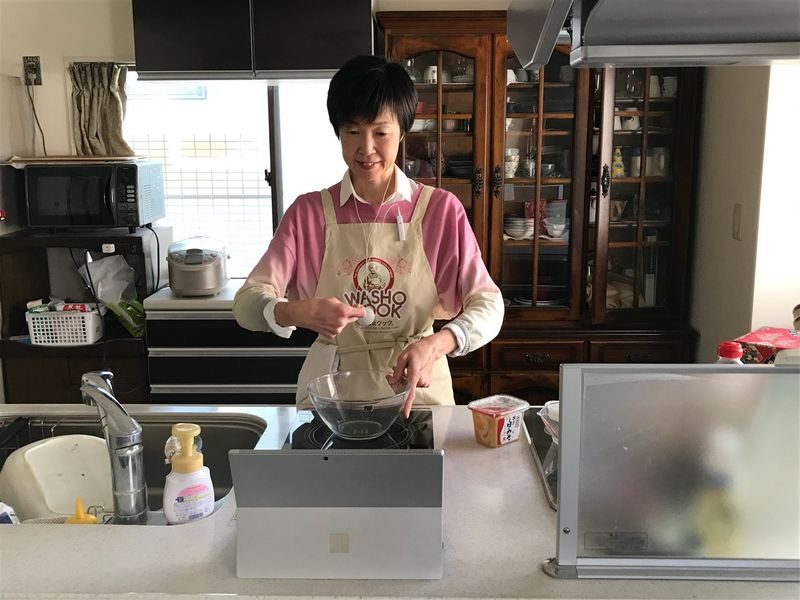
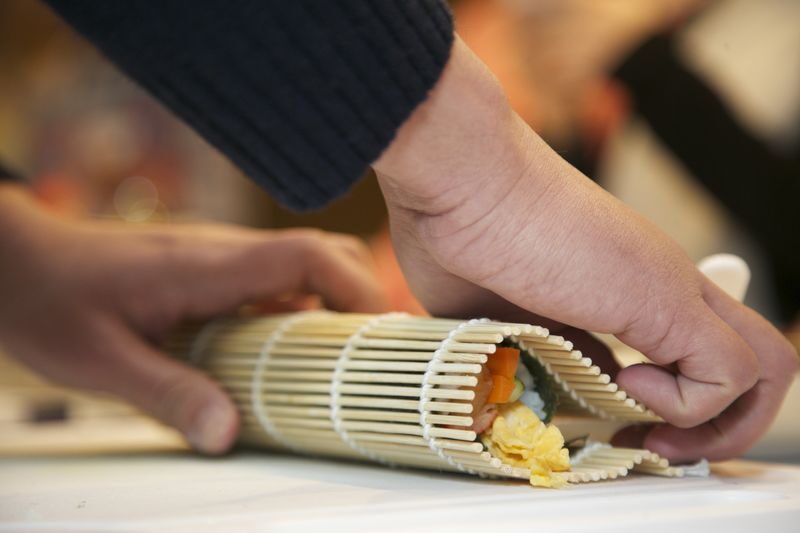
- A five-part menu: Rolled sushi, savory egg custard, miso soup, white sesame pudding, and soup stock are listed for the class.
- Small by design: The class takes two to eight participants, with a minimum of two.
- A full late-morning activity: Cooking runs from 11:15 to 12:45, followed by a tasting from 12:45 to 13:30.
- Useful cultural context: The instructor introduces the recipes and explains their traditions as you cook.
- A Tokyo neighborhood address: Selva Kitchen Studio is a four-minute walk from Osaki Station.
- Dietary needs can be discussed: You can state allergies, gluten intolerance, vegetarian preferences, or other requirements when booking.

👉 See our pick of the 25 Best Guided Tours In Tokyo
A home kitchen lesson, not a sushi bar show
This class is for you if you want to understand the making of Japanese food, not just order it. You follow an instructor’s demonstration, prepare several dishes, then eat the results together. That shared meal gives the lesson a natural finish: you get to taste how the parts work as a menu, not only practice a single sushi roll.
The cooking is described as approachable, with recipes intended to be practical enough to use back home. That matters if you have limited time in Tokyo and want more than a one-off photo opportunity. You leave with a recipe and a clearer sense of the steps involved, though the class does not promise advanced techniques or a professional chef’s training.
The class is also presented as a way to learn about Japanese culture and food traditions. The experience is strongest for curious beginners, home cooks, and anyone who enjoys asking questions while making lunch. If you already cook sushi regularly, the value will depend more on the instructor’s explanations and the other dishes than on the basic act of rolling sushi.
You can also read our reviews of more cooking classes in Tokyo
What you’ll cook, and why the menu matters
The listed menu includes rolled sushi, savory egg custard, miso soup, white sesame pudding, and soup stock. The class description also names chirashi sushi and inari sushi as recipes you can learn, so the exact sushi style may vary. The menu can change with the season and ingredient availability.
That mix makes this more than a lesson in rolling rice and fillings. You get a look at several different parts of a Japanese meal, from a savory egg dish and soup to a sweet finish. Soup stock is included as a menu element, too, which offers a chance to learn about a basic building block used in Japanese cooking.
The program describes the dishes as easy to make, with each taking about 20 minutes to create. That is a helpful guide to the individual recipes, but don’t read it as the total class length. The full session lasts two and a half hours, allowing time for the introduction, a longer cooking lesson, and a relaxed meal.
How the 11:00 class unfolds
The day begins at 11:00 with a short introduction to the recipes. This is your chance to hear what you’ll be making and get a sense of the order of work. The opening lasts about 15 minutes, so it is brief rather than a long lecture on food history.
From 11:15 to 12:45, the instructor demonstrates the dishes and guides the group through cooking. The class is capped at eight participants, which should make it easier to follow the steps and ask for help than in a large workshop. It still depends on how the group works together, but the format is deliberately small.
The class is offered in English and Japanese. Past instructors named by participants include Akiko and Tomorrow, though you should not assume either will lead your particular session. The descriptions of their teaching point to a friendly, clear approach, with explanations of both the cooking process and the traditions behind it.
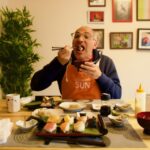
At 12:45, you move into the tasting portion, which runs until 13:30. You eat the meal you prepared, with lunch and refreshments included. This shared table is a practical part of the class: you can compare the flavors and see how the dishes fit together, rather than rushing off as soon as the last recipe is done.
The small-group format is part of the value
The class allows two to eight participants. A group this size can make a cooking lesson feel more personal, since the instructor has fewer people to guide through each step. It can also suit couples or small parties who want a shared activity without joining a large tour group.
There is a minimum of two participants. If that minimum is not met, you can choose another date or request a full refund. If you’re a solo visitor, confirm that the class can run on your chosen day before building your schedule around it.
The same price applies to all ages. That makes the cost simple to understand for a family booking, but it also means there is no reduced child price listed. The class is most likely to suit anyone who is comfortable following a guided cooking lesson and sitting down for a meal afterward.
Is $75.69 a fair price?
The on-site class starts at US$75.69 per person. That is not a bargain lunch, but it covers a 2.5-hour activity, instruction in English or Japanese, use of the facilities, the cooking class, a recipe, lunch, and refreshments. You are paying for both the meal and the time spent learning how to prepare it.
For a first visit to Tokyo, the value is strongest if you want a hands-on cultural activity and are likely to use the recipes later. The price is less compelling if you only want a quick sushi demonstration or a low-cost meal. You could eat for less elsewhere, but that would not include the guided cooking, ingredient preparation, or a chance to learn the steps.
The price shown is for the on-site cooking experience. Although the activity highlights mention online or on-site classes, the provided package details cover the on-site option at the studio. Check the format carefully when choosing your booking.






Getting to Selva Kitchen Studio
The class meets at Selva Kitchen Studio, second floor, 1-19-9 Osaki, Shinagawa-ku, Tokyo. The address is also given as 141-0032 Shinagawa, Osaki, 1-19-9, 2F. From Osaki Station, it is about a four-minute walk.
A Chinese restaurant called Koraku is on the first floor of the same building, a useful landmark when you arrive. Follow the map supplied with your booking, since the studio is upstairs rather than at street level. The location is in Osaki, not at a central sightseeing landmark, so allow time to reach the station and find the building before the 11:00 start.
Arrive on time. Late arrivals and no-shows are not eligible for a refund, and the voucher is valid only for the date and time you selected. Booking confirmation should arrive within 48 hours; if it does not, contact customer support.
Dietary needs and booking details
The class can accommodate special dietary requirements, including allergies, gluten intolerance, vegetarian diets, and other needs. Tell the operator about your requirements at checkout, rather than waiting until the cooking begins. Since the menu can change based on the season and ingredient availability, ask in advance if a particular ingredient is a concern.
Cancellation fees increase as the activity date approaches. The stated policy ranges from no fee for cancellations made at least 11 days ahead to the full price on the day of the class. Latecomers, no-shows, and people refused service for not following the operator’s rules are not refunded.
Who should book this class?
I’d choose this class if you want a calm, practical break from Tokyo’s busy sightseeing schedule and enjoy learning by doing. It suits couples, small groups, and solo cooks who are happy to join a group, provided the minimum of two participants is met. The recipe and small class size add lasting value if you want to recreate Japanese food at home.
It is also a good fit if your interest goes beyond sushi alone. The egg custard, soup, pudding, and stock give the meal a wider range, and the instructor’s cultural explanations add context without taking over the cooking time.
I’d skip it if your schedule is tight, you only want a short sushi demonstration, or you are focused on restaurant dining rather than making food yourself. The full session takes 2.5 hours, and the listed price is for the on-site class. For everyone else, it offers a useful mix of cooking, conversation, and lunch in a small Tokyo studio.
Japanese Rolled Sushi cooking in Tokyo
“Fabulous food, fun learning and well explained. Tomorrow does a very nice job of teaching and the foods were absolutely delicious!”
FAQ
How long does the cooking class last?
The full activity lasts two hours and 30 minutes, from 11:00 to 13:30. Cooking takes place from 11:15 to 12:45, followed by a tasting from 12:45 to 13:30.
What dishes are included?
The listed menu includes rolled sushi, savory egg custard, miso soup, white sesame pudding, and soup stock. The class description also names chirashi sushi and inari sushi as recipes you may learn. The menu can change with the season and ingredient availability.
Where does the class meet?
It meets at Selva Kitchen Studio, on the second floor of 1-19-9 Osaki, Shinagawa-ku, Tokyo. The studio is about a four-minute walk from Osaki Station, with the Chinese restaurant Koraku on the first floor of the building.
How many people can join?
The class accepts two to eight participants. It requires at least two participants to run.
Is the class taught in English?
An English- and Japanese-speaking guide is included. Instructors named in past classes include Akiko and Tomorrow, but the instructor for your date is not guaranteed.
Can the class accommodate dietary requirements?
Yes. The activity can accommodate allergies, gluten intolerance, vegetarian diets, and other dietary needs. State your preferences when booking.
What is included in the price?
The on-site package includes the cooking class, an English- or Japanese-speaking guide, lunch, refreshments, use of the facilities, and a recipe. Other personal expenses are not included.
Is the price different for children?
No. The same price applies to all ages.